




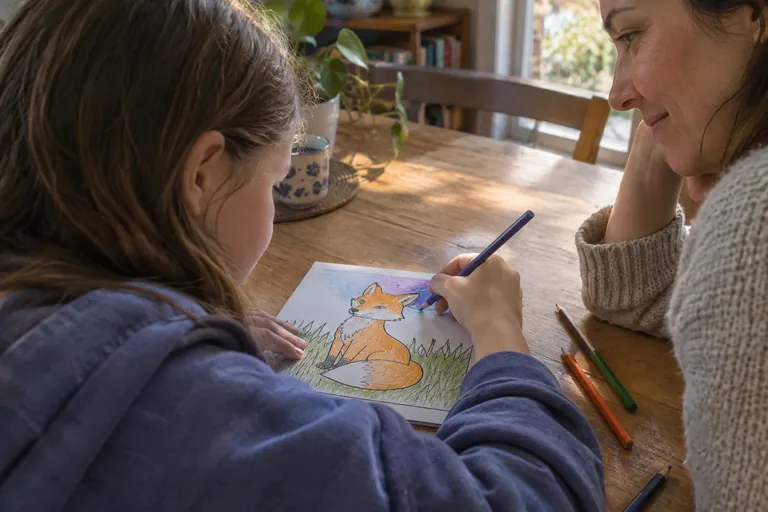
Complementary colors for kids, and why the opposite makes a color louder
An explainer for tweens: why opposite colors make each other look stronger, the eye trick behind it, and how to use one pair without a fight.
5 min read
Discover articles, guides, and creative tips about coloring activities, child development, and artistic inspiration.
Featured
Complementary colors for kids, and why the opposite makes a color louder
An explainer for tweens: why opposite colors make each other look stronger, the eye trick behind it, and how to use one pair without a fight.
voilà magazine
An explainer for tweens: why opposite colors make each other look stronger, the eye trick behind it, and how to use one pair without a fight.

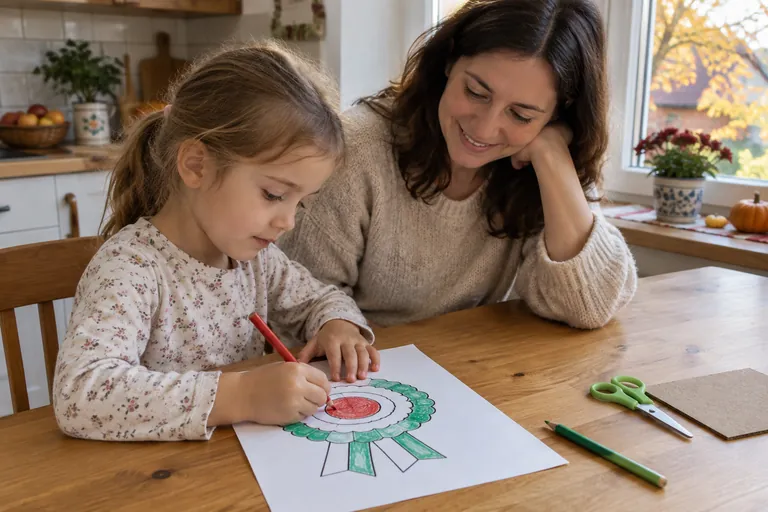
Which ring of the cockade is red? The question that starts a 23 October craft: color the rosette, cut it out, pin it on, plus a flag and the Parliament.
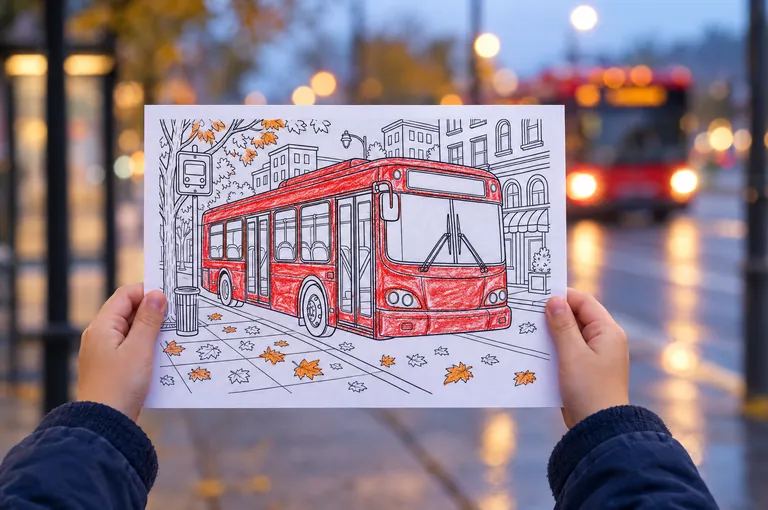
One school morning from the window to the bus stop and back, with a page for each place and a small job for your child at every stop.

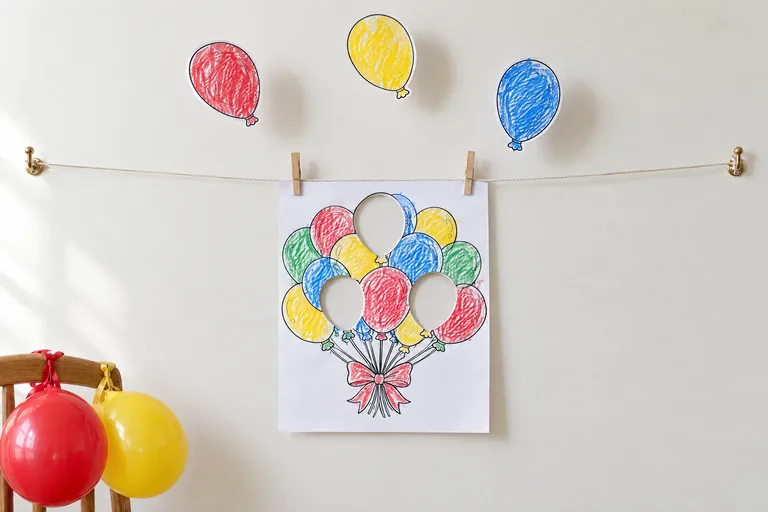
A how-to for the first half hour of a party at home: one table, three zones, pages printed to the theme, and a peg line that ends as the goodbye.
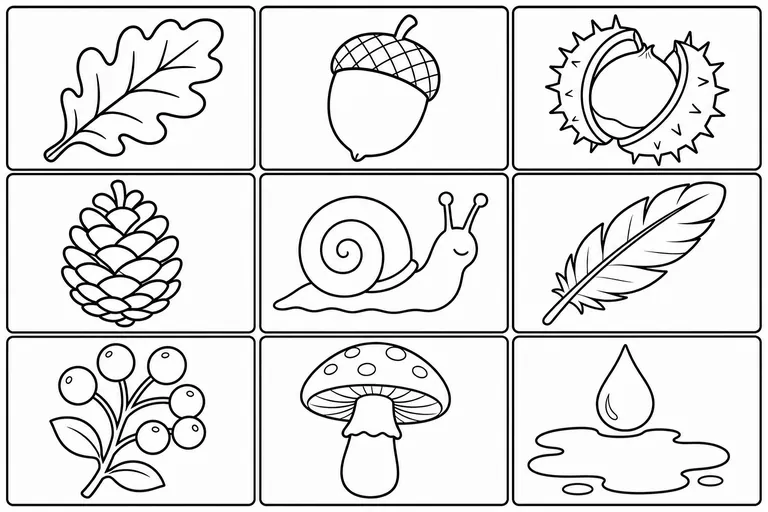
A bingo card for an October walk, with squares ordered from the leaf you find in a minute to the feather that needs luck.
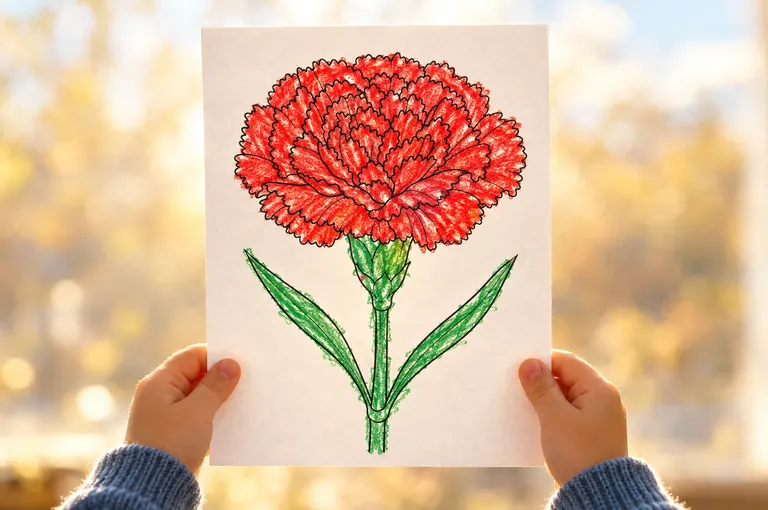
The 12 October flower offering in Zaragoza, told from dawn to night, with pages for a flower cloak the whole class builds together.
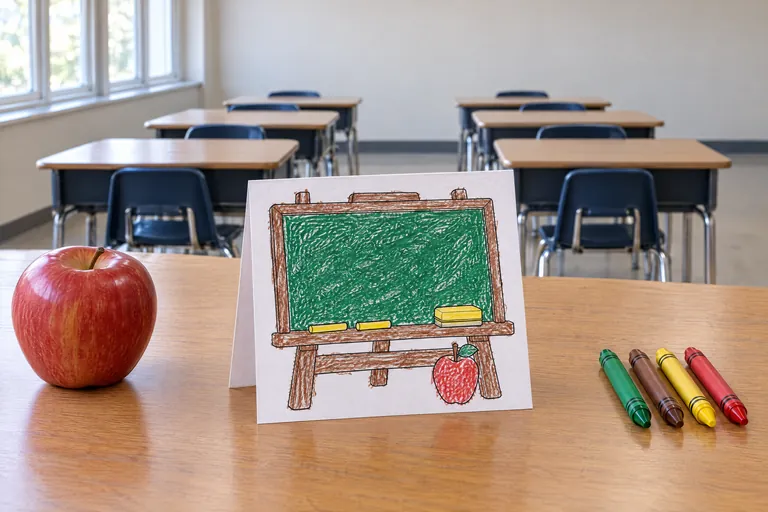
Five questions a child asks before World Teachers' Day, answered with pages that fold into a card and leave room for a name in their own handwriting.
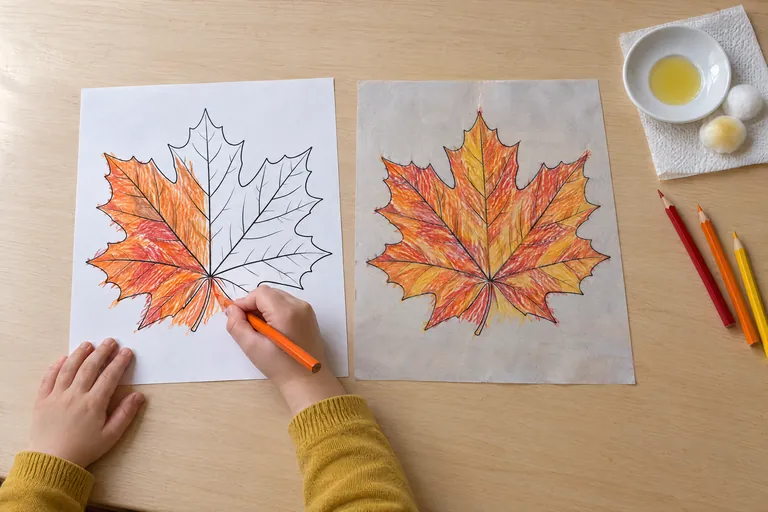
One grey afternoon, a few printed pages and a saucer of oil, and a bare October window that ends the day glowing like stained glass.
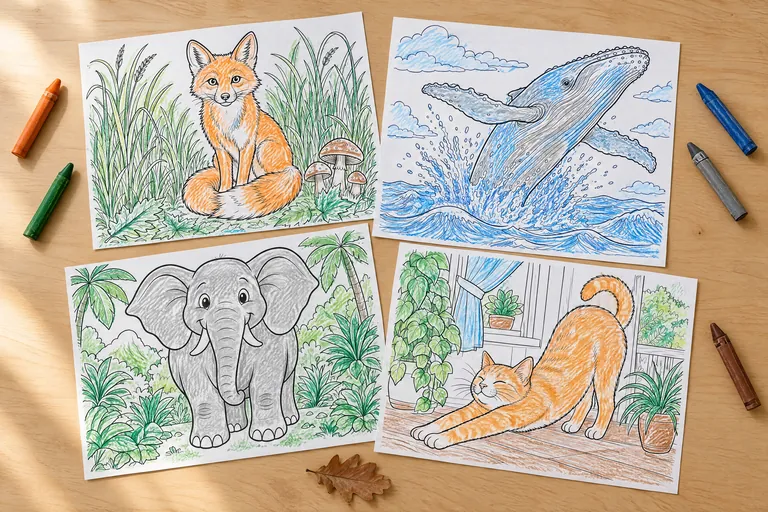
A tour for 4 October: one habitat per stop, one move your child acts out, then the page. Plus where World Animal Day came from.
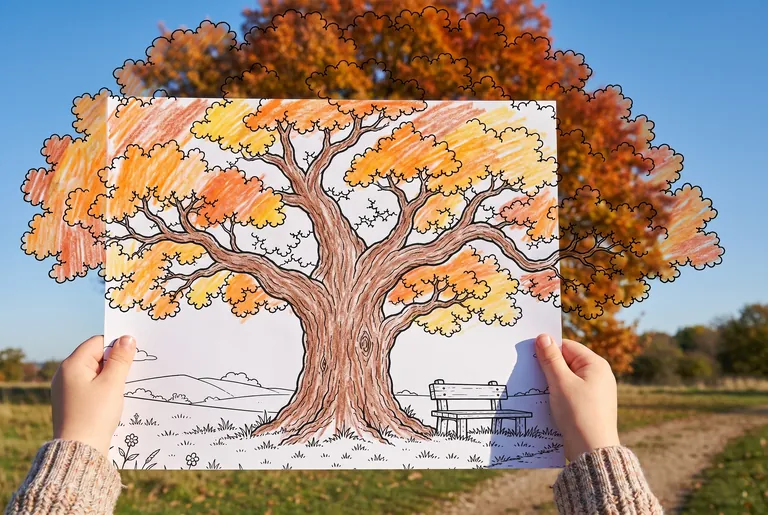
A year-long project for one tree: the same page colored in October, winter, spring and summer, and four sheets that tell the story side by side.
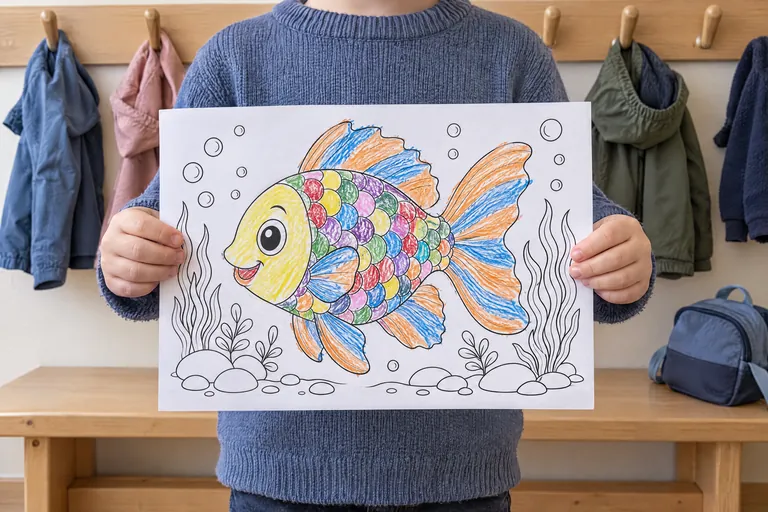
A question and answer guide to the moment a child hands you a page: why praise wears out, what to say instead, and ready lines for the hard pages.
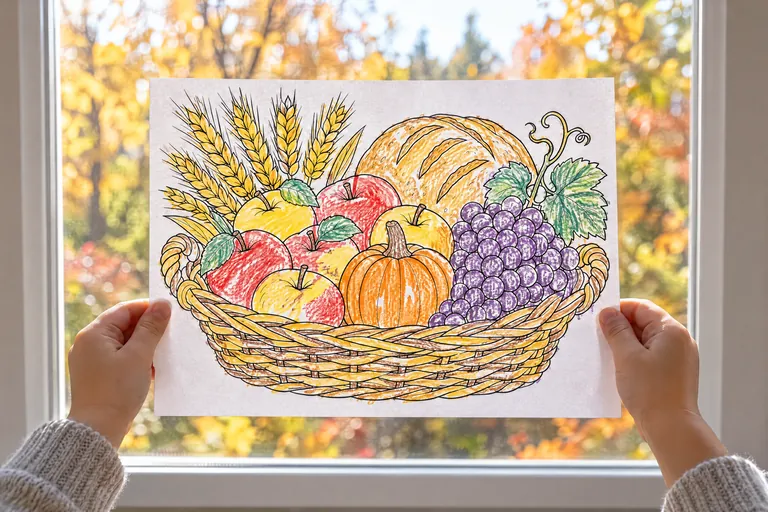
A tour of the Erntedank basket, one stop at a time: the field, the orchard and the garden, with a page to color for everything that goes in.