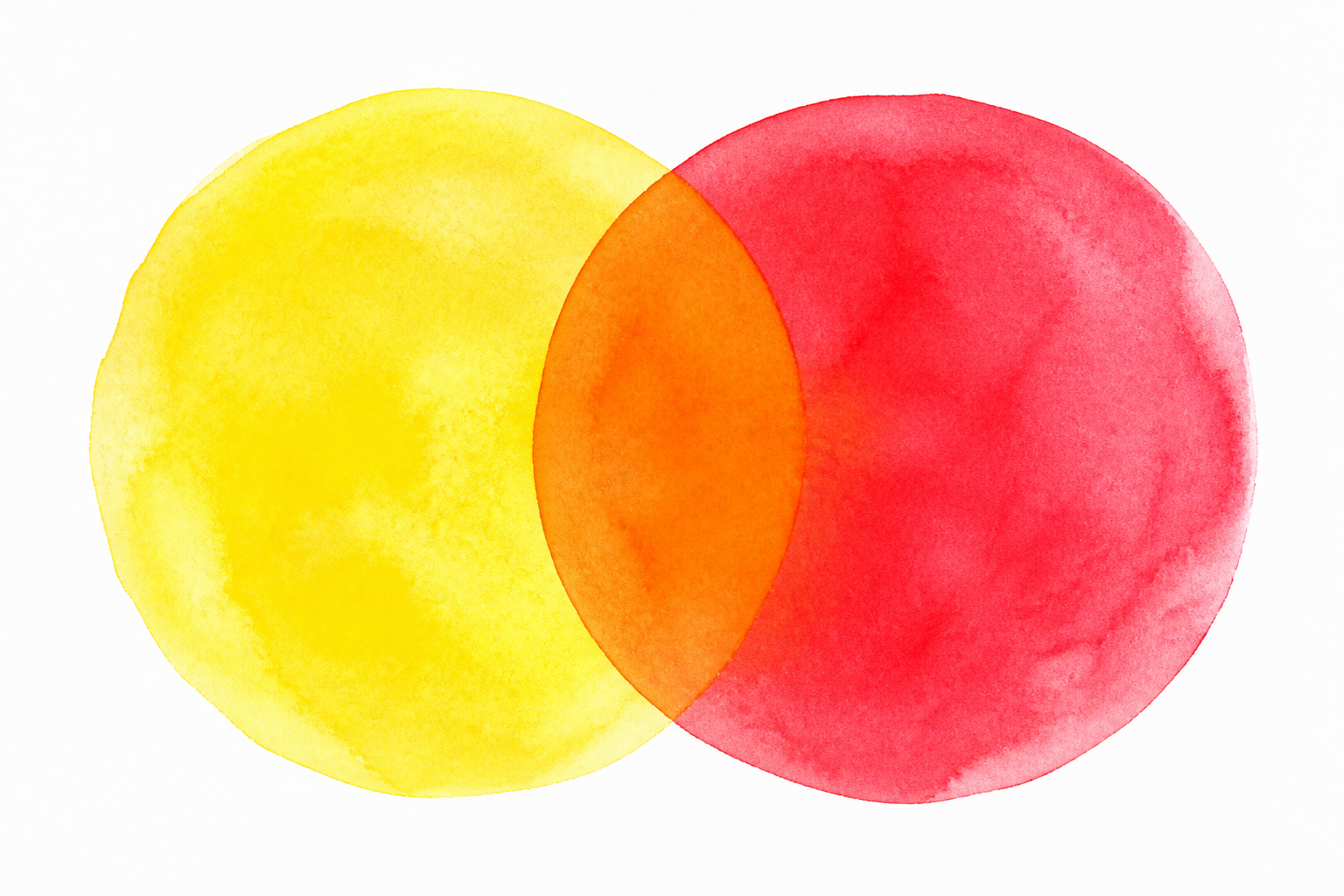
Hand a child a red crayon and a yellow crayon and ask what happens if the two meet on the page. Most kids guess, then want to try it. That small experiment is the whole idea behind color mixing, and it is one of the first times art and science turn out to be the same thing. You do not need a kit or a class. Three colors, something to color with, and a few minutes are enough for a first lesson.
The three colors everything starts with
Painters call red, yellow, and blue the primary colors, which is a roundabout way of saying you cannot make them by mixing anything else. Every other color you can think of begins here. Mix two primaries and you get a secondary color, and there are only three of those to find.
| Mix these two | And you get |
|---|---|
| Red + yellow | Orange |
| Yellow + blue | Green |
| Blue + red | Purple |
That small table is the whole map for a first lesson. If your child wants the names for the full set at once, this guide to primary and secondary colors lays them all out.
Try it: mix two colors and make a third
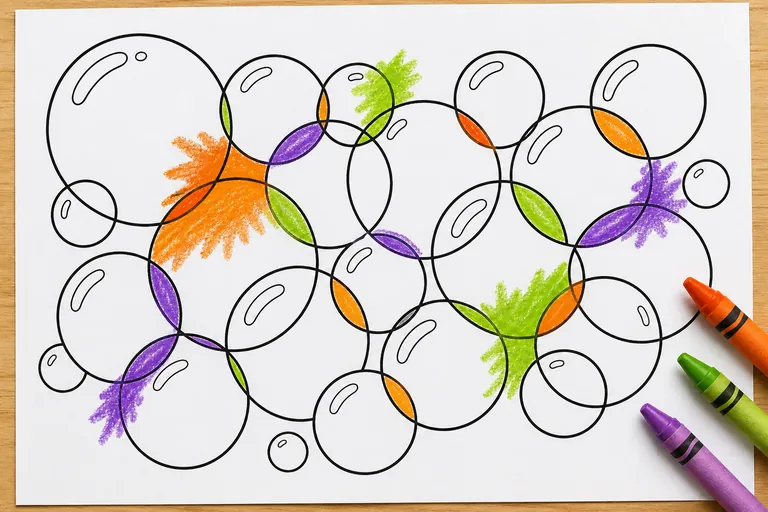
This works with paint, but also with washable markers or even two crayons pressed on top of each other. Start with the lighter color and add the darker one a little at a time, because a strong color like blue can take over fast.
- 1Pick two primaries. Red and yellow is the easiest first pair, because orange shows up quickly and clearly.
- 2Put down the lighter color first. Color a small patch of yellow, or squeeze out a blob of yellow paint.
- 3Add the darker color slowly. Bring in a little red, mix or color over the yellow, and watch it warm up into orange.
- 4Guess before the next mix. Ask what blue and yellow will make before you try it. Guessing first is what turns a craft into a science lesson.
- 5Keep a record. A simple chart with two colors going in and one coming out helps the pattern stick.



Coloring fun for kids — anywhere.
Free for iOS & Android. No ads, no sign-up, offline-ready.


Coloring fun for kids — anywhere.
Free coloring app for kids. iOS and Android, phones and tablets. No ads, no sign-up, even offline.
Why some tools mix and some just sit there
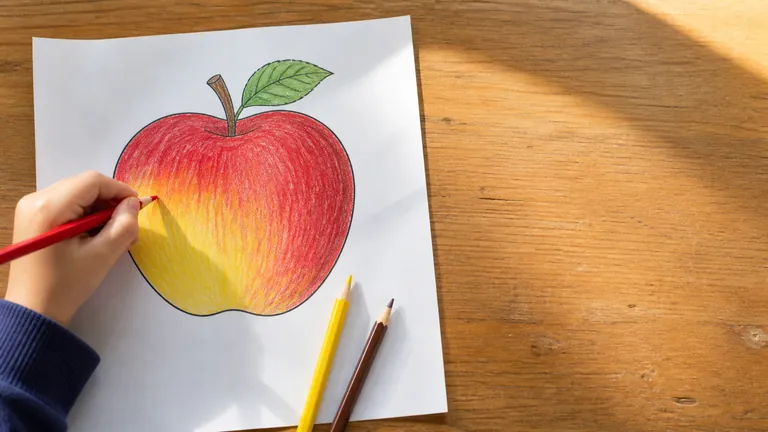
Not everything blends the same way, and a child works this out fast once they start testing. Paint and washable markers mix on the paper because the color is still wet or soft enough to move. Crayons do not really mix, but they layer: color yellow, then press red on top, and the waxy buildup reads as orange. Colored pencils layer the same way, which is closer to blending than true mixing. If your child likes the layering trick, blending colors carries it further into smooth gradients.
Mixing while you color
Color mixing is not only a science-table activity. It changes how a page looks. A sky filled with one flat blue is fine, but a sky where a child layers a little purple into the blue up top starts to look like a real evening. Leaves are rarely one green. Fur, skin, and water almost never are. Once a child knows that two colors can become a third, they stop reaching for the one crayon labeled the right color and start building the color they actually see.
What else could you color?
Pick a prompt or type your own — opens in a new tab.
Where to go next
The best way to lock in a first lesson is to color something that begs for a lot of colors. A rainbow coloring page is perfect, because every band is a chance to mix a new shade instead of grabbing a ready-made one. From there, the color wheel shows how all those mixes fit together, so the next question your child asks, about why some colors feel warm and others feel cool, already has an answer waiting.