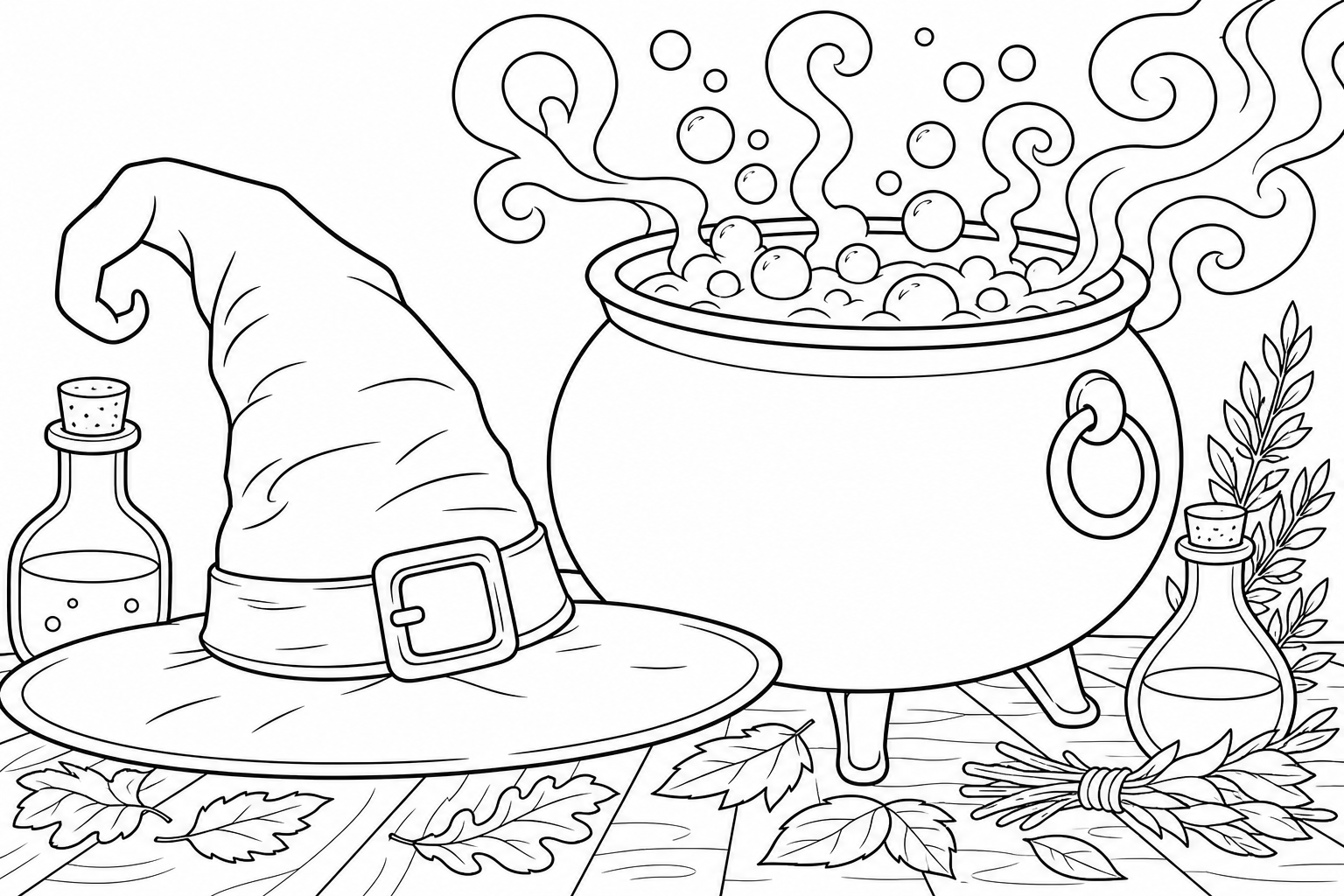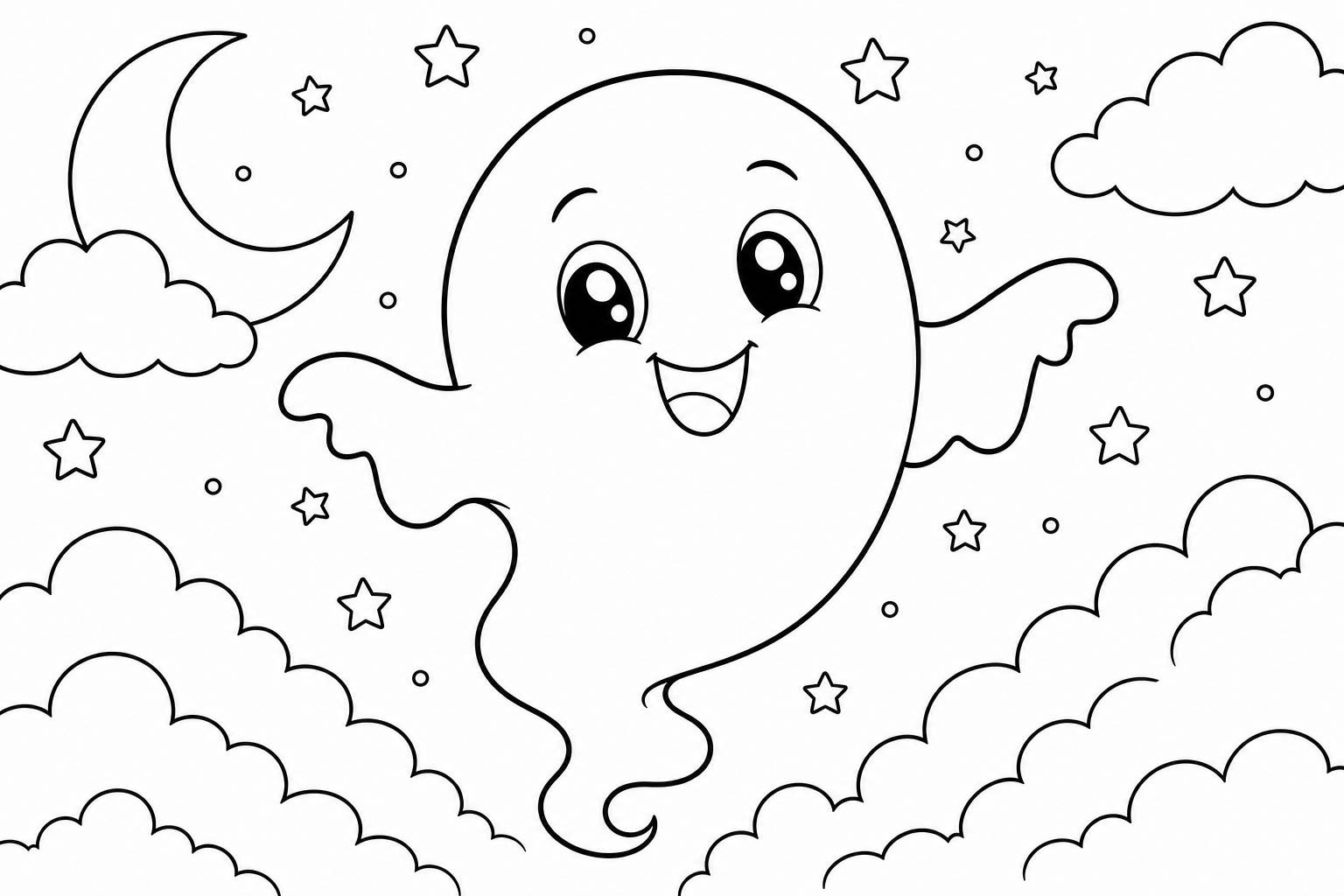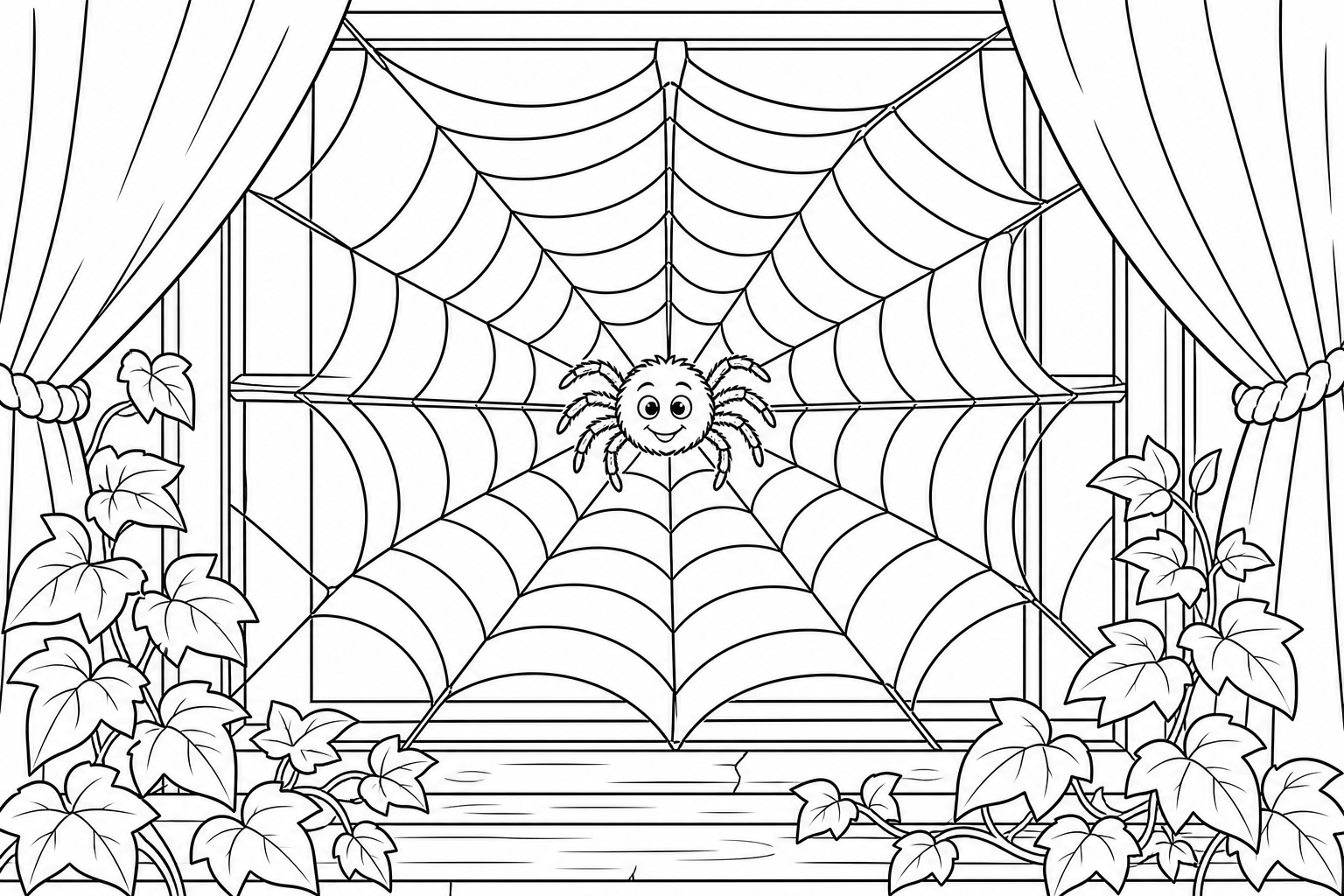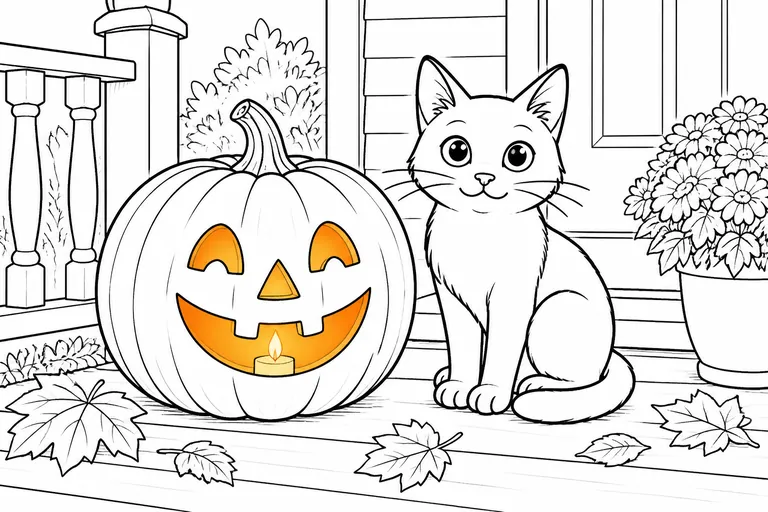
Why do we put a candle inside a pumpkin? If you have a kid who loves Halloween, you have probably been asked, usually while they are elbow deep in pumpkin guts. Most of the answers reach back much further than the candy aisle, and they are stranger than you would guess.
So here is a set of Halloween coloring pages built around the questions kids actually ask. Color a page, learn where the tradition came from, and hand over one good fact per picture. Almost every spooky thing on the list started as something people did for a real reason.
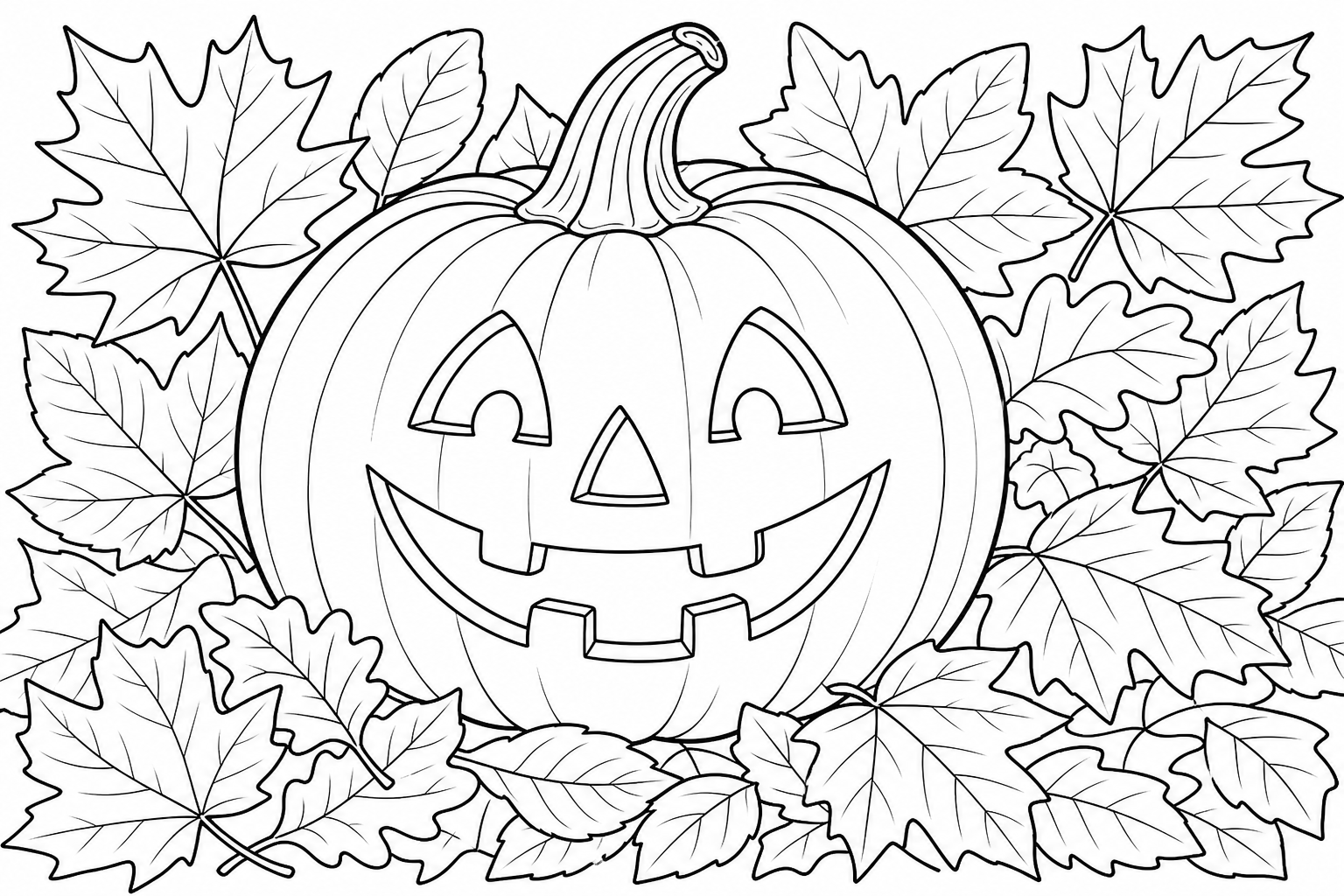
Why do we carve pumpkins?
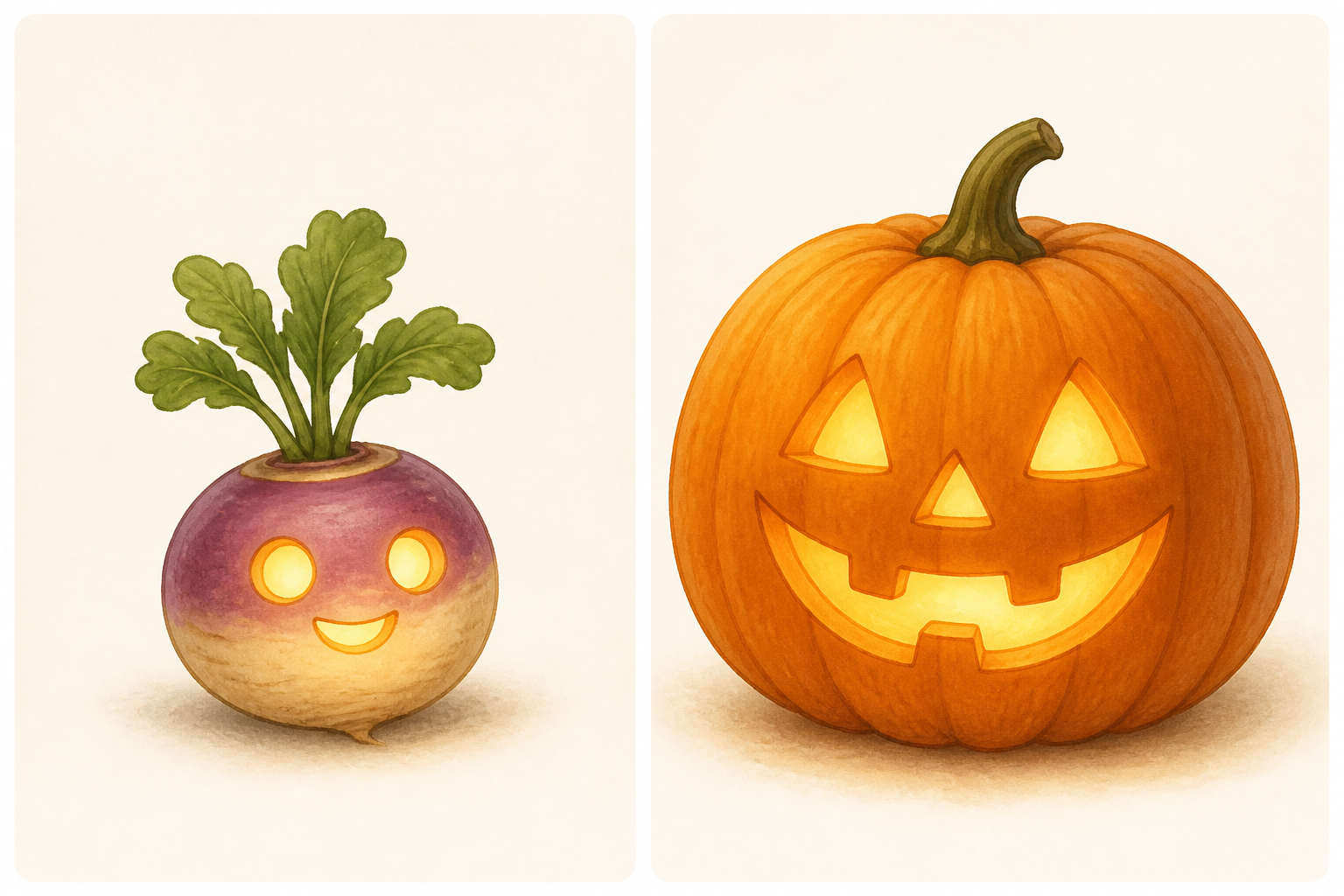
The glowing face comes from an old Irish story about a man called Stingy Jack, who tricked the devil one too many times and got turned away from both good places when he died. He was left to wander with a burning ember, which he tucked inside a hollowed out turnip. People carved their own scary lanterns to keep his ghost moving along. When Irish families came to America, they found pumpkins easier to carve and brighter inside, so the turnip quietly retired. Clemson has the whole turnip story.
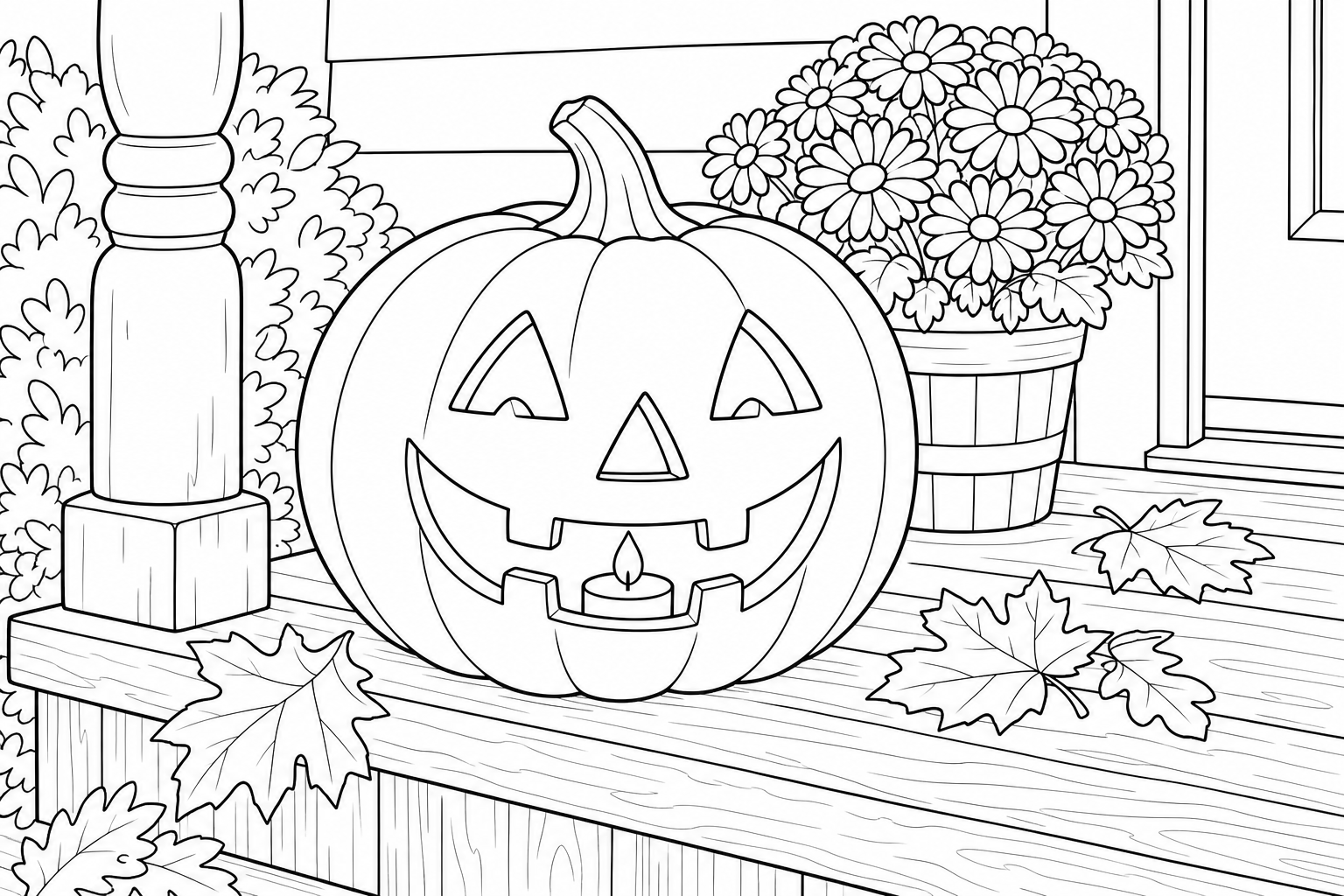
If your kid is all about the pumpkin, we have a whole pumpkin patch of pages too.
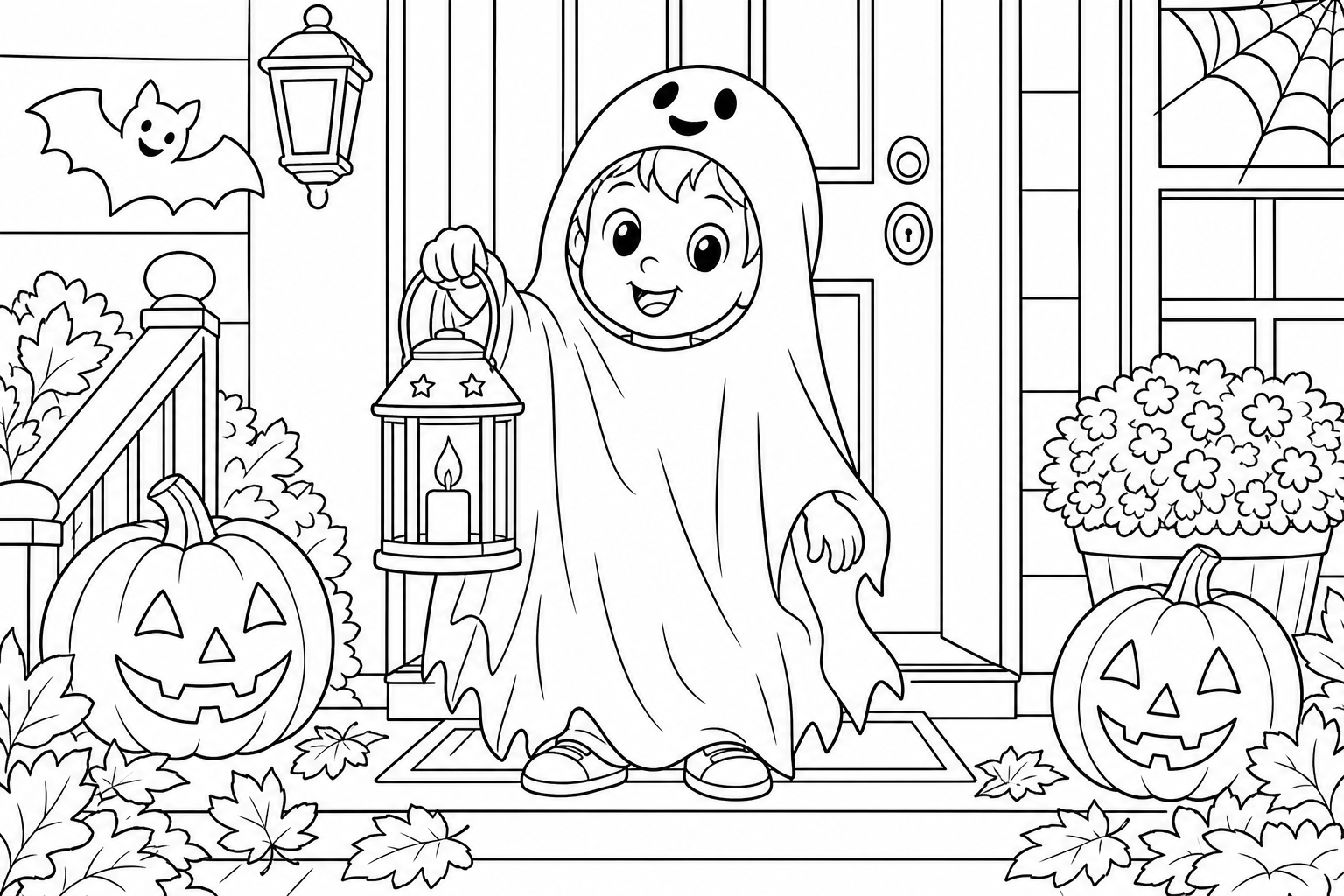
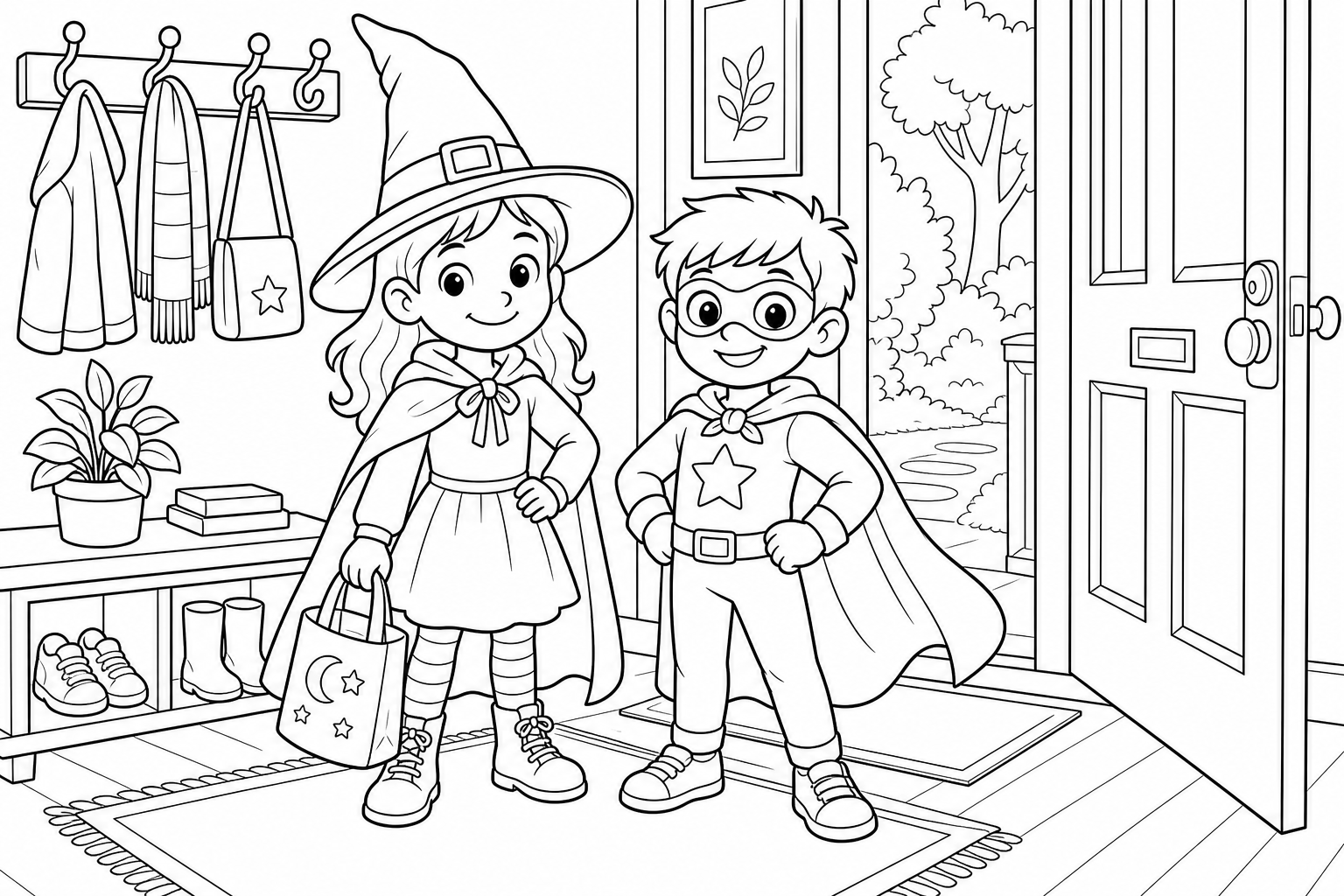
Why do we dress up?
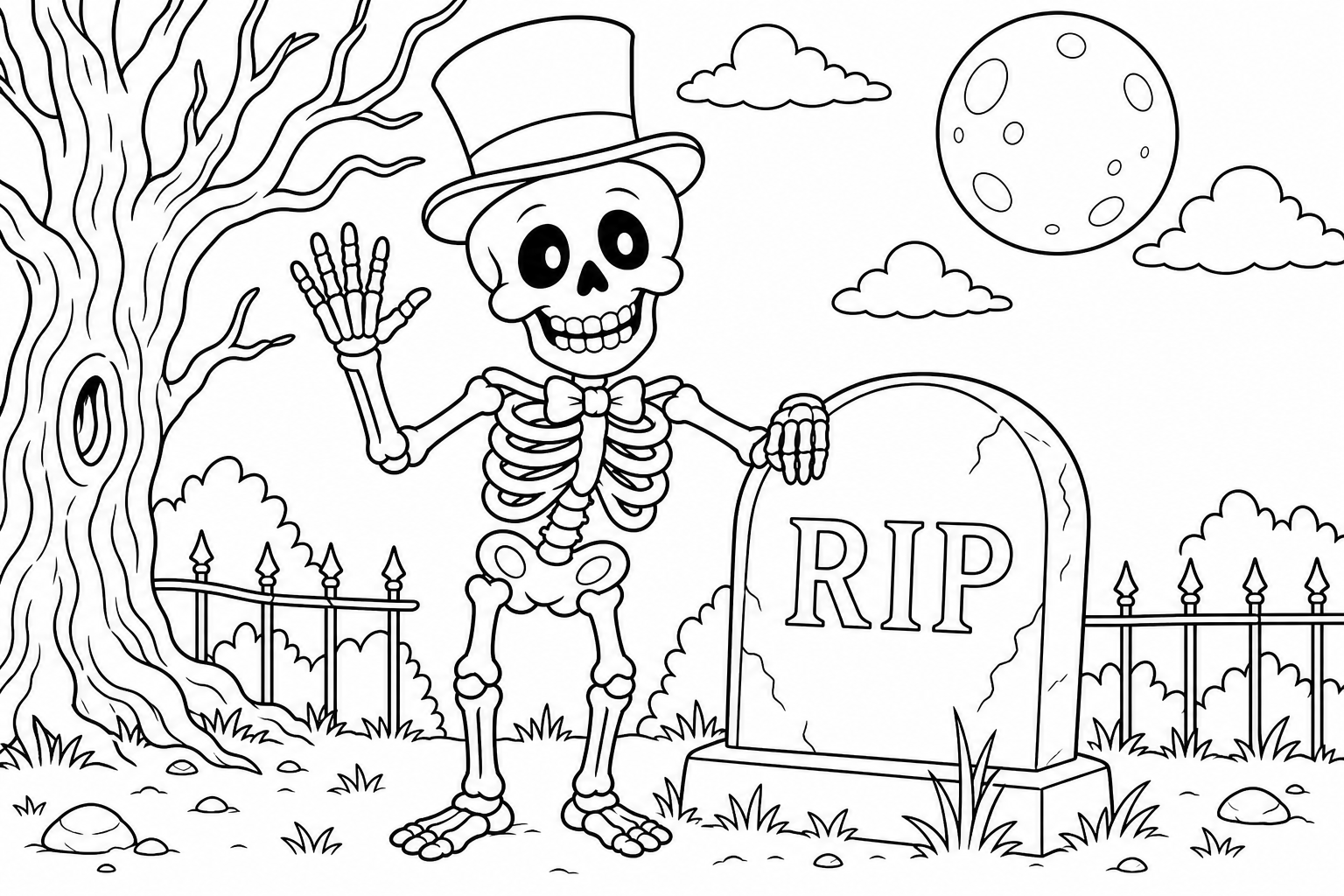
This one is older than the candy by a long way. The night traces back to an autumn festival called Samhain, when people believed the line between the living and the dead went thin for a night. To avoid being noticed by any wandering spirits, they dressed up as ghosts and ghouls themselves, hoping to blend right in. The Library of Congress lays out how the traditions grew. So the costume is not new. It is one of the oldest parts of the whole thing.



Coloring fun for kids — anywhere.
Free for iOS & Android. No ads, no sign-up, offline-ready.


Coloring fun for kids — anywhere.
Free coloring app for kids. iOS and Android, phones and tablets. No ads, no sign-up, even offline.
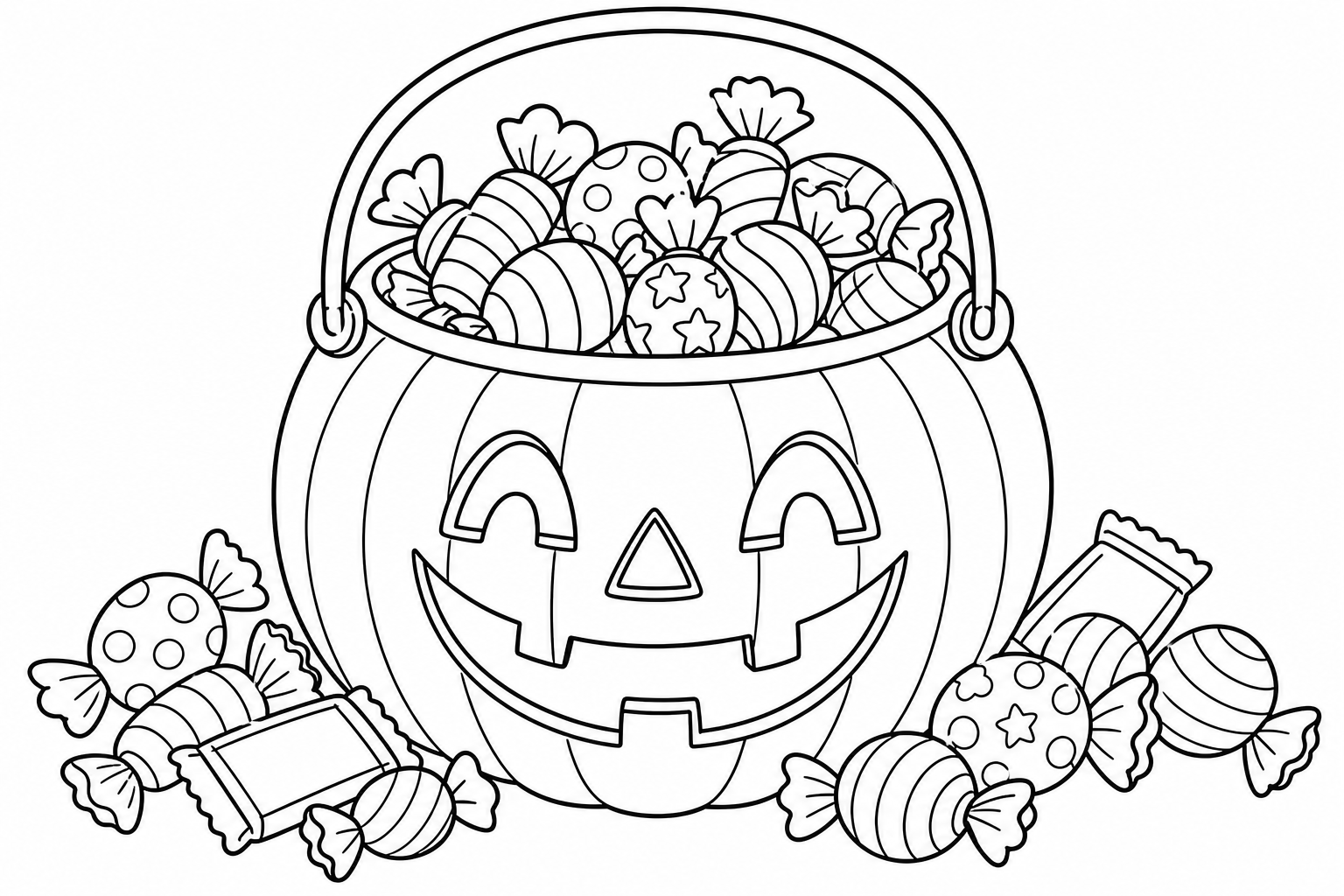
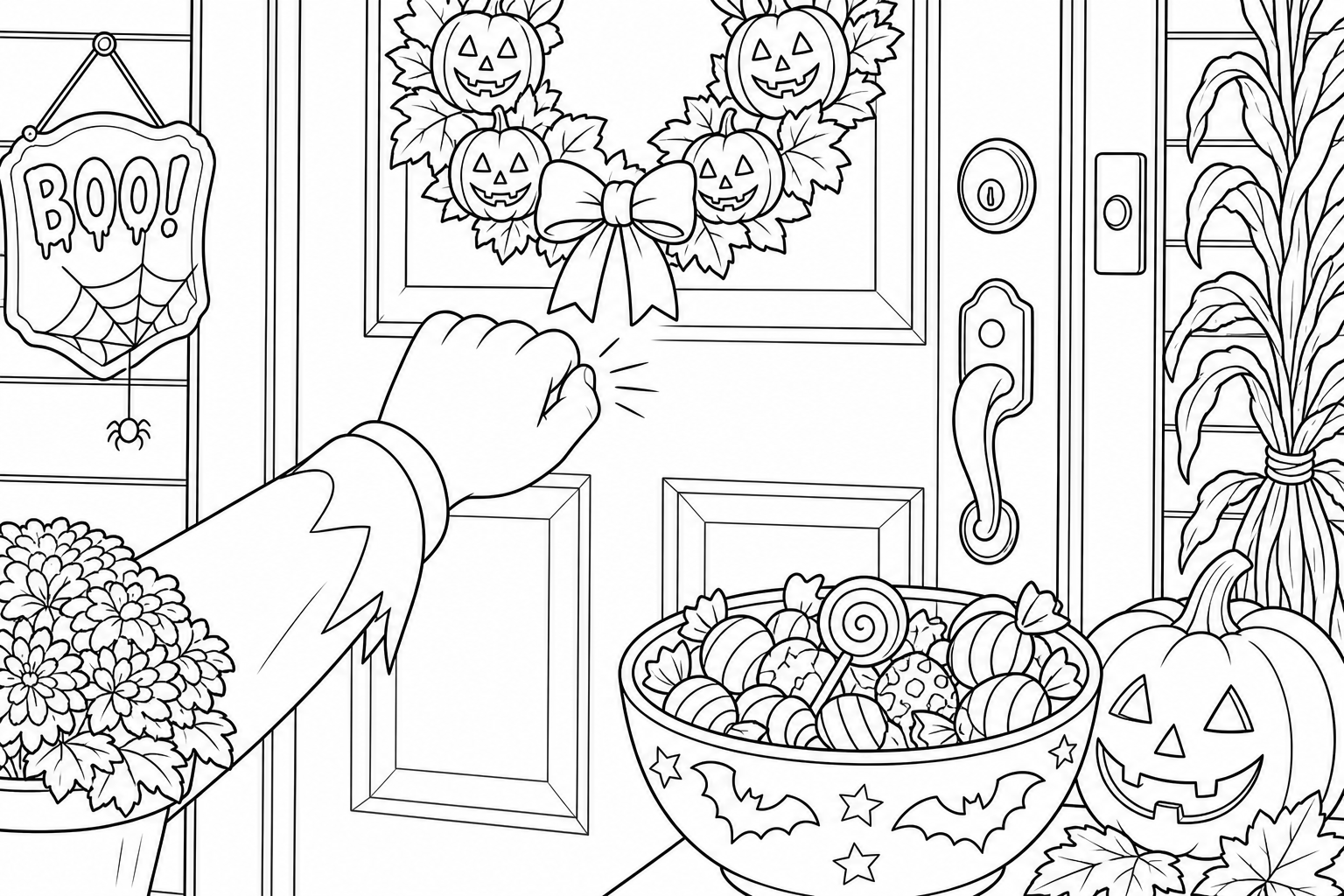
What is trick-or-treat, really?
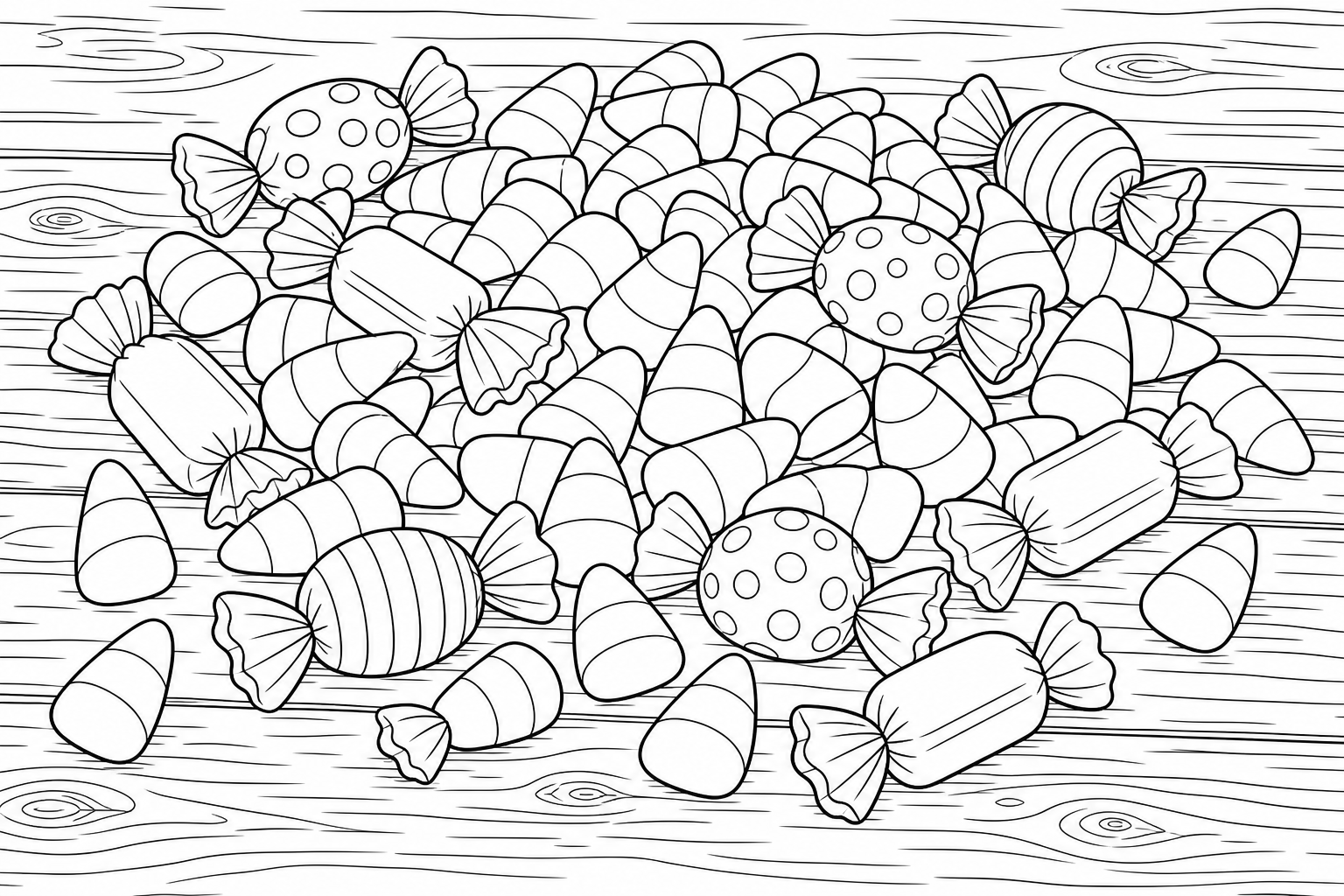
Long before doorbells and pillowcases full of candy, there was "souling." Hundreds of years ago, children and people with little money went house to house on these autumn nights, offering songs and prayers in exchange for small "soul cakes." Scotland had its own version called guising, where you had to earn your treat with a joke or a trick. The exact phrase "trick or treat" only showed up in the 1920s. You can read more at the World History Encyclopedia. The deal has barely changed: do a little something, get a little something.
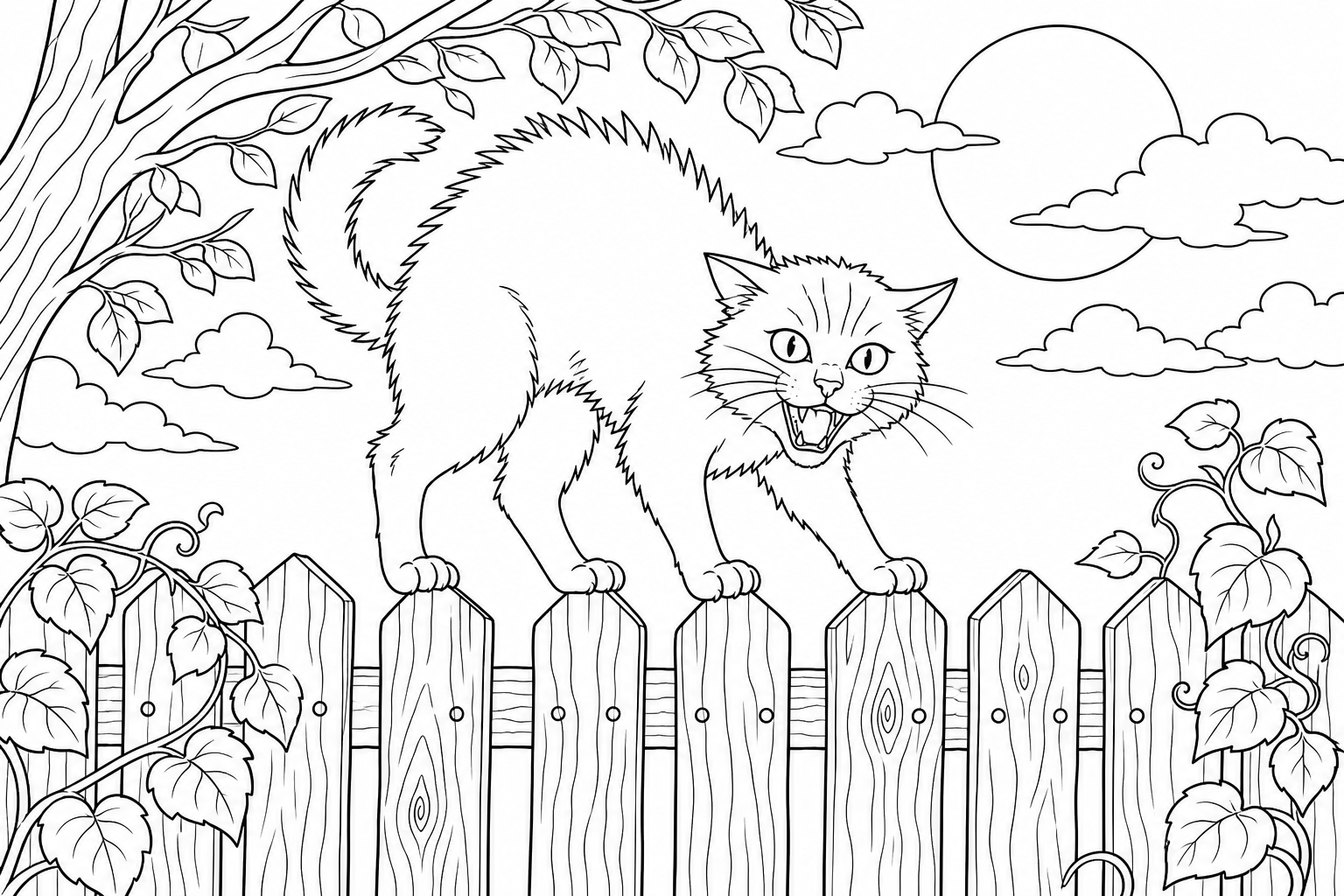
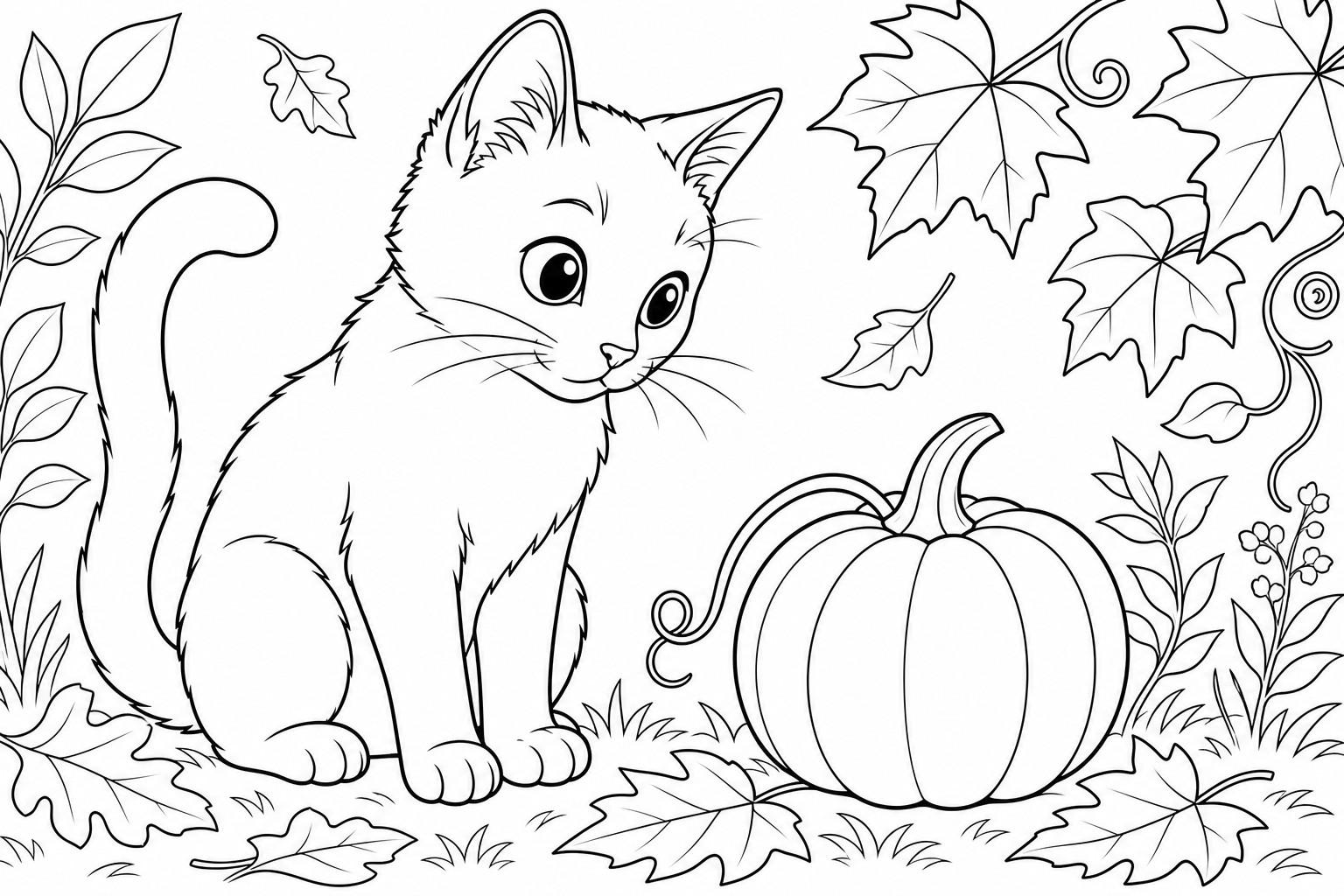
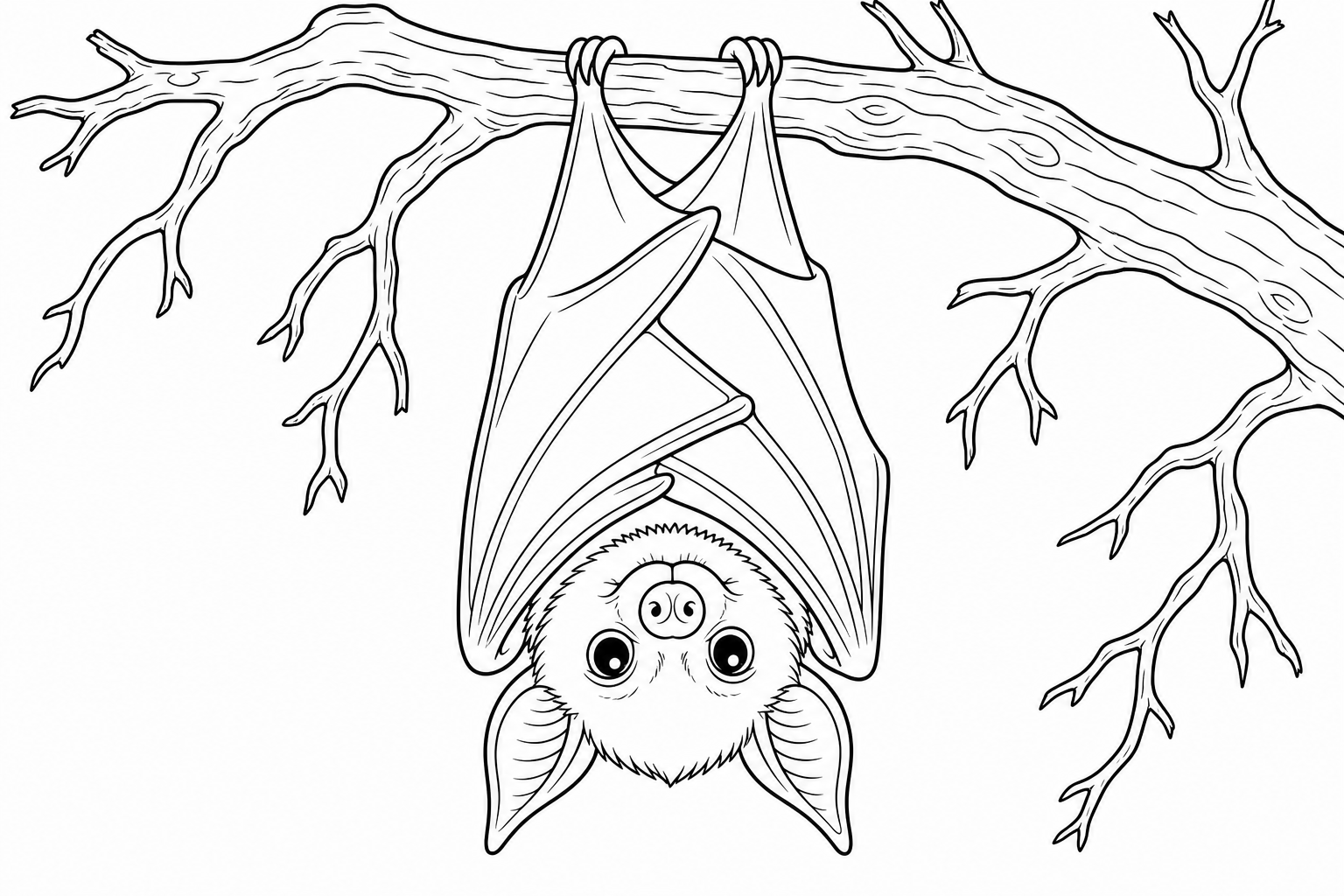
Why bats and black cats?
Both got tangled up with old fears about witches. In medieval Europe, black cats were rumored to be witches' companions, or even witches in disguise, and the suspicion stuck for centuries. Bats earned their spot the practical way: they flitted around the bonfires people lit on Samhain night, so they became part of the picture. Neither one is bad luck. A bat eats a stunning number of mosquitoes, and a black cat is just a cat that photographs well in the dark.
The spooky story, next to where it came from
Here is the short version of what we just sorted out, side by side.
| The spooky version | Where it actually came from |
|---|---|
| A glowing face inside a pumpkin | An Irish tale about Stingy Jack and a carved turnip |
| Dressing up as monsters | People at Samhain disguising themselves so spirits passed them by |
| Knocking on doors for candy | "Souling," trading songs and prayers for small cakes |
So how old is Halloween, anyway?
Older than almost anything else on your street.
Print a few of these, and your kid has the story to go with every picture.
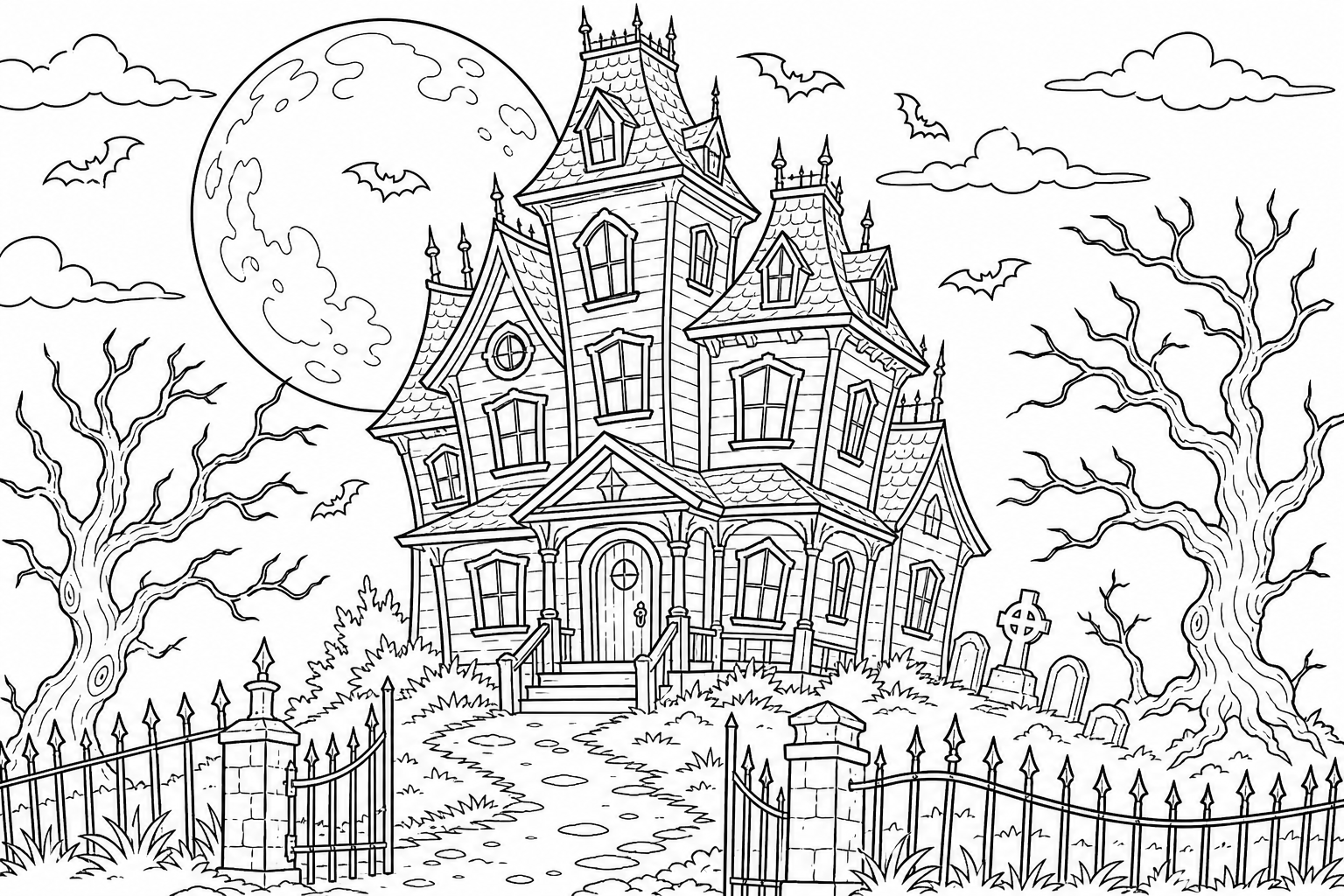
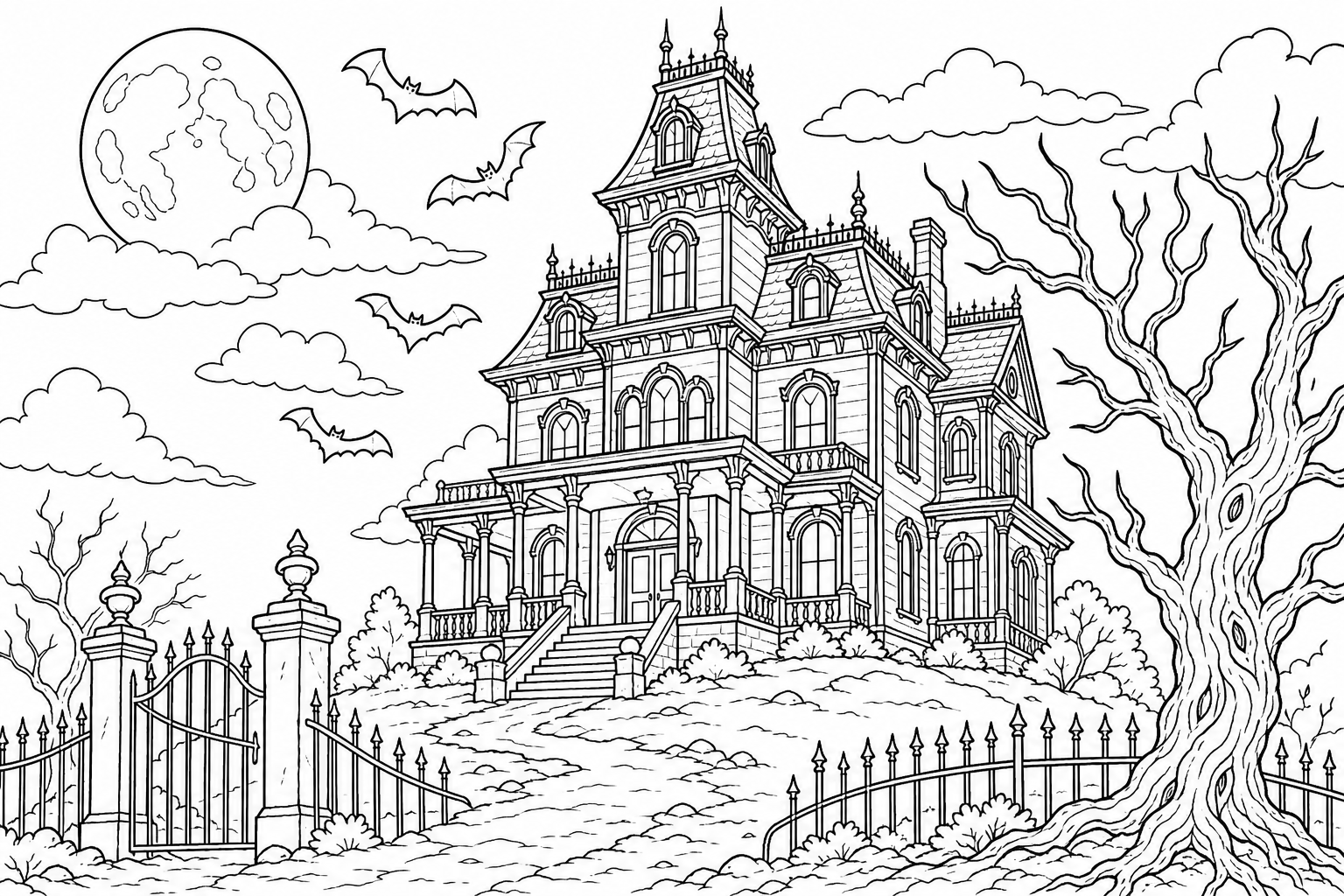
Want to fill a whole spooky street? Try a search or two.
What else could you color?
Pick a prompt or type your own — opens in a new tab.
Print the whole spooky set
Grab the full collection below, run a quick printing check so the black lines stay crisp, and turn the kitchen table into a haunted house.