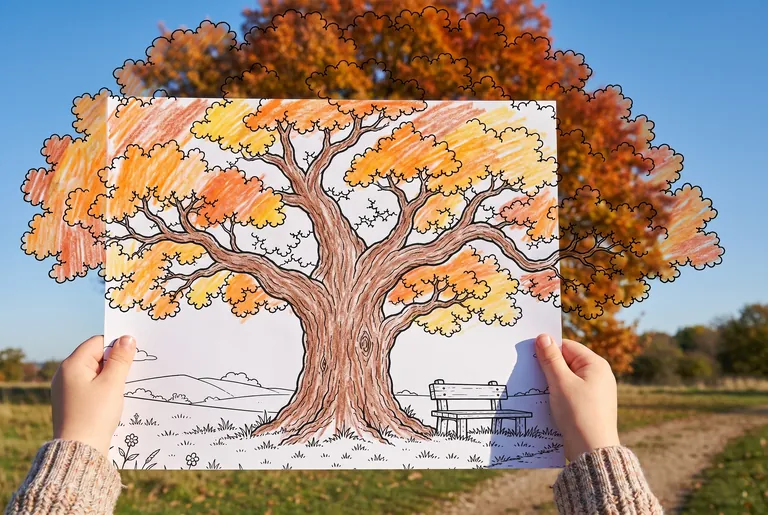
The first one always shows up on the sidewalk before the trees look any different. One maple leaf, curled at the edges, more red than the branch it fell from. Your kid picks it up and asks why that leaf turned while the rest stayed green, and the season has quietly started.
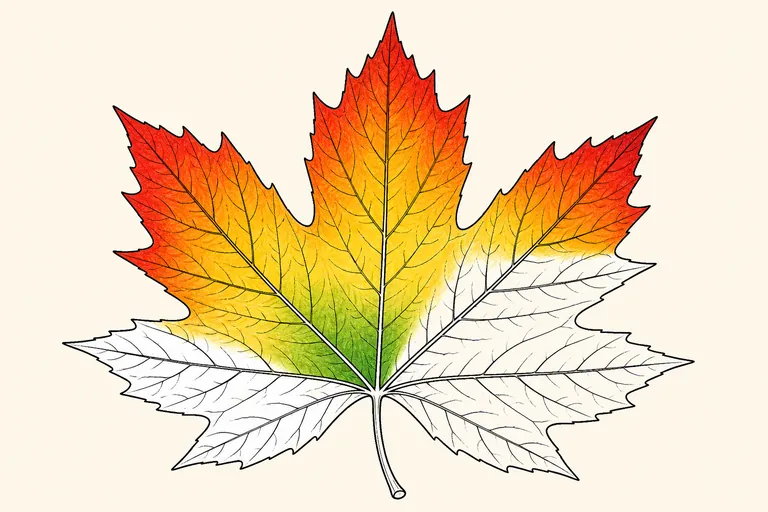
Fall leaves are the one drawing where a child cannot choose a wrong color. Green, gold, amber, scarlet, or all four on a single leaf: every one of those has really happened on a real tree. That makes these pages a rare kind of permission slip. Print a maple leaf, open a box of crayons, and there is no answer to get right.
Why the color was already in the leaf
Here is the part that surprises most kids. The yellows and golds were in the leaf all summer. They live in pigments called carotenoids, tucked under the green of the chlorophyll a tree uses to make its food. When the nights grow long and the chlorophyll fades, the gold that was there the whole time finally shows through. The reds are the latecomers. Trees mix fresh anthocyanin pigments in autumn, which is how a sugar maple can go from green to fire in a single week.
A quick key to the shapes you will print
Before you print anything, here is what to look for. Each leaf has a silhouette a child can learn to spot on the walk home.
| Leaf | Shape to look for | Colors it turns |
|---|---|---|
| Maple | Five points, like a star | Green, gold, orange, scarlet |
| Oak | Rounded lobes, no sharp tips | Russet, brown, deep red |
| Birch and aspen | Small teardrops with fine teeth | Bright yellow, gold |
| Ginkgo | A little folding fan | Clear, even yellow |
| Sweetgum | Five spiky points | Purple, red, and orange at once |
Maple leaves, the stars of the sidewalk
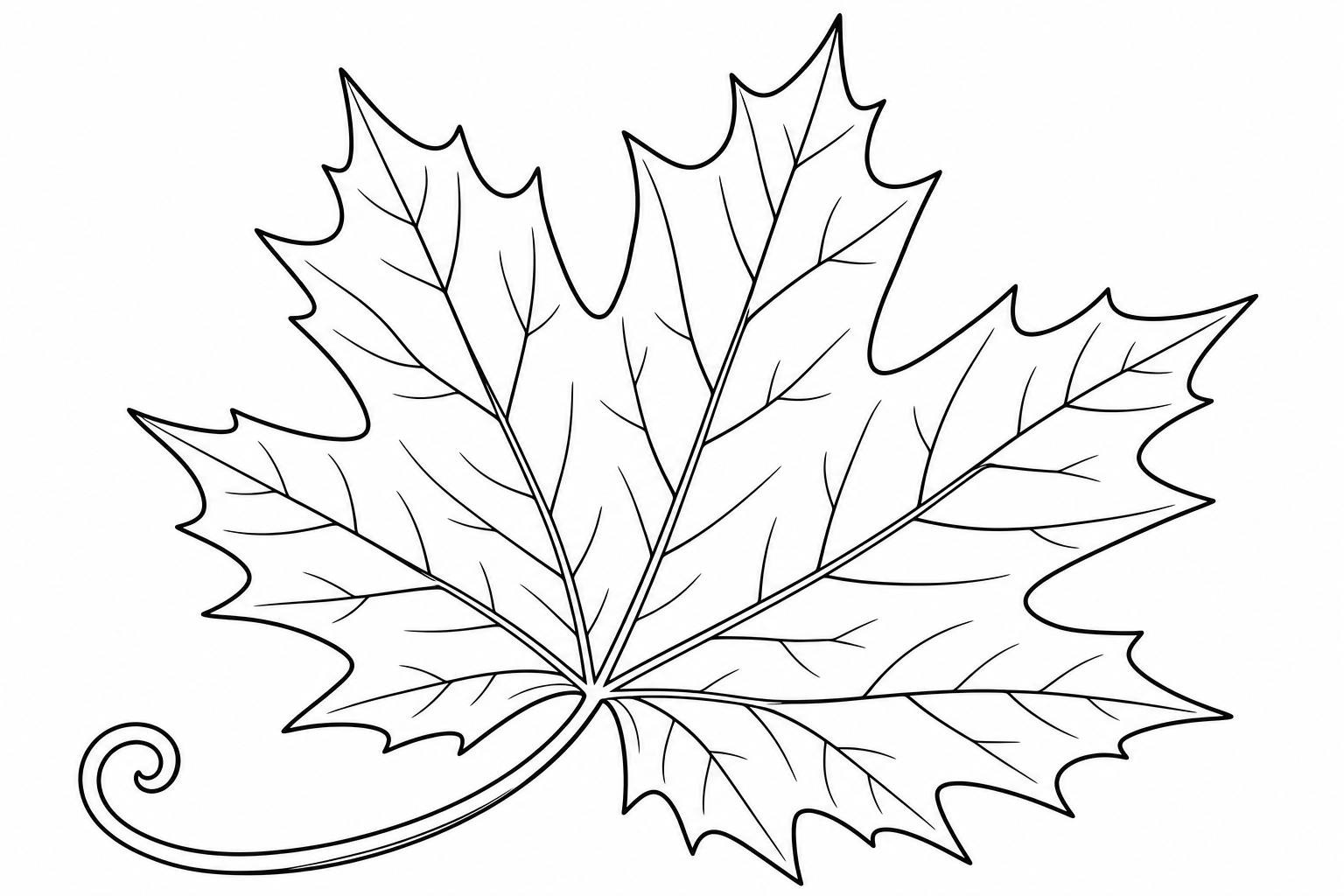
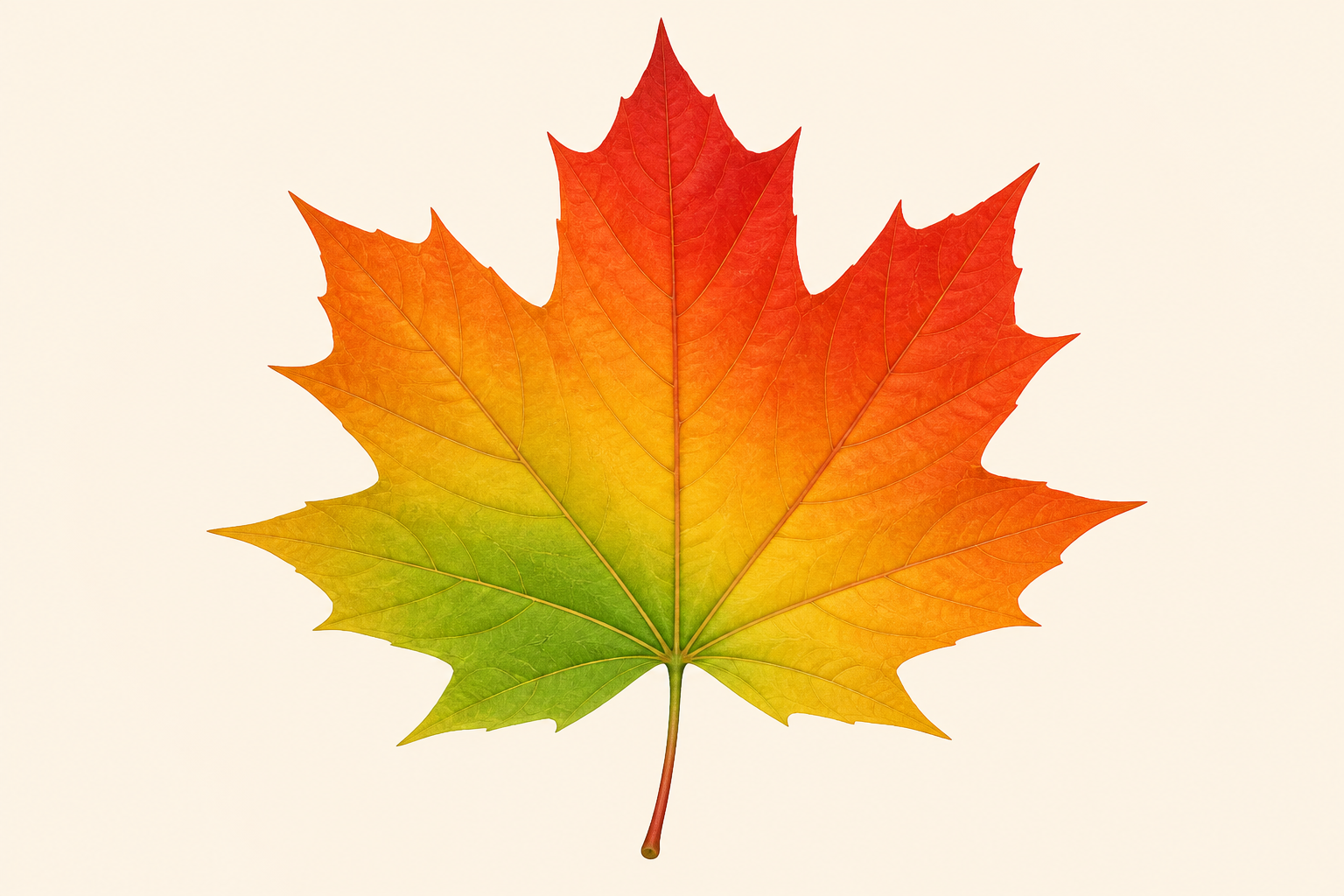
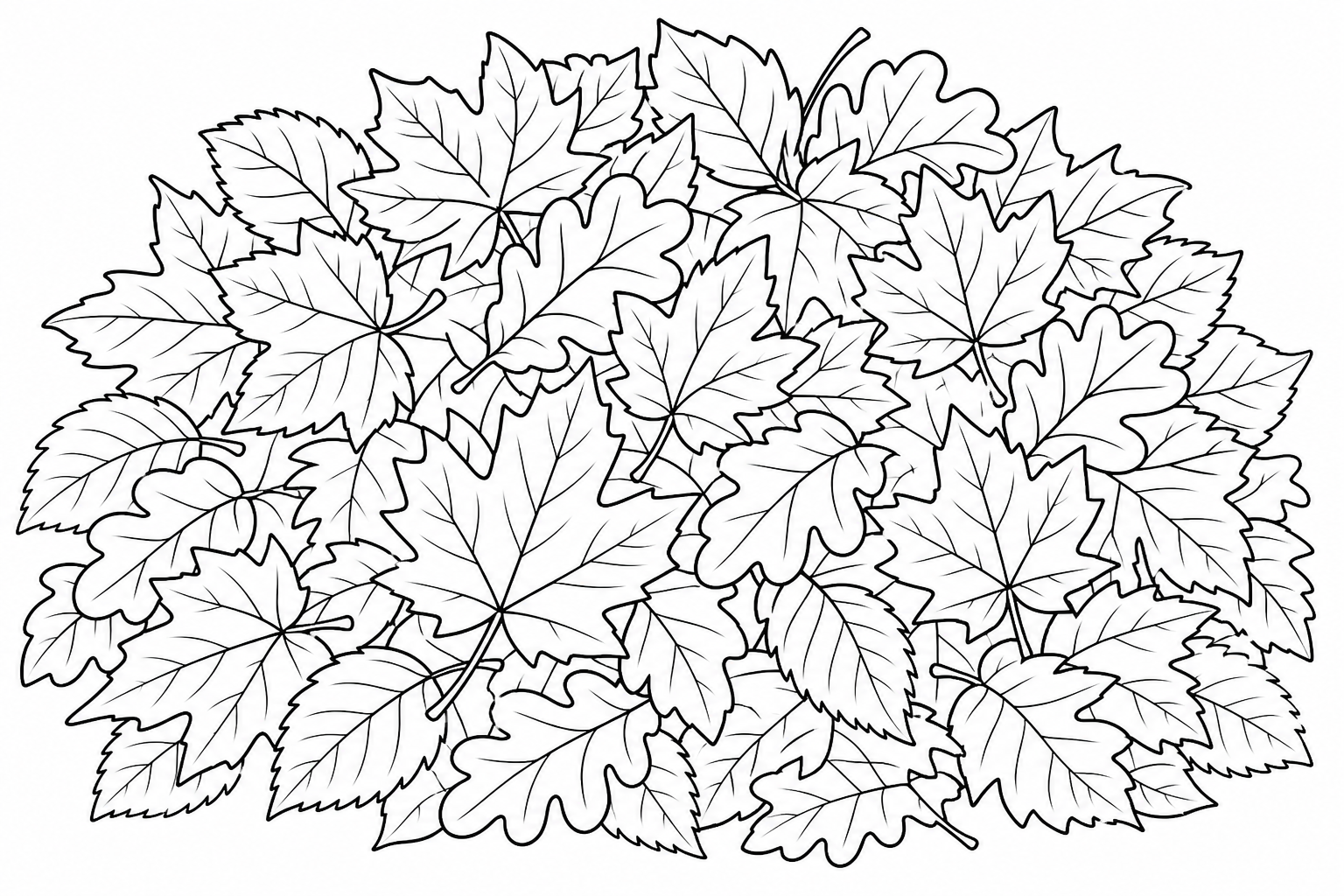
Maple is the leaf most kids draw when you say the word autumn. Five points spread out from a single stem, wide and easy to hold in crayon. It is a forgiving shape for small hands, and it takes color beautifully, whether your kid fills it in one flat orange or blends four shades from the stem to the tips. Ask them to try a leaf that fades from green at the base to red at the points. That gradient is exactly what a real maple does.
Oak leaves, slow and sturdy
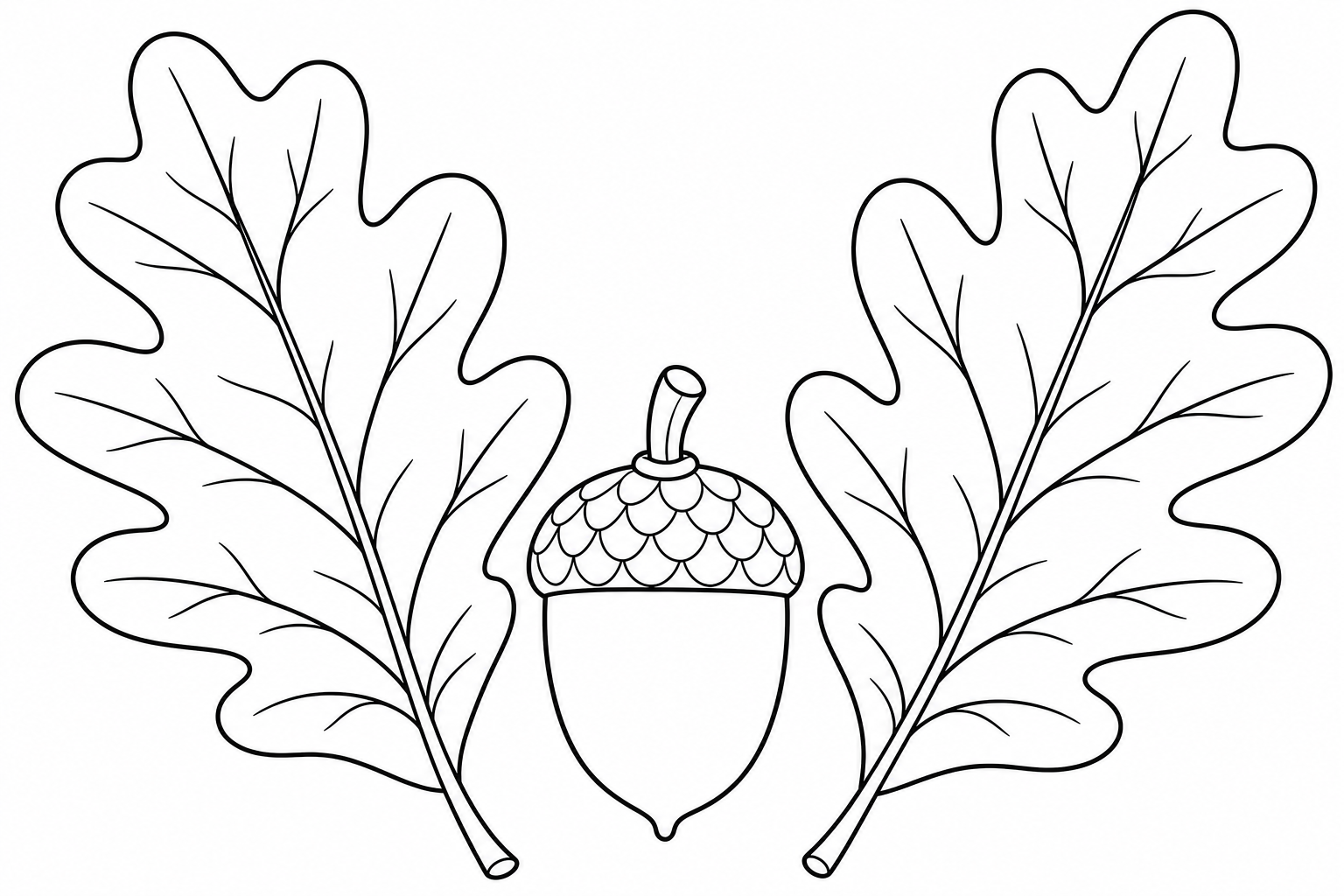
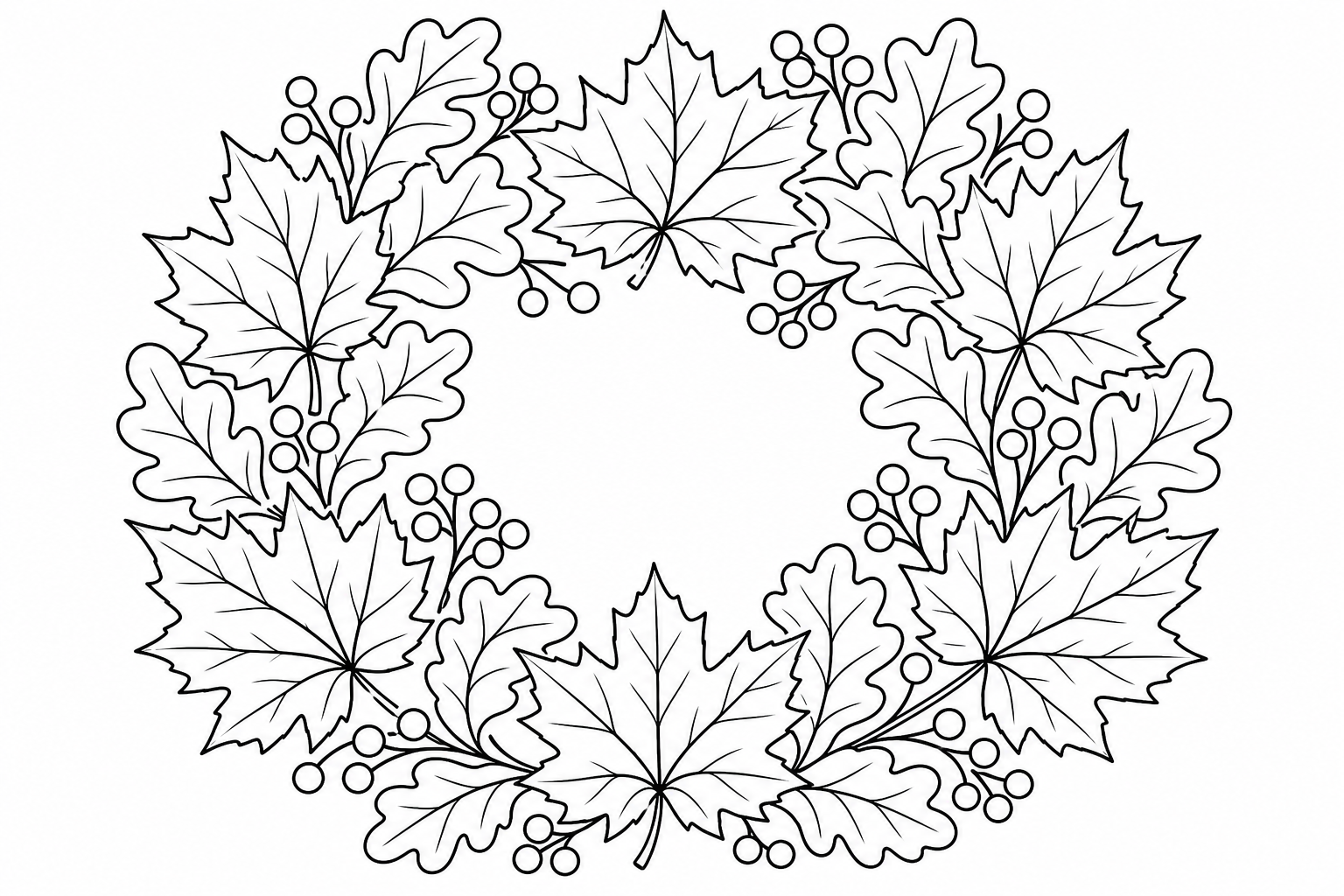
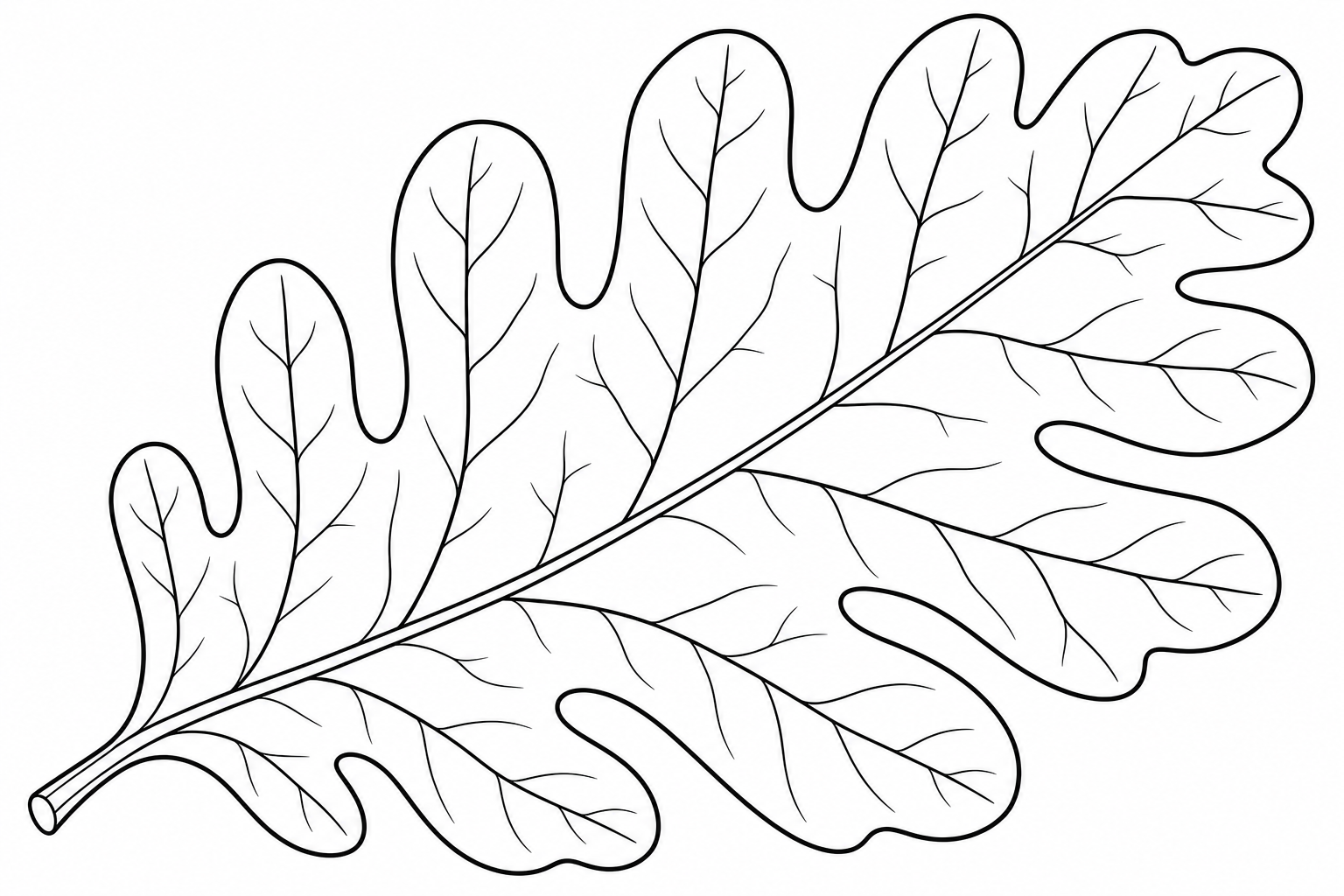
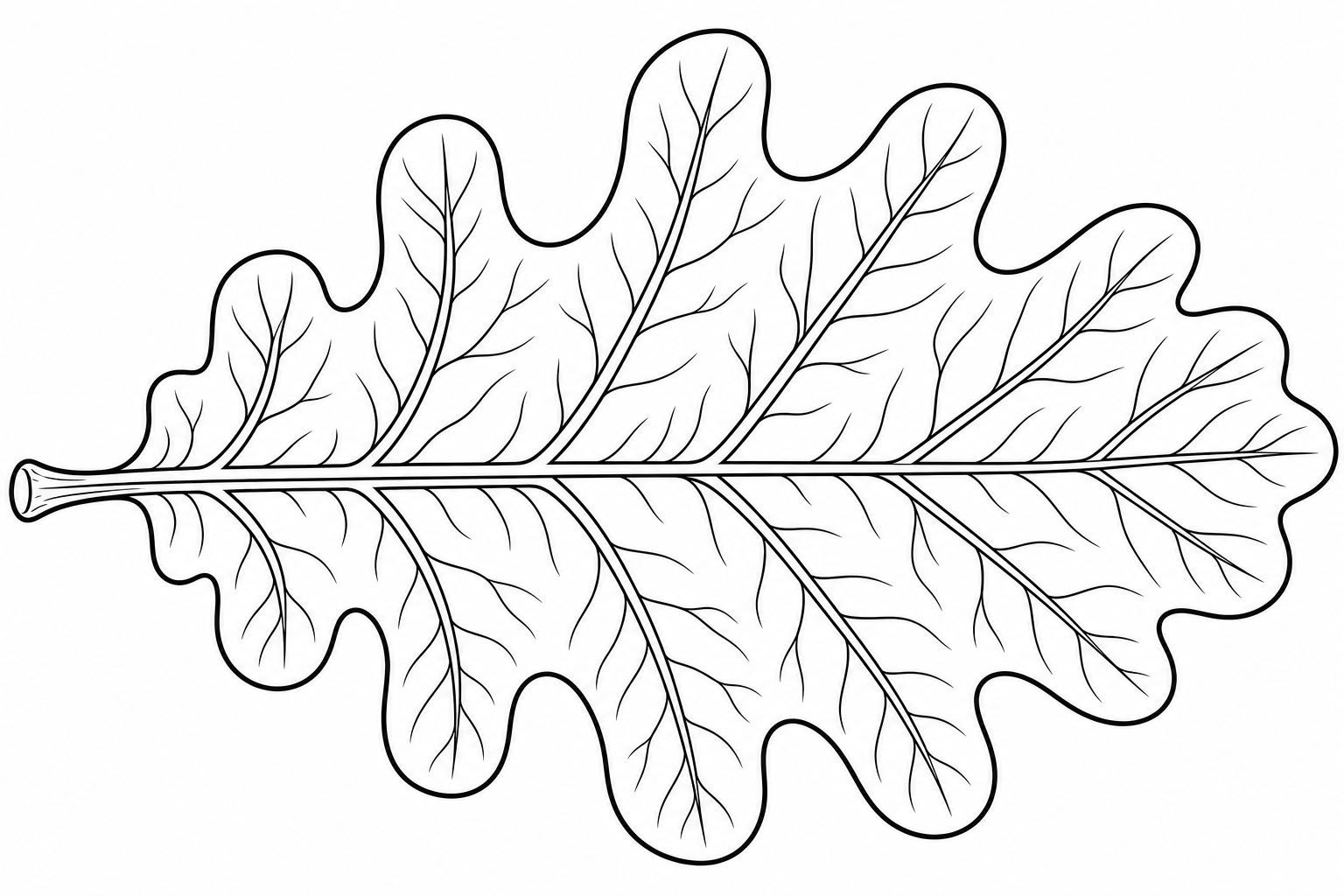
Oaks take their time. They often hold their leaves long after the maples have let go, and they turn quieter colors: russet, bronze, deep brick red. The shape is all soft lobes with no sharp points, which makes oak pages a nice change of pace after the busy stars of a maple. These are good pages for a child who likes to stay inside the lines and work slowly.



Coloring fun for kids — anywhere.
Free for iOS & Android. No ads, no sign-up, offline-ready.


Coloring fun for kids — anywhere.
Free coloring app for kids. iOS and Android, phones and tablets. No ads, no sign-up, even offline.
The little ones: birch, aspen, and a scatter of acorns
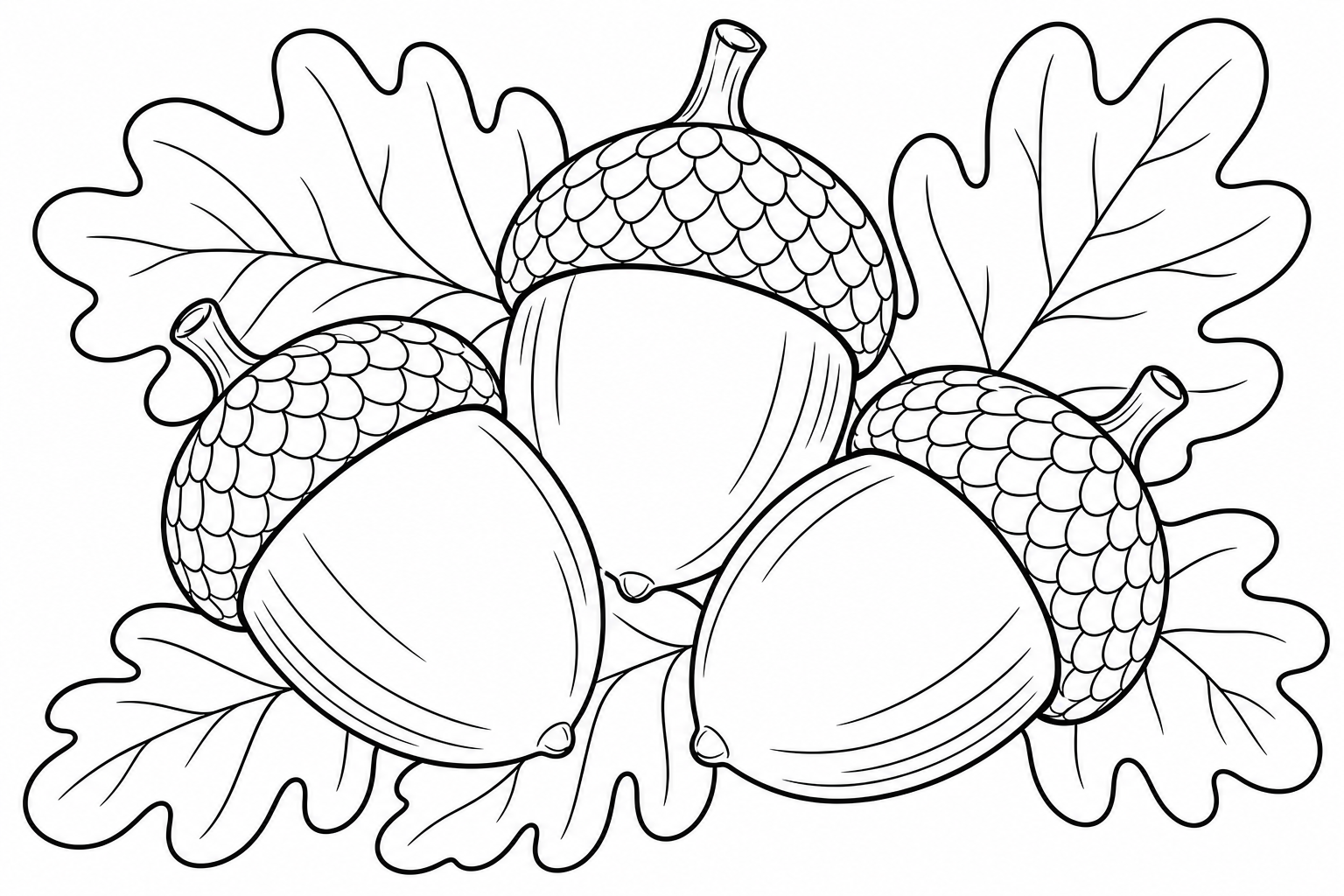
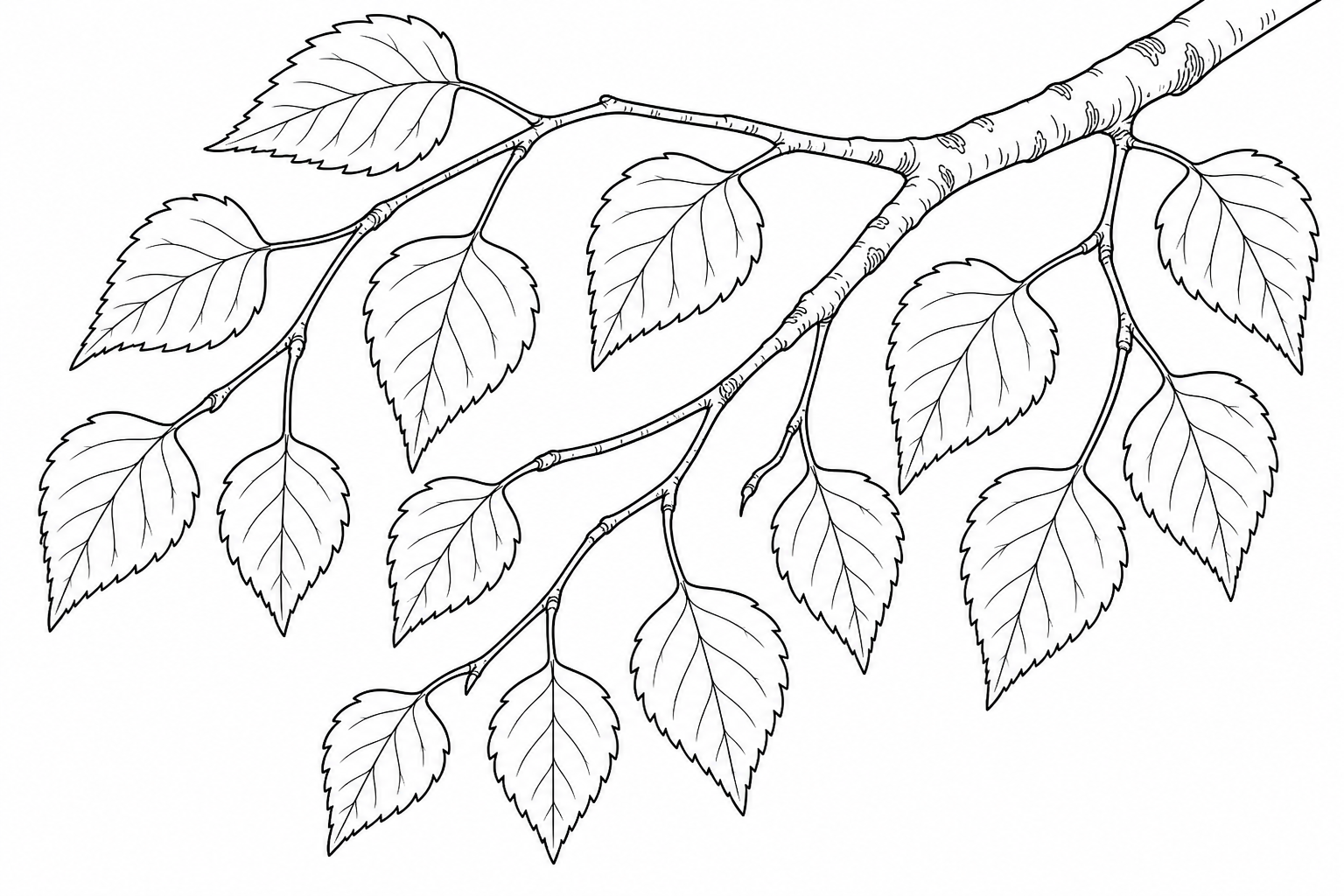
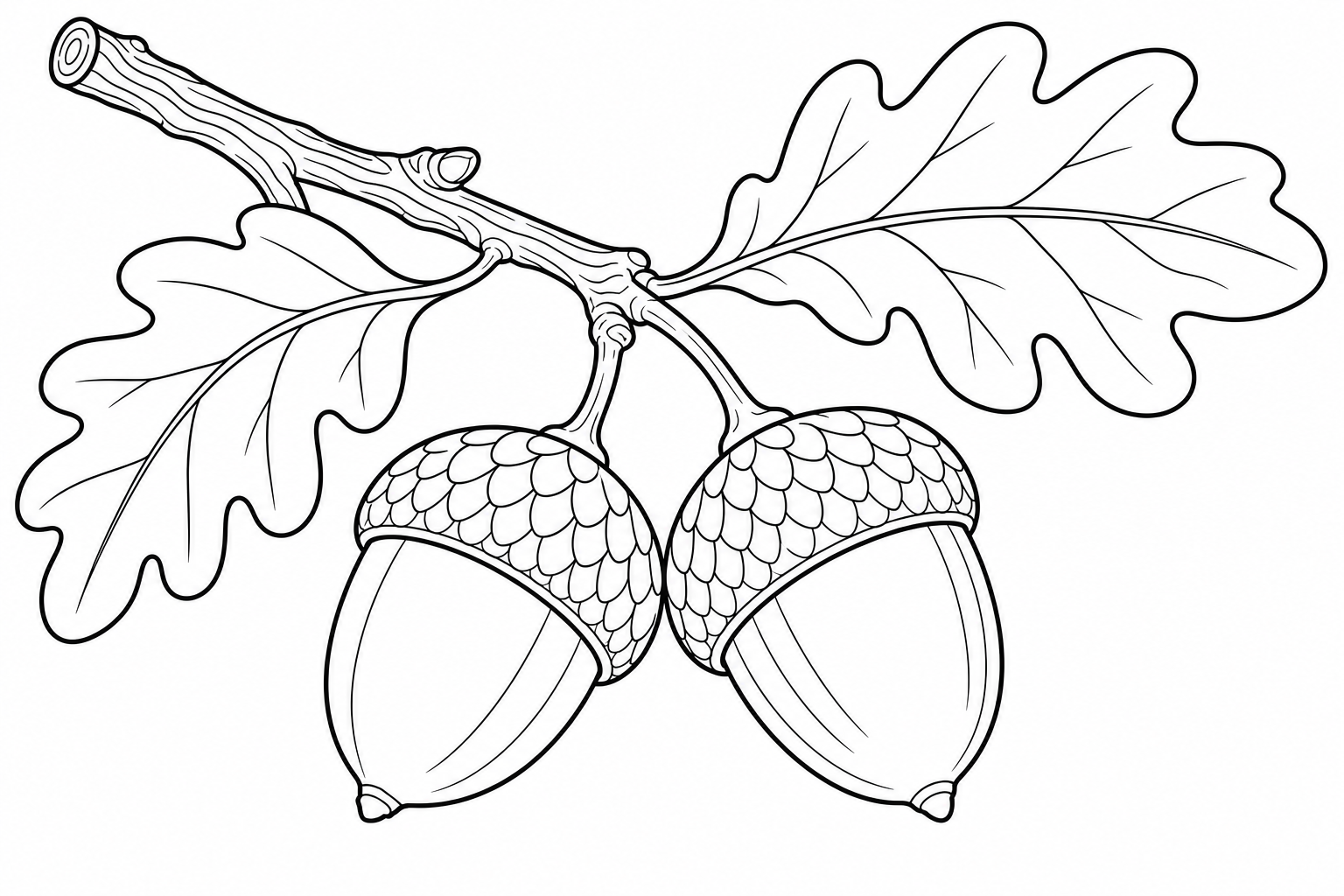
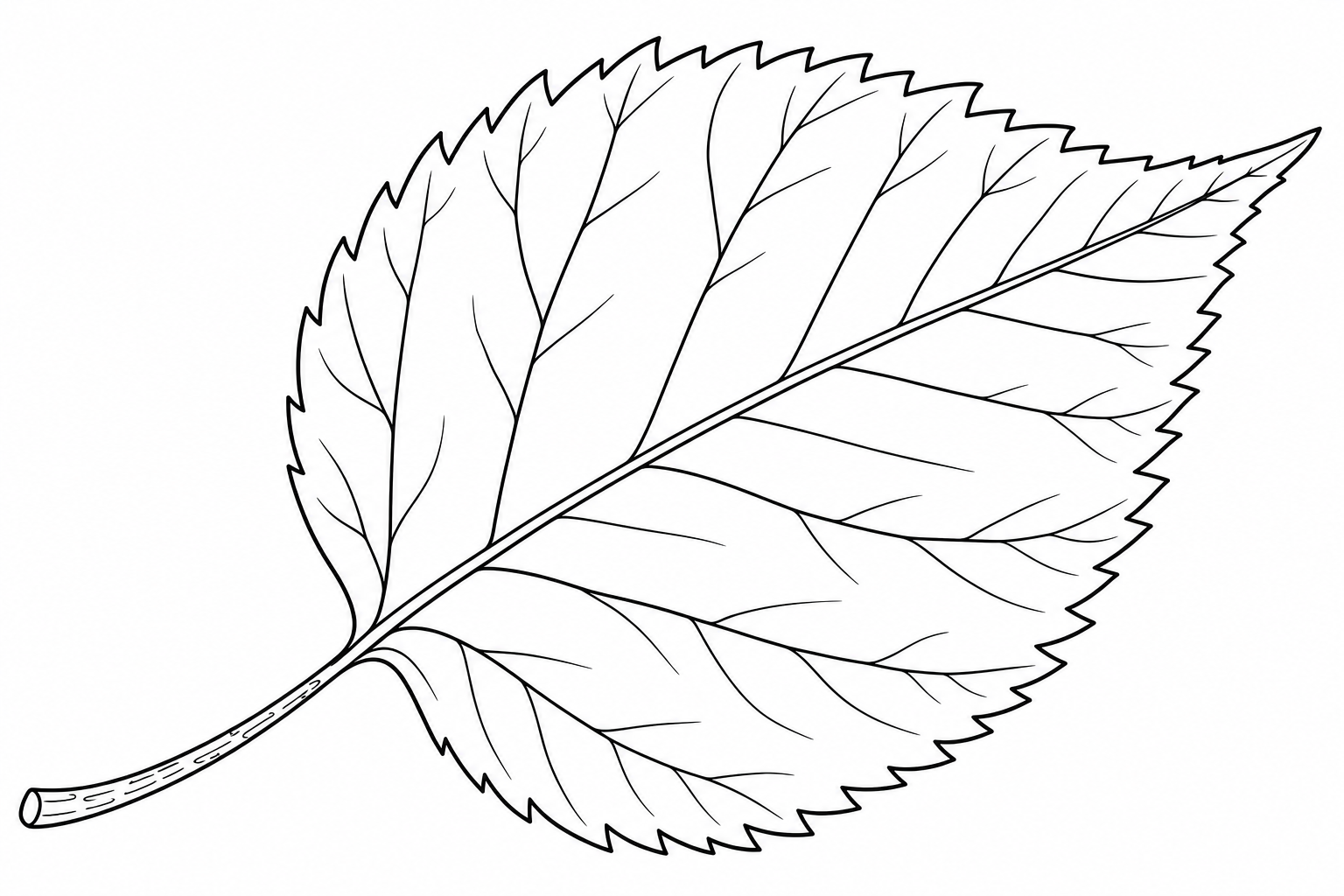
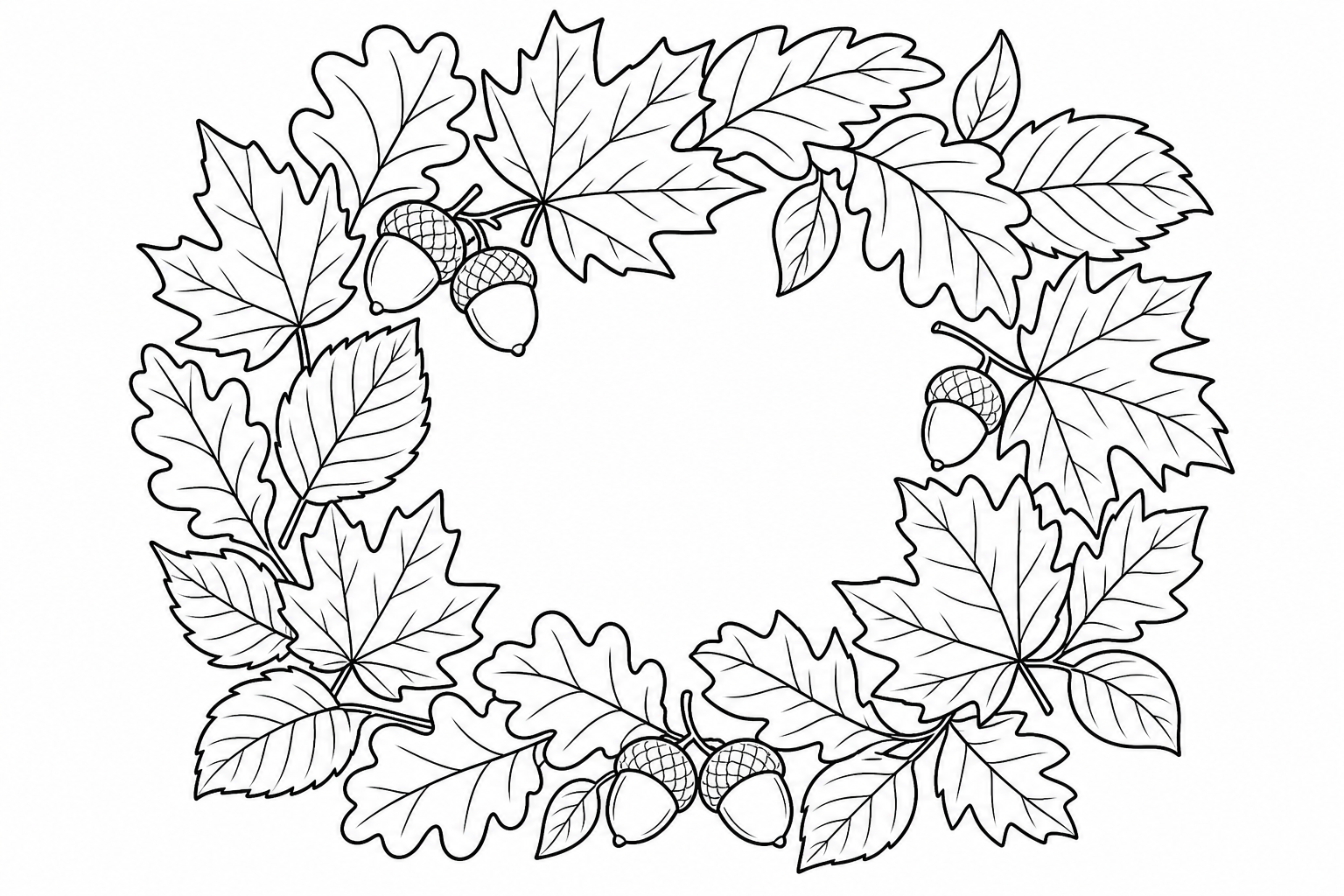
Not every leaf is a showpiece. Birch and aspen leaves are small, almost heart-shaped, with fine teeth around the edge, and they turn a clean bright yellow that lights up a whole tree at once. We tucked a few acorns onto these pages too, because no leaf pile is complete without them. Little leaves are perfect for the youngest colorers: less space to fill, quicker to finish, easy to feel proud of.
Fans and oddballs: ginkgo and sweetgum
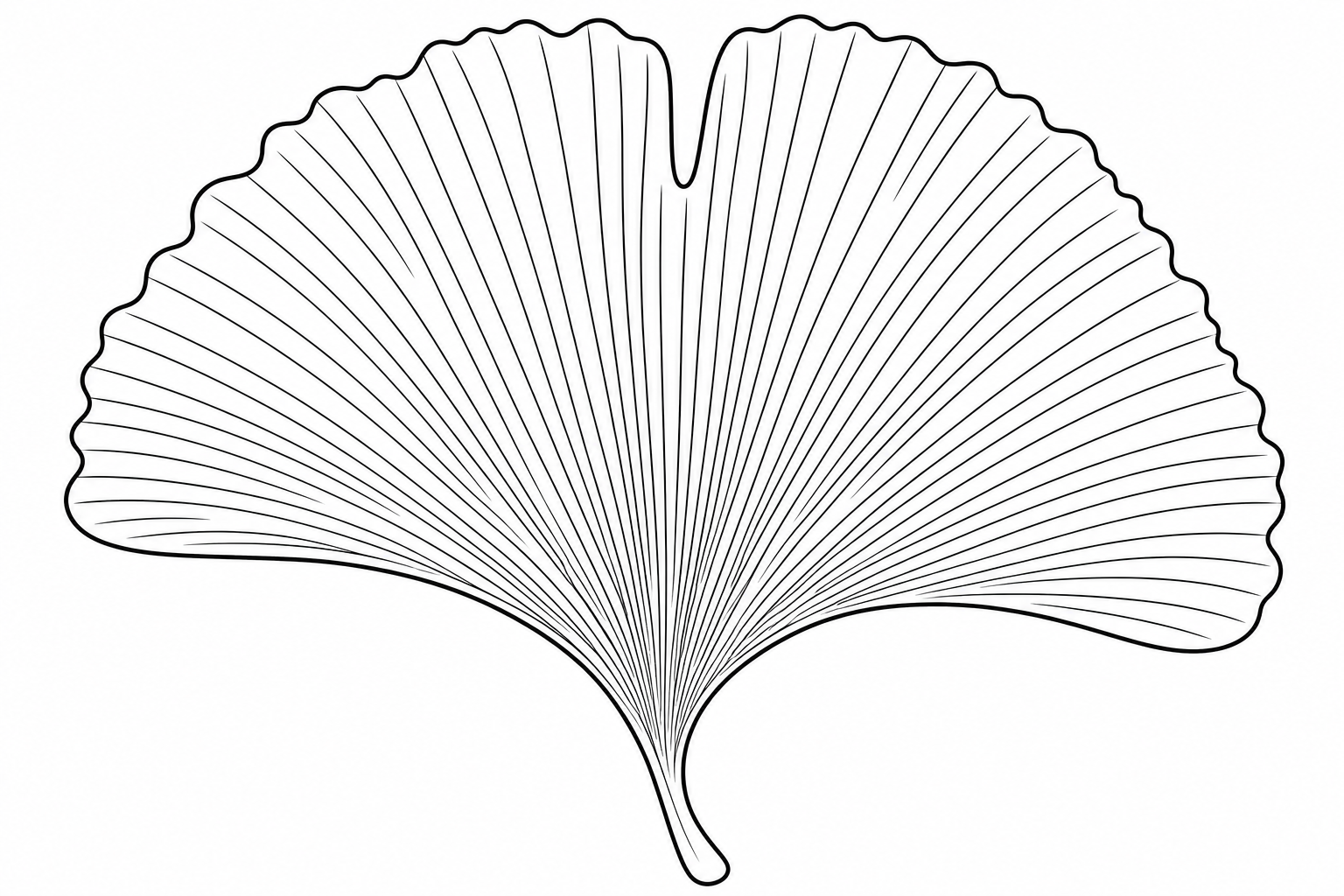
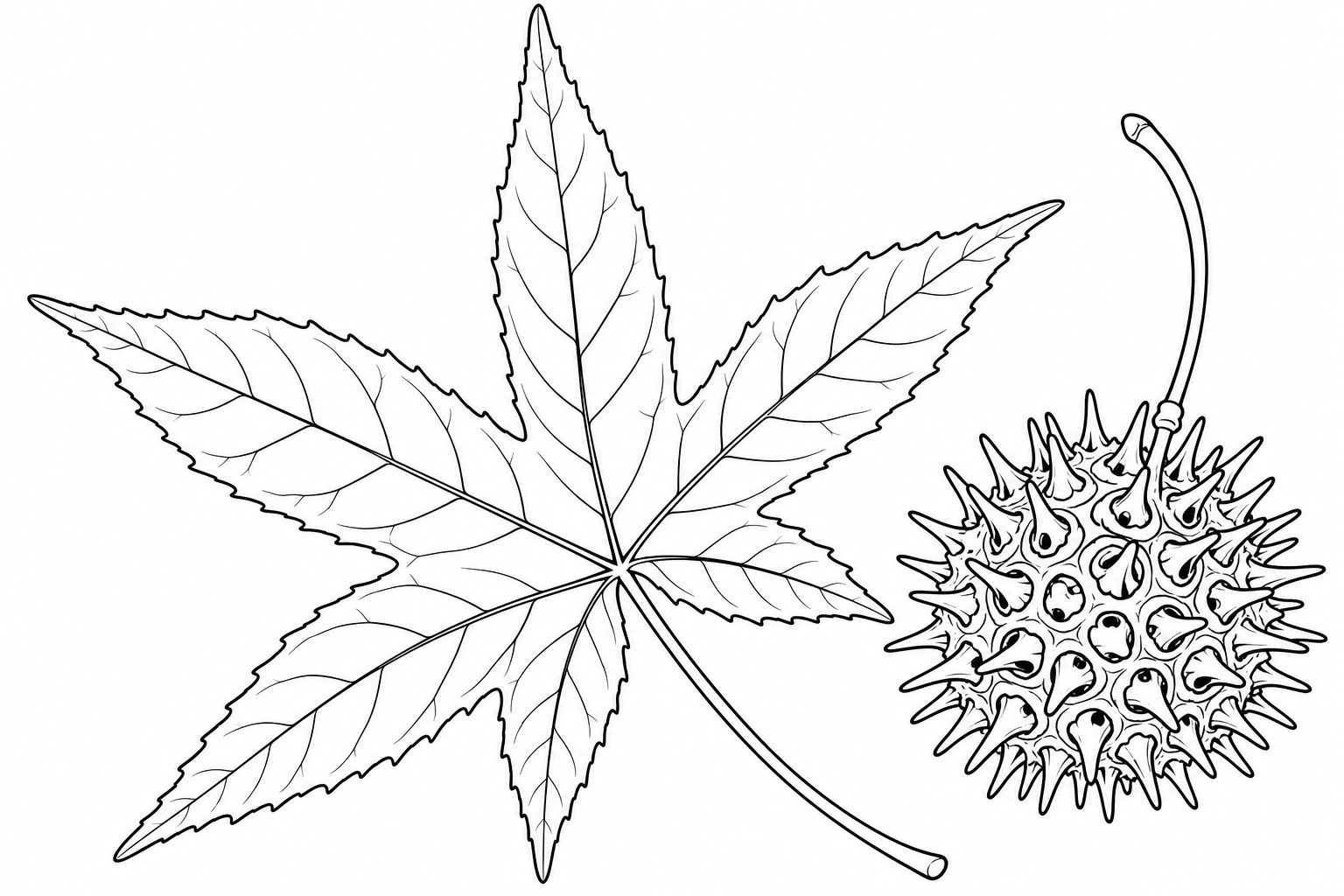
Then there are the leaves that look like nothing else. A ginkgo leaf is a small folding fan with no points at all, and it turns the most even, glowing yellow in the plant world. A sweetgum has five spiky points and often wears purple, red, and orange on the same leaf, so it is the one page where all the colors at once is the honest choice. Save these for the kid who is bored of ordinary.
What else could you color?
Pick a prompt or type your own — opens in a new tab.
Print them, and let the colors land wherever they land
There is no peak week to wait for and no palette to get right. Print a stack, spread the crayons in the middle of the table, and let each kid decide what autumn looks like to them. Some will color by the book. Some will make a purple maple. Both of them are looking at a real leaf.