A kid who loves one particular dog rarely wants a generic one. They want the neighbor's dog with the crooked ear, or grandma's old spaniel who sleeps under the kitchen table. The quickest way to hand them the right page is to sort by shape. A dog's outline gives it away before a single color goes down: the pointed ears, the long stretched back, the puff of fur at the tail. Find the silhouette first and the rest almost colors itself.
The fluffy ones
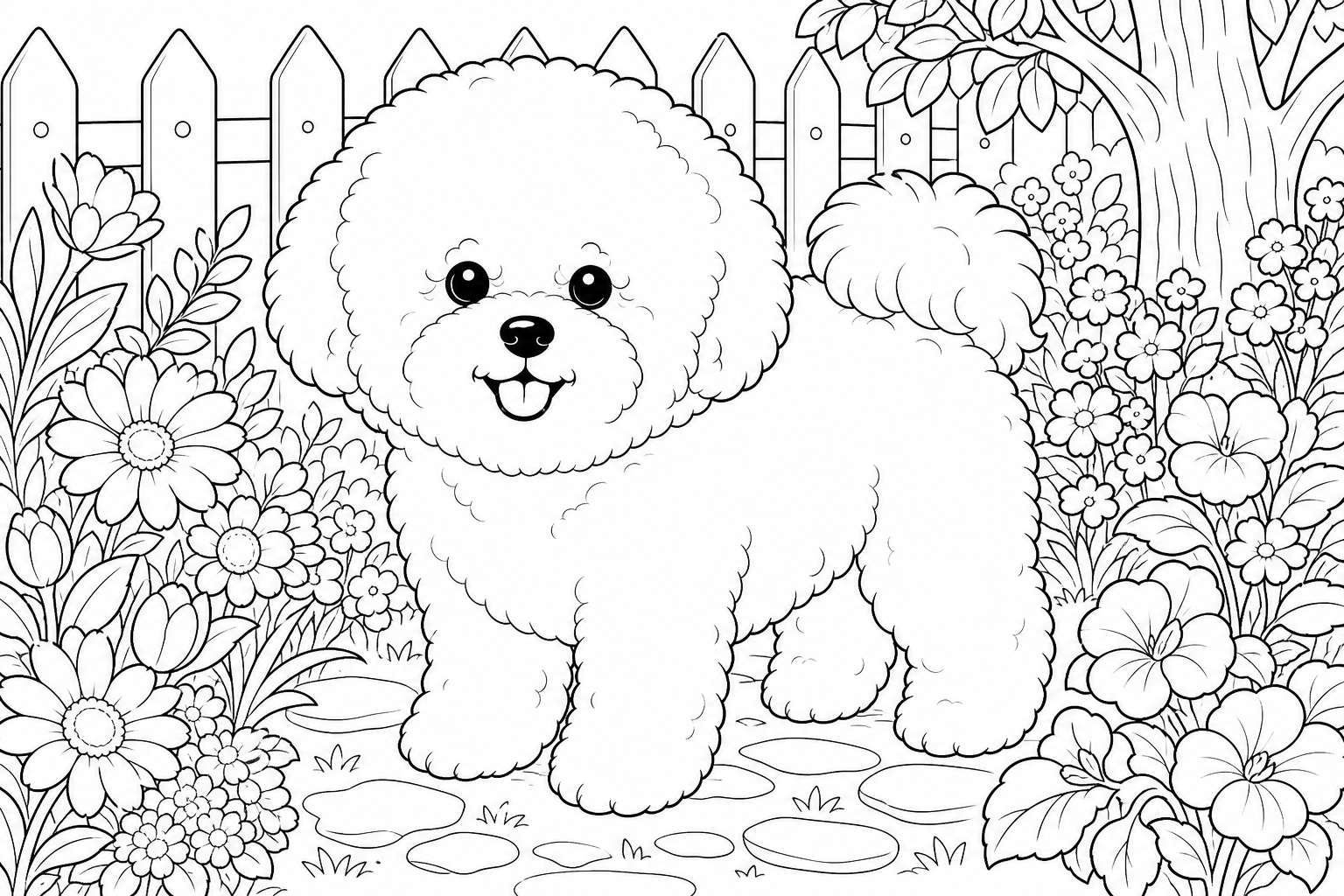
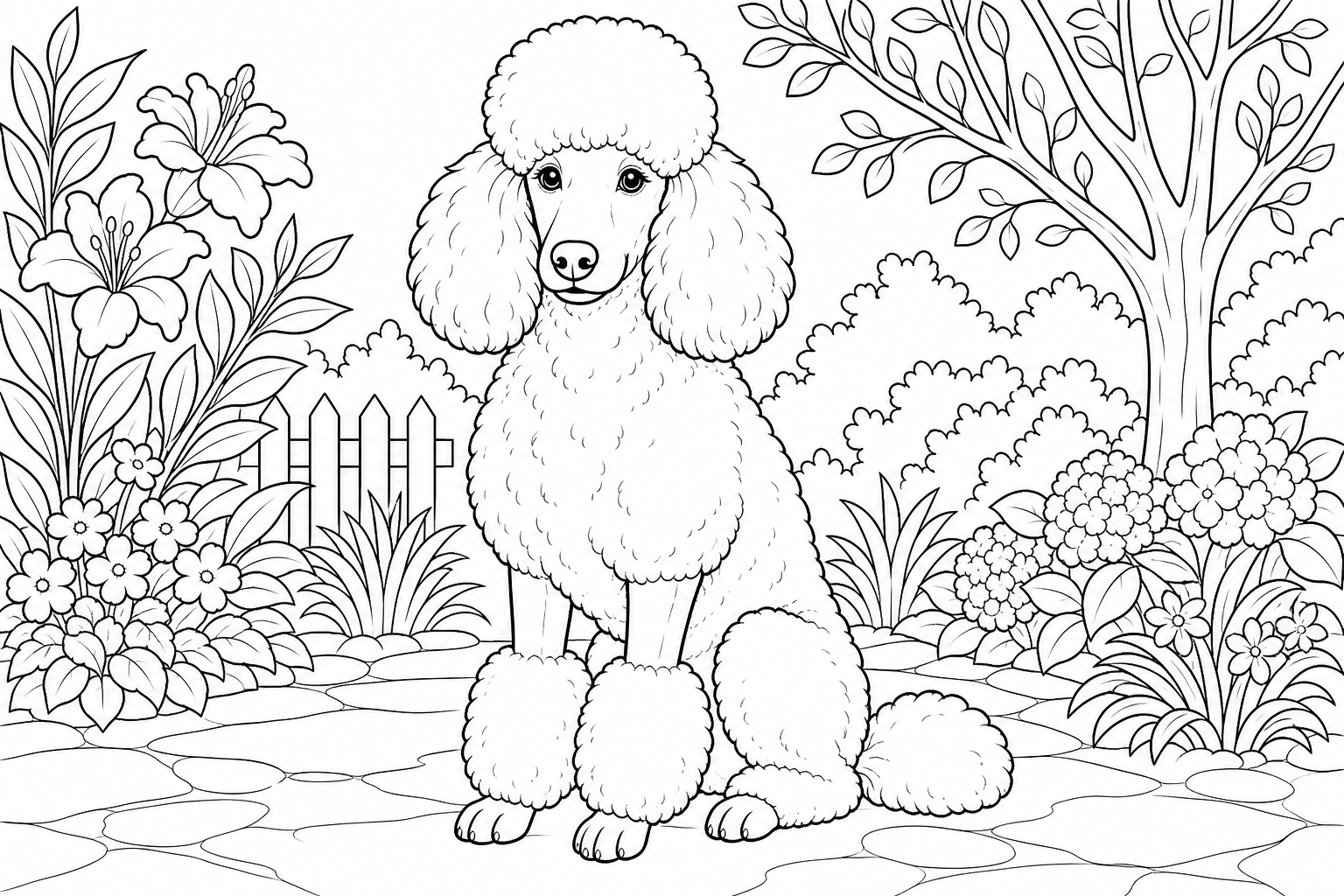
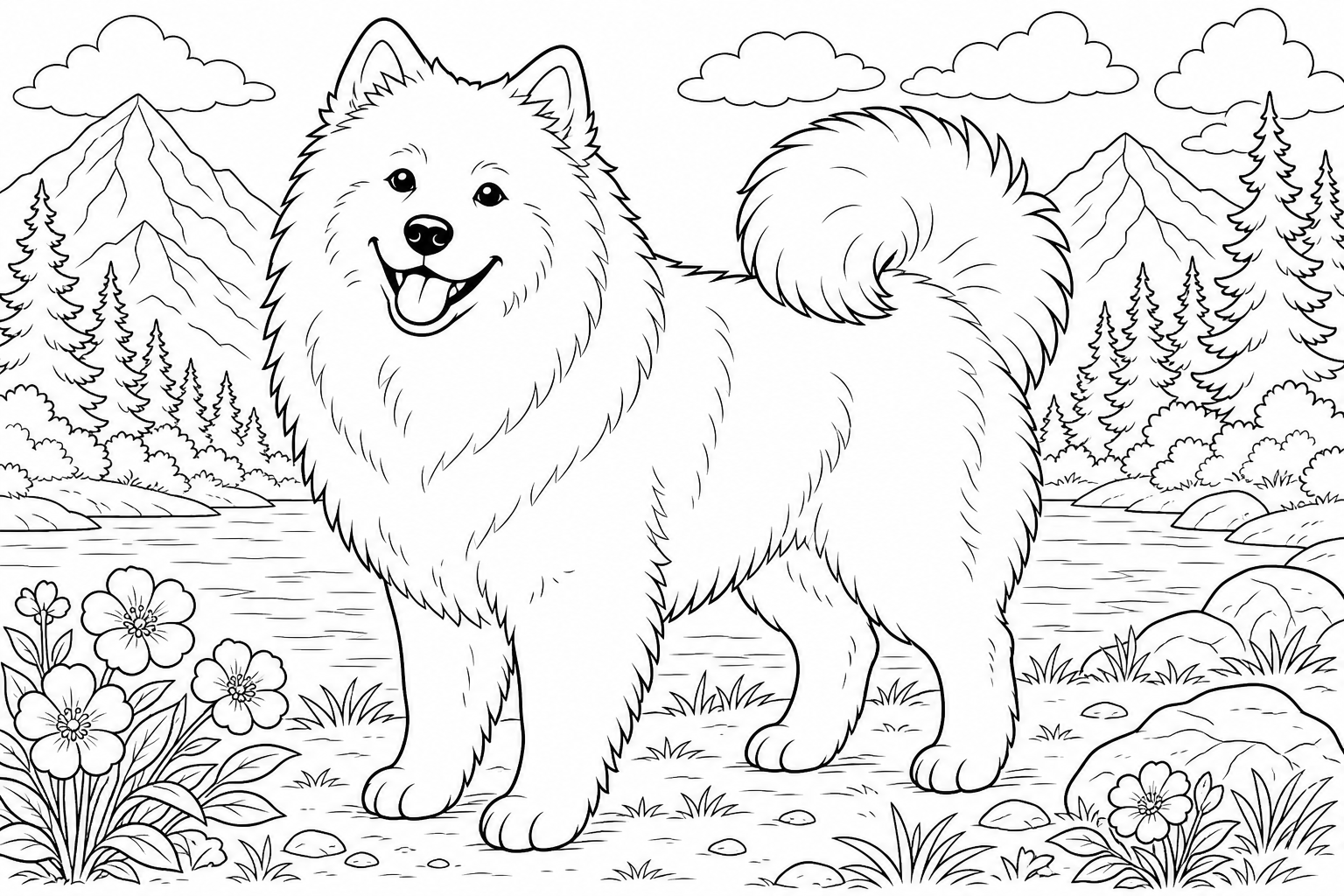
Poodles, samoyeds, pomeranians, a bichon that looks like a cloud with legs. These outlines are all curves and puffs, without a straight edge anywhere. That makes them forgiving to color, because there is no crisp line to stay inside and no wrong place for a curl of fur. Little kids can scribble the whole coat and it still reads as soft. Older kids can leave patches of white paper so the fur looks lit from one side.
The long and low ones
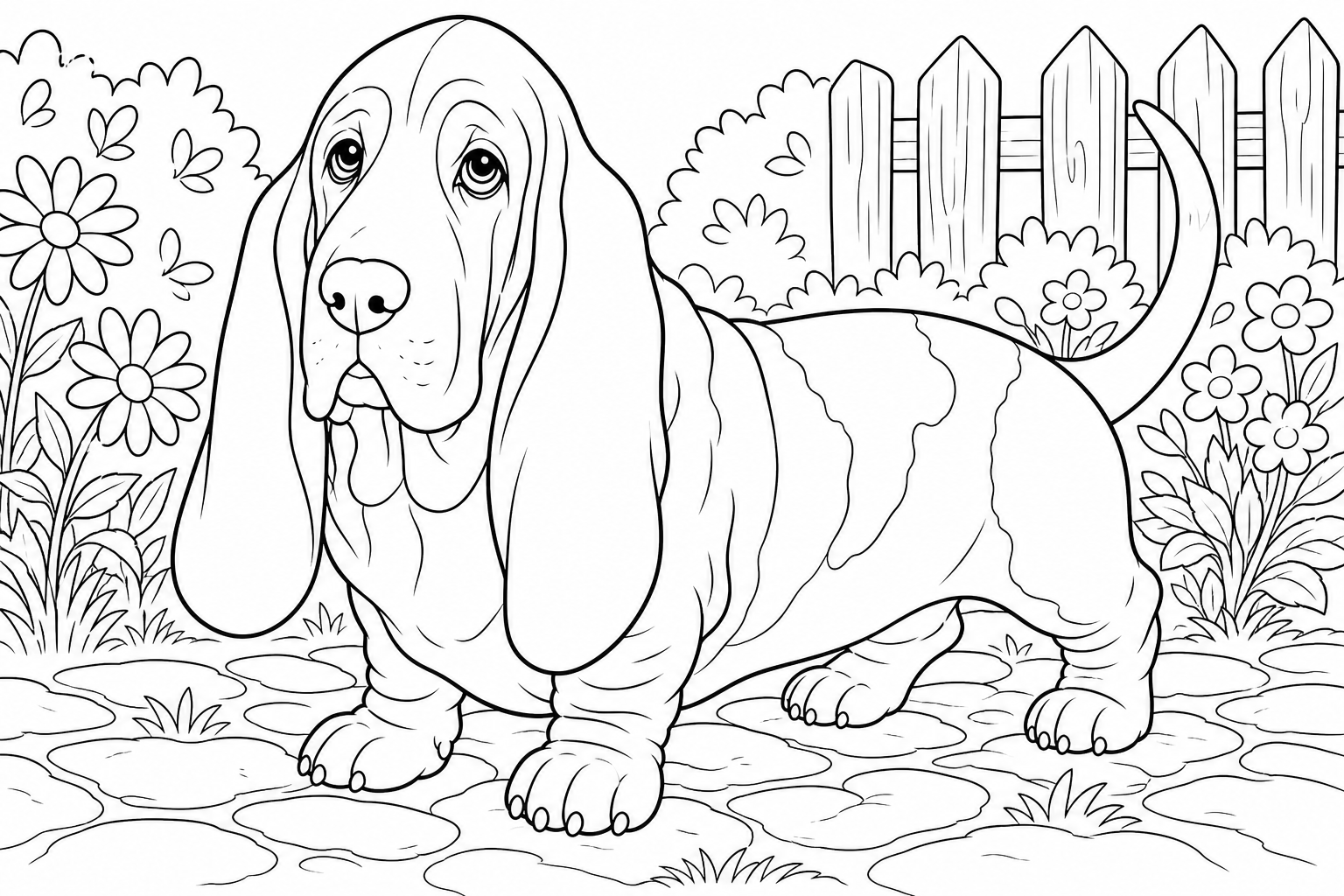
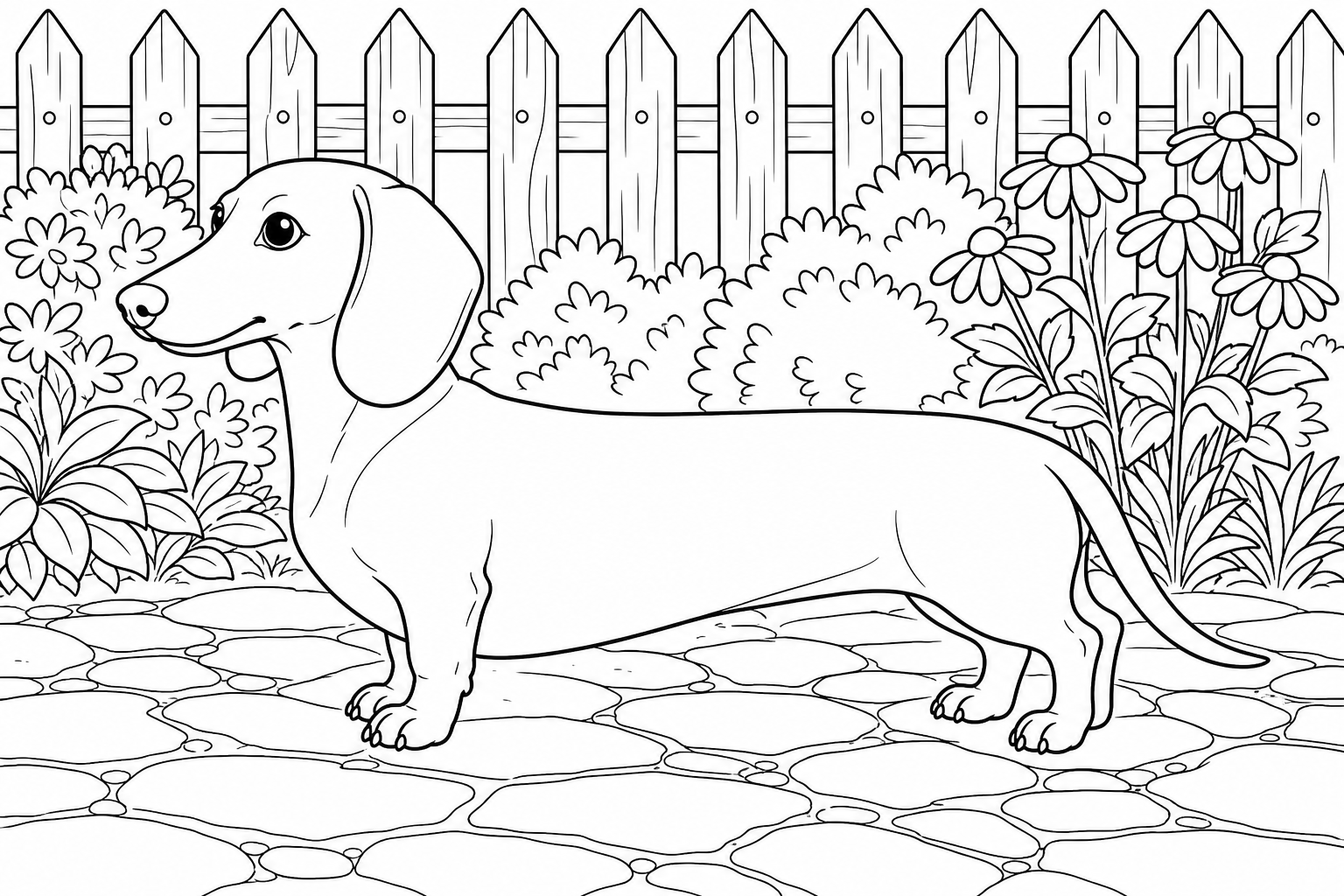
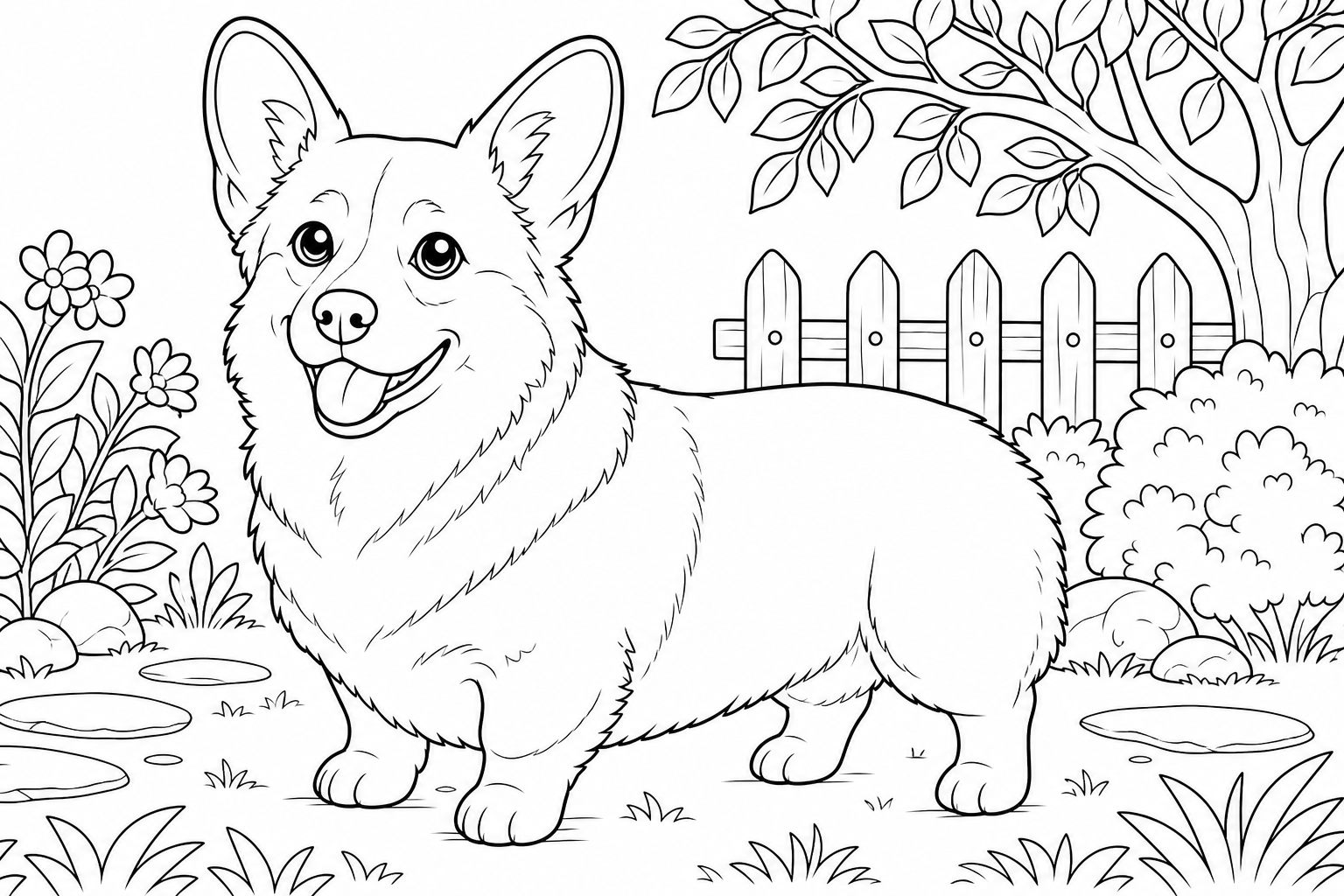
Dachshunds, corgis, basset hounds. The body runs long, the legs shrink, and the whole dog turns into a happy joke before you even start. Kids recognize this shape instantly, which is half the fun. A dachshund gives you one clean stripe of back to fill in a single confident sweep. A corgi hands you those upright ears and a chest built like a barrel.



Coloring fun for kids — anywhere.
Free for iOS & Android. No ads, no sign-up, offline-ready.


Coloring fun for kids — anywhere.
Free coloring app for kids. iOS and Android, phones and tablets. No ads, no sign-up, even offline.
The big working dogs
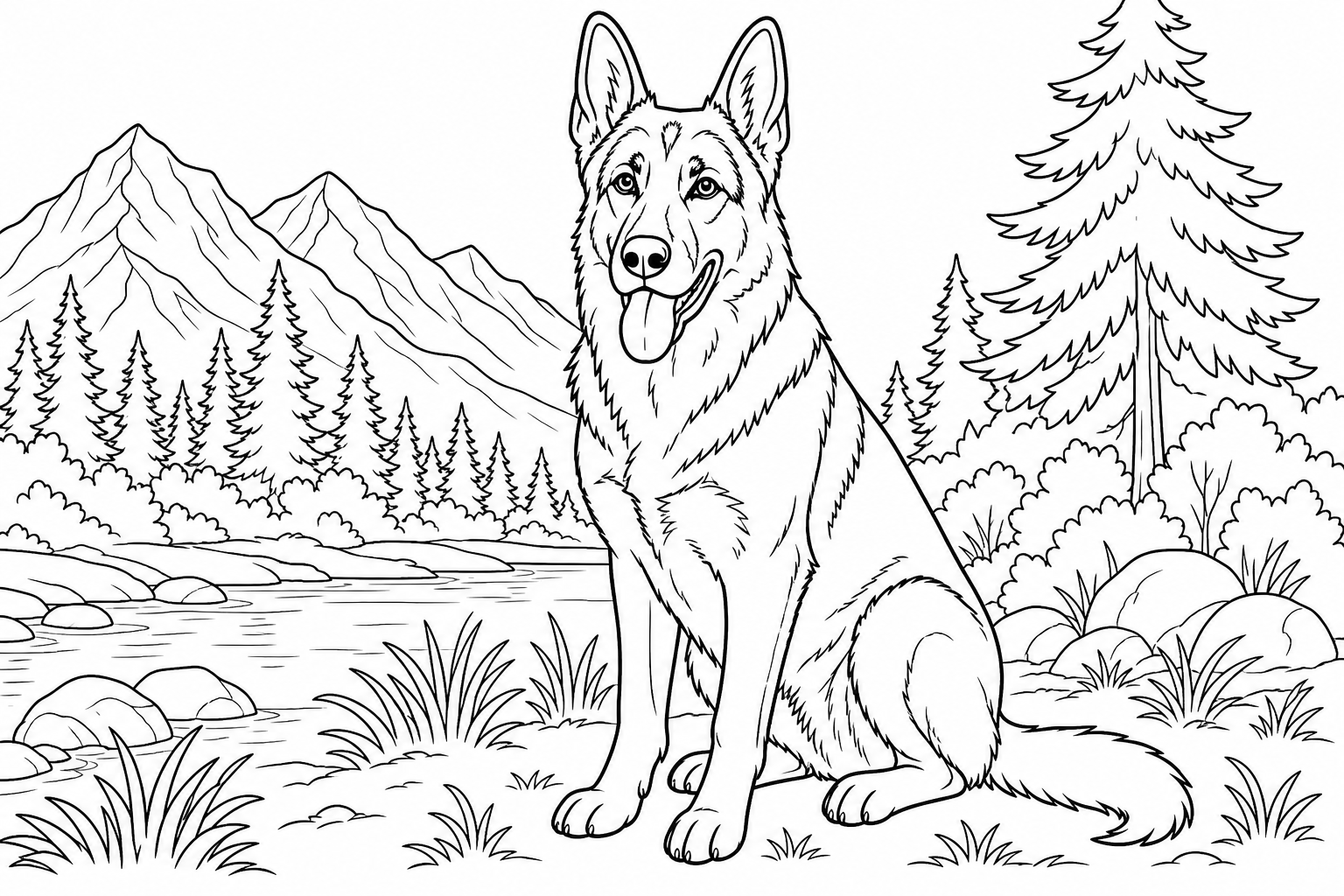
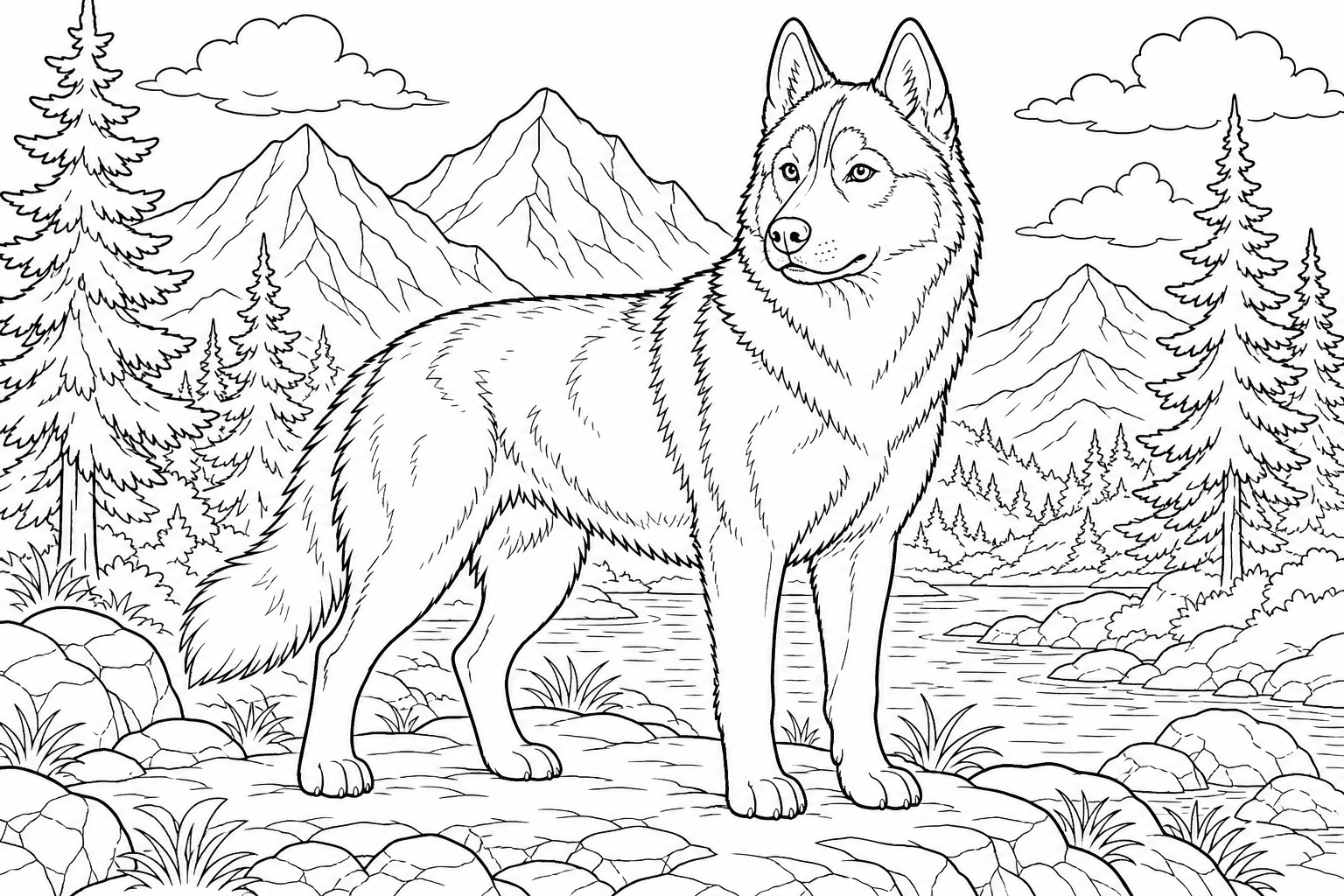
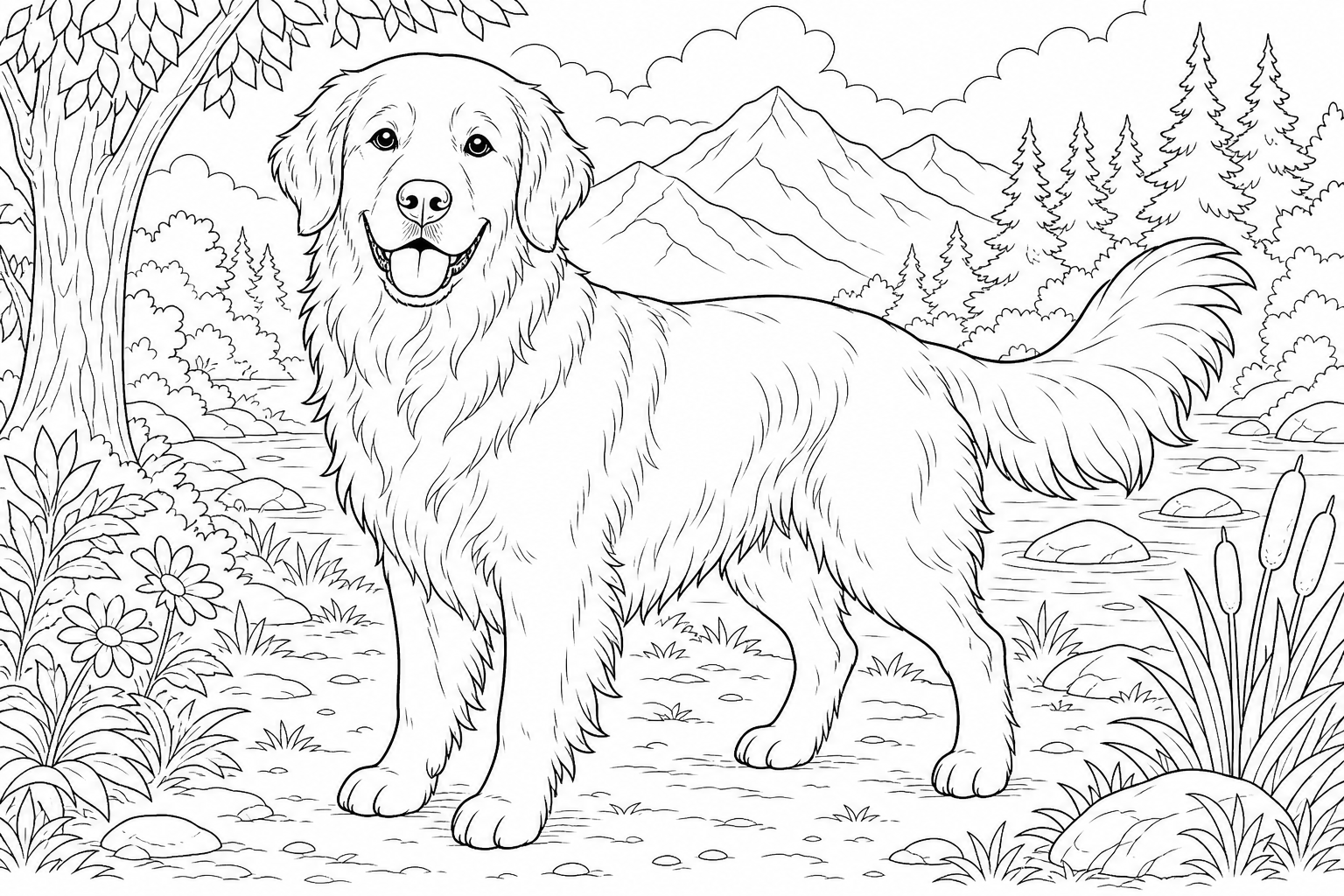
Huskies, German shepherds, golden retrievers, the occasional great dane taking up the whole page. Broad chests, ears standing tall, thick coats with real direction to them. These are the pages for a child who wants to slow down and shade, letting a coat shift from dark along the spine to lighter underneath. If your kid is chasing that kind of detail, here is how to color a coat for real-looking fur.
The spotty and patterned ones
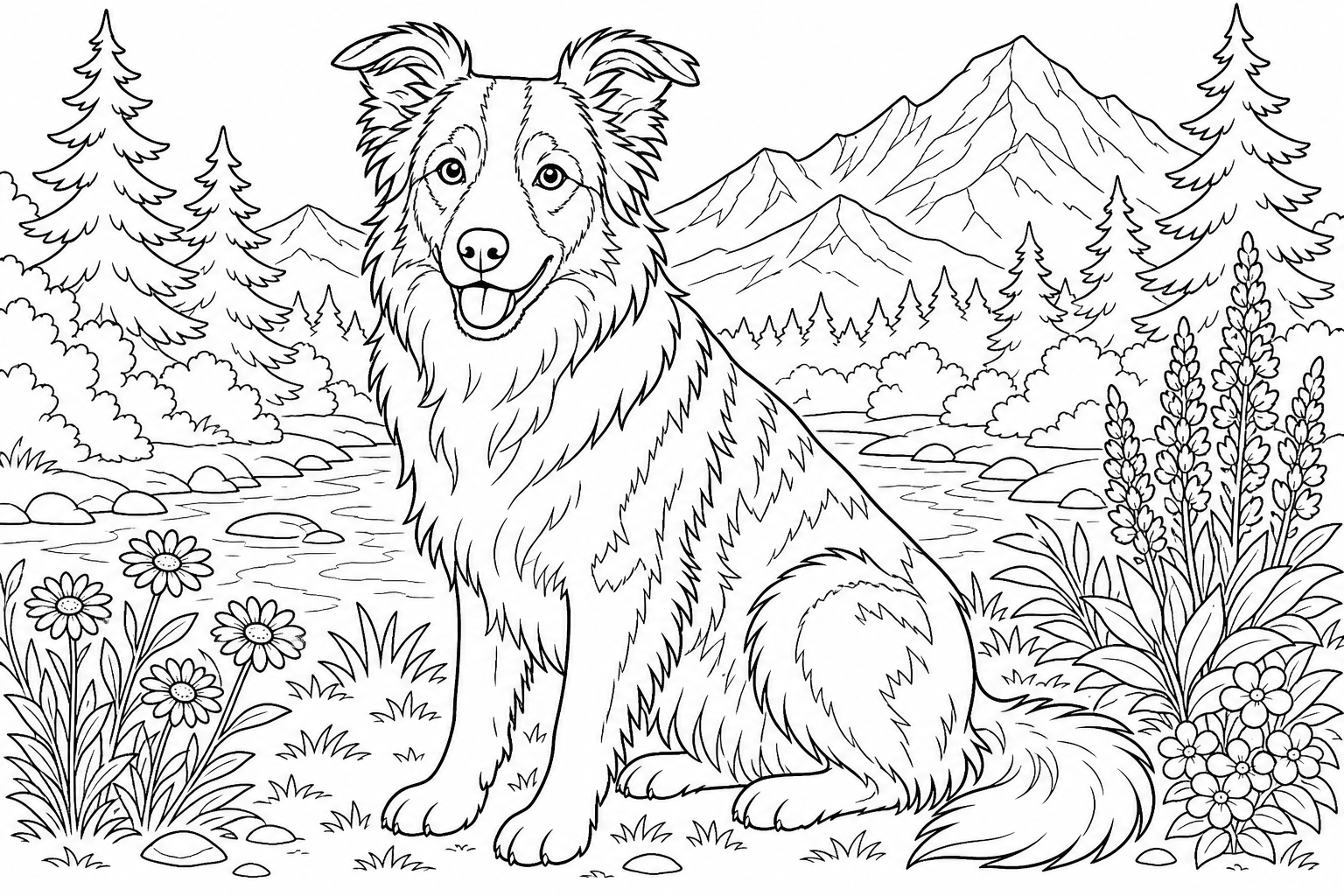
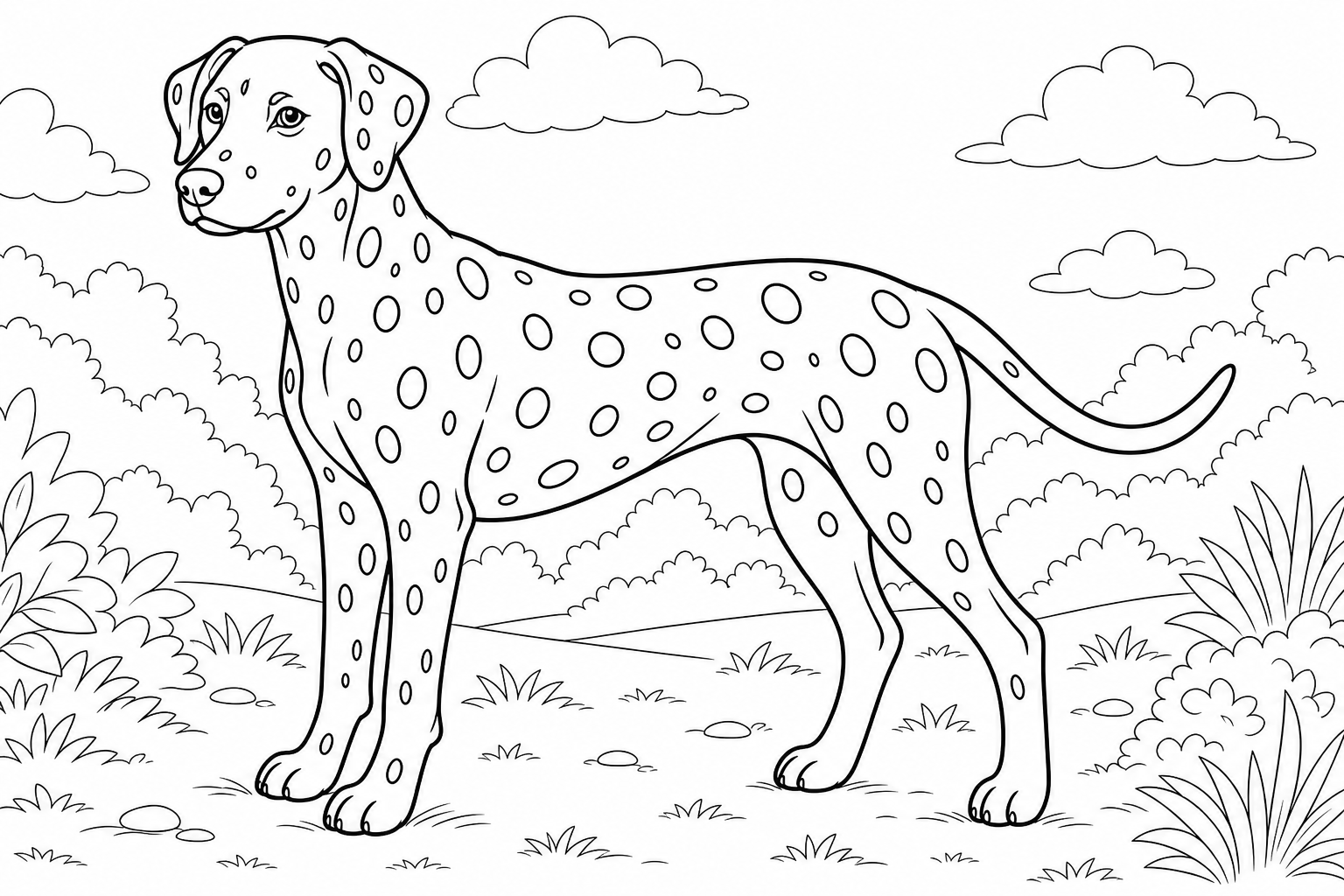
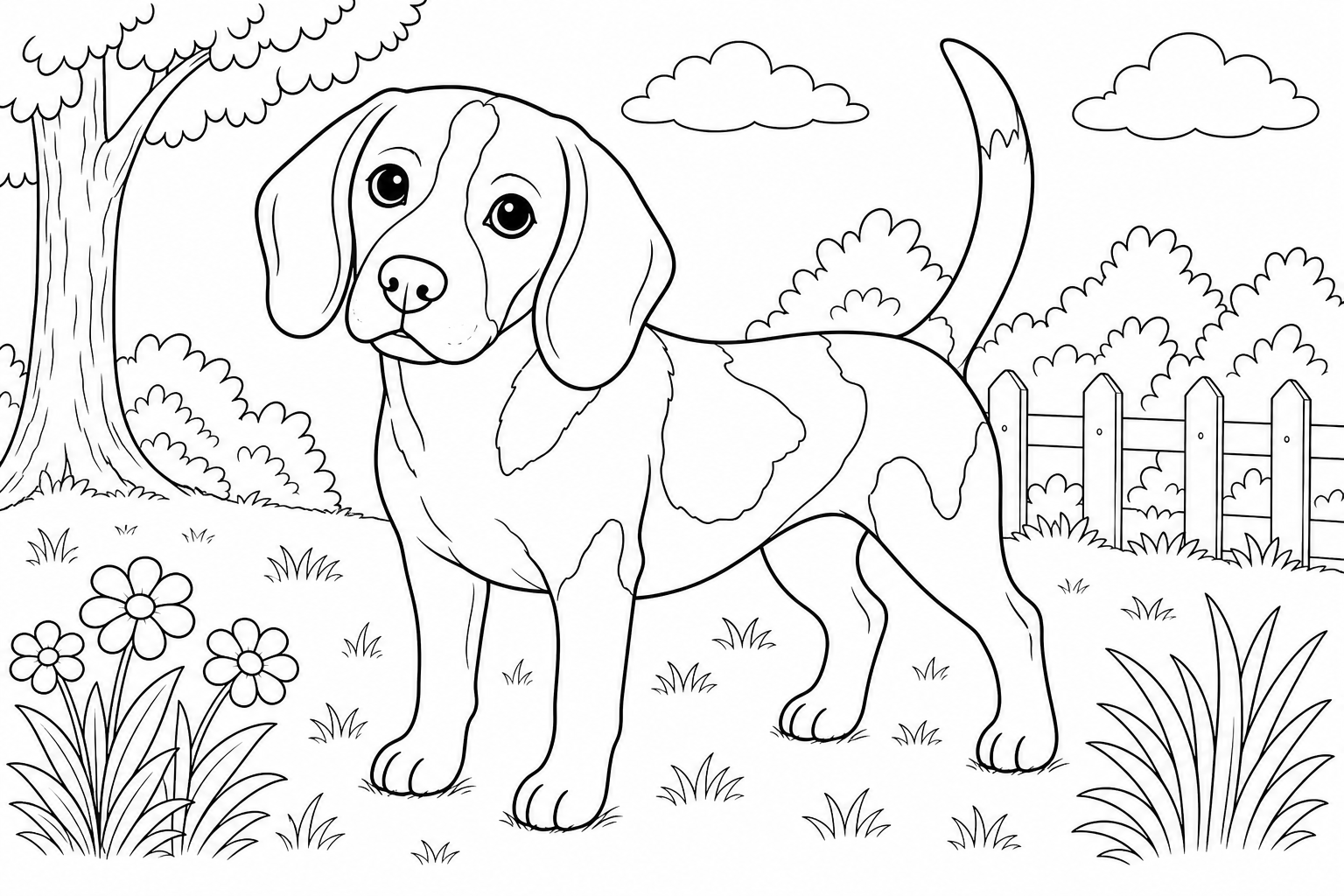
Dalmatians, beagles, border collies. The outline is plain, and then the marks turn the page into a puzzle. Where do the spots go, how big, how many. A dalmatian is the boldest version, black on white, nothing subtle about it. A beagle asks for three colors that meet in soft patches. This is the section that keeps a focused kid busy the longest.
The puppies
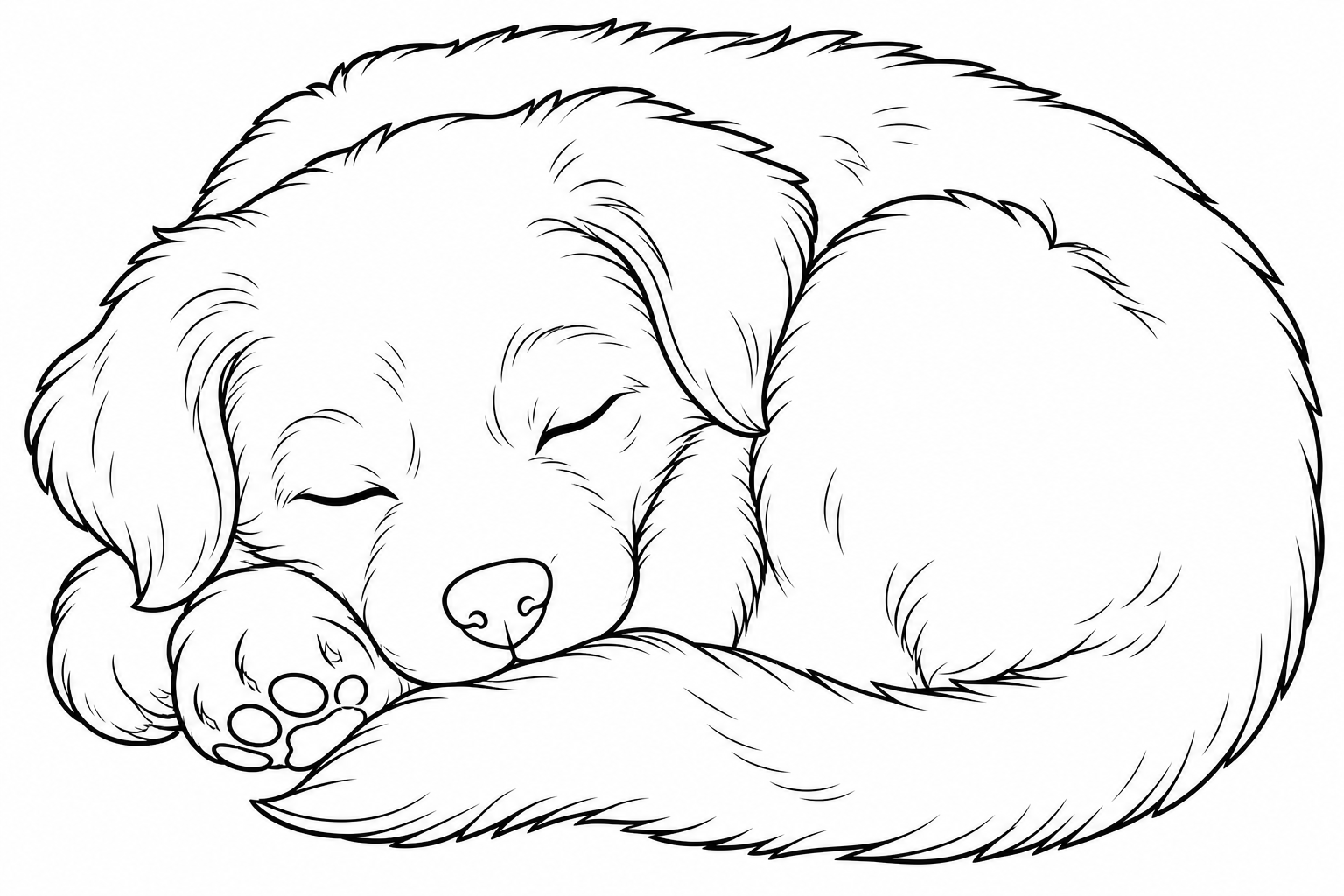
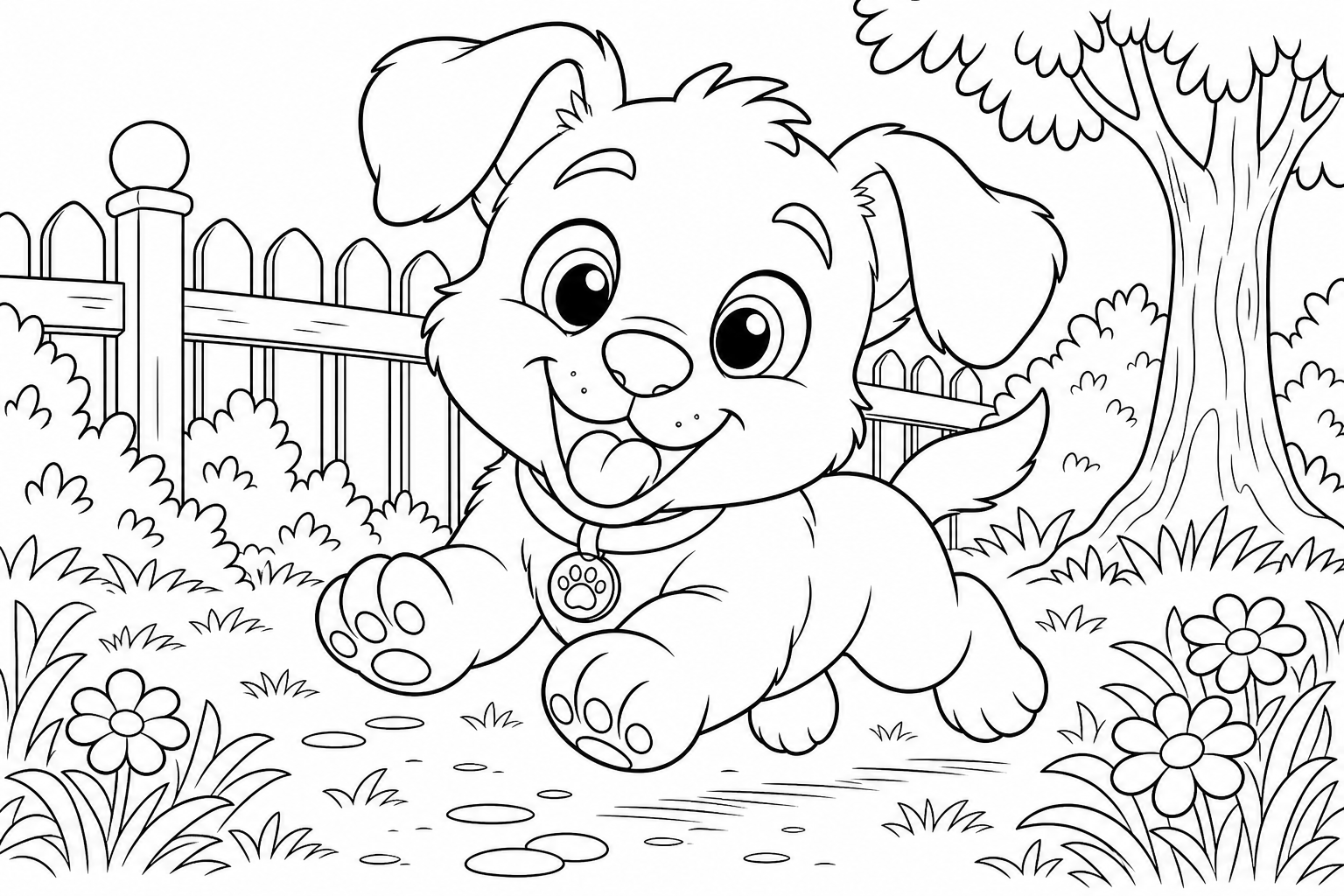
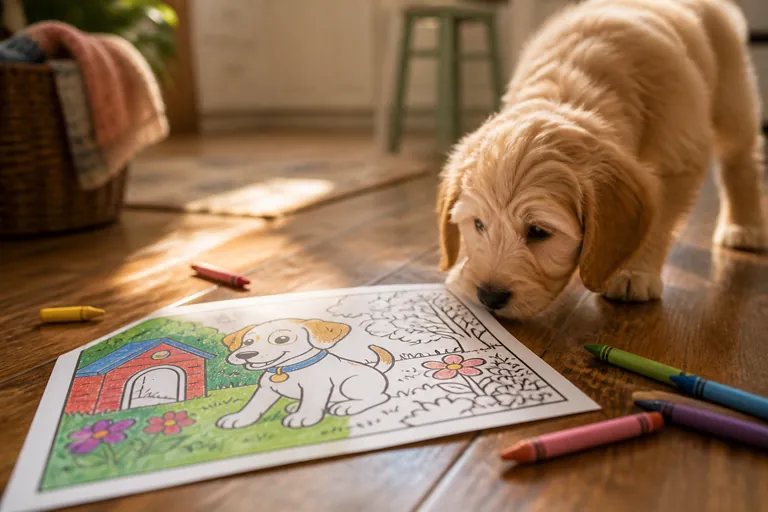
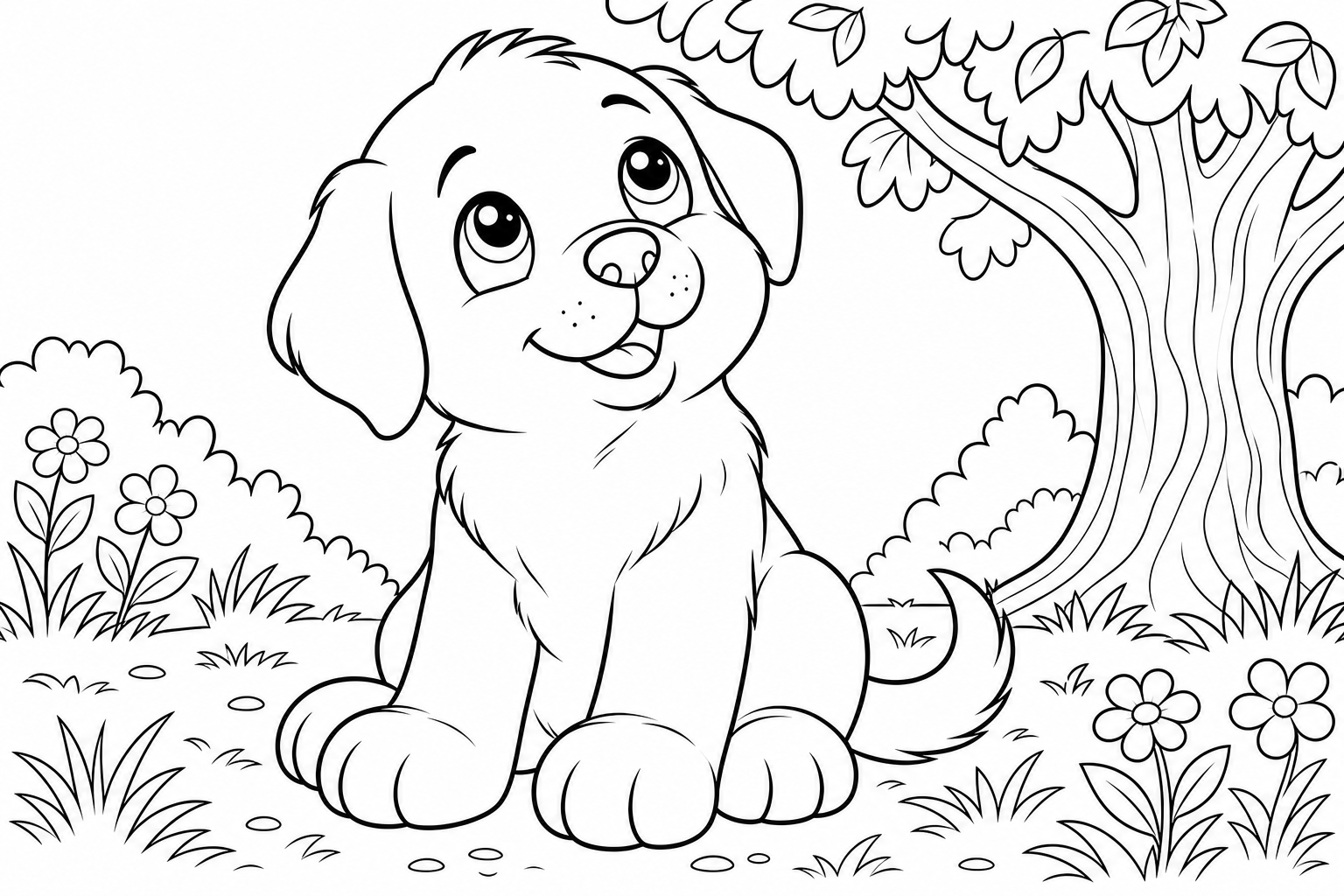
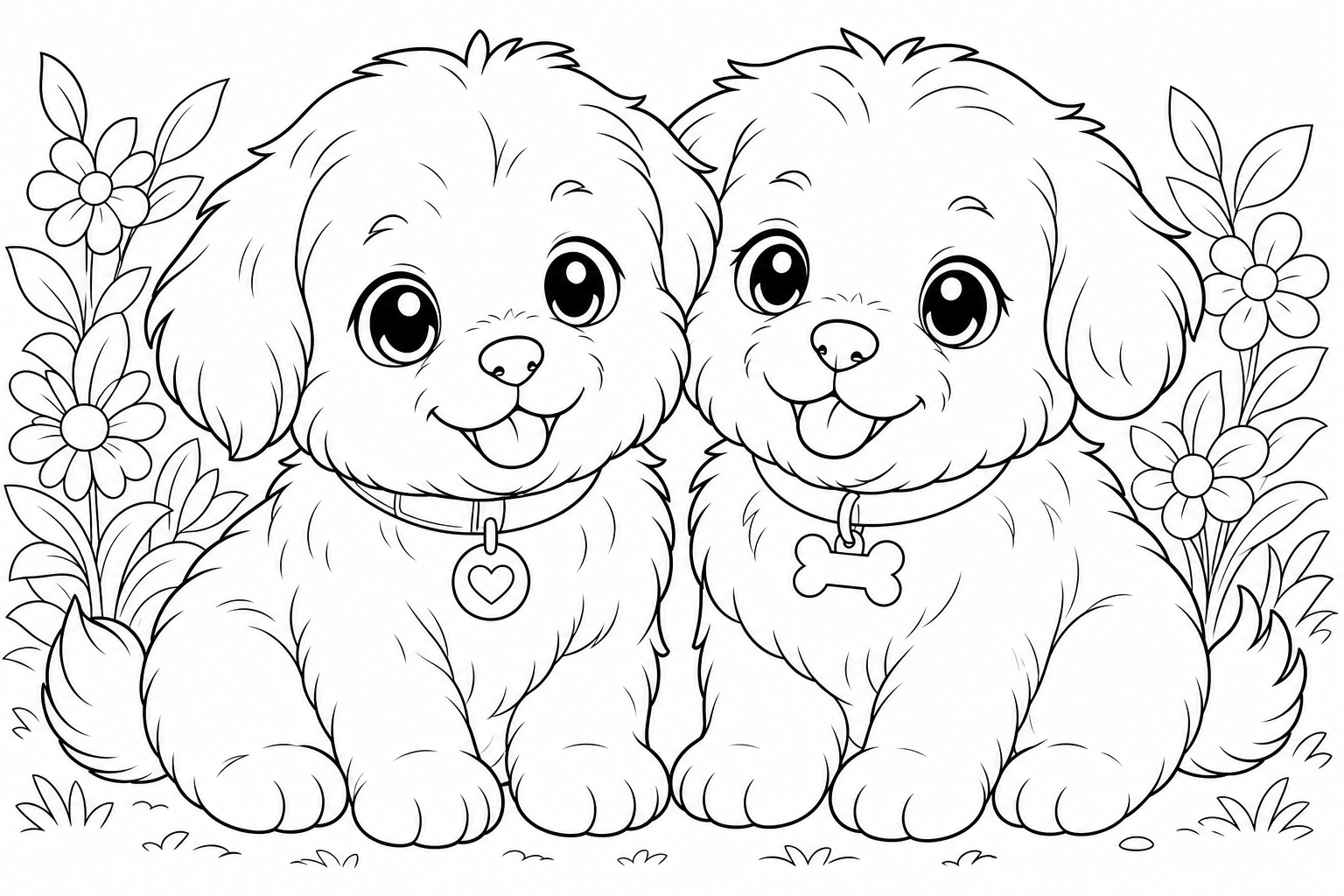
Every breed shows up here, only rounder. Big heads, soft oversized paws, legs too short for the body. Puppies are drawn with the fewest, largest shapes, which makes them the easiest pages in the whole set and the best fit for the smallest hands. A toddler still learning to hold a crayon can fill one big shape and feel finished.
Spot the dog by its outline
Not sure which section a real dog belongs to? Start with the silhouette and work backward.
| Silhouette | What gives it away |
|---|---|
| The fluffy ones | A curved, cloud-like outline with no straight edges |
| The long and low ones | A body far longer than it is tall, on stubby legs |
| The big working dogs | Ears standing up, a broad chest, a strong straight back |
| The spotty ones | A plain shape that becomes a puzzle once you add the marks |
| The puppies | An oversized head and paws on a small round body |
Picturing one dog in particular? Type it in and go straight to it.
What else could you color?
Pick a prompt or type your own — opens in a new tab.
Print the whole pack
Pick the shape that matches the dog you know, or print a few and let your kid decide who gets colored first.