Ask a kid which crayons feel like a summer afternoon and which feel like the shady side of a snowbank. Most of them sort the box faster than you would expect. They reach for red, orange and yellow for the warm pile and blue, green and purple for the cool one, and they are almost never wrong. That instinct has a name in art, and once a child knows it, they start using color on purpose instead of by accident.
What makes a color warm or cool
Warm colors are the ones that show up in warm things. Fire, the sun, a slice of watermelon, a pumpkin. Red, orange and yellow live on this side. Cool colors show up in cool things. Water, ice, deep shade under a tree, the sky at dusk. Blue, green and purple live over here.
You do not have to memorize which is which. You can feel it. Hold a red crayon in one hand and a blue crayon in the other and imagine each one as a room. The red room feels closer and louder. The blue room feels calmer and further away. That feeling is the whole idea.
All of these colors live on the color wheel, and the warm ones sit together on one half while the cool ones gather on the other. Splitting the wheel down the middle is the quickest way to see the two teams.
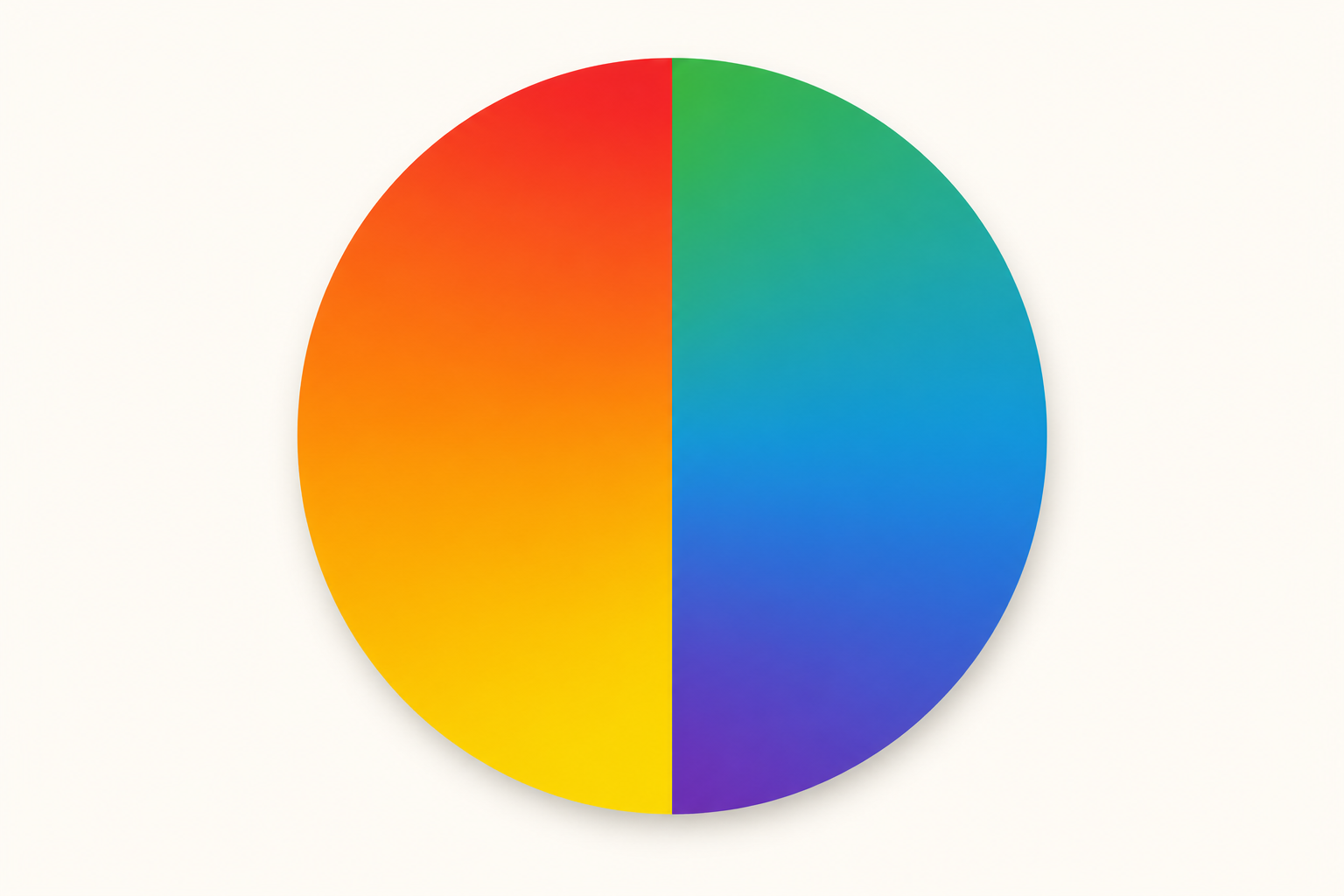
| Warm side | Cool side |
|---|---|
| Red, orange, yellow | Green, blue, purple |
| Fire, sun, watermelon | Water, ice, evening sky |
| Feels close and lively | Feels calm and far away |
Sort your crayons into two piles
This is a five-minute game, and it teaches more than any poster.
- 1Tip the whole crayon box onto the table.
- 2Make a warm pile and a cool pile. If a crayon reminds you of fire or the sun, it is warm. If it reminds you of water or ice, it is cool.
- 3Put the tricky ones in a maybe pile in the middle, more on those in a moment.
- 4Draw one small picture using only the warm pile, then draw it again using only the cool pile.
The two drawings will feel like different weather, even though nothing else changed. That is color temperature doing its job.



Coloring fun for kids — anywhere.
Free for iOS & Android. No ads, no sign-up, offline-ready.


Coloring fun for kids — anywhere.
Free coloring app for kids. iOS and Android, phones and tablets. No ads, no sign-up, even offline.
Warm colors come forward, cool colors step back
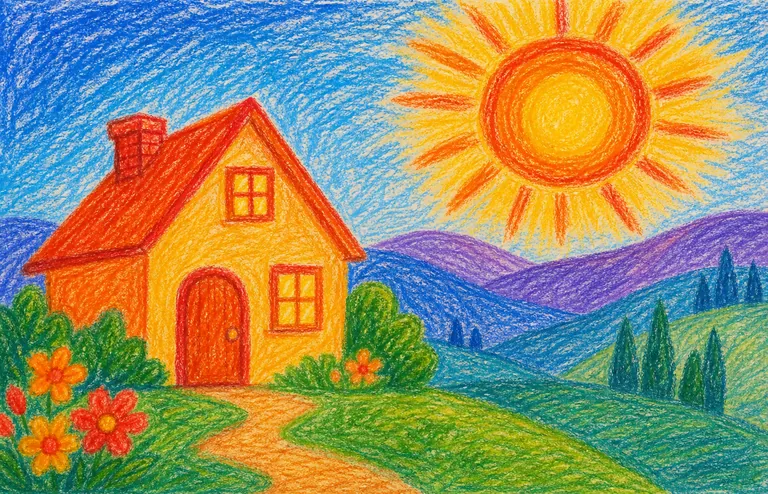
Here is the trick that makes a coloring page look finished instead of flat. Warm colors seem to move toward you, and cool colors seem to sink back. This is a real effect that artists use to build depth: paint the far-away hills a soft blue and they read as distant, then color the thing up close in warm red and it jumps forward.
A child can use this straight away. Coloring an animal in a field? A warm body against a cool green background will pop off the page. Want a calm, sleepy picture? Leaning on cool colors everywhere does it. Want loud and exciting? Warm colors turn the volume up.
Once they start looking for it, they will see warm and cool everywhere: in cartoons, on book covers, in the sky on the way home.
What else could you color?
Pick a prompt or type your own — opens in a new tab.
Try it on your very next page
Next time your child sits down to color, give them one small nudge: decide whether this page should feel warm or cool before the first crayon touches the paper. That single choice turns coloring from filling in shapes into making something feel a certain way. When they want to practice the far-away trick, a starry space coloring page is built for cool blues and purples, and playing warm against cool is the first real step toward shading and adding depth.