Party guides love a schedule of games for the first half hour. Most of it never happens, because half the guests are still on their way.
The hard part of a birthday party at home is the trickle: one guest at five past three, two more at ten past, the shy one at twenty past who stands in the hall holding a present. This guide sets up a birthday party coloring activity that works without you: one table, three zones, pages printed to the party theme, and a string on the wall where every finished page ends up.
Why the arrival needs a job
Children who walk into a room full of strangers tend to cling or to run. A coloring table gives them a third option: sit down next to someone and do the same thing. Child development writers call this associative play, one of the stages of play described by the sociologist Mildred Parten. Children use the same materials side by side, they may chat, and nobody has to agree on one shared result. Healthline's medically reviewed overview says it usually starts at 3 or 4 and runs until about 5, which is the age of most party guests.
That is also why a page beats a game with rules as an opener. A game needs everyone in the room before it can start. A page starts the moment one child sits down, and the fifth guest joins without stopping anyone.
What goes on the table
Keep the list short. Everything on it should survive a five-year-old in party clothes.
- A paper tablecloth, or a roll of plain paper taped down, so stray strokes land somewhere harmless.
- Three pages per guest, printed the evening before. Our guide to printing coloring pages at home covers paper and scaling.
- Crayons in cups, one cup between two chairs. If you want markers, take washable ones only, and the comparison of washable and regular markers explains why that matters on a party shirt.
- A cotton string and a bag of wooden clothes pegs.
- One pencil for names, which stays in your pocket.
Set it up in three zones
Lay the table out so it reads from one end to the other. A child who has never been in your home should be able to follow it without a word.
- 1Pick. At the end nearest the door, fan the pages out in three small piles, one motif per pile. Five or six sheets per pile are enough; keep the rest in a folder under the table and refill. A tall stack makes choosing slow, and slow choosing is where arrivals stall.
- 2Color. The middle of the table is chairs and crayon cups. Set one chair more than the number of children you expect in the first half hour, so a late guest never has to ask someone to move.
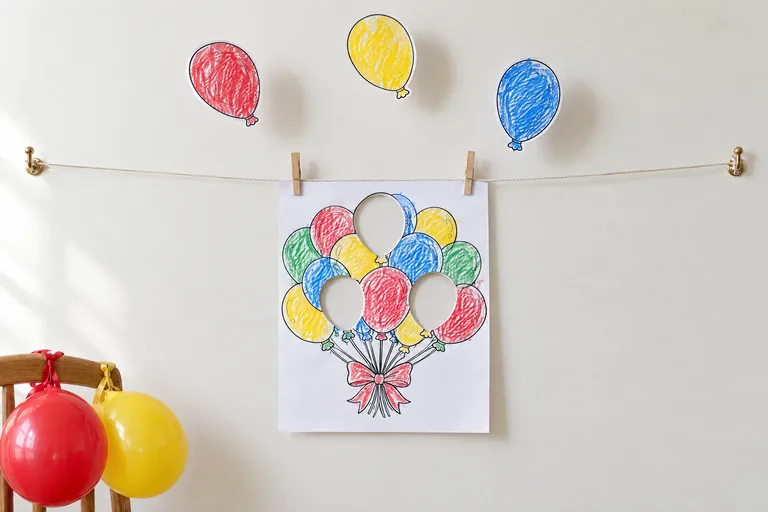
- 3Hang. Tie the string across a wall near the door, at the height of a child's shoulder. A finished page goes on the line with a peg.
Write each child's name on the back of the page as it is pegged. It saves the argument about whose dinosaur is whose at pickup.



Coloring fun for kids — anywhere.
Free for iOS & Android. No ads, no sign-up, offline-ready.


Coloring fun for kids — anywhere.
Free coloring app for kids. iOS and Android, phones and tablets. No ads, no sign-up, even offline.
Print pages to the party theme
The pages are what tie the table to this particular party. Print two kinds: a few general party pages that every guest recognises, and one pile in the party's own theme.
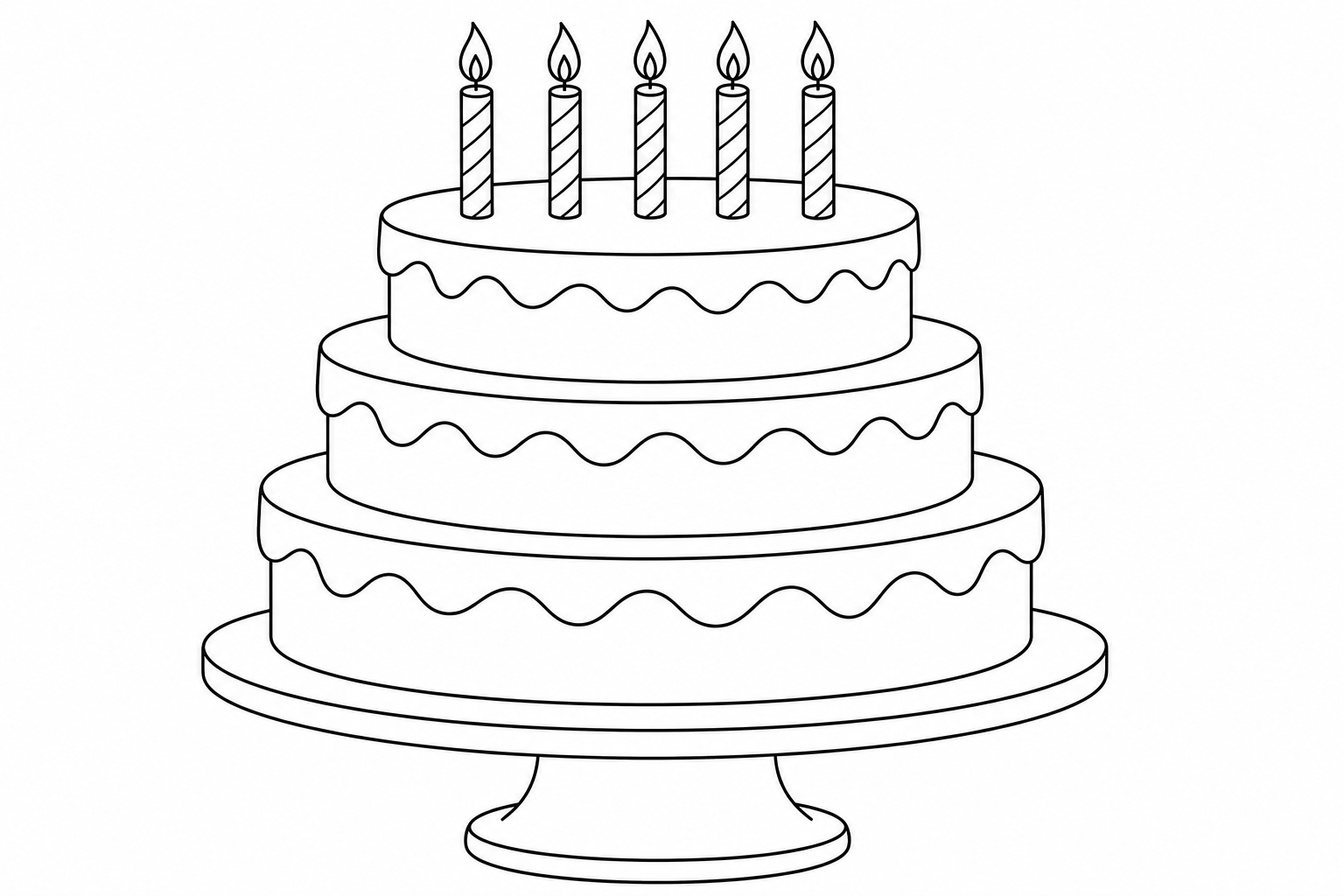
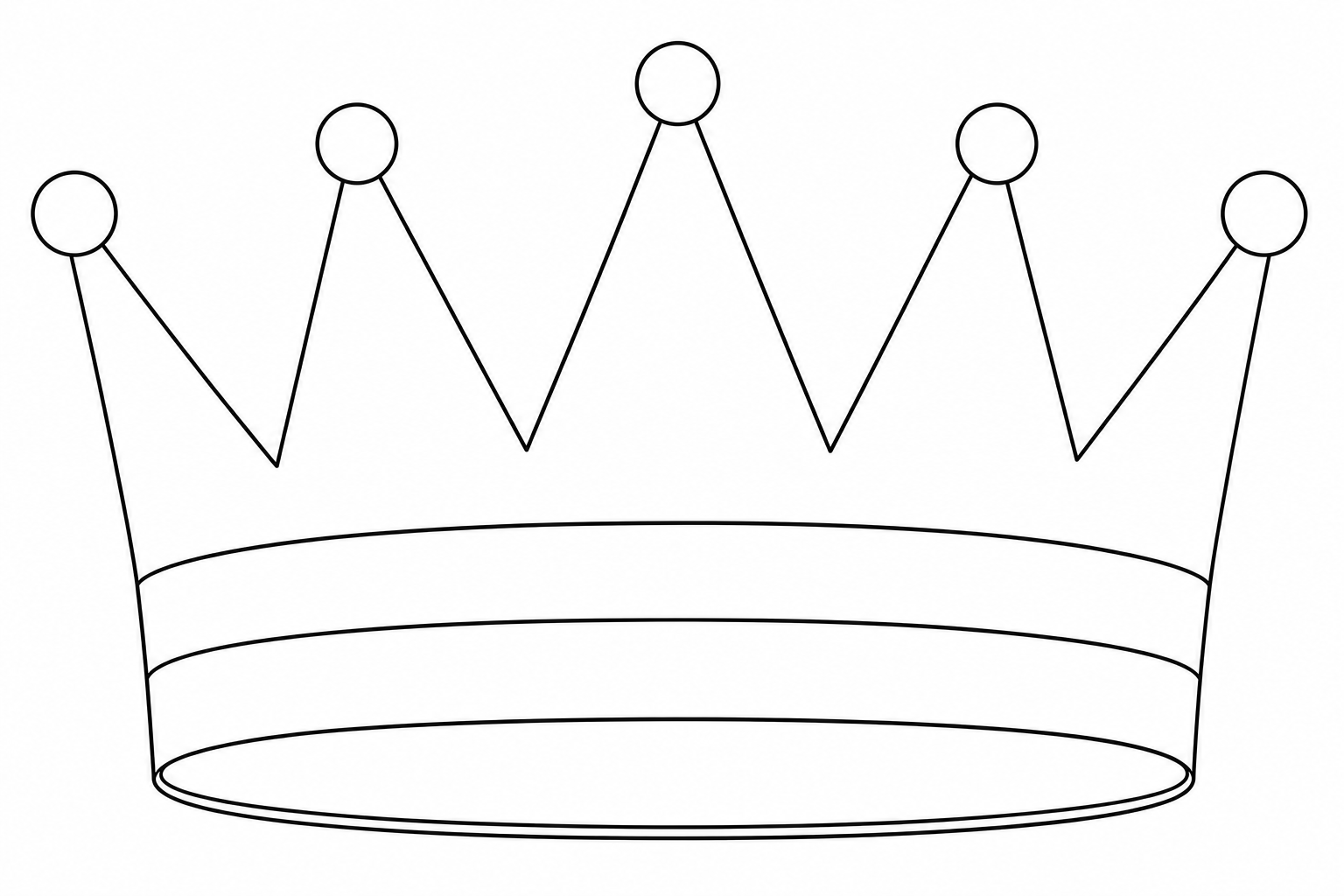
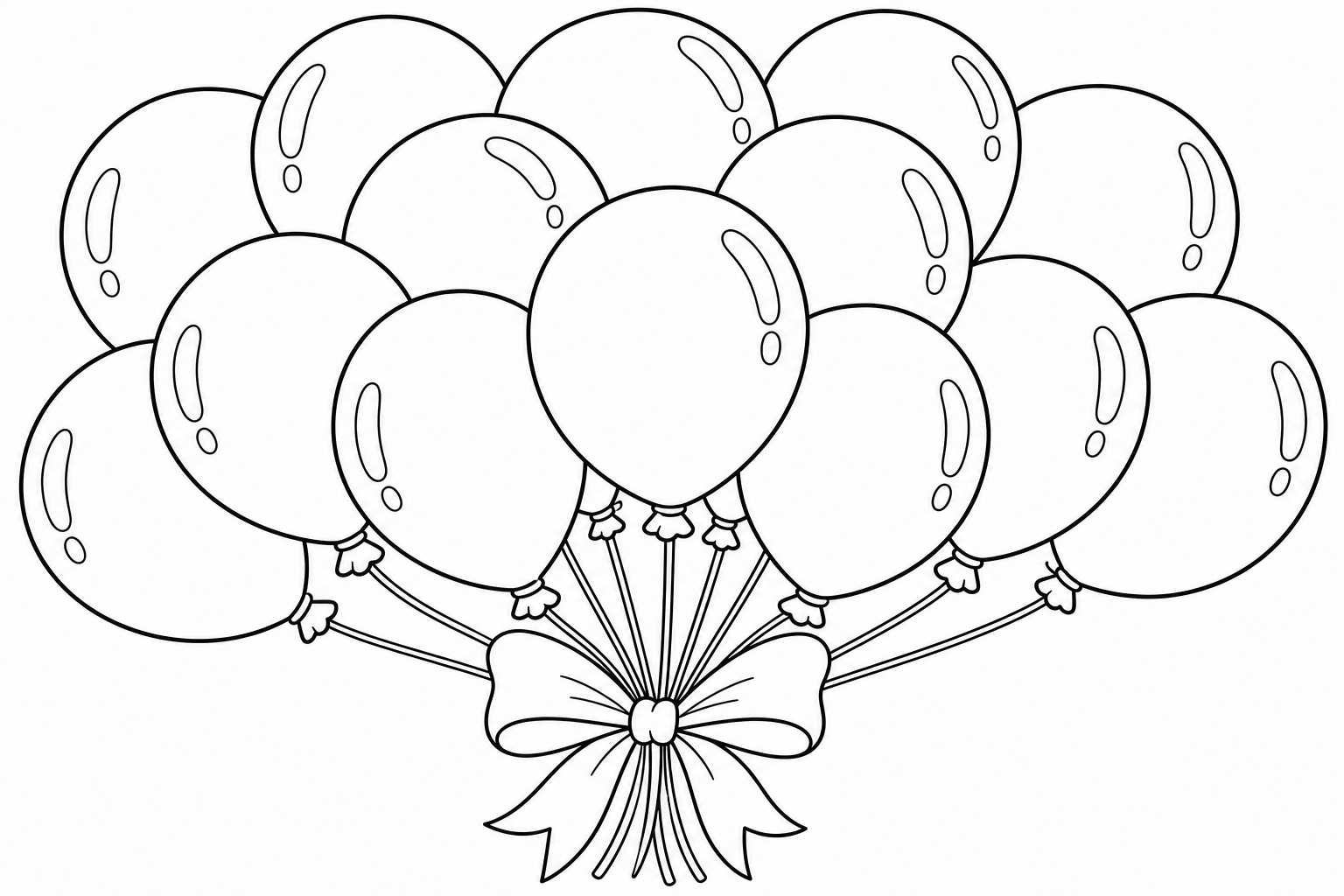
The crown is the page children wear: cut it out after coloring, tape the ends into a ring, and the birthday child gets the first one. For the theme pile, a dinosaur party can borrow from our dinosaur pages for a rainy week, and a pirate party from the pirate pages where kids design their own flag. Keep the motifs big and simple. A guest has twenty minutes at the table, and a page that cannot be finished in that time gets left behind half done.
When the table stops running itself
Most trouble at a party table comes from one of four things.
- Prizes. The moment there is a best page, the table turns into a contest and the youngest guest stops coloring. Hang every page and judge none.
- Markers without caps. An open marker on a light rug is the one mess that outlasts the party. Keep the caps in a cup, and keep markers away from anyone under four.
- A wide age spread. A two-year-old sibling and an eight-year-old at the same table need different pages. Put one pile of very simple shapes at the pick end and let anyone take from it; the rules stay the same for everyone.
- The child who will not sit. Skip the persuading. Hand them the bag of pegs and a job at the line. Some children come to a table more easily from a task than from an invitation.
If the piles run low halfway through, the showroom search finds more in a few seconds:
What else could you color?
Pick a prompt or type your own — opens in a new tab.
Let the line be the goodbye
By the time the cake comes out, the line on the wall is full and nobody is coloring any more. That is fine: the table has done its job. Leave the line up. When the parents arrive for pickup, every child unpegs their own page and takes it home. It makes a calmer goodbye than a hunt for a missing shoe, and it doubles as something for the party bag.