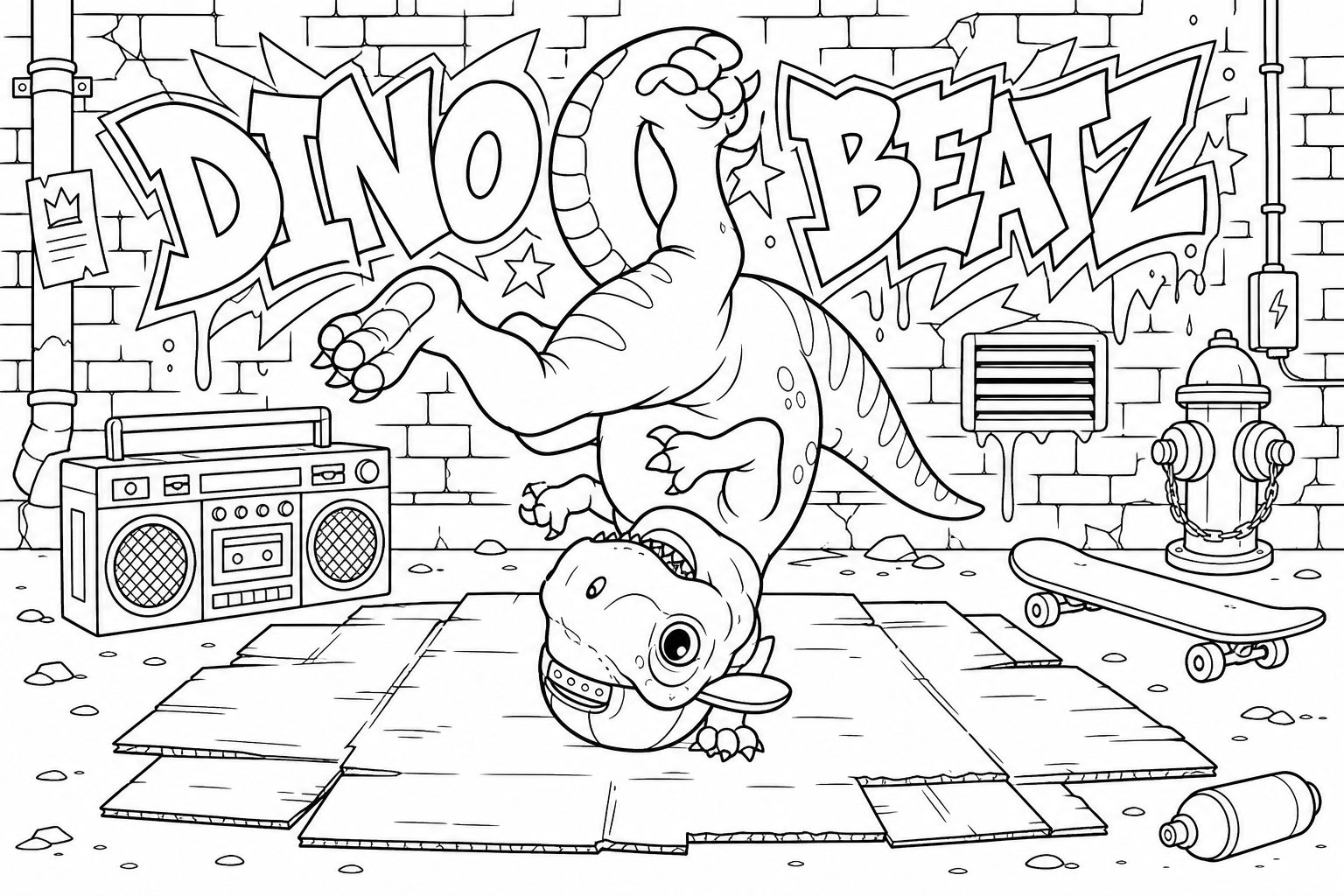
Your kid asks for a breakdancing dinosaur. There is a small, reasonable voice in your head that wants to steer them toward something more sensible: a nice dinosaur, standing in a nice forest. Ignore that voice. The breakdancing dinosaur is the better idea, and there is a decent amount of research explaining why.
What a child is doing when they ask for a breakdancing dinosaur
To picture a dinosaur breakdancing, a child has to hold the real dinosaur in mind, suspend one fact about it, and then work out what follows. Researchers who study pretend play call this quarantining: you set reality aside, run the premise, and keep the two worlds apart. It is the same equipment used for counterfactual reasoning and causal learning, the thinking behind "what would happen if" and "why did that break". Pretend play shows up around eighteen months. The ability to reason through a counterfactual properly arrives closer to four.
So the silly request is not a detour away from thinking. It is the thinking, wearing a funny hat.
The joke is proof they know the rule
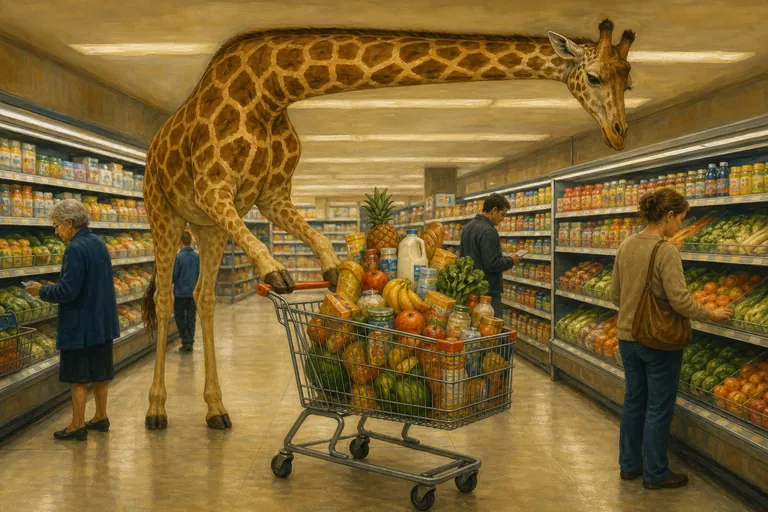
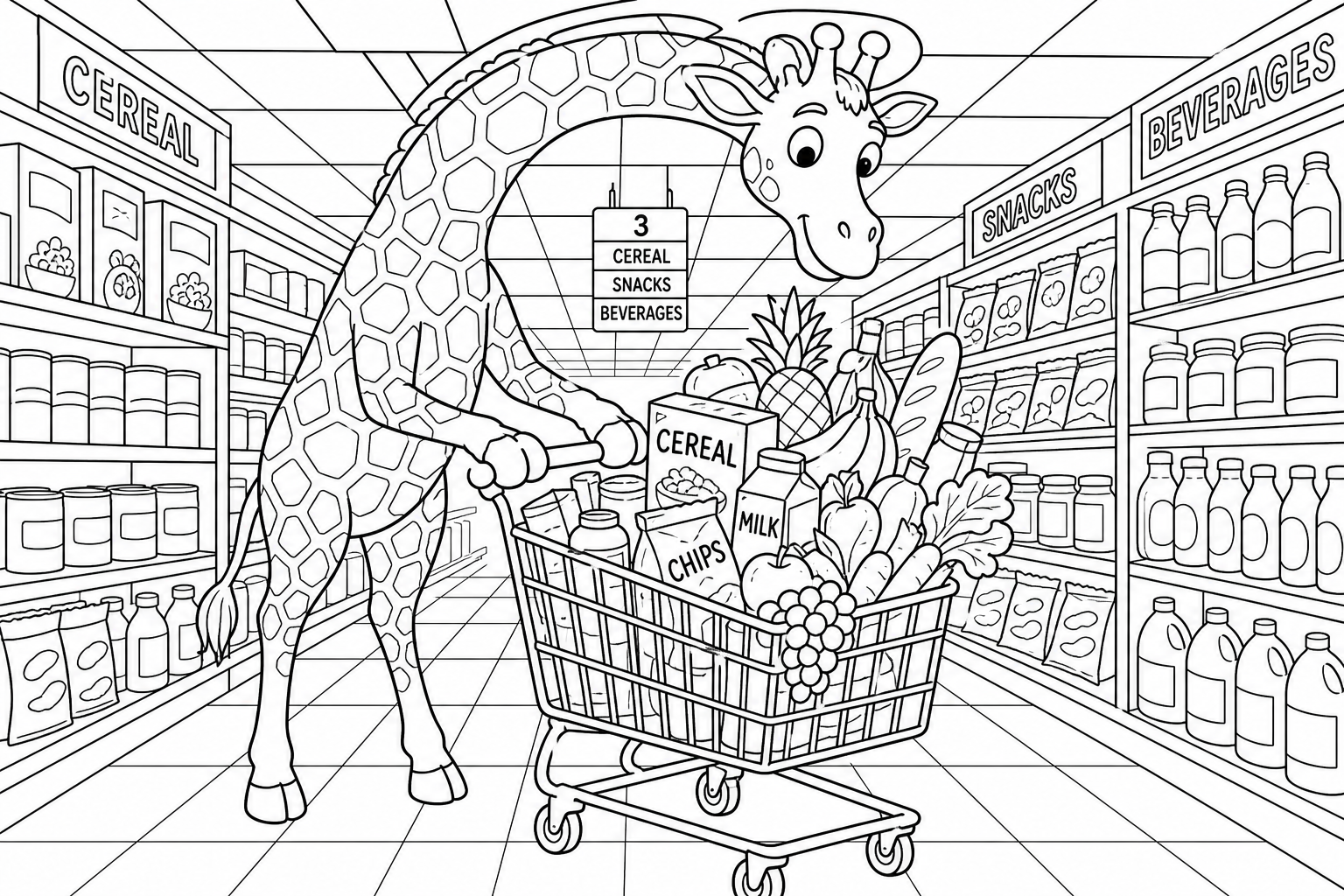
Here is the part that reframes the whole thing. A giraffe pushing a trolley round a supermarket is only funny if you already know that giraffes do not do the weekly shop. Humor built on incongruity depends on knowing what is normal first, which is why children's jokes get more sophisticated as their grasp of the world does.
Break one rule, not all of them
This is the craft, and it is the difference between an idea that delights and an idea that fizzles.
Not all impossible things land the same way. Researchers separate violations that are merely odd from violations that are flatly impossible: the odd ones can still be made sense of, and that resolution is what produces the laugh. Pure chaos gives a child nothing to resolve. A giraffe in a supermarket is odd, and a child can work it out. A giraffe made of soup in a place that has no name is just noise.
So keep everything true except one thing. Pick a creature, then break exactly one rule about it:
| Break this | Leave everything else | Example |
|---|---|---|
| What it can do | Body, habitat, everything | A dinosaur that breakdances |
| Where it belongs | The animal stays completely normal | A giraffe doing the weekly shop |
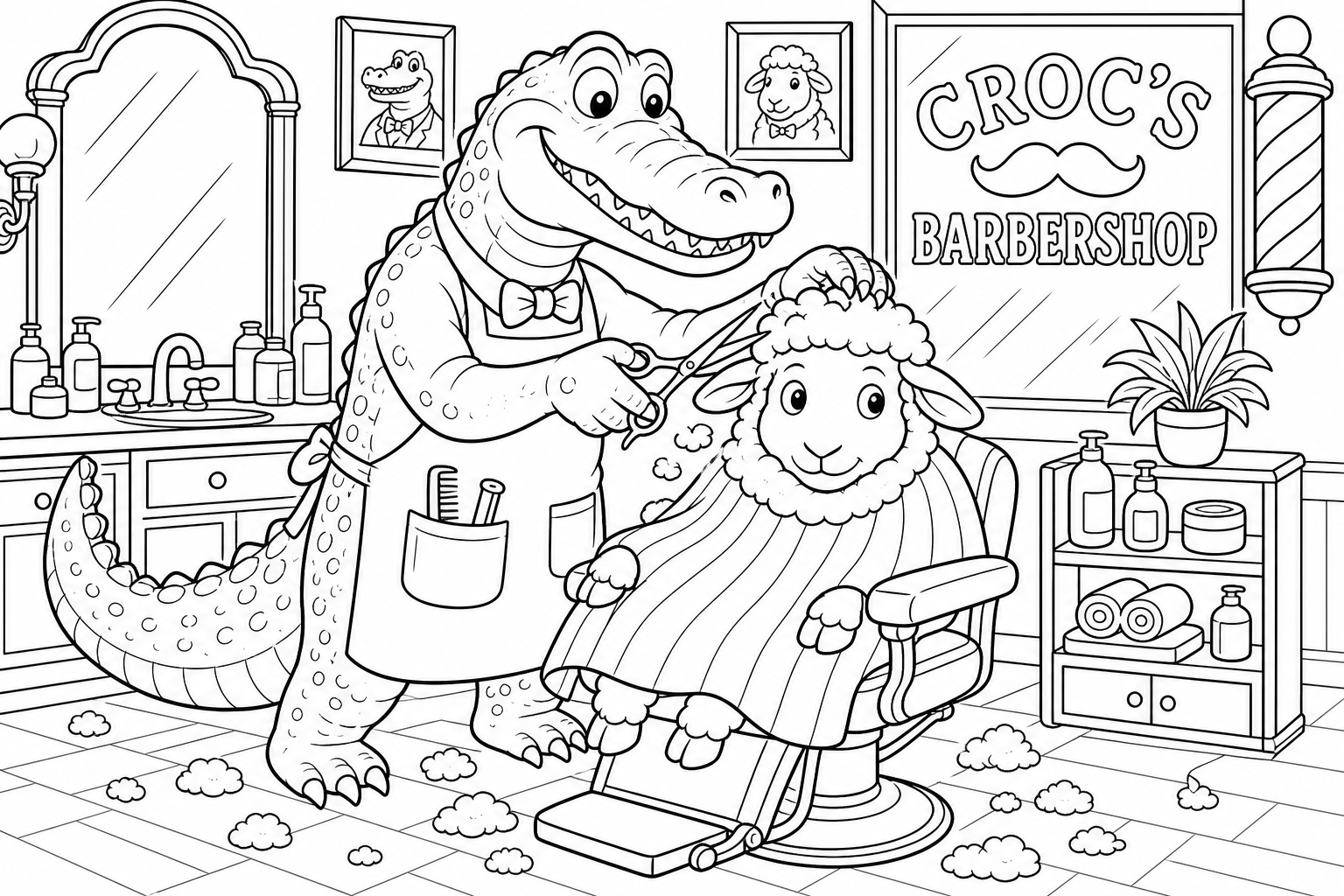
| What job it has | Real animal, real workplace | A crocodile working as a barber |
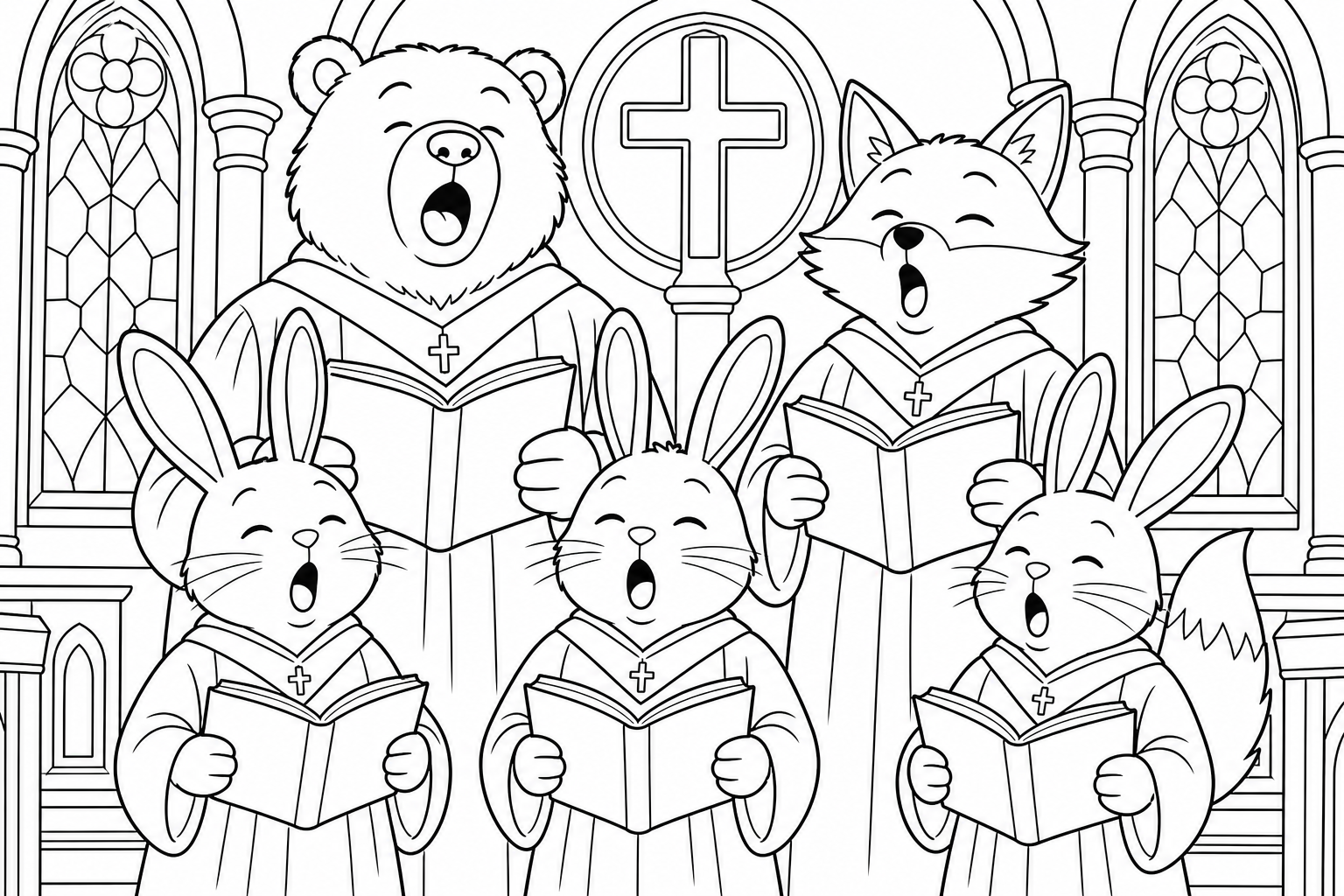
| Who it does it with | Ordinary place, ordinary activity | A choir of animals singing in a church |
Each of these came from a single swap, and each one still makes sense:



Coloring fun for kids — anywhere.
Free for iOS & Android. No ads, no sign-up, offline-ready.


Coloring fun for kids — anywhere.
Free coloring app for kids. iOS and Android, phones and tablets. No ads, no sign-up, even offline.
When it falls flat
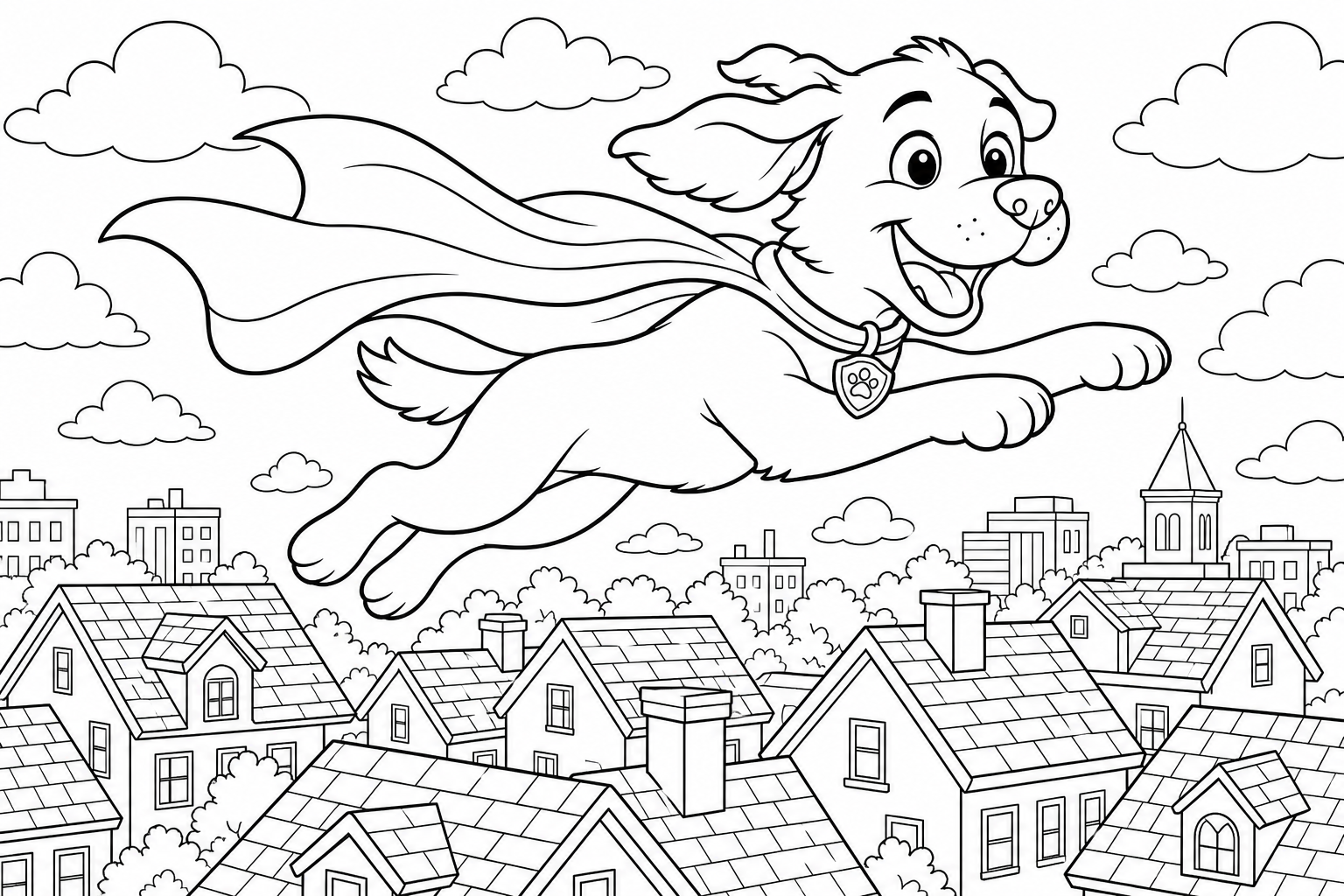
If an idea comes out as mush, it is almost always because too many rules broke at once. A flying dog with a cape reads instantly, because everything except the flying is still dog. A flying purple dog with six wings in a kitchen made of clouds has nothing left to anchor it, and the picture goes vague.
The fix is to put the rules back one at a time until the idea snaps into focus. Ask which single thing is the joke. Keep that. Give the rest back.
Younger children usually want the swap to be big and physical: an animal doing a thing it obviously cannot do. Around school age they start enjoying the quieter joke, the one that needs a beat to land, like a sloth entering a race. If you want a sense of what to expect at each stage, our guide to coloring by age walks through it.
Twelve to steal when they are stuck
Read these out loud. The howls of protest will tell you which one to make.
- 1A crocodile working as a barber. He is very good at it. He is also very hungry.
- 2A sloth entering a running race. Numbered bib. Enormous effort. No visible progress.
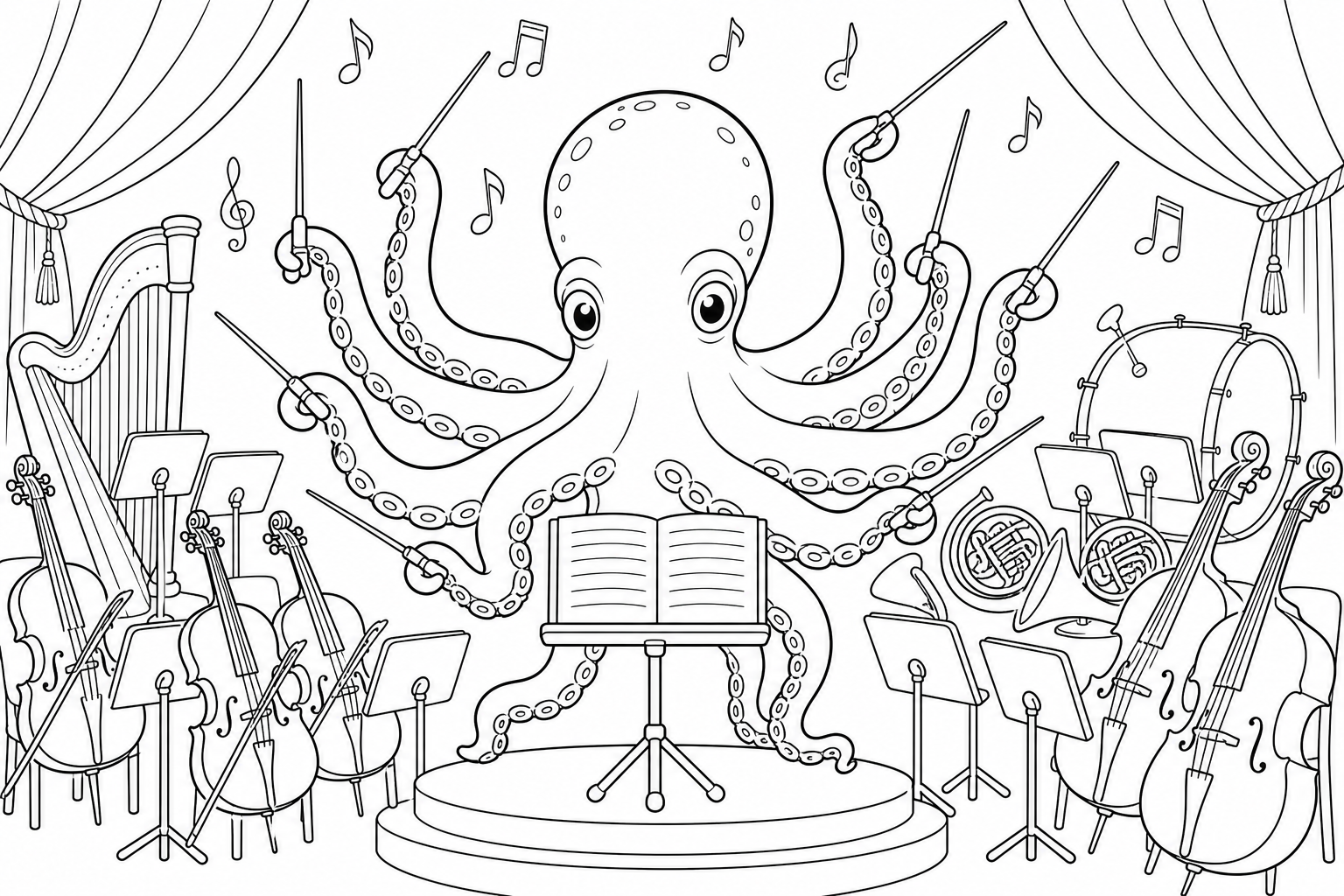
- 3An octopus conducting an orchestra. Eight arms, eight batons, one very confused violin section.
- 4A penguin delivering the post. A full satchel, deep snow, absolute professionalism.
- 5A cat working as a librarian. Stamping books. Judging your choices.
- 6A hippo doing ballet. On one toe. In a tutu. Nailing it.
- 7An elephant painting at an easel. Brush held in the trunk. Palette on the floor.
- 8A chicken skipping rope. Two friends turning. Feathers everywhere.
- 9A dog flying over the rooftops with a cape. Front paws out. Very serious face.
- 10A giraffe doing the weekly shop. Neck bent under the ceiling. Trolley piled high.
- 11A choir of animals singing in a church. A bear, a fox, three rabbits, all in rows.
- 12A dinosaur breakdancing. Spinning on its head. Cardboard mat. One leg up.
Notice what none of these are: none of them are random. Every one is an ordinary creature doing one extraordinary thing.
Start with a creature, then break something
The quickest way in is to pick an animal your child already loves and ask one question: what is the one thing this could never do? That answer is the page.
What else could you color?
Pick a prompt or type your own — opens in a new tab.
If they would rather start from a page that already exists and invent from there, our space pages are built for exactly that kind of kid. And if they hand you back a tiger with green stripes and a top hat, resist the urge to correct it. There is usually a reason they picked that color, and it is rarely the one you would guess.