Coloring is a tool, not a time filler
Somewhere between the lesson that ran short and the class that finished early, a stack of coloring pages comes out, and it can feel like an admission that you ran out of plan. It is worth flipping that. A coloring page is not what you hand out when nothing else is happening. It is what you reach for when you need the room to do a specific thing: settle after movement, hold steady while you help one table, or come down from an activity that got loud. Used that way, it earns the minutes it takes.
What a coloring page is actually building
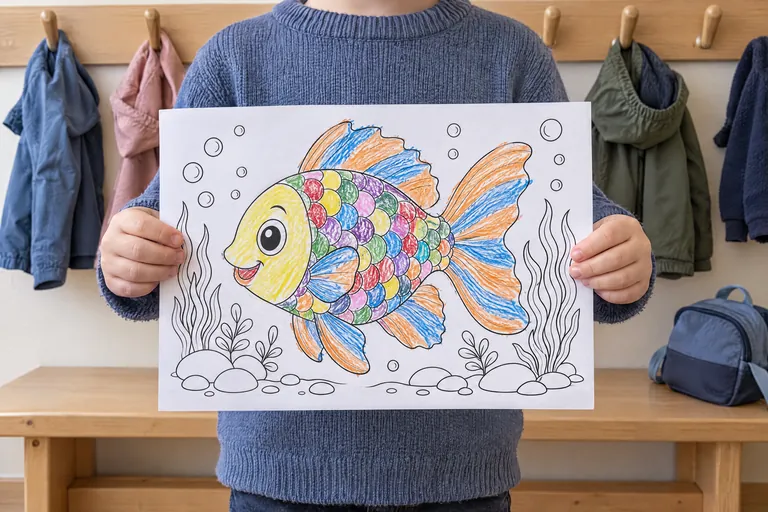
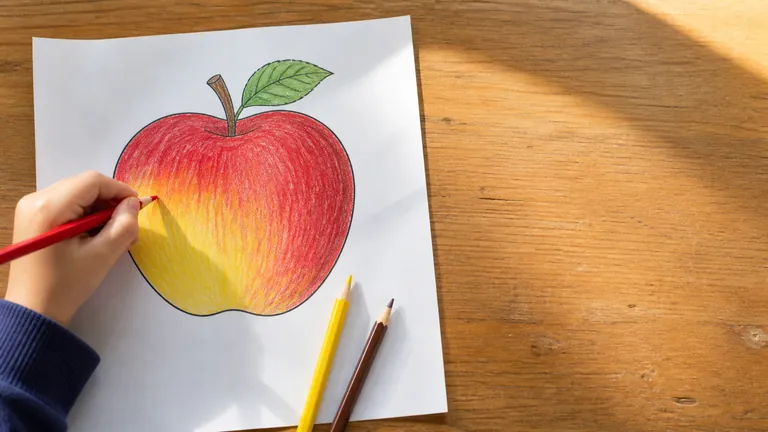
For your youngest students, coloring is hand training in disguise. Holding a crayon, pressing hard enough to leave color, and steering it back inside a line all build the grip strength and control that handwriting will later lean on. Occupational therapists reach for coloring for exactly this reason, using it to shape pencil grasp and stamina before formal writing demands it. The OT Toolbox treats coloring as a readiness skill, not a filler one.
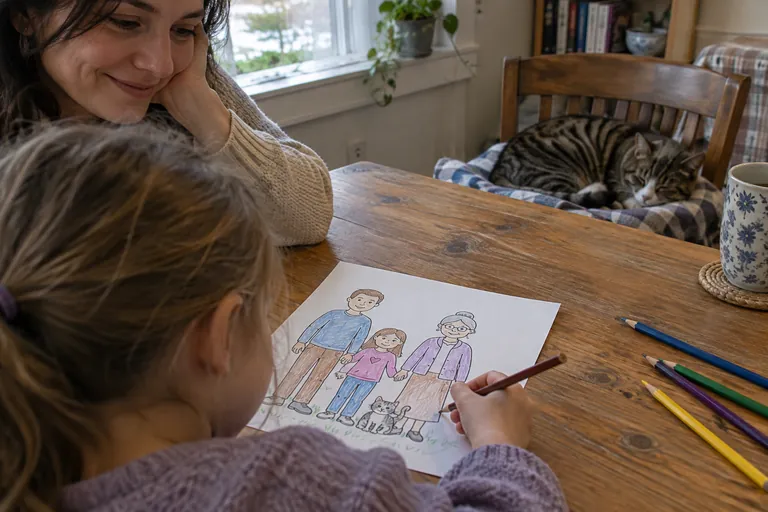
There is a calming effect too, and it is more specific than the idea that kids simply like to color. In a well-known study, undergraduates who colored a structured pattern after a stress task came down more than those who colored on blank paper, which suggests the structure itself, the lines to stay near and the shapes to fill, is doing part of the work (Curry and Kasser, 2005). A blank page invites decisions; a page with a plan on it asks only that you follow along, and for a wound-up class that is the point. It is the same reason coloring builds focus and steadies little hands over a term, not just for a minute.
The four moments it earns its place
Transitions. The gap between recess and reading, or between two subjects, is where a class either resets or spins. A short coloring page gives everyone the same low-stakes thing to do while bodies settle and you take attendance or set up.
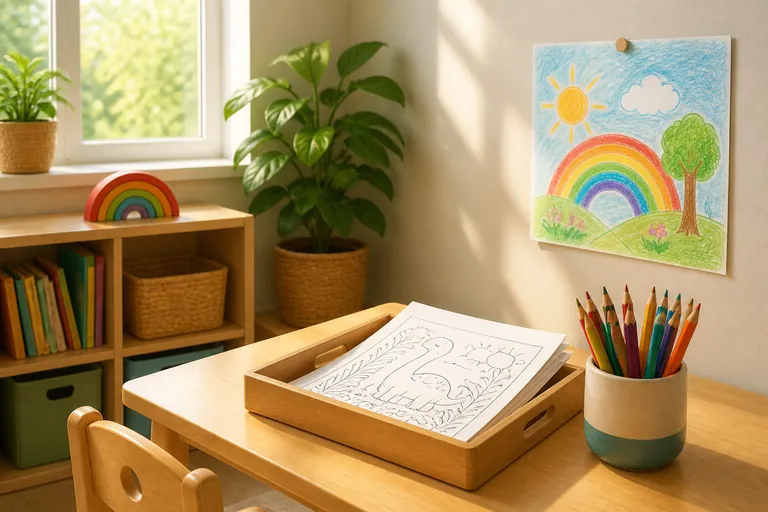
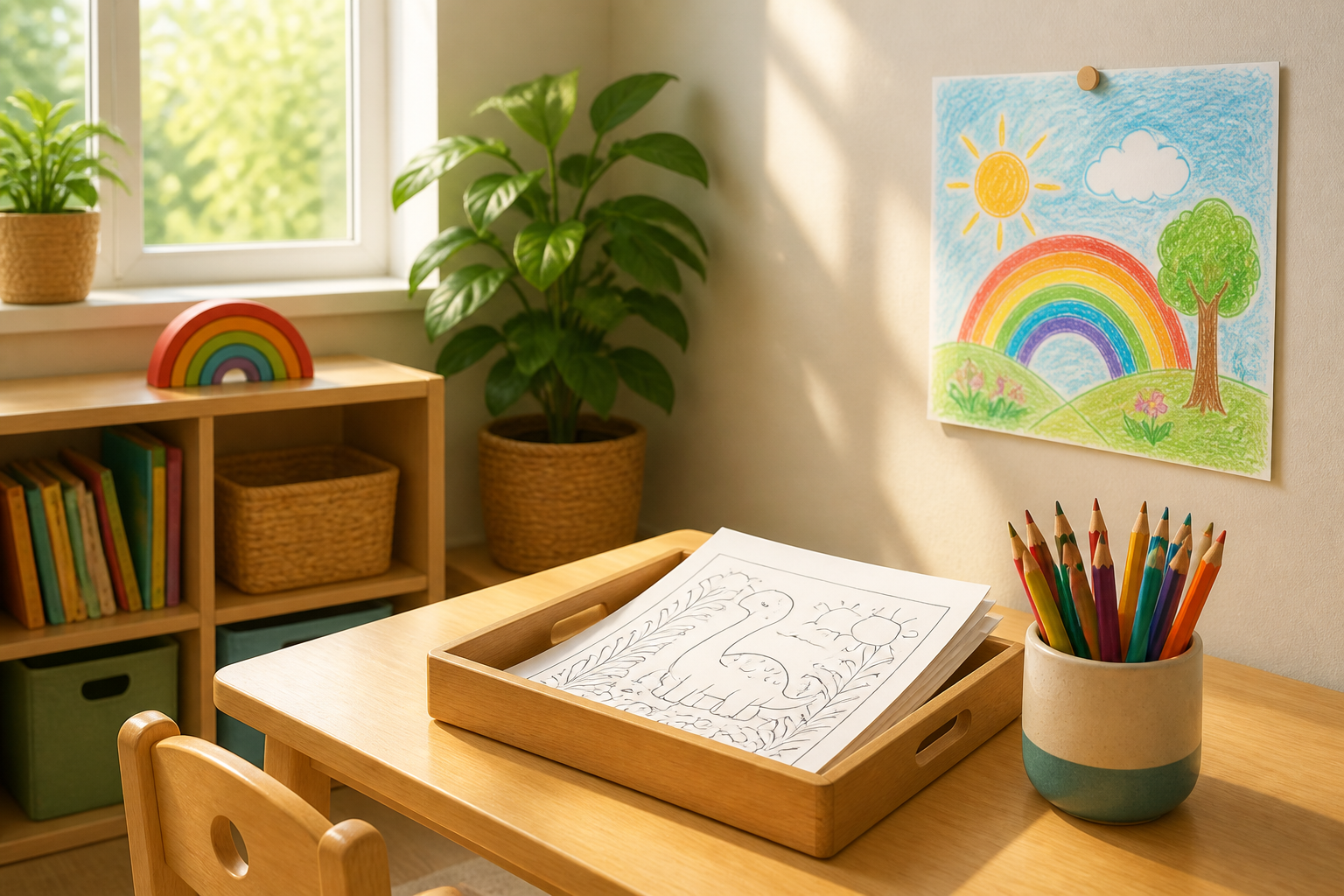
Early finishers. Instead of "read quietly" for the fifth time, a page in a tray by the door lets the child who finished first stay occupied without needing you, and without pulling focus from the students still working.
Calm-downs. For a child who is overwhelmed rather than misbehaving, a page and a quiet spot is a way back to steady that asks almost nothing of them, which is exactly why it works.
Brain breaks. After a stretch of hard focus, a few minutes of coloring is a real rest for the part of the brain you have been taxing, not a detour away from learning.
Matching pages to the grade in front of you
The right page is mostly about how much control the hand has. Younger students need big shapes and forgiving lines; older ones get restless with anything that looks too easy. A rough guide, which you can adjust to what to expect at each age:
| Grade band | What to offer | How to use it |
|---|---|---|
| Pre-K and K | Big, bold shapes, few regions, thick outlines | Grip practice, naming colors, settling after movement |
| Grades 1 to 2 | More regions, simple scenes, room to stay in the lines | Early finishers, transitions, a calm restart |
| Grades 3 to 5 | Detailed scenes, patterns, mandalas, space to make choices | Brain breaks, independent quiet time, a focus reset |
The band matters more than the exact age. A page that is too simple reads as babyish to a nine-year-old and gets half-colored; one that is too dense frustrates a five-year-old into quitting. When in doubt, offer a choice of two.



Coloring fun for kids — anywhere.
Free for iOS & Android. No ads, no sign-up, offline-ready.


Coloring fun for kids — anywhere.
Free coloring app for kids. iOS and Android, phones and tablets. No ads, no sign-up, even offline.
Running it so it stays a tool
Keep the window short and the ending clear. Two to five minutes with a visible stop signal, a timer or a call, lets the class restart quickly instead of drifting. A coloring break that runs until everyone is done turns into the lesson itself.
Keep supplies boring and plentiful. A cup of the same pencils at each table removes the negotiation over the good markers, and washable everything saves the desks. Print a small variety a week ahead so you are never scrambling at the moment you actually need one.
Keep a small stack ready
You do not need a binder of themes. A handful of subjects that suit most days, a few animals, some patterns, a seasonal page or two, covers almost everything a week throws at you. Seasonal moments are the easy win: a back-to-school set in the first weeks, a holiday page when one is close, and neutral subjects for the rest.
When you want a specific subject fast, pull it by name rather than hunting through folders:
What else could you color?
Pick a prompt or type your own — opens in a new tab.
Mandalas are the quiet all-rounder for older students and calm-downs; the rest cover the requests that come up on their own.
The version of coloring that is worth the minutes
The difference between coloring as babysitting and coloring as a tool is not the page, it is the intent behind handing it out. When you know what you want the next five minutes to do, settle a room, hold a few kids steady, or bring the energy down a notch, a coloring page is one of the simplest ways to get there. Reach for it on purpose, keep it short, and it earns its place in the day.