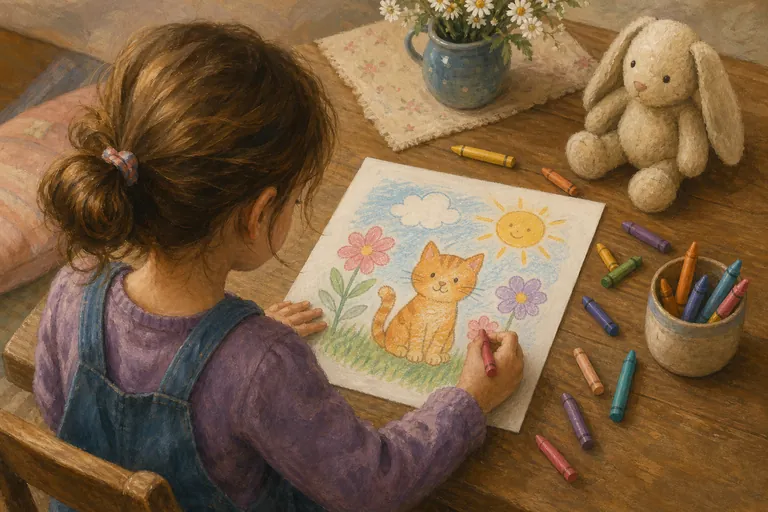
Watch a four-year-old fill in a page and you will see the tongue poke out, the shoulders hunch, the whole small body recruited for one job. It looks like a way to buy ten quiet minutes. It is also one of the busiest things a young child does all day.
Two skills are growing at the same time
Coloring trains two systems that usually get folded into one cheerful line about creativity. They are not the same thing, and pulling them apart shows you what the page is really for.
One is physical: the small muscles of the hand, the grip on the crayon, the link between eye and hand. The other is mental: the attention it takes to start a page, stay with it, and reach the end. A single page works on both at once, which is rare for something that costs almost nothing and asks for no screen.
The hand is doing the heavy lifting
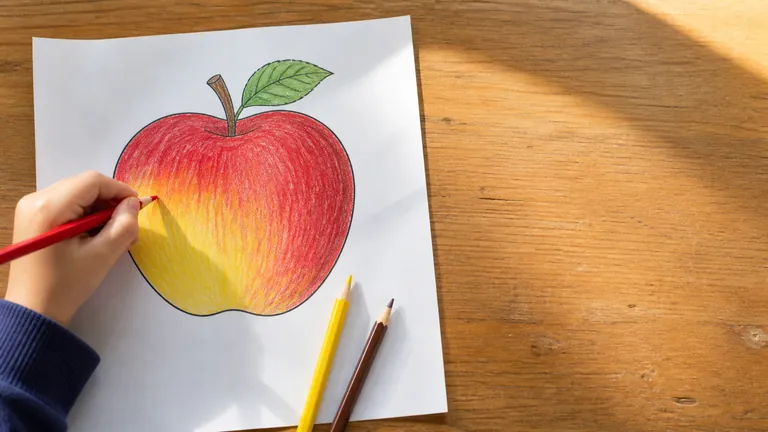
Most of what coloring builds happens below the wrist. Holding a crayon and dragging it across paper is resistance training for muscles most adults never think about.
The grip itself develops in a set order. Toddlers start with a full fist around the crayon, the whole hand clamped tight. Over the next few years that grip walks down the fingers: the hand points the crayon, then a few fingers take over, and somewhere between four and six a child settles into the three-finger tripod hold that will later carry a pencil. Occupational therapists map this sequence closely, and they often reach for crayons over pencils to move a child along it, because a short crayon forces the skill fingers to do the work.
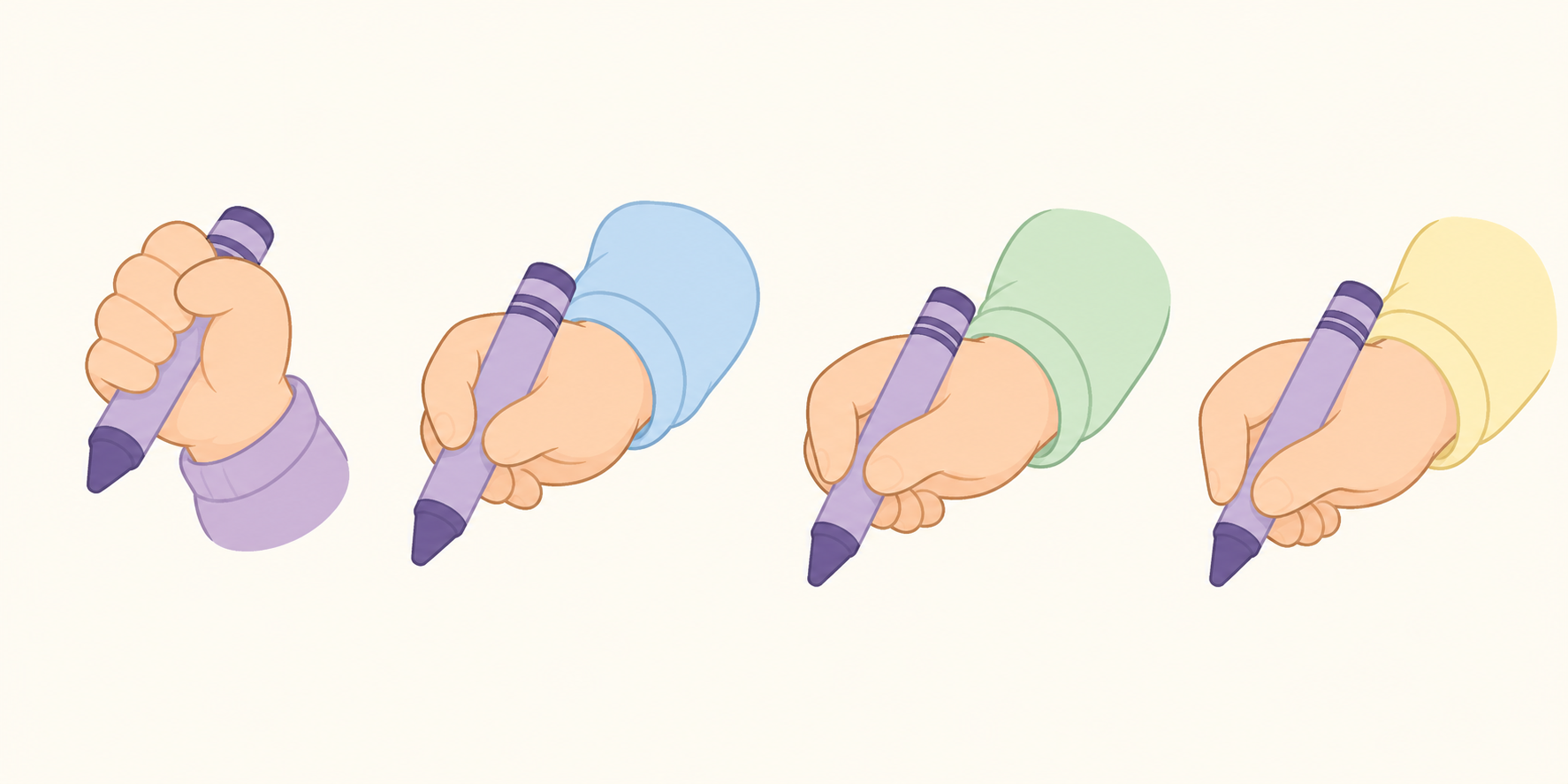
A few things happen with every stroke:
- The pincer grip gets stronger. The thumb-and-finger pinch that holds a crayon is the same one that will button a coat, work a zipper, and steady a pencil.
- Both hands learn to cooperate. One hand colors while the other holds the page still. That split job, called bilateral coordination, shows up later in cutting with scissors and tying laces.
- Eye and hand sync up. Staying near a line is not about neatness. It is the eye telling the hand where to go and the hand slowly learning to listen, the same skill that later keeps letters sitting on a line.
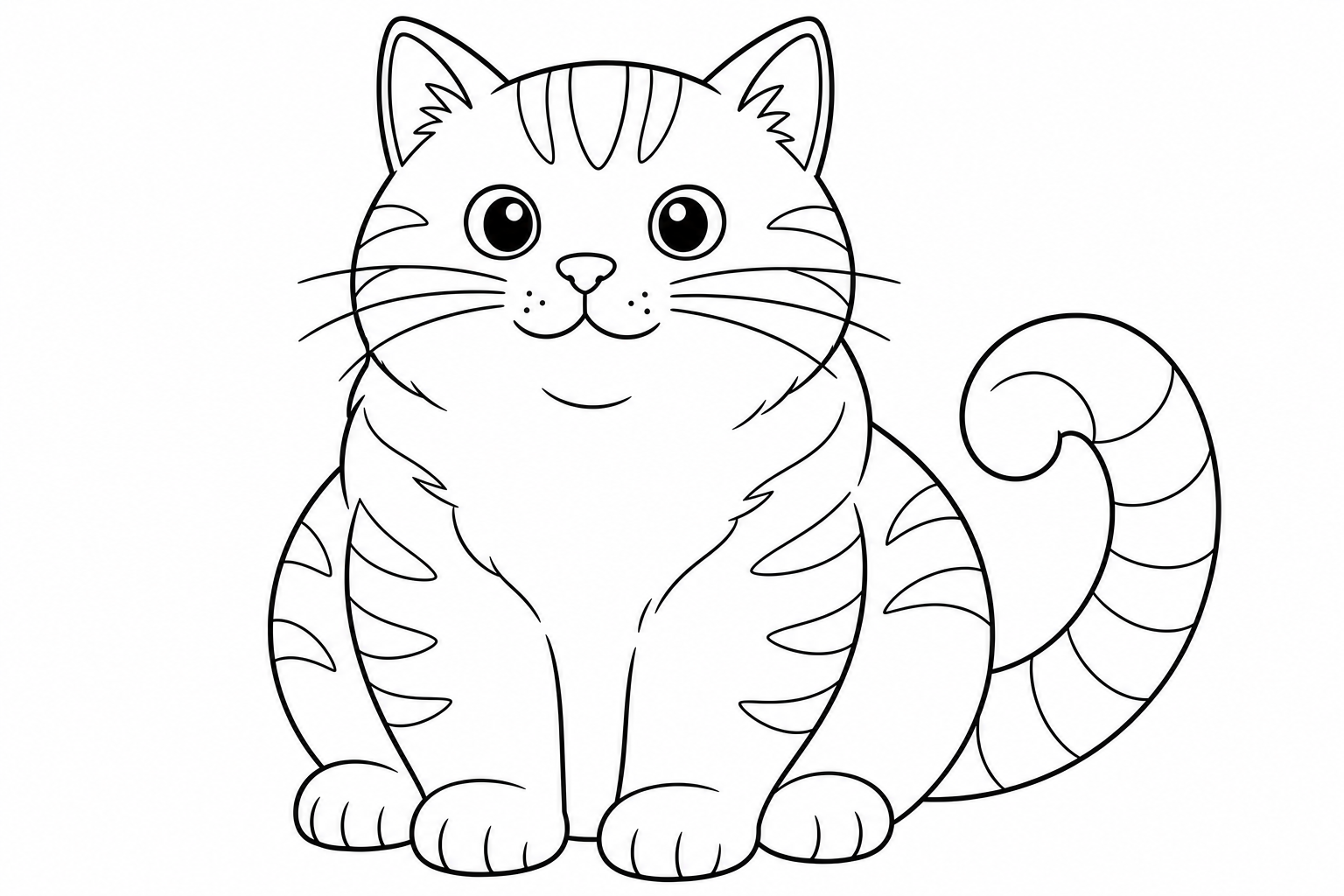
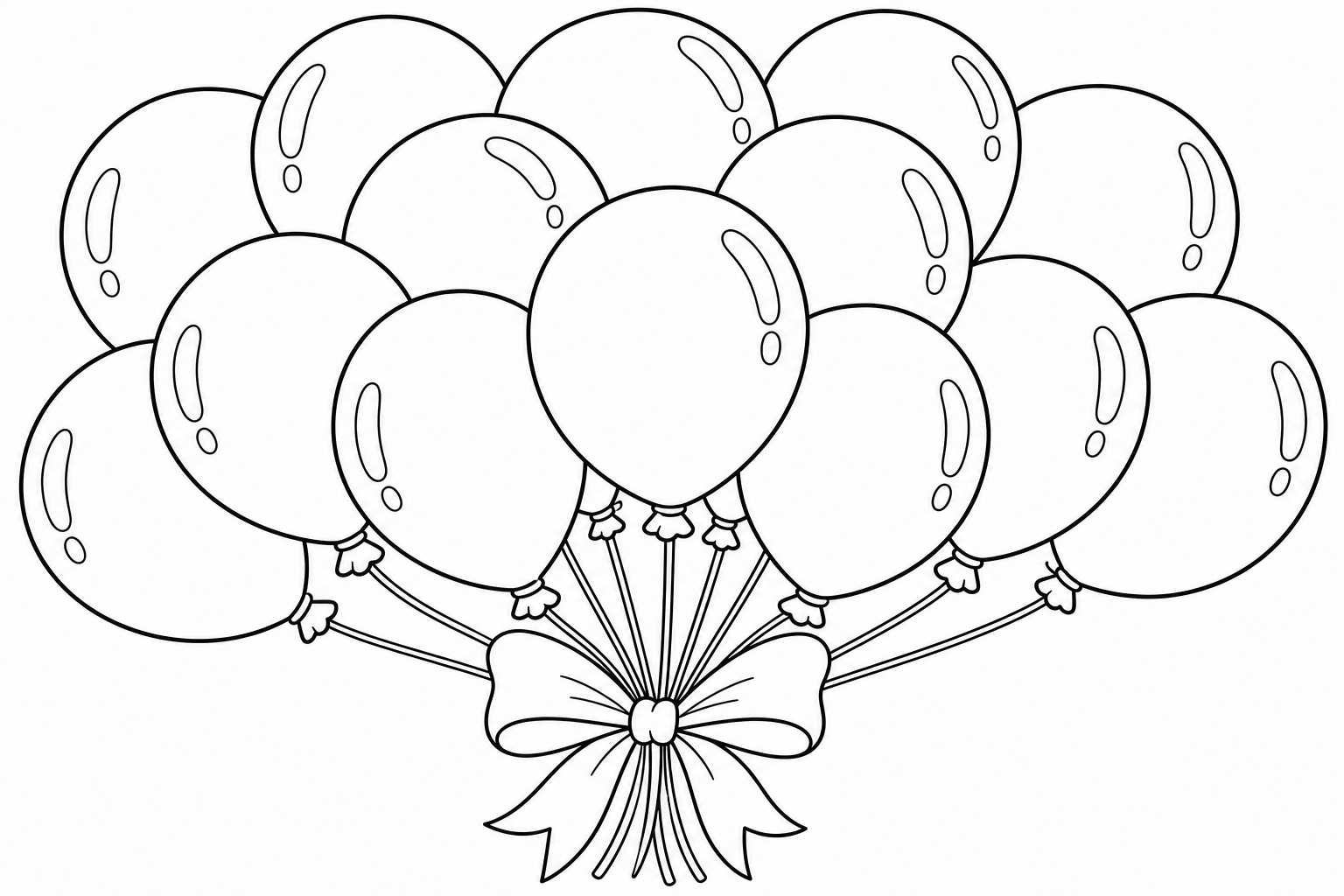
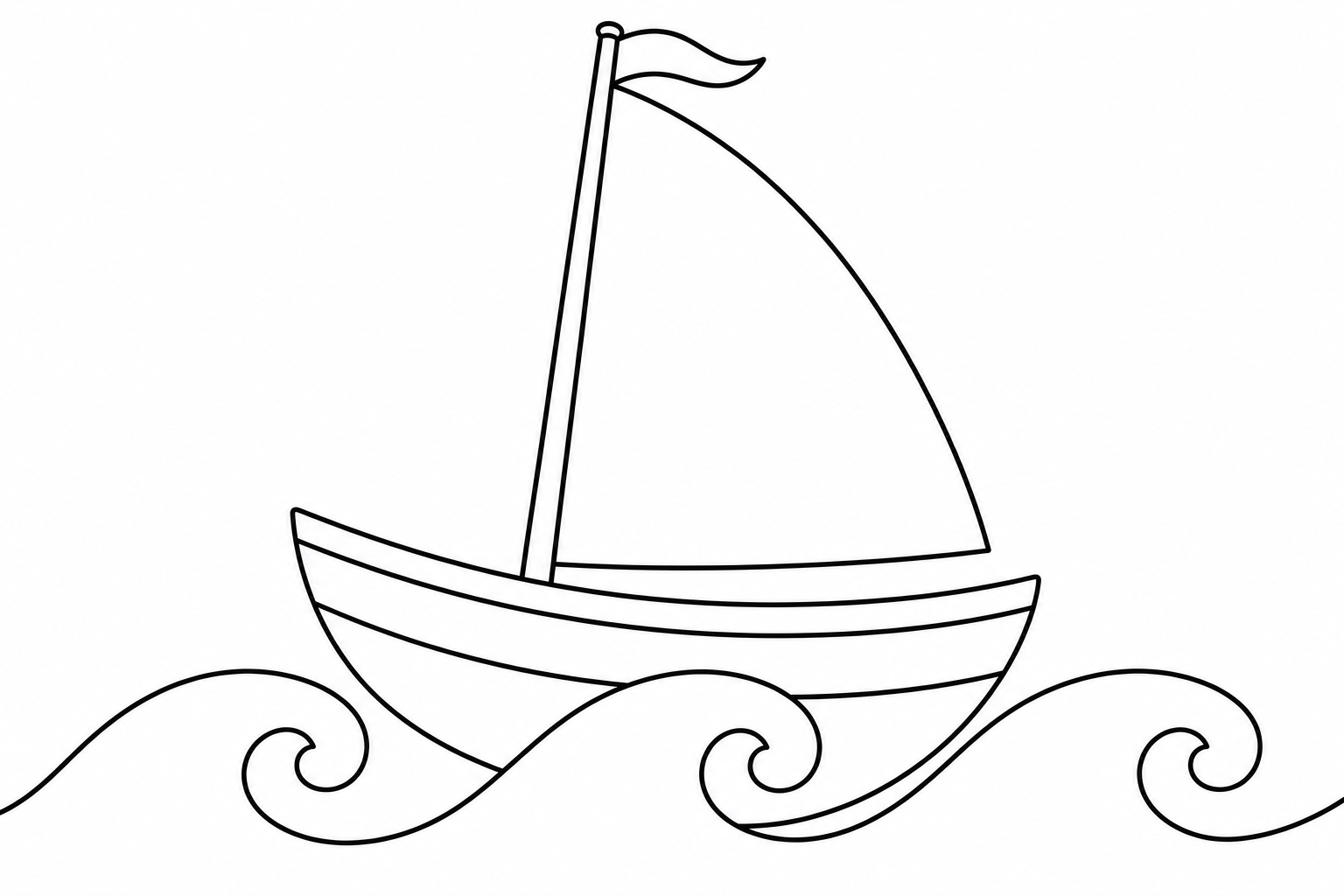
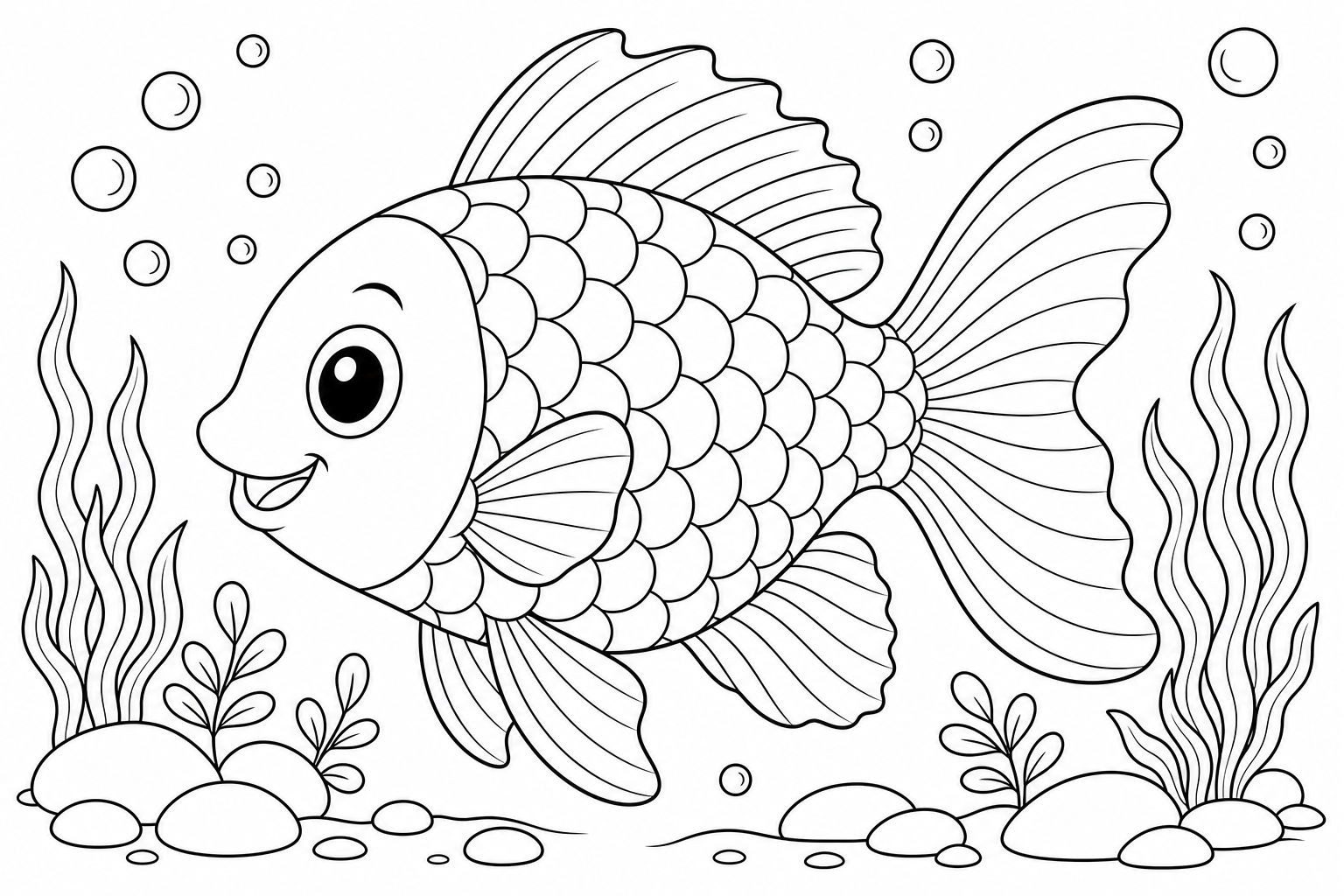
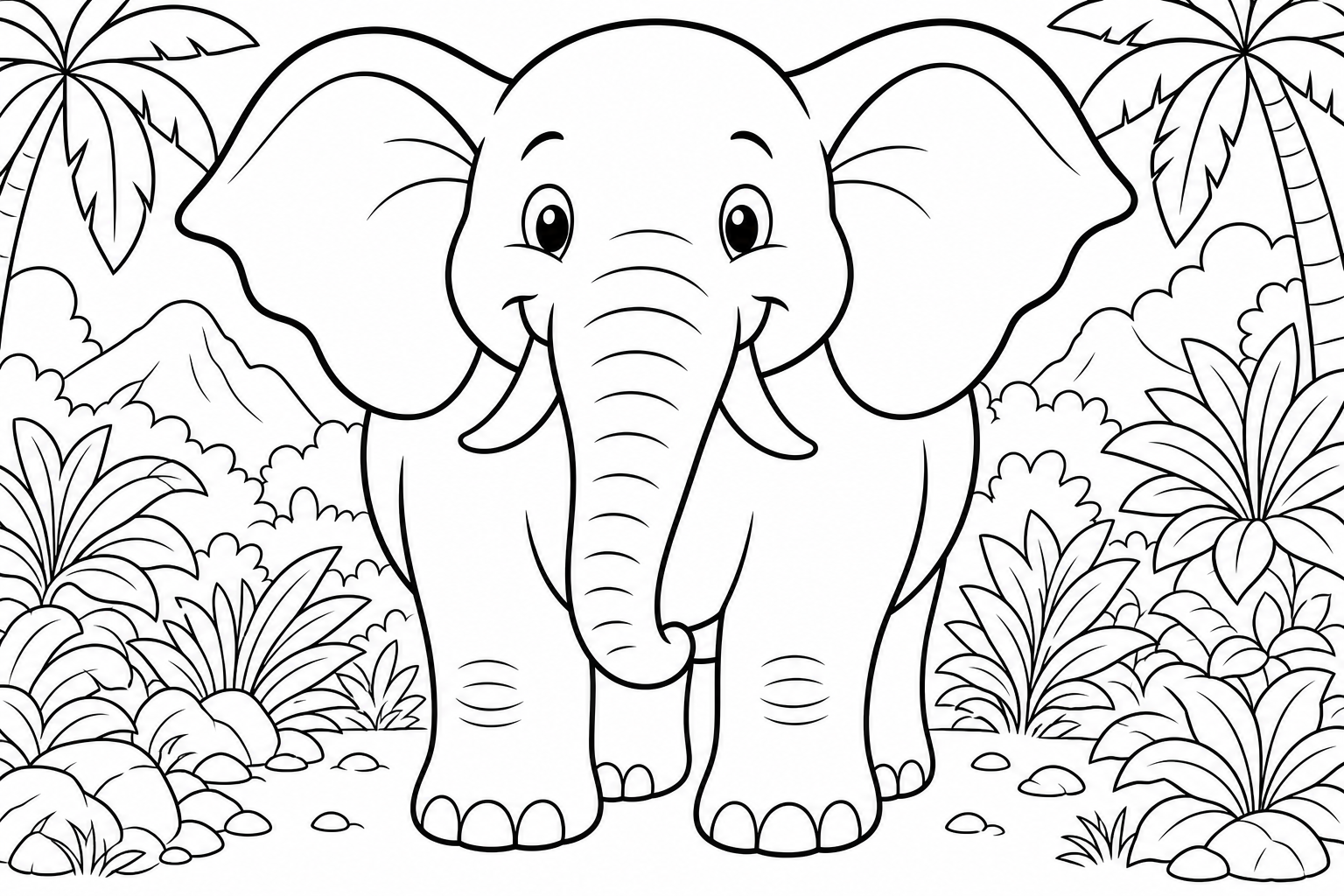
The pages that build hand strength fastest are the plain ones: big shapes, thick outlines, large open areas a small fist can fill without frustration.
The mind is learning to stay
The second thing coloring grows is harder to see and just as useful. A page has a beginning, a middle, and an end, which makes it one of the few tasks a small child can carry all the way through alone.
Filling an area takes repetition, and repetition settles a busy head. The hand moves, the color spreads, and the noise drops a notch. Teachers and therapists often notice that children who color regularly get better at easing into a task and seeing it through, the same muscle a classroom will ask for later.
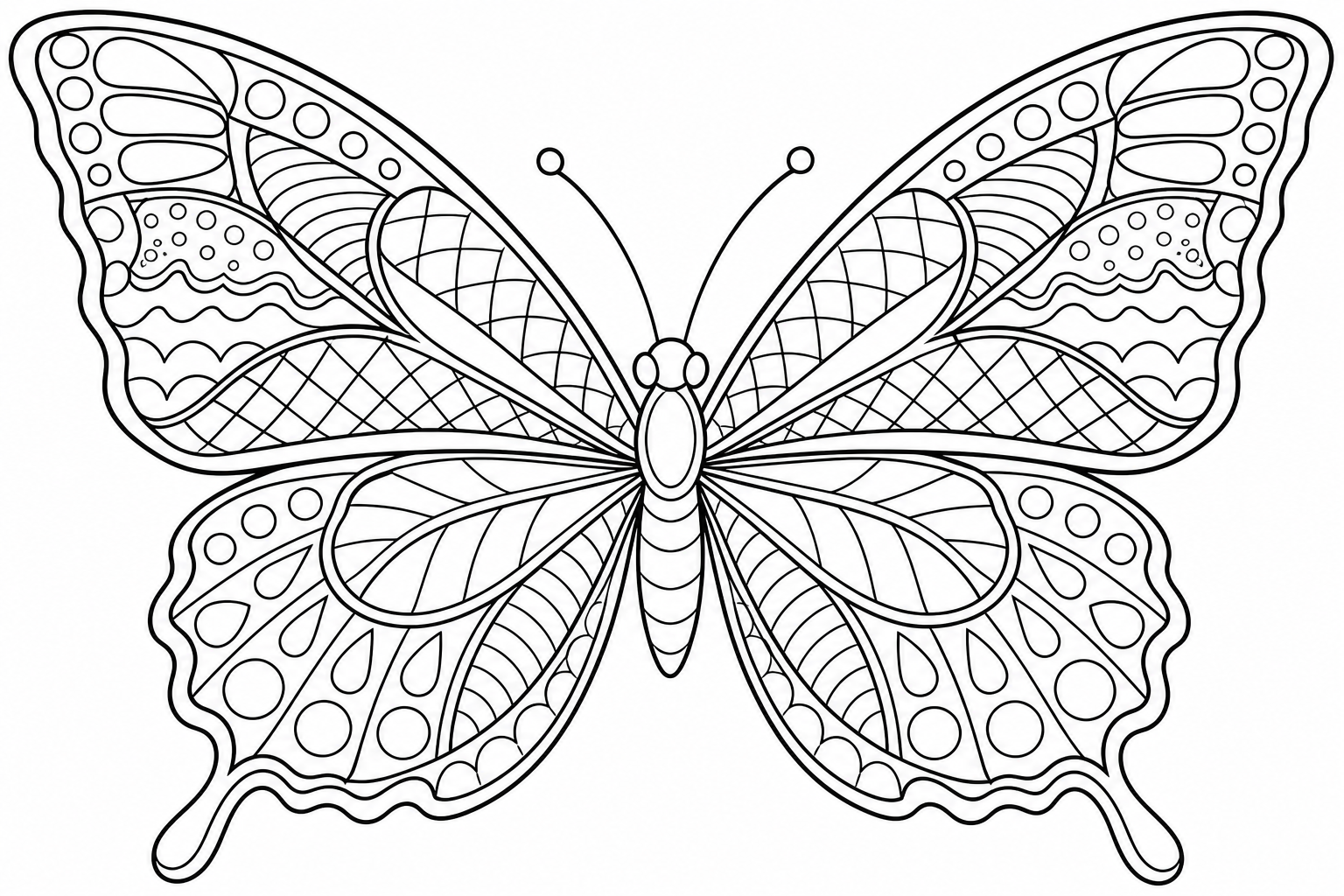
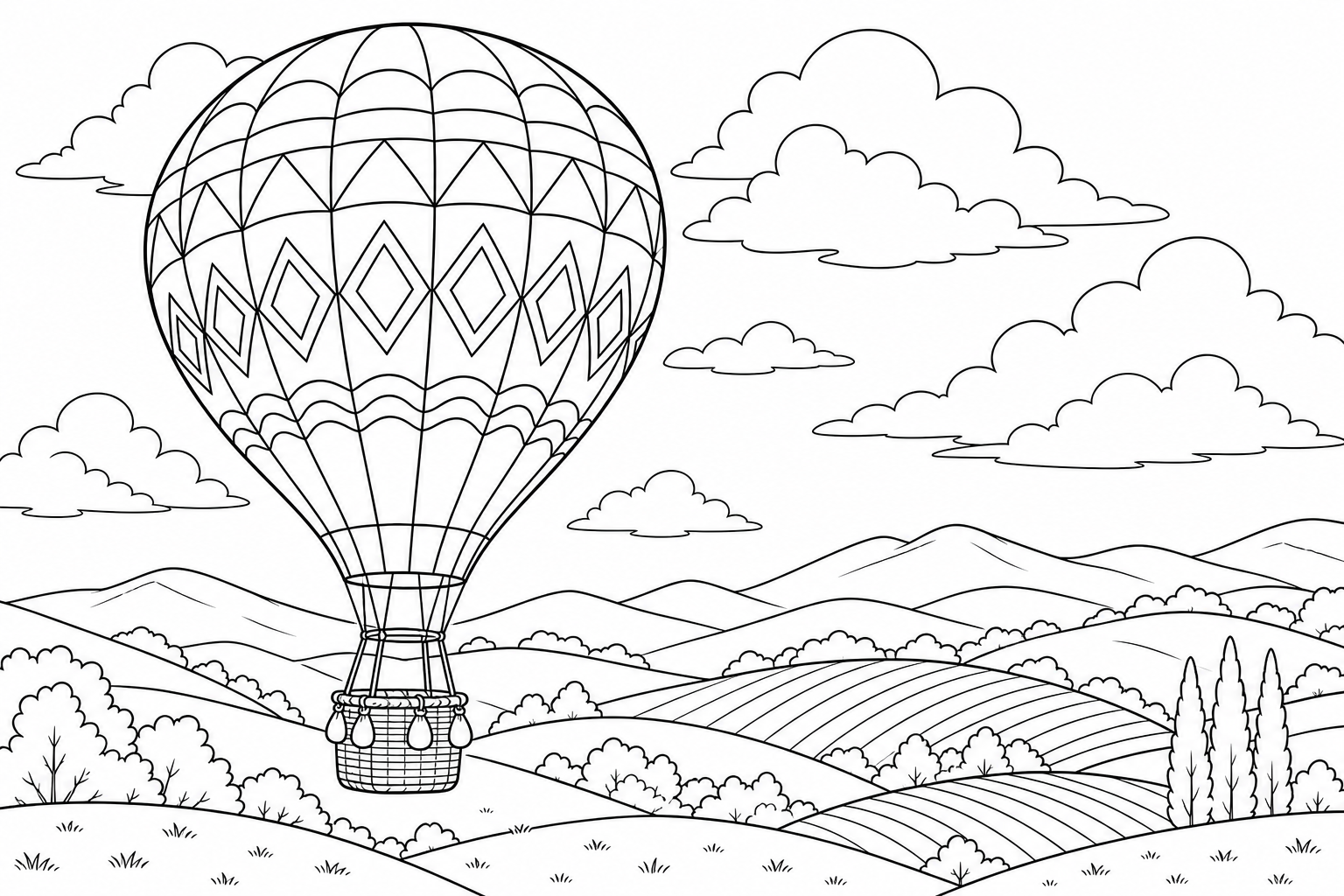
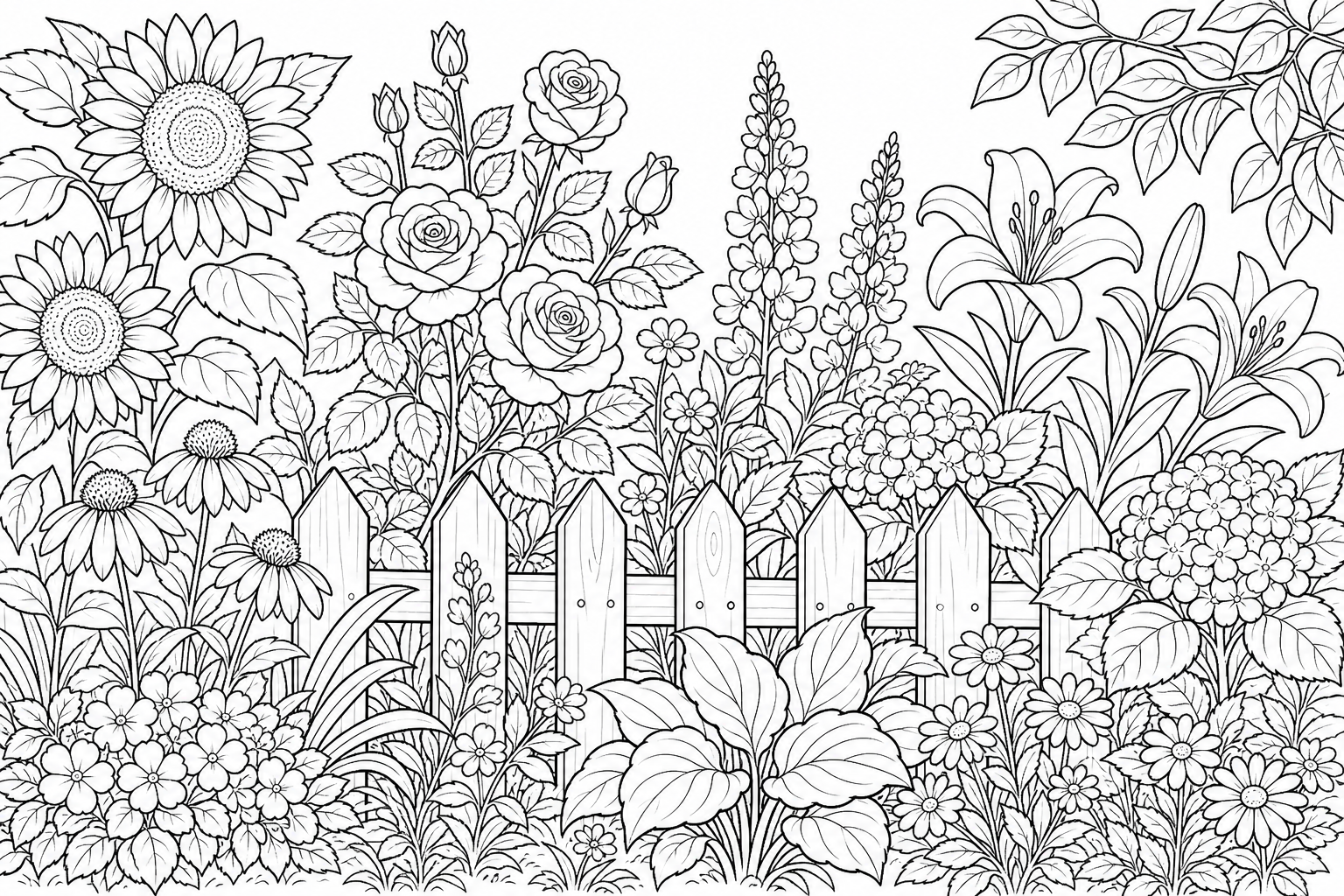
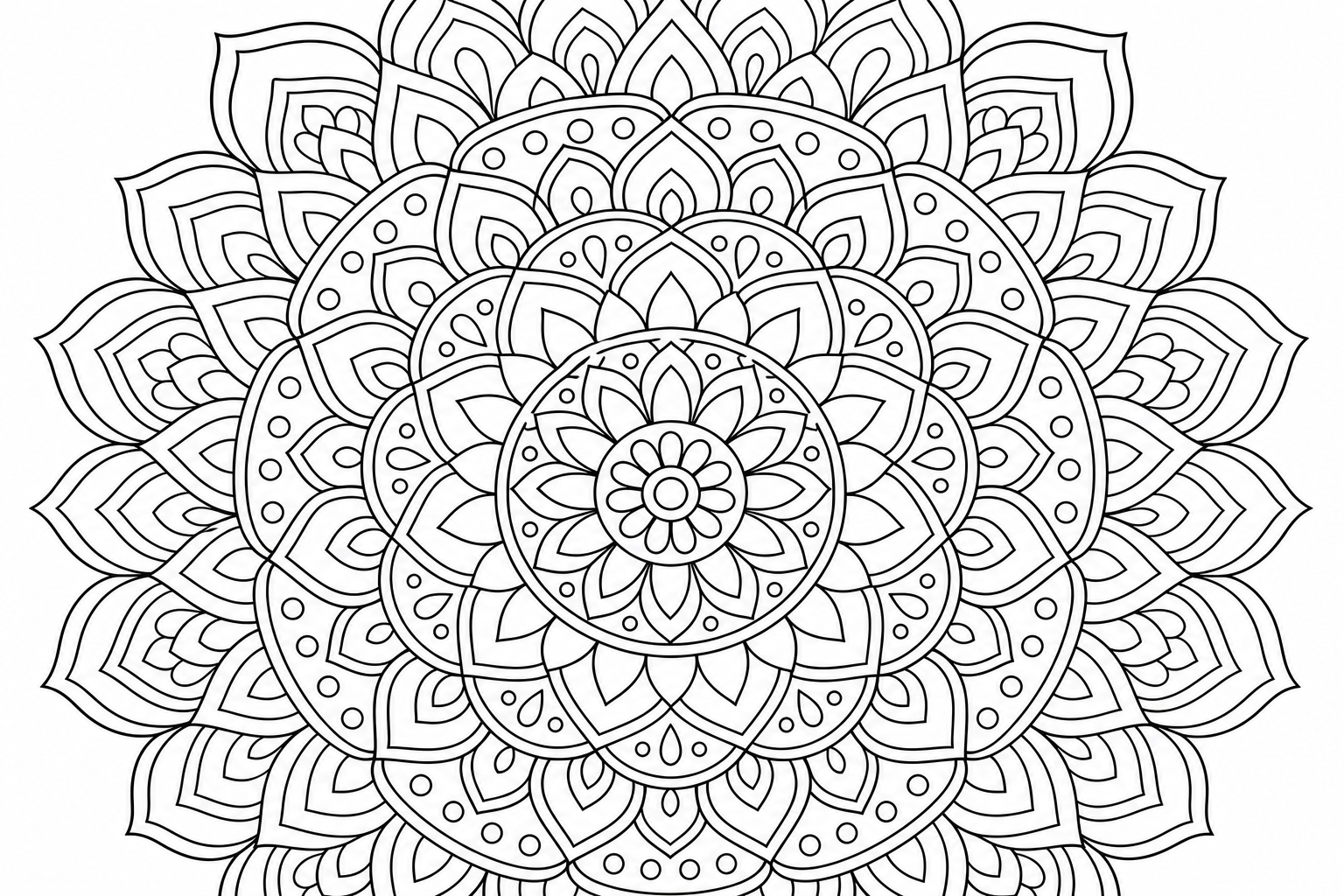
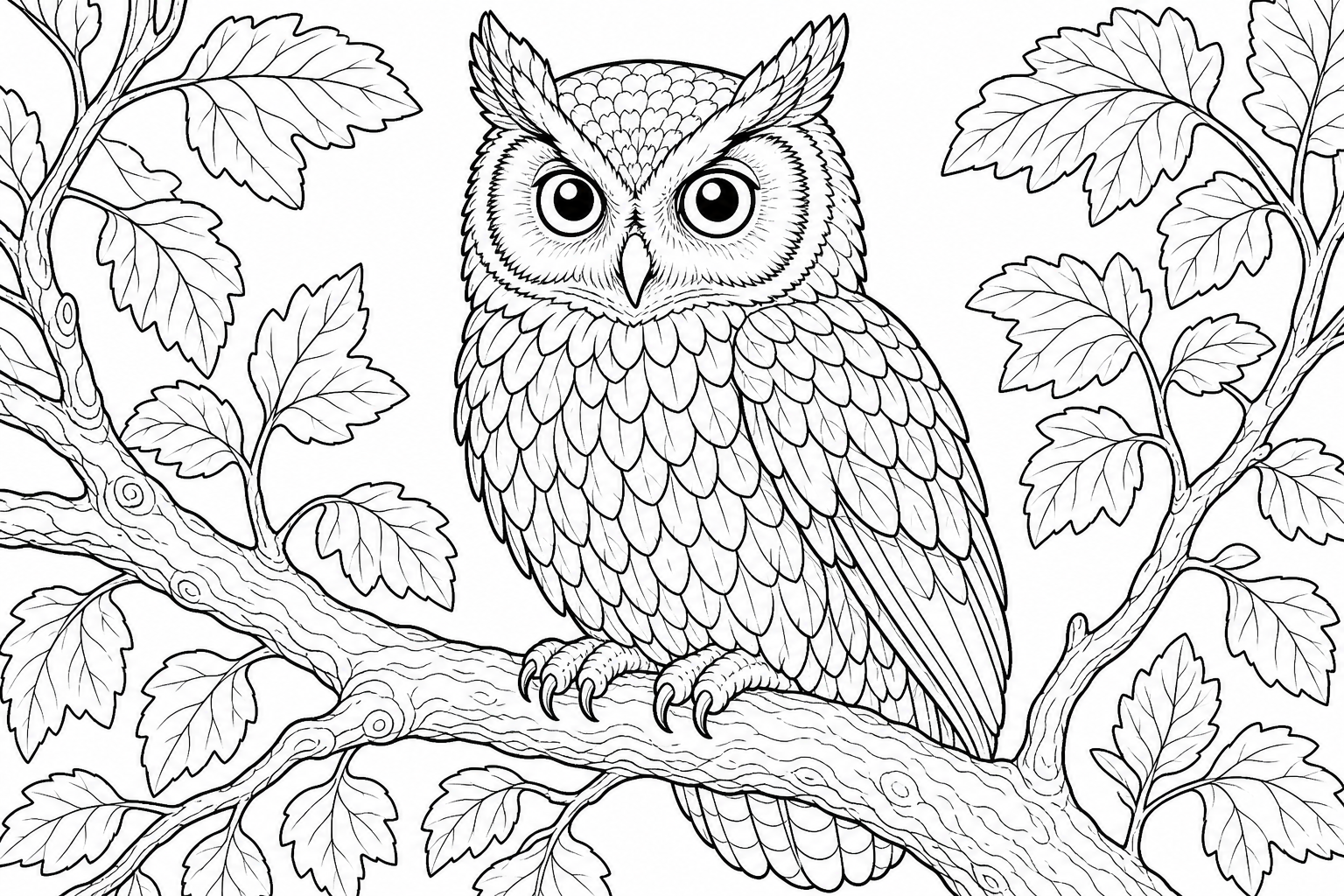
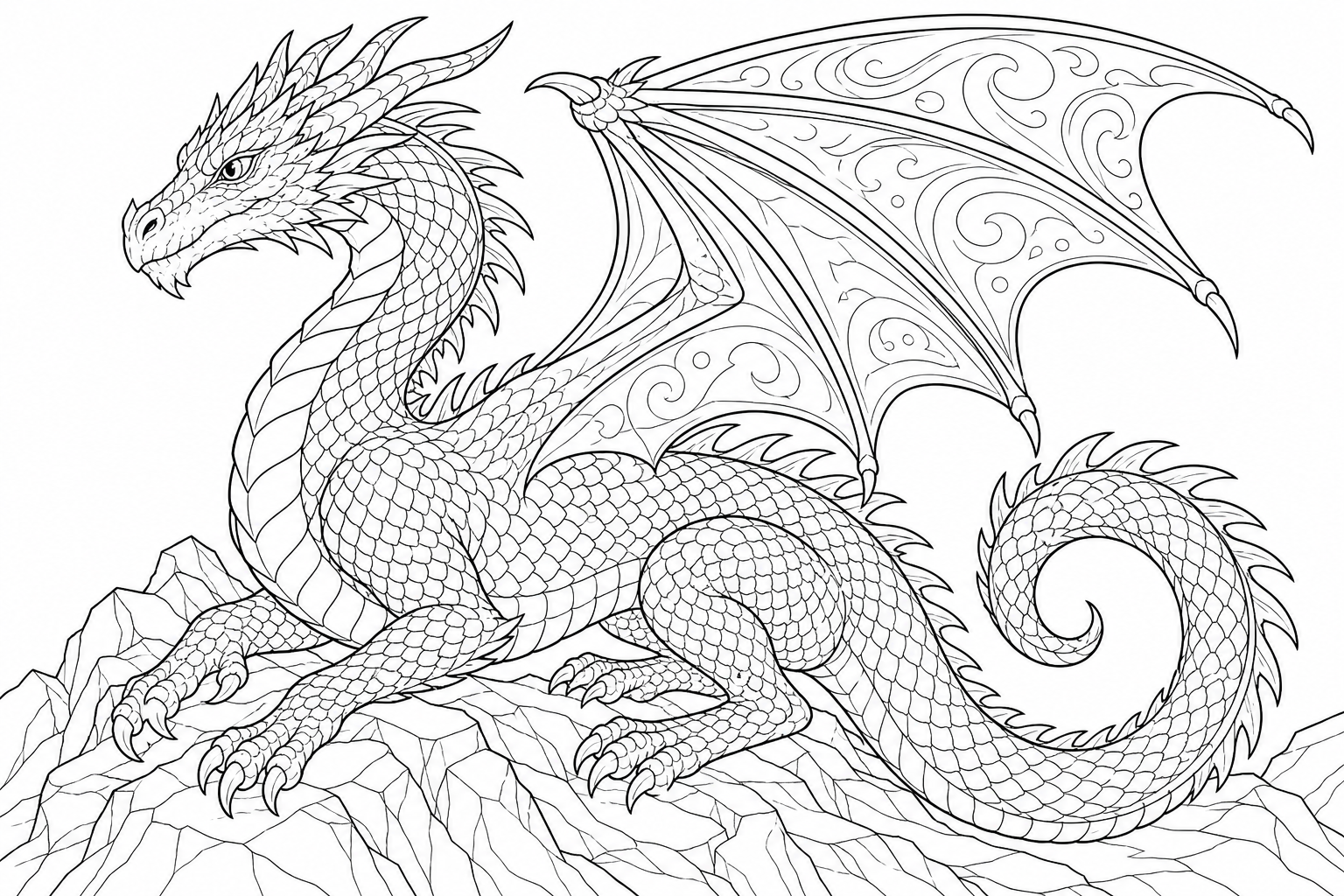
Older children who want more can reach for busier pages like mandalas: more sections, finer detail, more small decisions about what goes where. Those pages stretch attention the way a chapter book stretches a reader.
How to help without turning it into a lesson
You do not need to coach any of this. The skills build on their own as long as the page fits and the mood stays light. A few small things help:
- 1Match the page to the hand. Big simple shapes for little fists, busier scenes once the grip is steady and the patience is there.
- 2Offer short, chunky crayons. They are easier for small fingers to control, and they nudge the grip toward the tripod hold on their own.
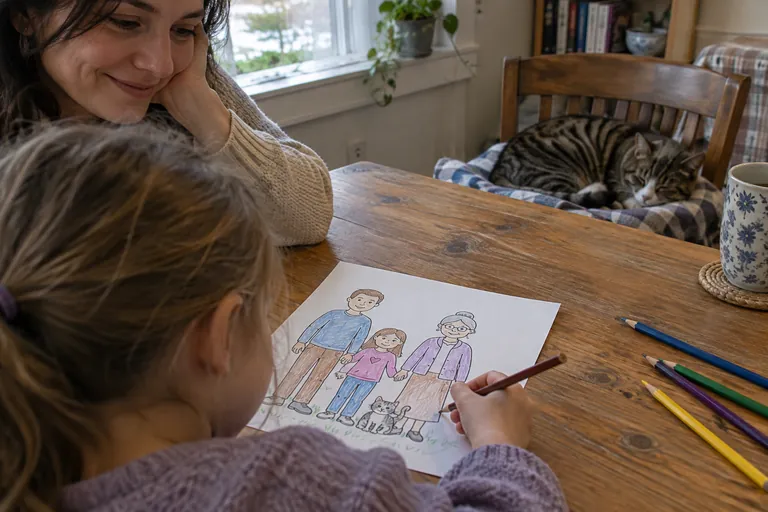
- 3Sit nearby and color your own page. Company beats instruction. A child who sees you absorbed in your page will stay longer with theirs.
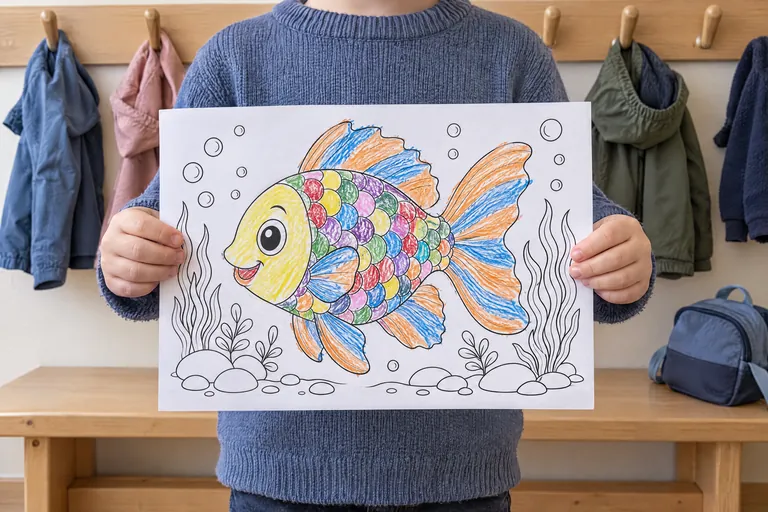
- 4Praise the finish, not the lines. "You colored the whole thing" lands better than "try to stay inside."
- 5Let them choose. Picking the page and the colors is part of the focus, not a delay before it.



Coloring fun for kids — anywhere.
Free for iOS & Android. No ads, no sign-up, offline-ready.


Coloring fun for kids — anywhere.
Free coloring app for kids. iOS and Android, phones and tablets. No ads, no sign-up, even offline.
Print a few and let them go
Pick a couple that suit the hands at your table, print them, and step back. The hand strength and the focus take care of themselves. Your job is mostly to keep the crayons handy and the pressure low.