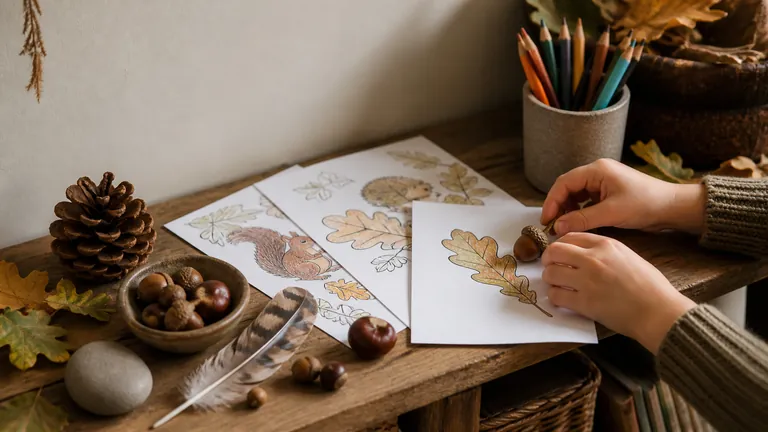
Eleven acorns, two conkers, a feather, and a stone that is only interesting while it is wet. That is what came home in a jacket pocket on Sunday. By Wednesday it is drying out on the windowsill, or it is in the bin and somebody noticed.
A nature table fixes that. It is a shelf, a tray, the end of a bookcase, anything low enough that your child can reach it without asking. What gets collected outdoors gets a place to live indoors, and it changes when the walk changes. The idea comes out of Waldorf and Steiner homes and kindergartens, where the seasonal table quietly marks where the year has got to. It works perfectly well without any of the philosophy attached.
Coloring pages get a job here they do not usually get. They are the backdrop, the labels, and the animals that will not hold still outdoors. Here is how to build one in an afternoon.
1. Go out with a bag and one rule
The rule that works: it has to fit in the bag, and nothing alive comes home. Snails stay, beetles stay, the good stick can come. Twenty minutes in a park is enough. Acorns, an oak leaf still holding its shape, a pinecone, a seed pod that rattles.
Tell your kid what a jay does while they are picking acorns off the ground. A single jay buries thousands of acorns each autumn and never finds them all again, which is how a good number of oak woods get planted in the first place (UC Oaks has the numbers). After that, an acorn on the path stops being just an acorn.
2. Give the shelf a backdrop
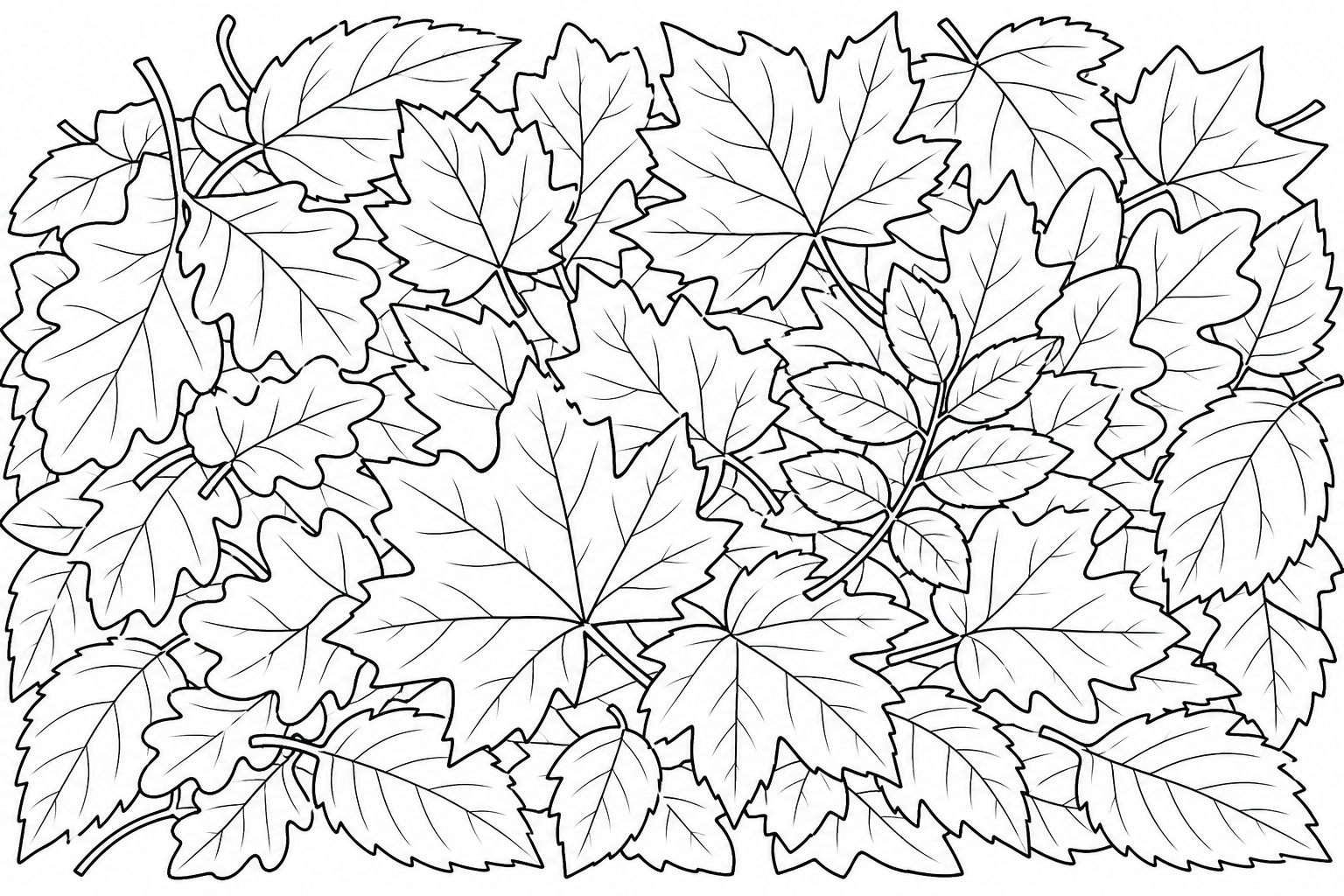
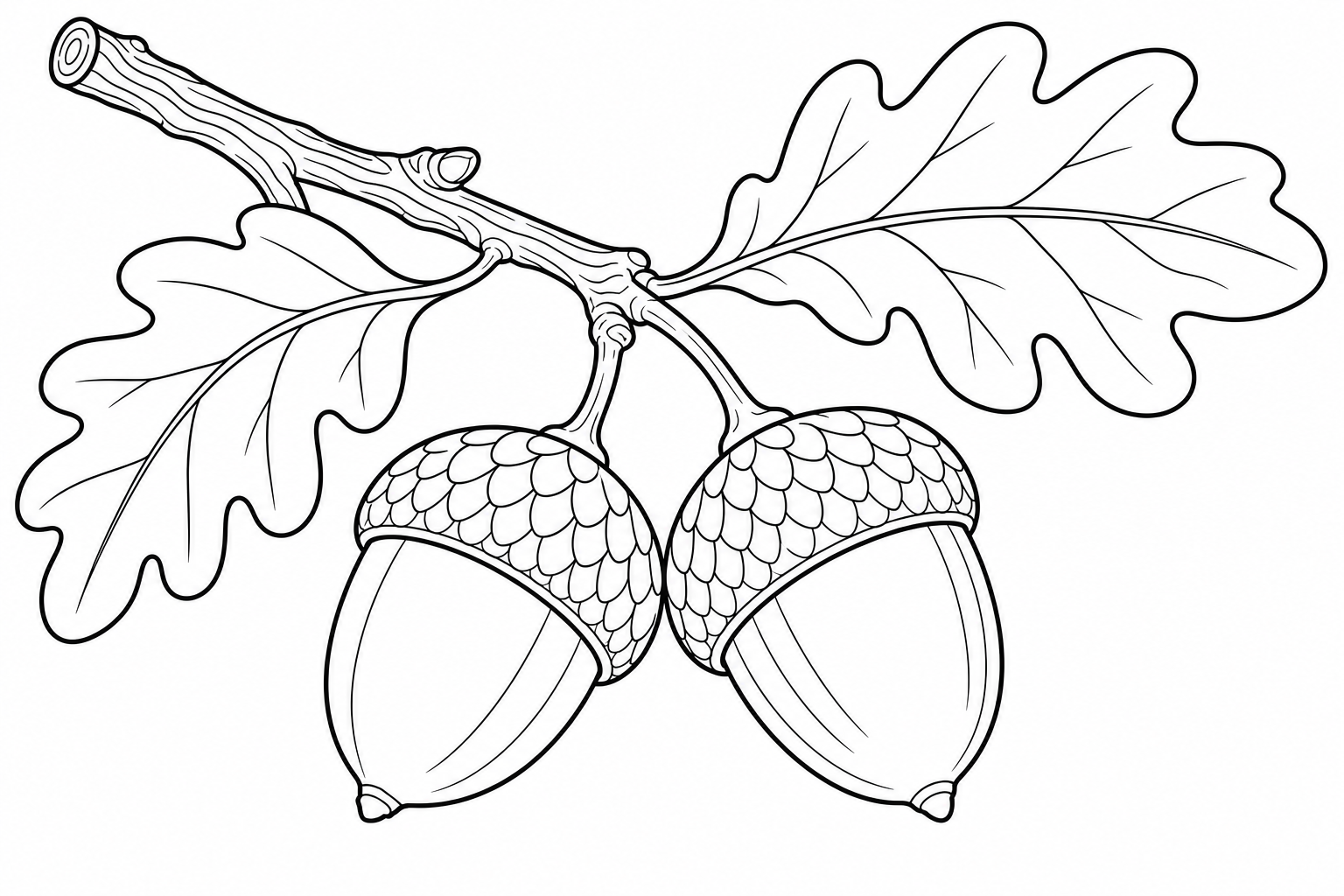
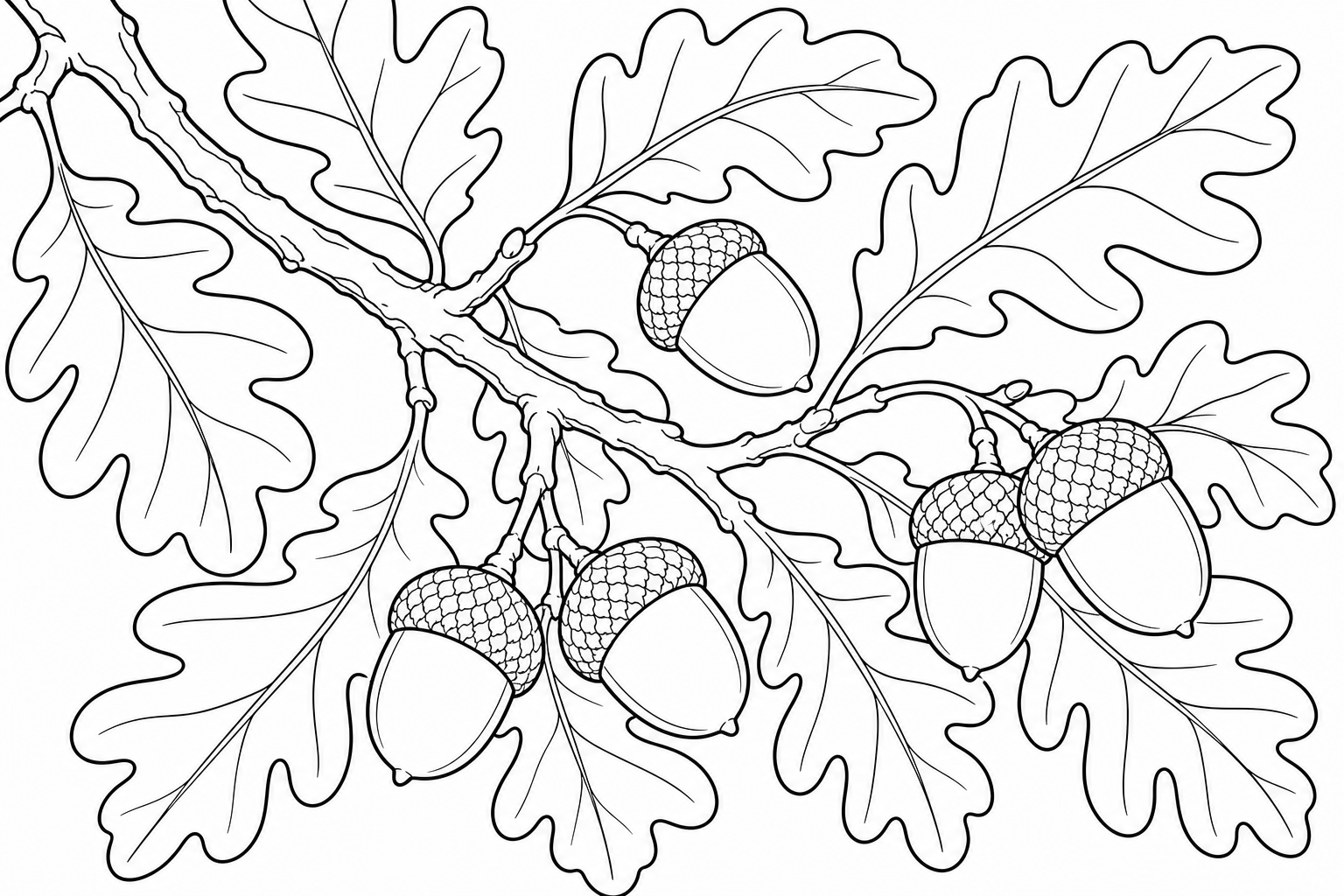
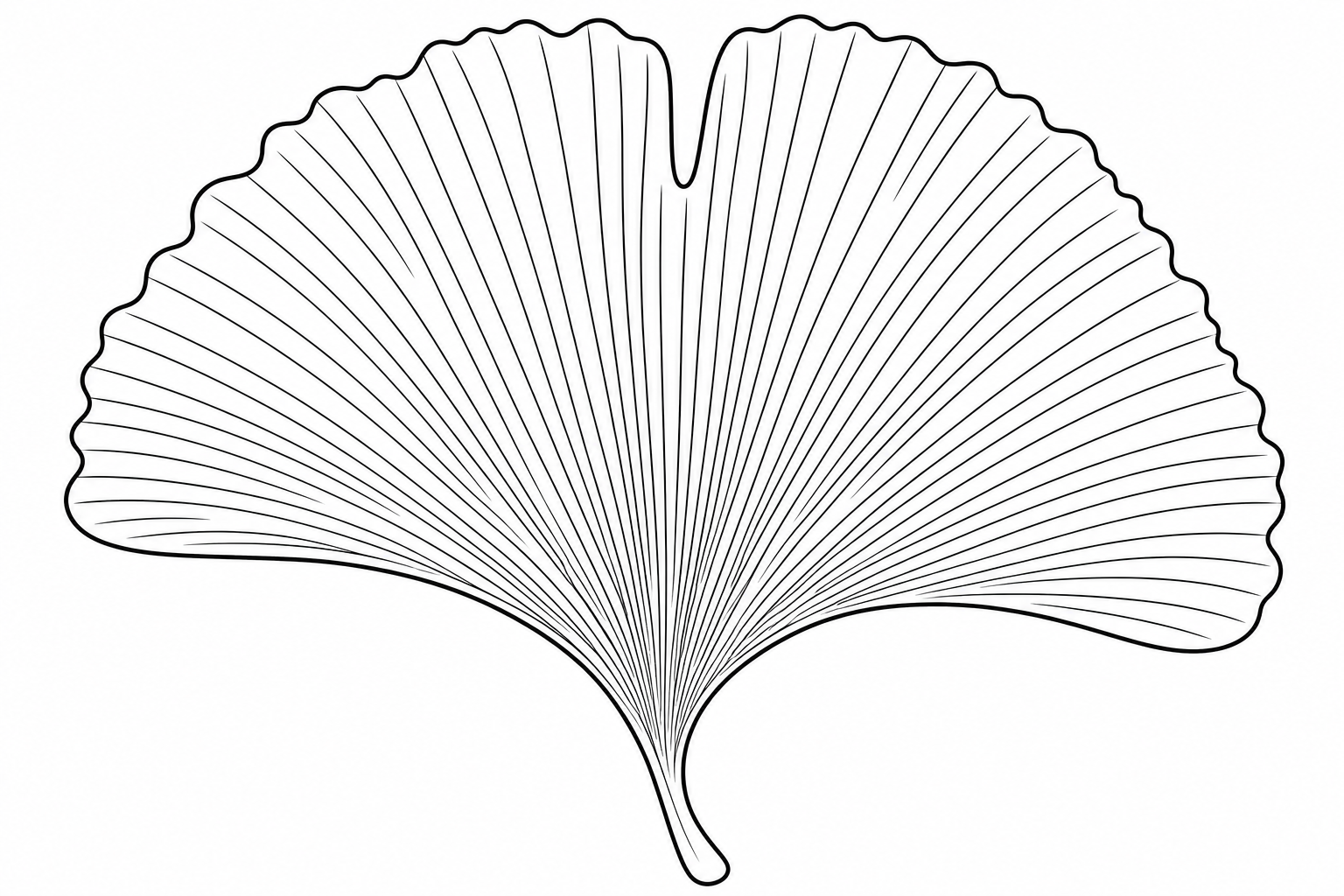
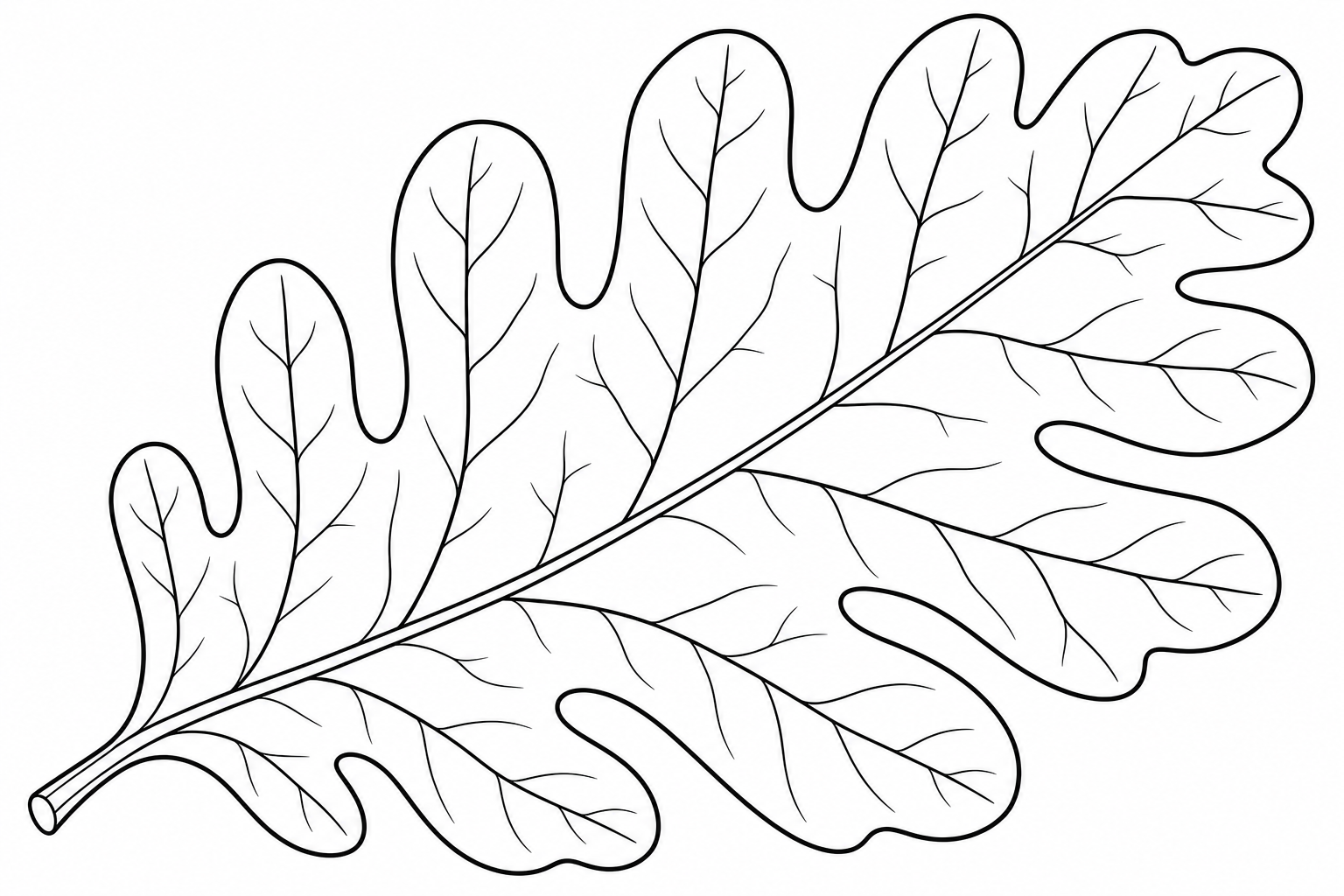
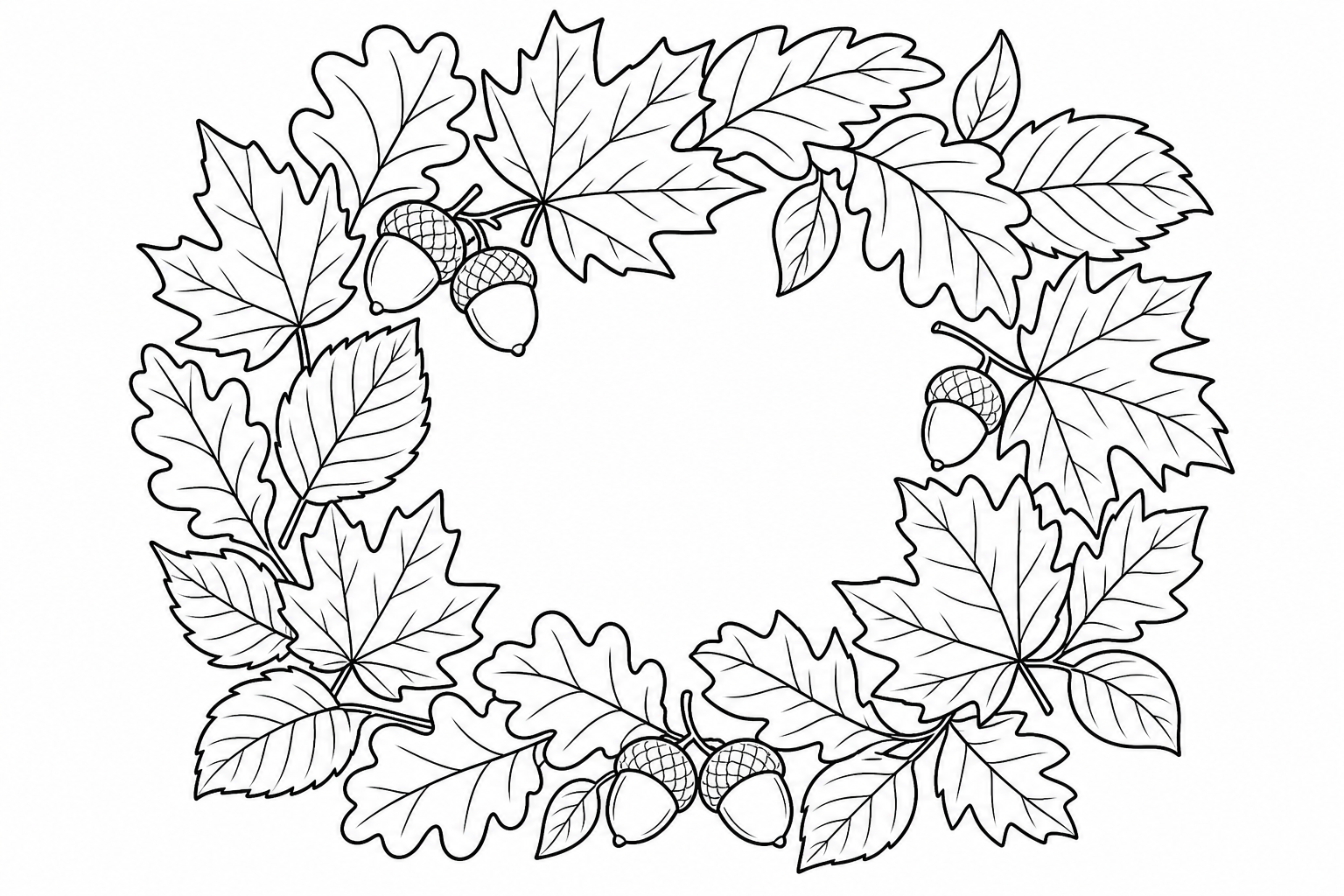
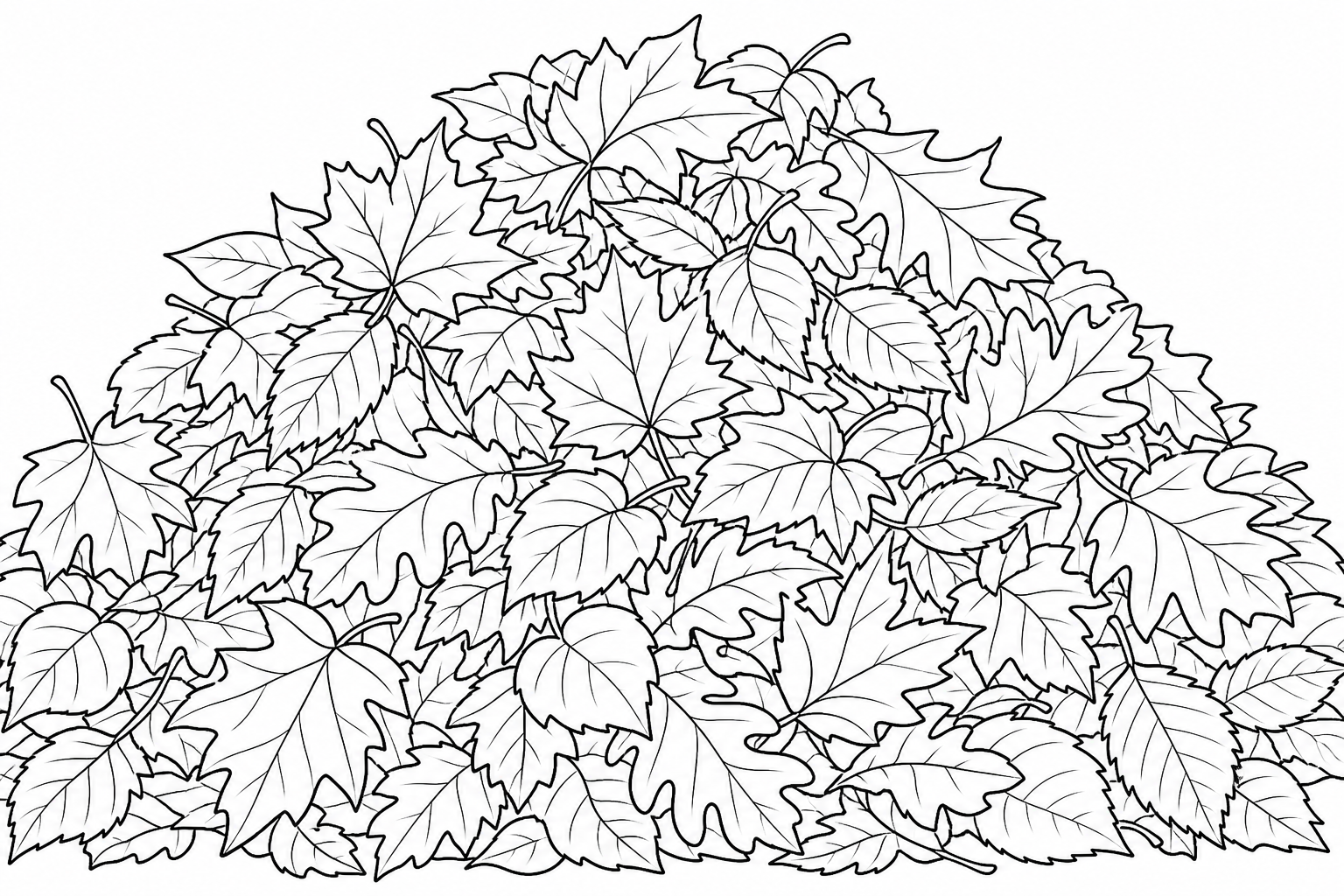
A pile of acorns on a bare shelf looks like a pile of acorns. Put something behind it and the whole thing turns into a scene. Print two or three big single-leaf pages, let your child color them, then stand them upright at the back. Tape them to a cereal box cut in half, or lean them against the wall.
Large simple shapes work better here than busy ones, because they read from across the room. If the printer is the part of this that usually goes wrong, the settings that make a page come out crisp take about a minute to fix.



Coloring fun for kids — anywhere.
Free for iOS & Android. No ads, no sign-up, offline-ready.


Coloring fun for kids — anywhere.
Free coloring app for kids. iOS and Android, phones and tablets. No ads, no sign-up, even offline.
3. Let the pages do the labelling
This is the part kids take seriously. Under each colored leaf, your child writes what it is: oak, maple, ginkgo, the one nobody could identify. A child who cannot write yet draws a small copy of the object instead, which is the same task in a different alphabet.
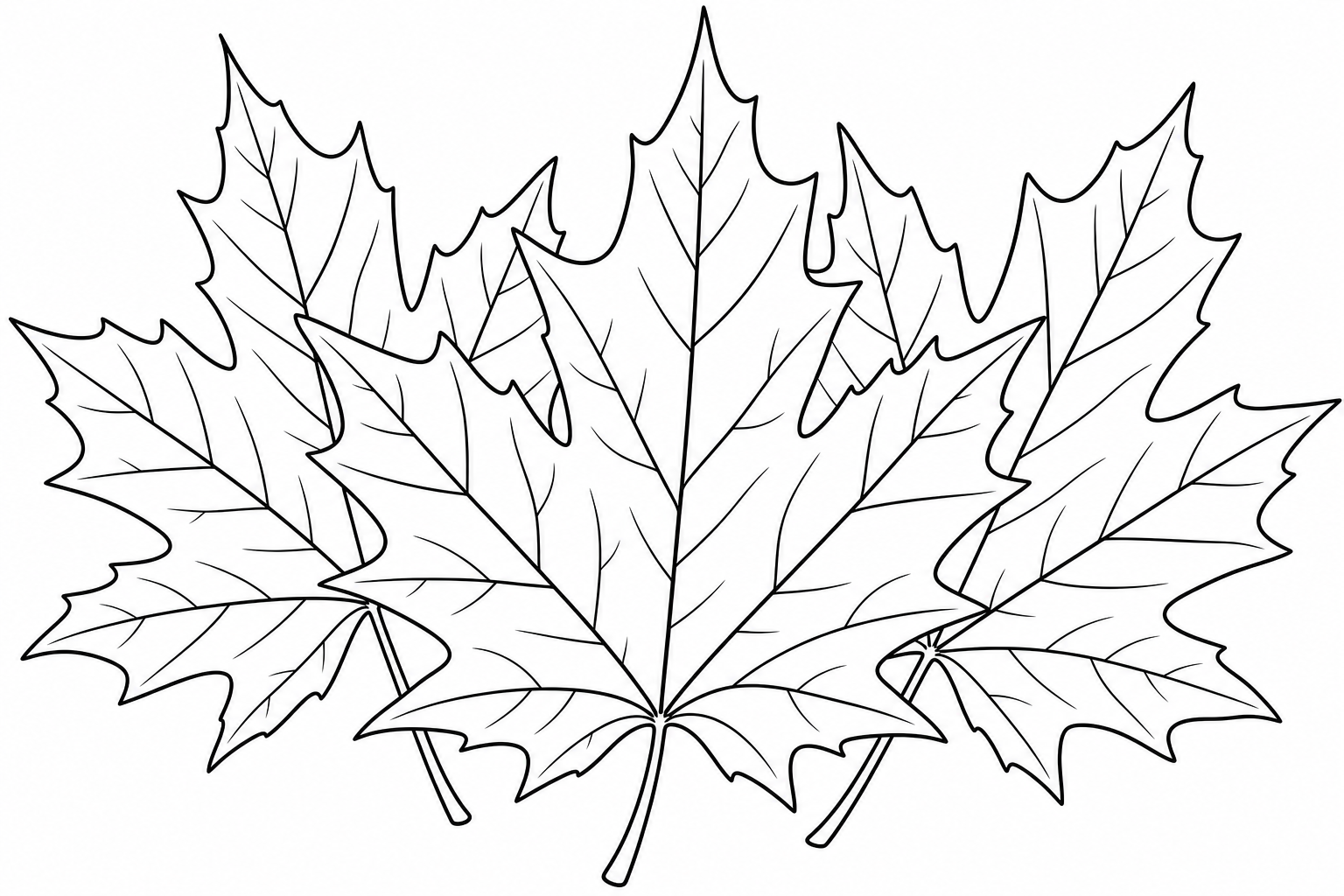
Matching a real leaf from the bag to the drawn one is where the looking happens. Lobes, points, the way the veins run. It is the quiet version of telling autumn leaves apart by shape, done at a table with the actual leaf in hand.
4. Leave a corner for the animals
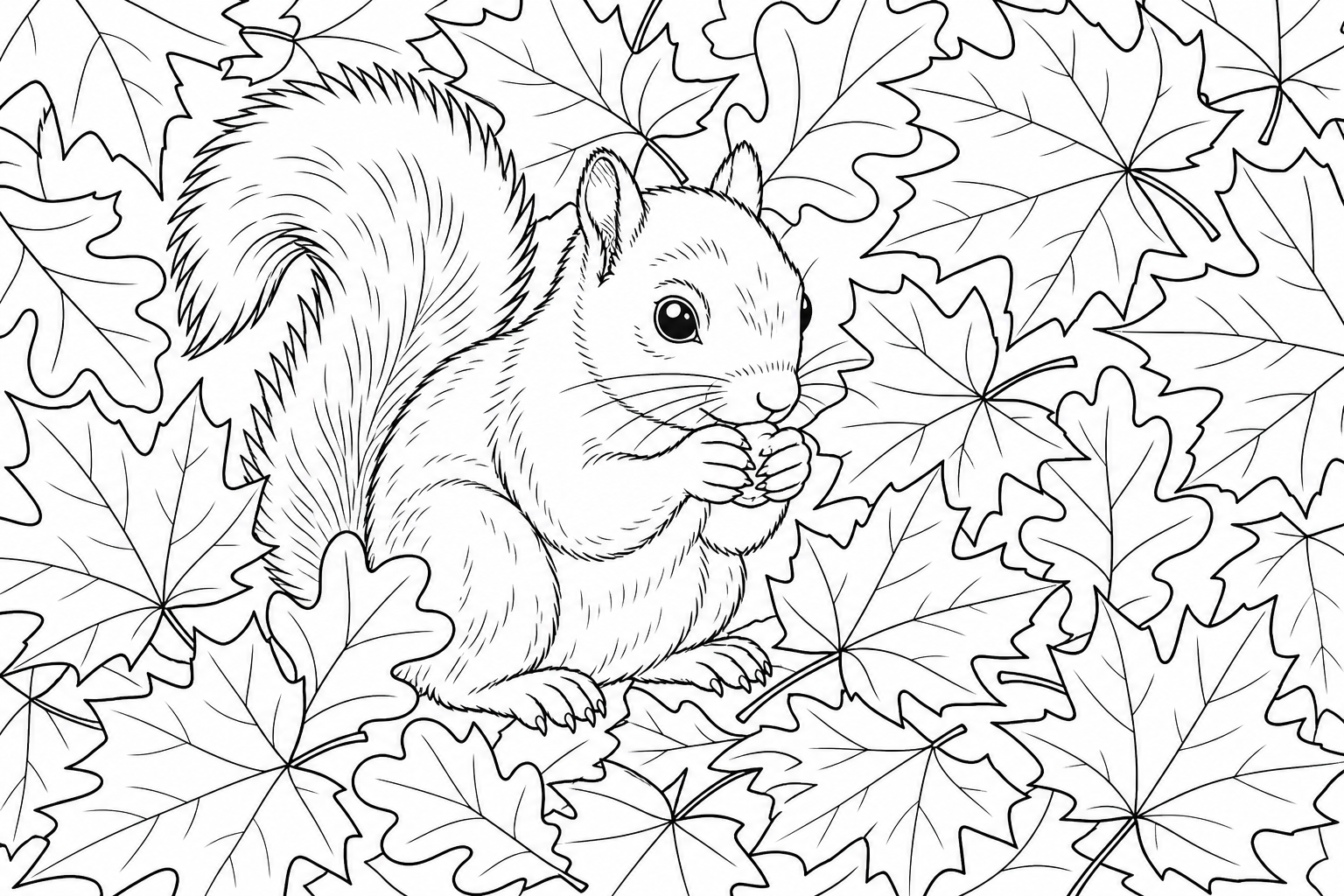
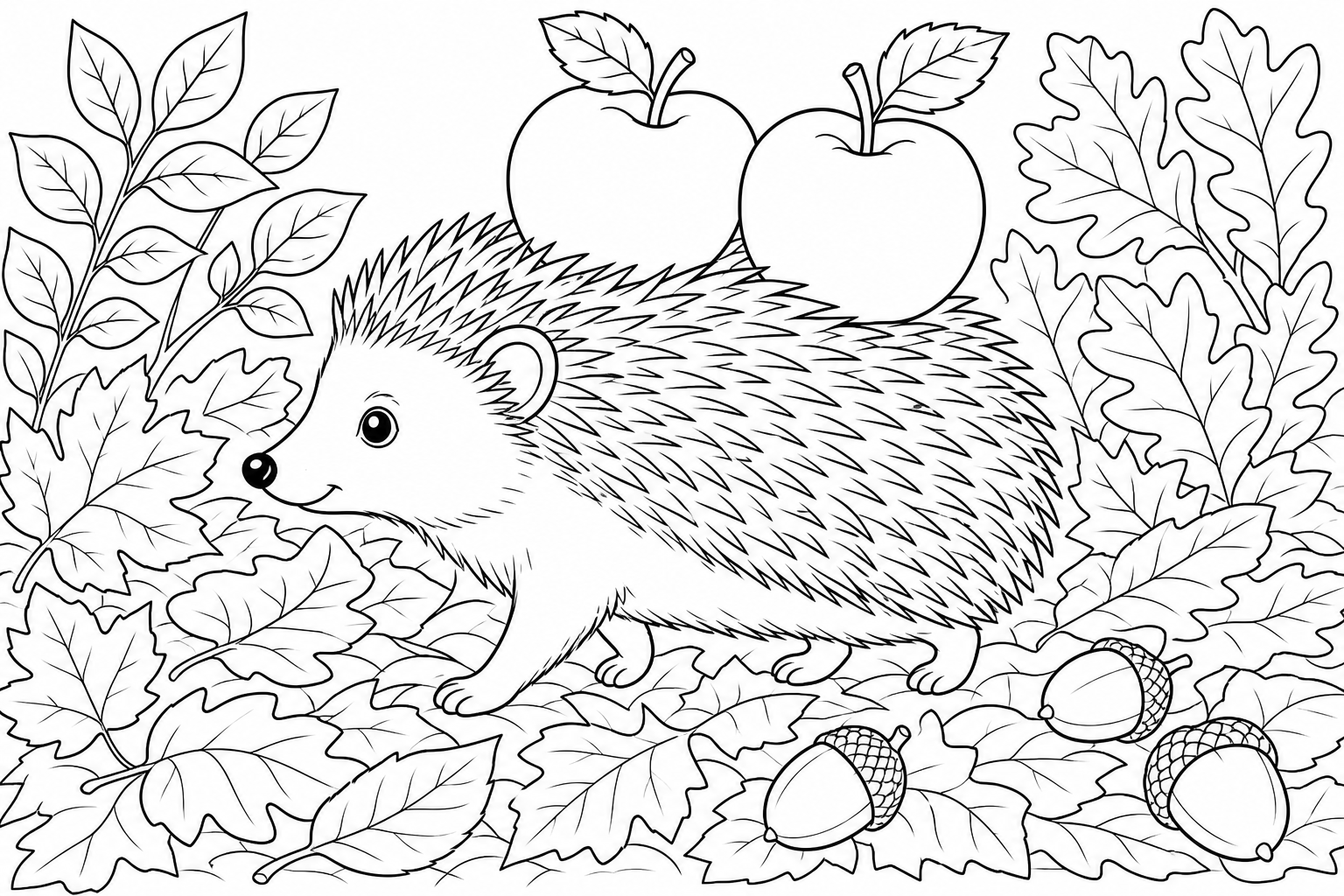
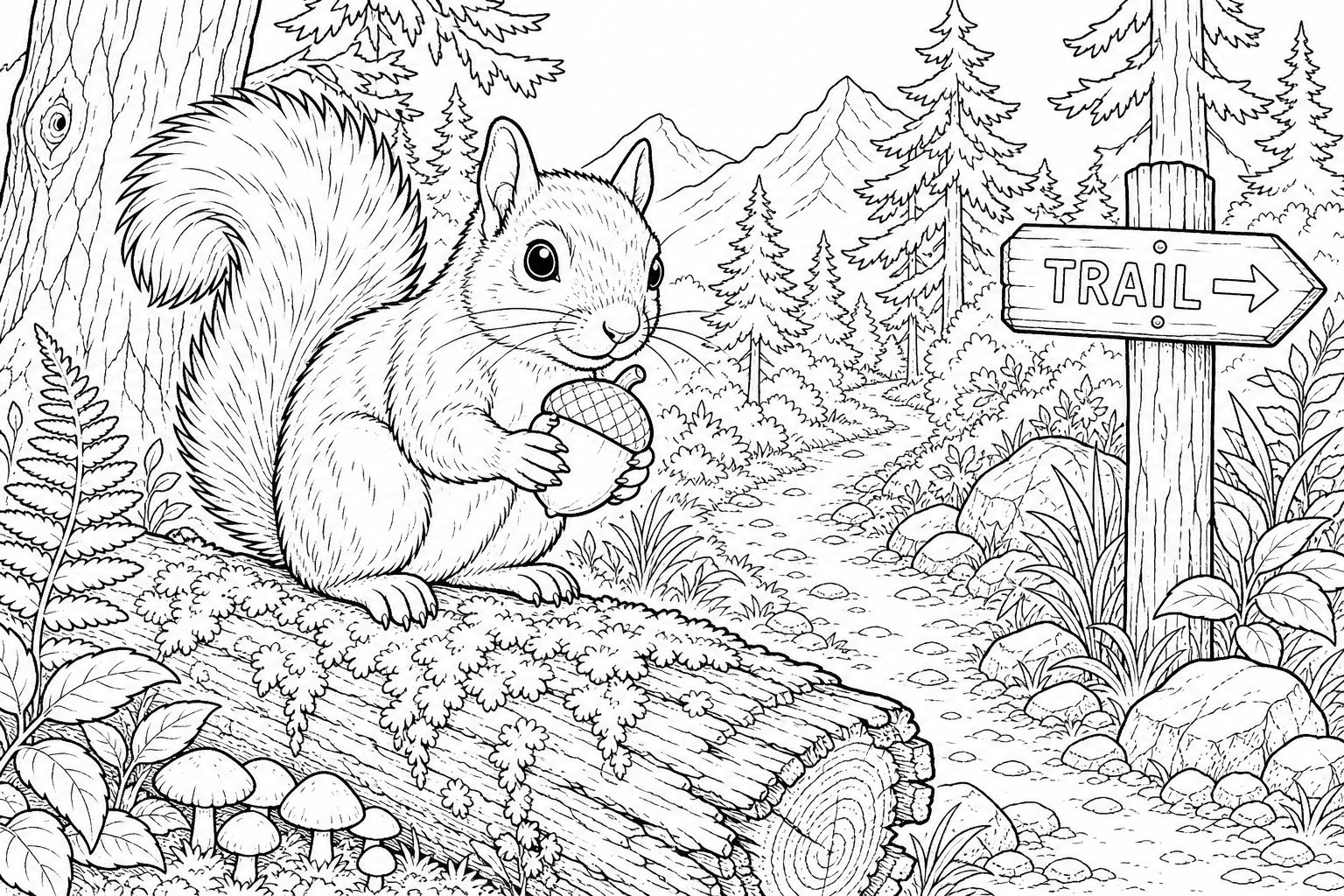
Nothing you find on the walk moves, and that is the gap the pages fill. A squirrel page, a hedgehog page, a bird page: color them, fold a small tab at the bottom, and they stand up among the acorns like the residents of the shelf.
5. Change it when the walk changes
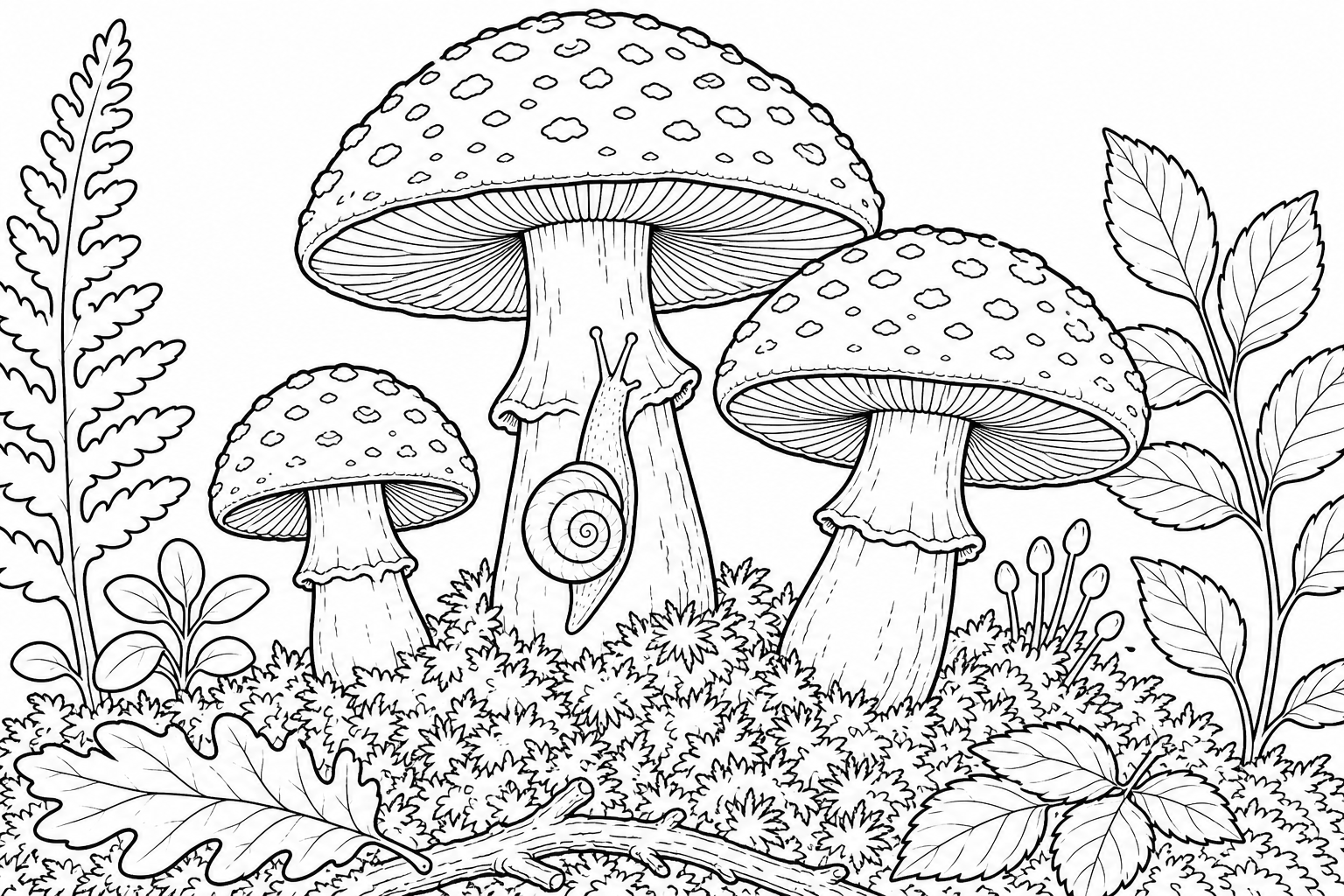
A nature table stops working the moment it becomes a display nobody touches. Give it a job every week or two: the brown things go out, the new things come in, and one page gets swapped for a page that fits what is happening outside now. Early September is green with a few edges turning. October is the loud part, when the mushrooms come up overnight and get looked at rather than picked. November is bare twigs, seed heads, and the last leaves that stayed on.
Let your child be the one who decides what goes and what stays. It is their shelf, and the deciding is half of what they get out of it.
What else could you color?
Pick a prompt or type your own — opens in a new tab.
What it looks like a week later
"Why is the shelf empty?"
"Because we are going out again."
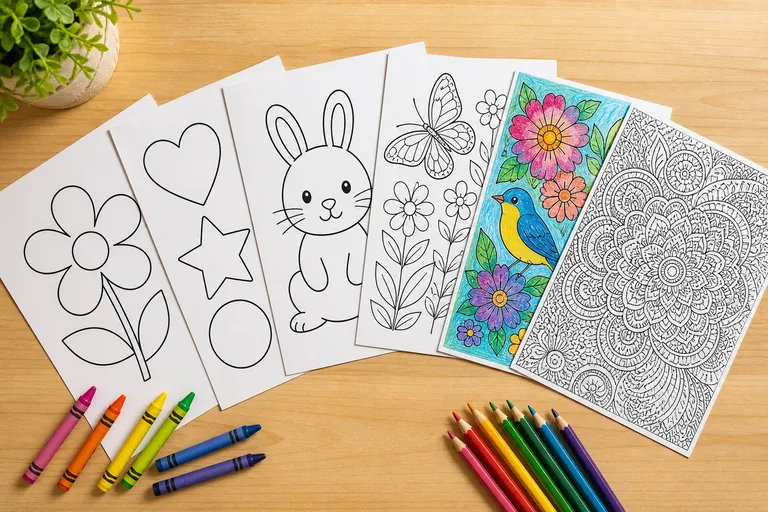
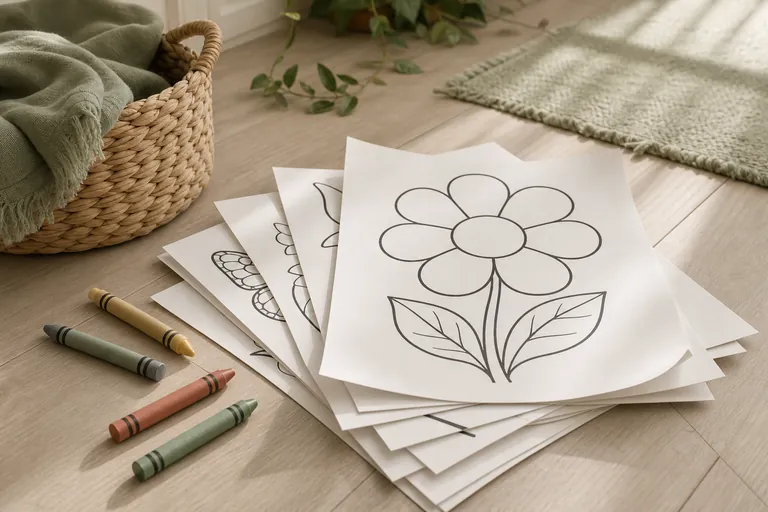
Print a handful of pages, keep the tape somewhere findable, and let the shelf empty out on purpose. Here is the full set to start with.
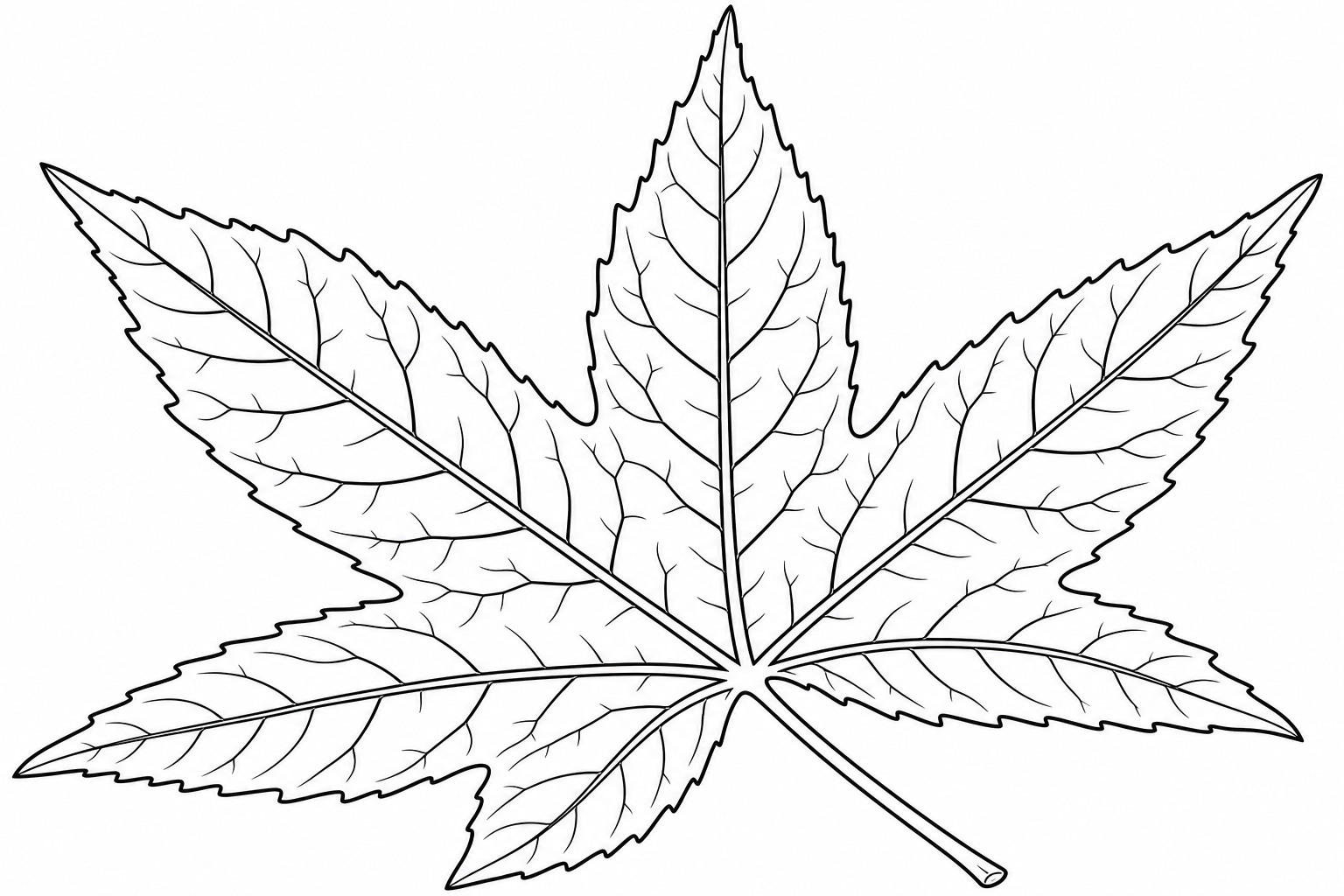
Sweetgum Leaf Coloring Page
Try these coloring pages!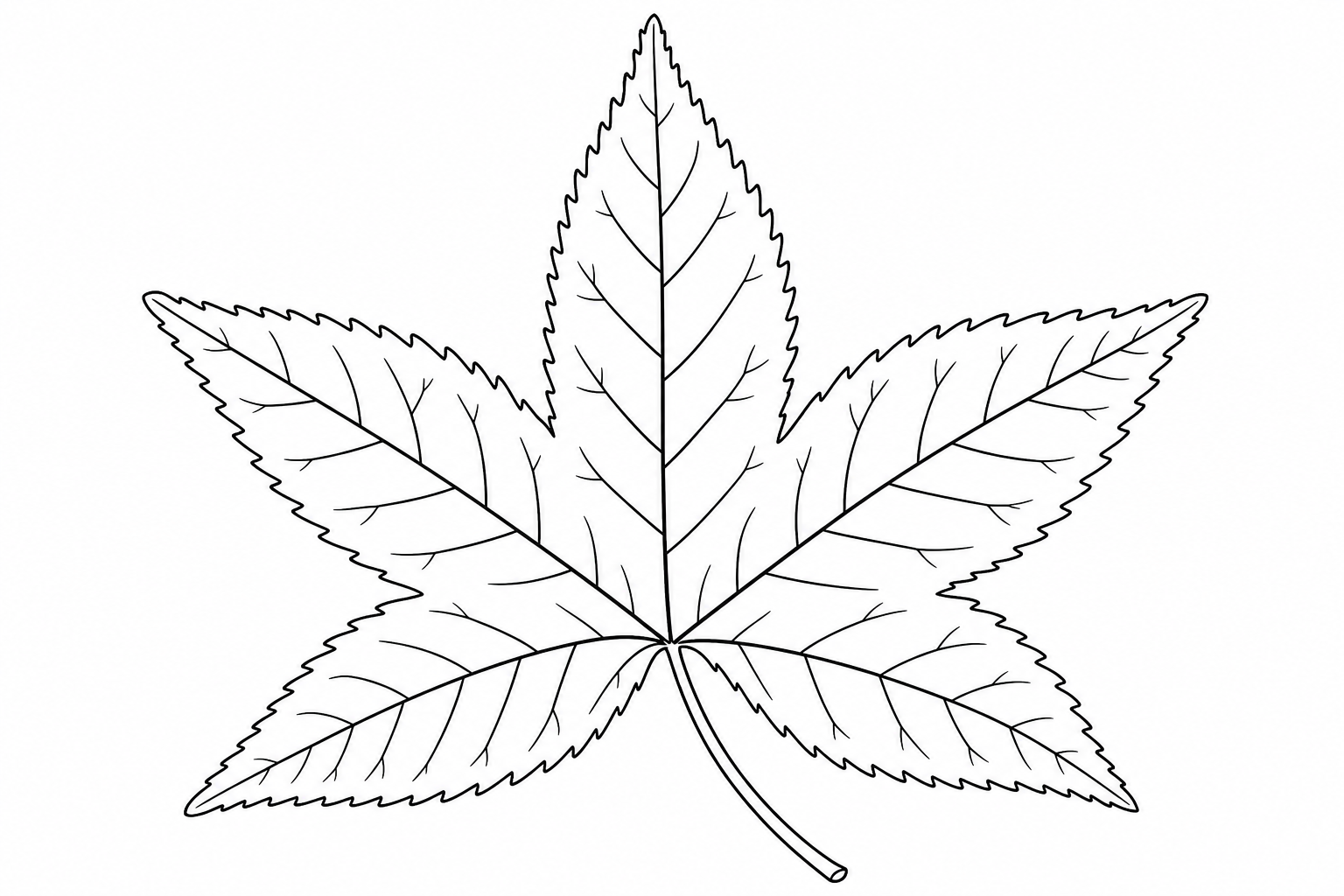
Sweetgum Leaf Coloring Page for Kids
Try these coloring pages!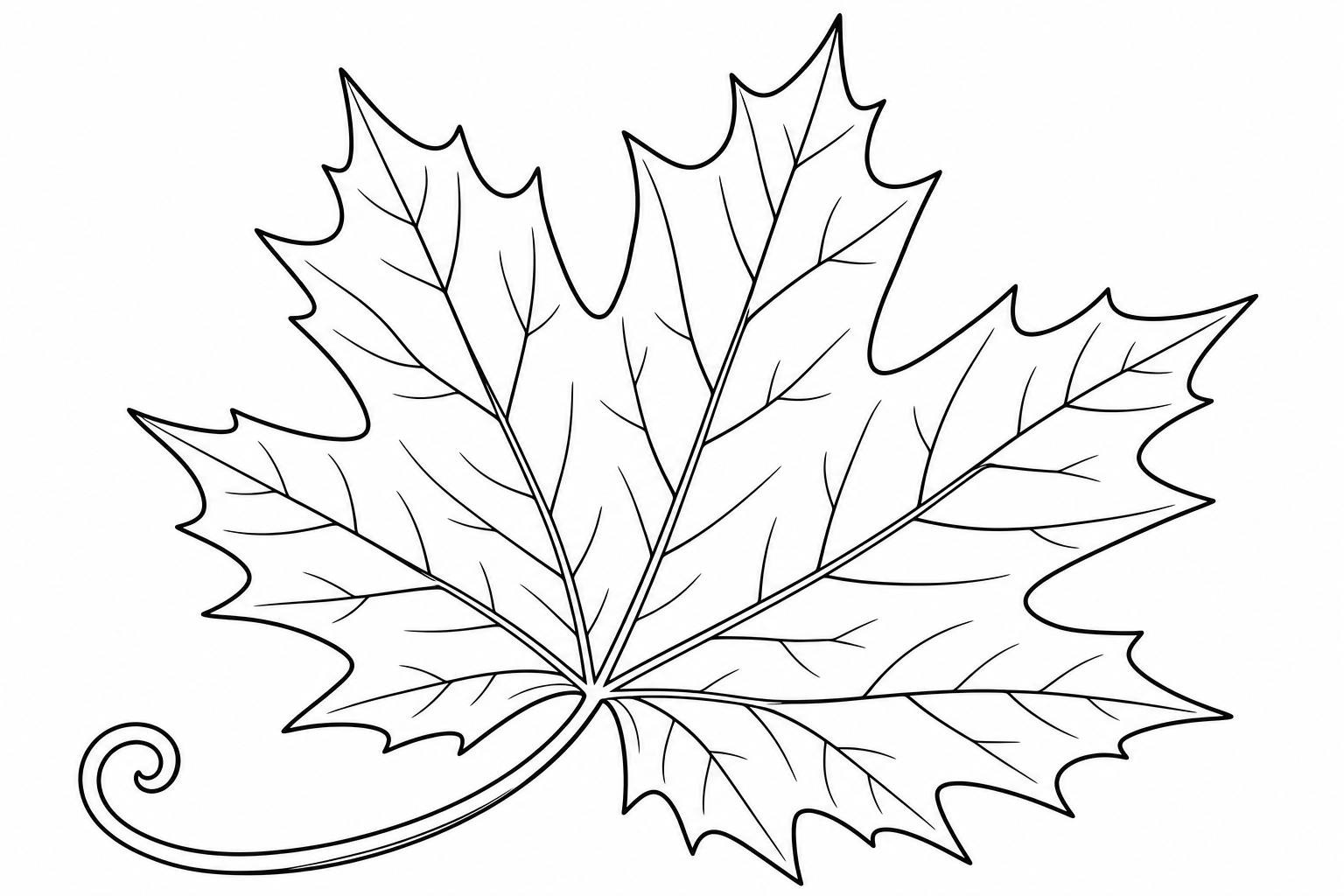
Maple Leaf Coloring Page for Kids
Try these coloring pages!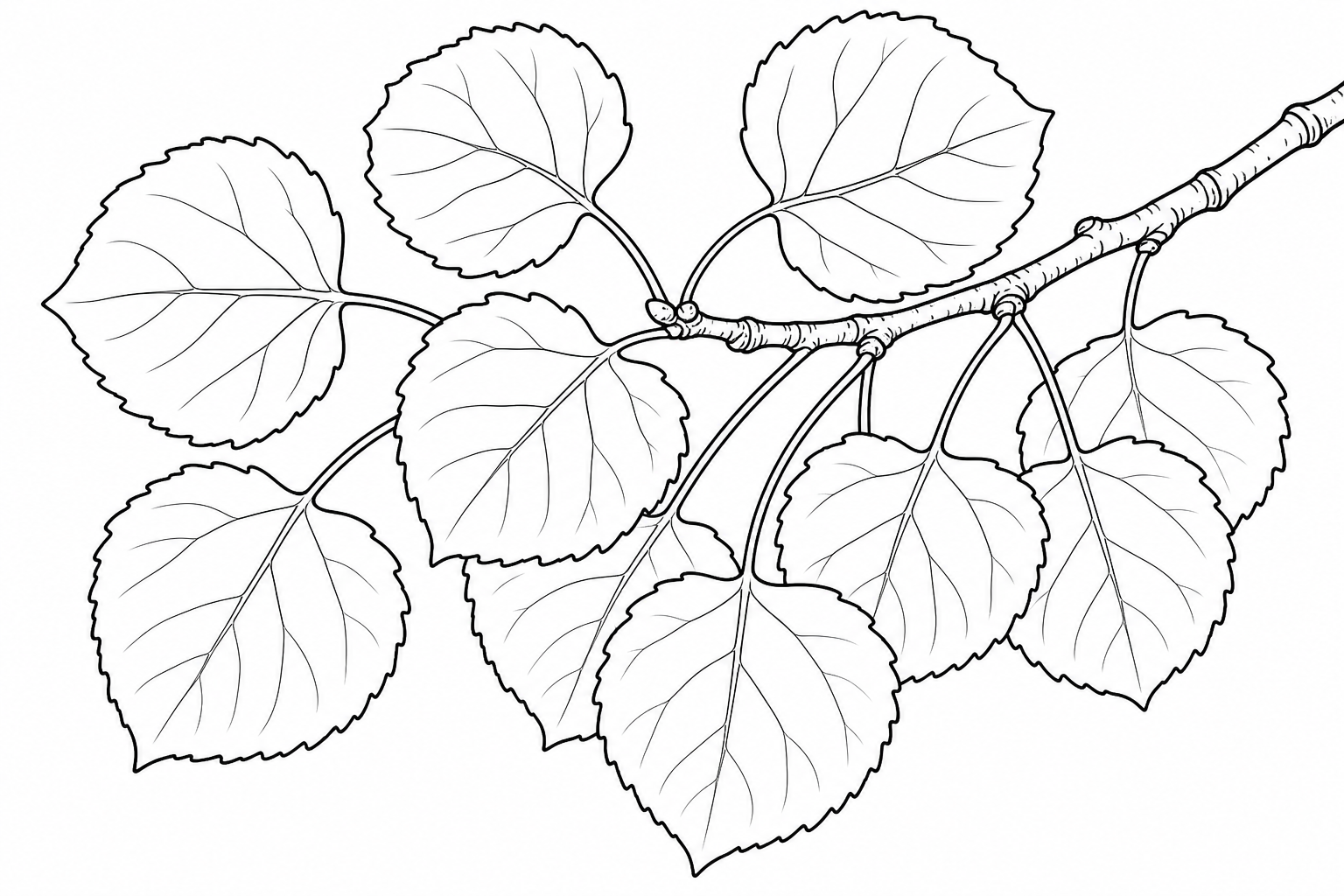
Aspen Leaves Coloring Page for Kids
Try these coloring pages!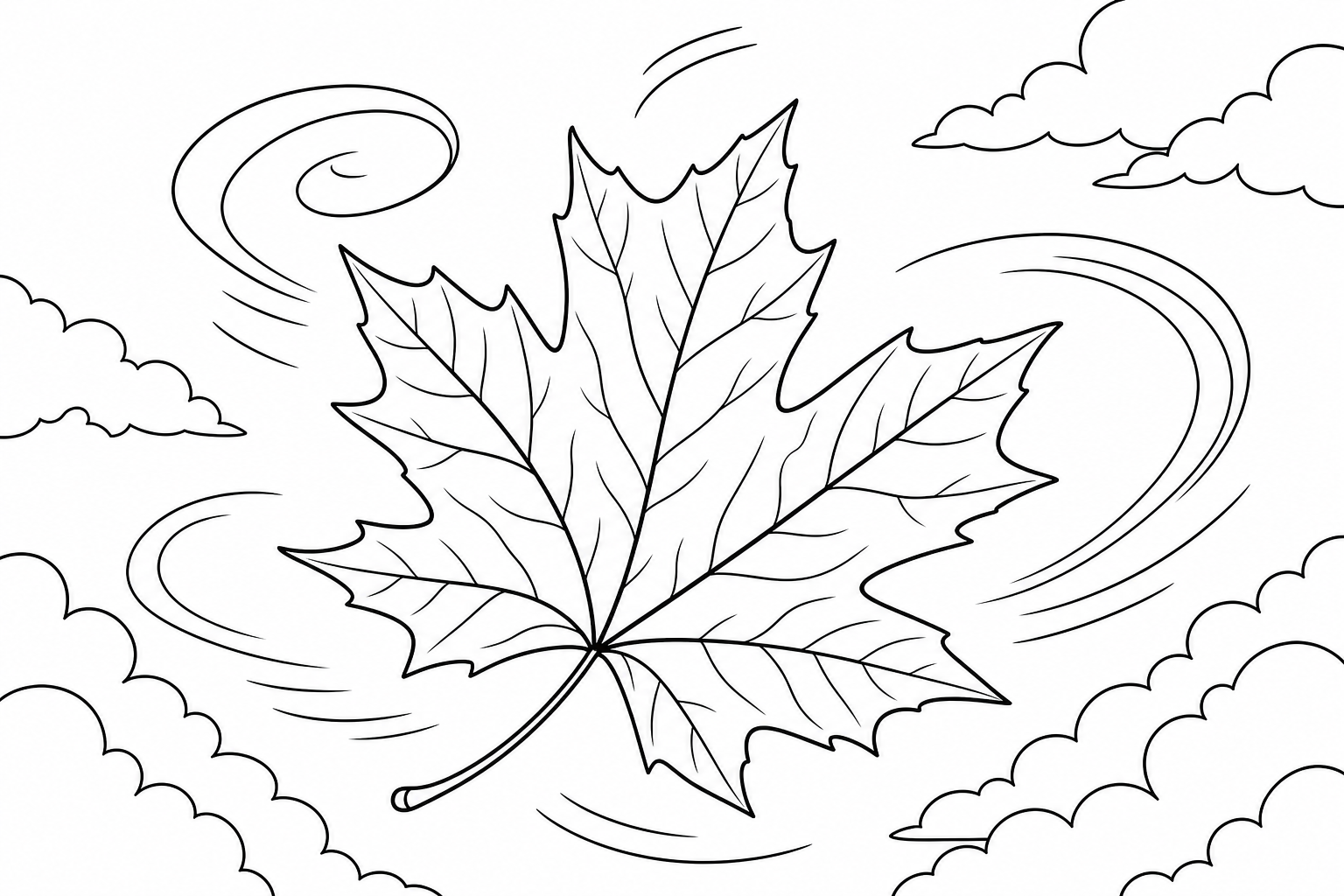
Maple Leaf Coloring Page for Kids
Try these coloring pages!