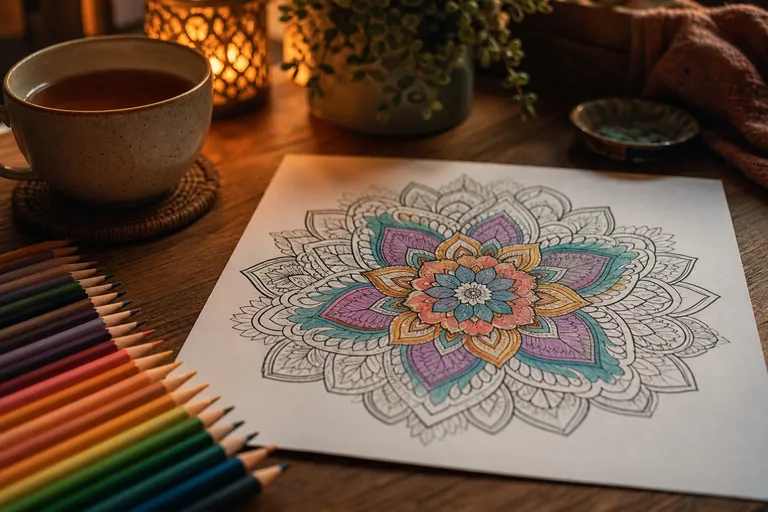
There is a moment, a few rings in, when you stop picking colors and just follow the pattern. The mandala has a center, and everything circles back to it. Your pencil goes around once, then around again, and the noise in your head gets a little quieter.
That is the whole appeal. A mandala is not really a picture to fill in. It is a shape that tells your attention where to go.
Why a circle is easy to get lost in
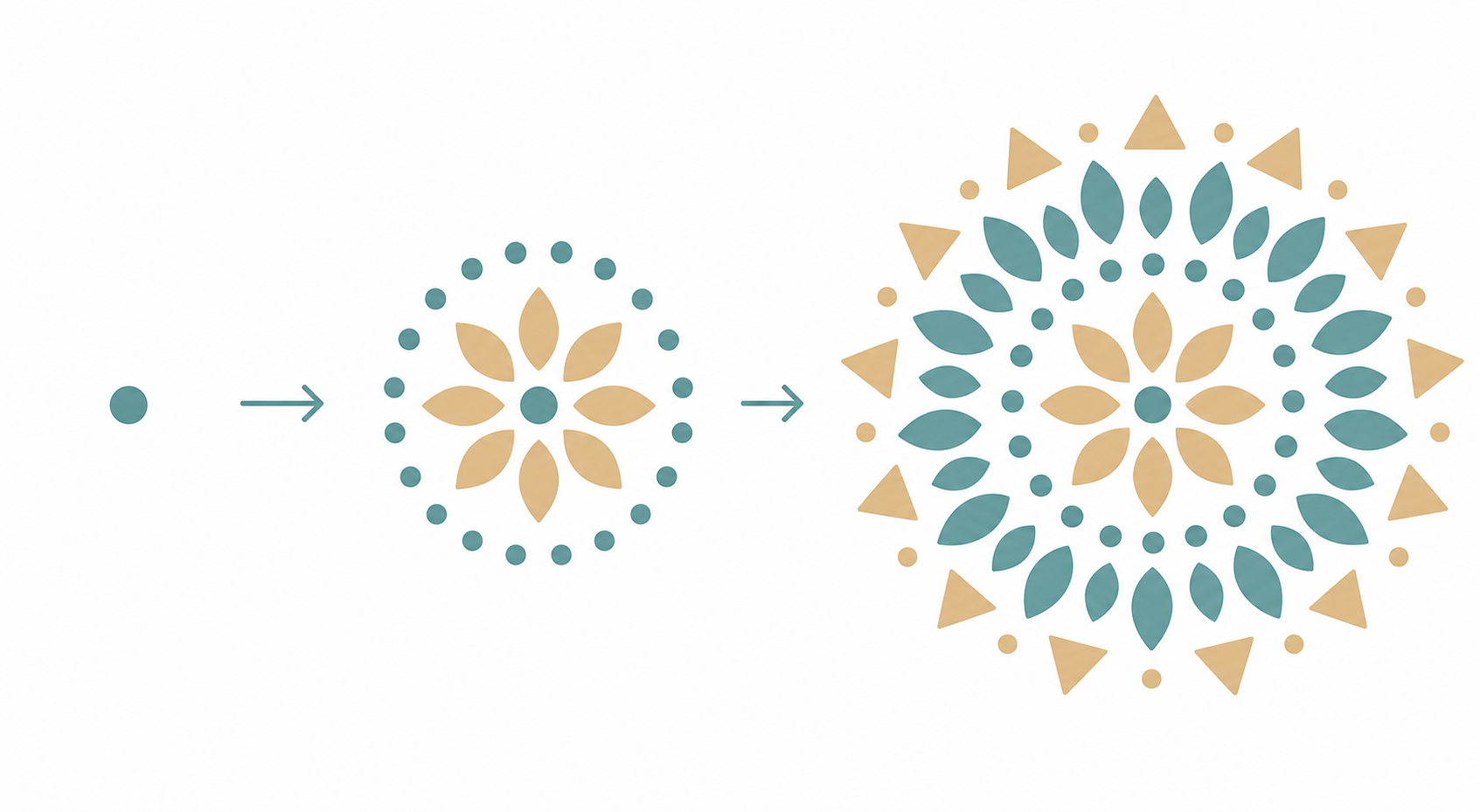
A mandala is built on radial symmetry: one center point, then rings of a repeating motif spreading outward. Because each ring repeats, you are not deciding what comes next so much as continuing what is already there. That steady repetition is closer to a breathing exercise than to drawing.
People have actually studied whether this calms you down, and the honest answer is: somewhat, and not uniquely. A 2021 review of the research found that coloring a structured pattern can lower short-term anxiety, though mandalas were not clearly better than other kinds of structured coloring. So the effect is less about the mandala shape itself and more about the repetition it asks of you. If calm is what you are after, the wider case for coloring and stress holds across plenty of page styles.
How to color one on purpose
Most people open a mandala and start wherever their eye lands. Try the opposite. A little structure up front makes the whole thing more settling.
- 1Start at the center. Color the innermost shape first and let the page grow outward the way it was drawn. The center sets the palette for everything else.
- 2Pick a rhythm, not just colors. Choose a small set of three or four colors and repeat them around each ring. Mirroring opposite sections, top against bottom, left against right, keeps the symmetry intact and gives your hands an easy rule to follow.
- 3Let the ring repeat. Finish one full ring before moving out to the next. The repeating motion is the part that quiets your mind, so do not rush to the edge.
- 4Stop when it feels done. A mandala does not have to be fully colored to be finished. A bright center inside a plain outer ring can look deliberate.
Pick a mandala for the mood you are in
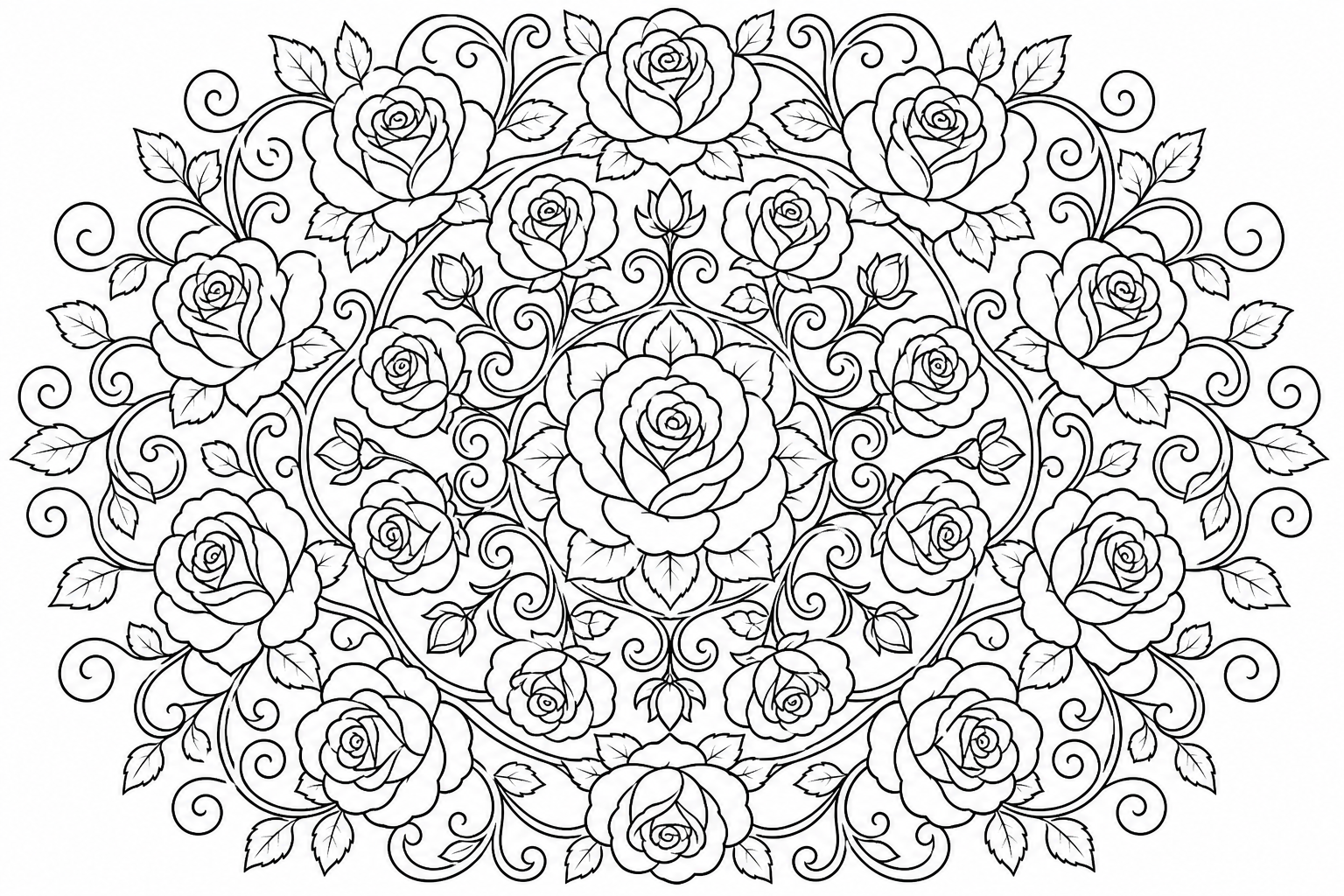
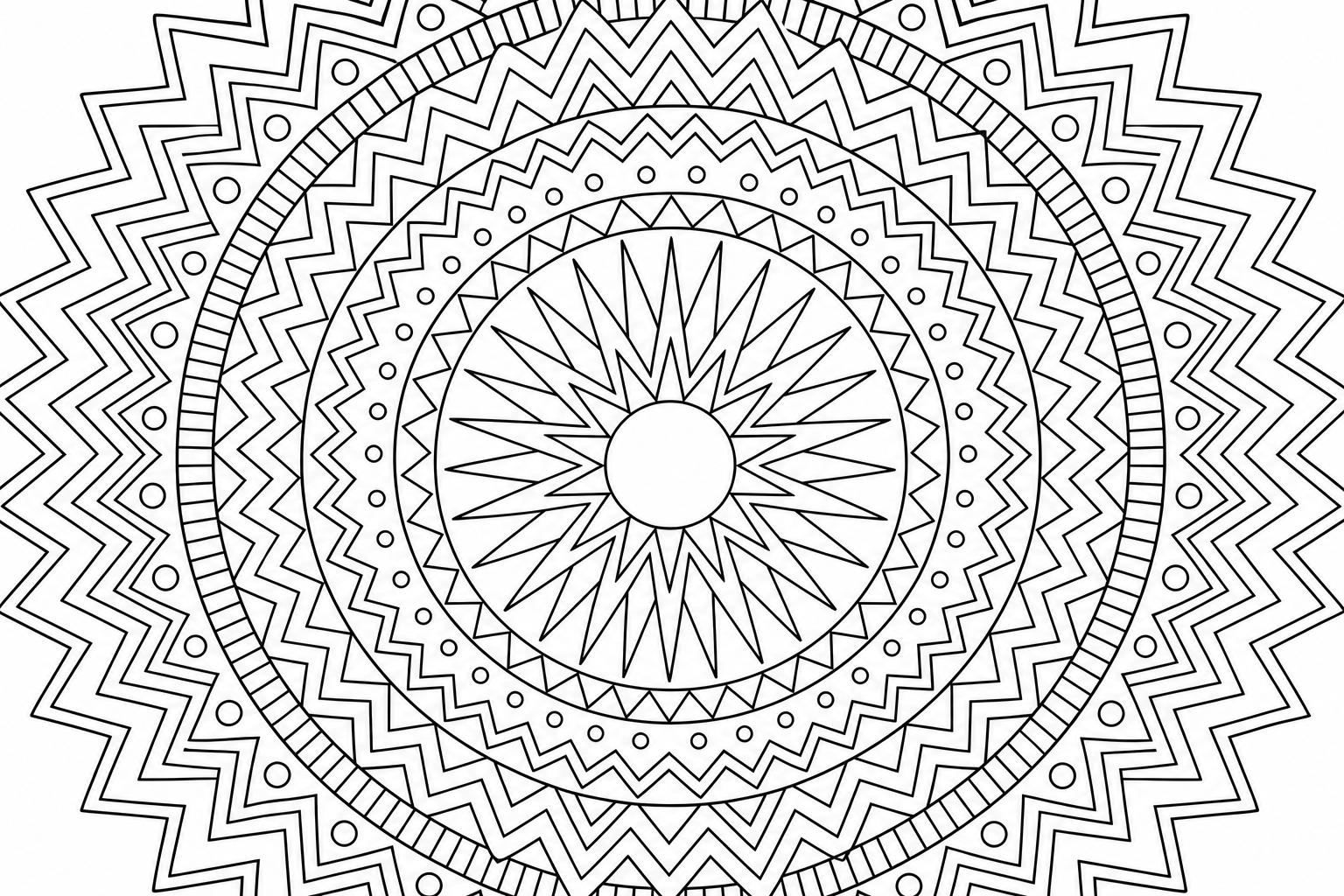
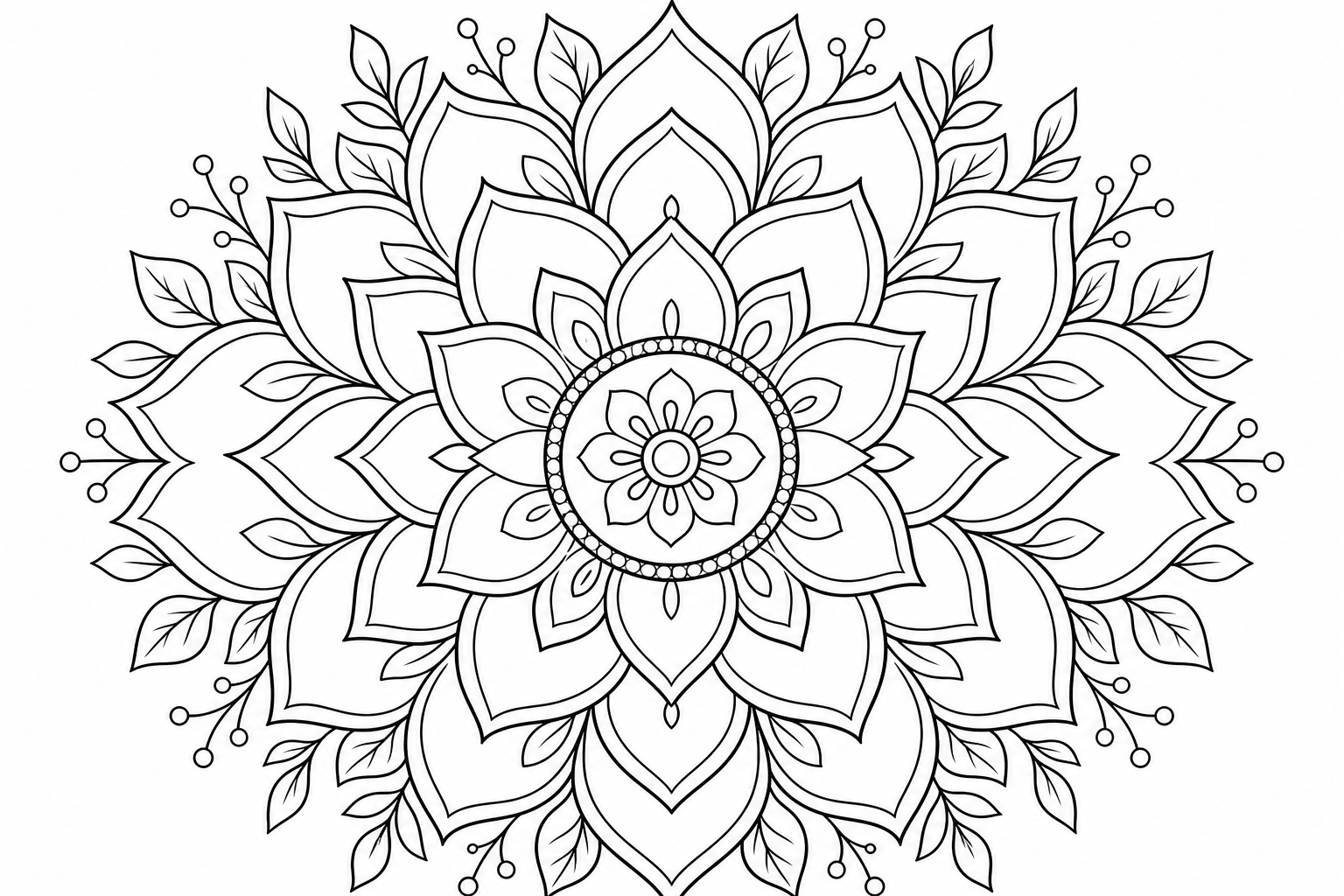
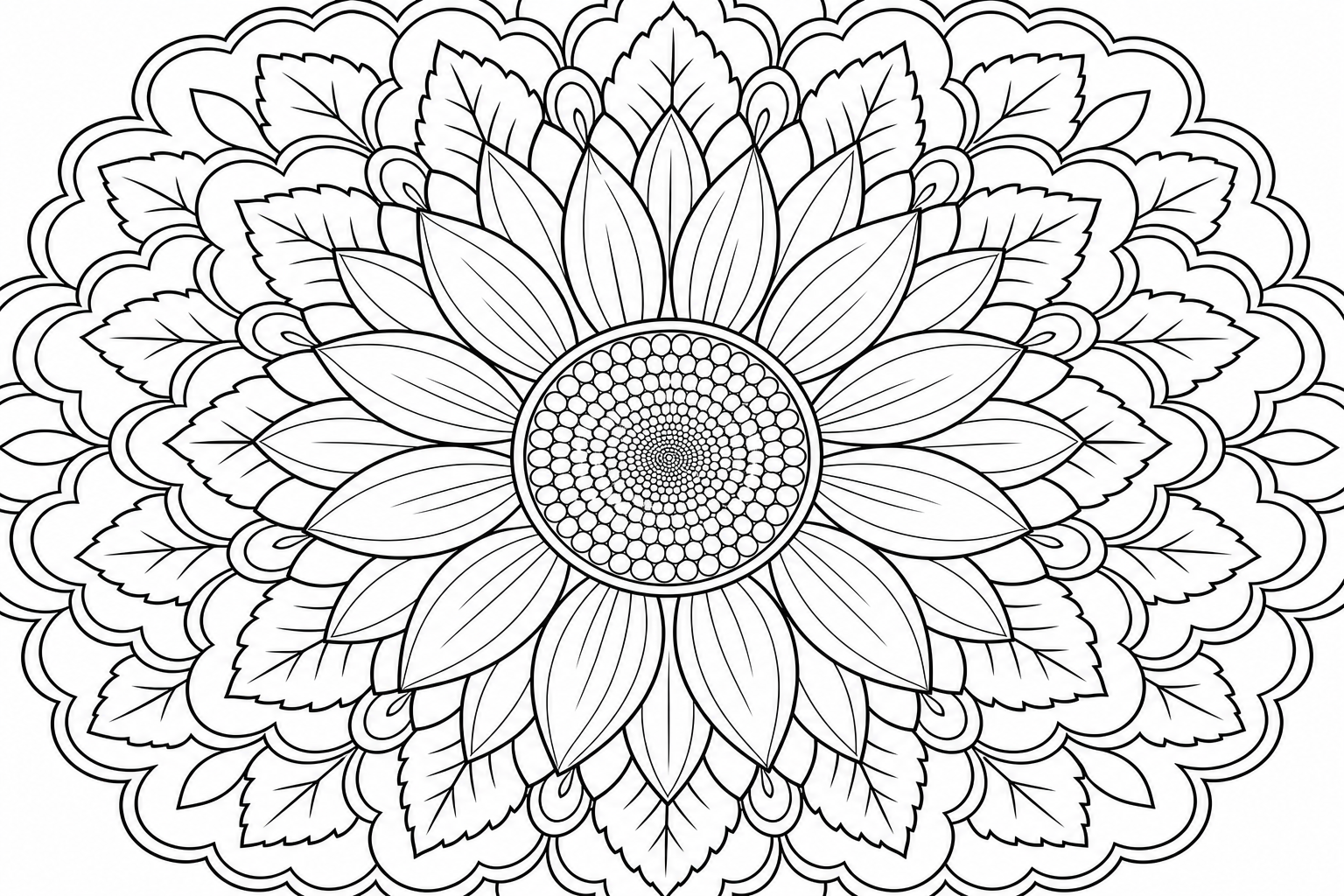
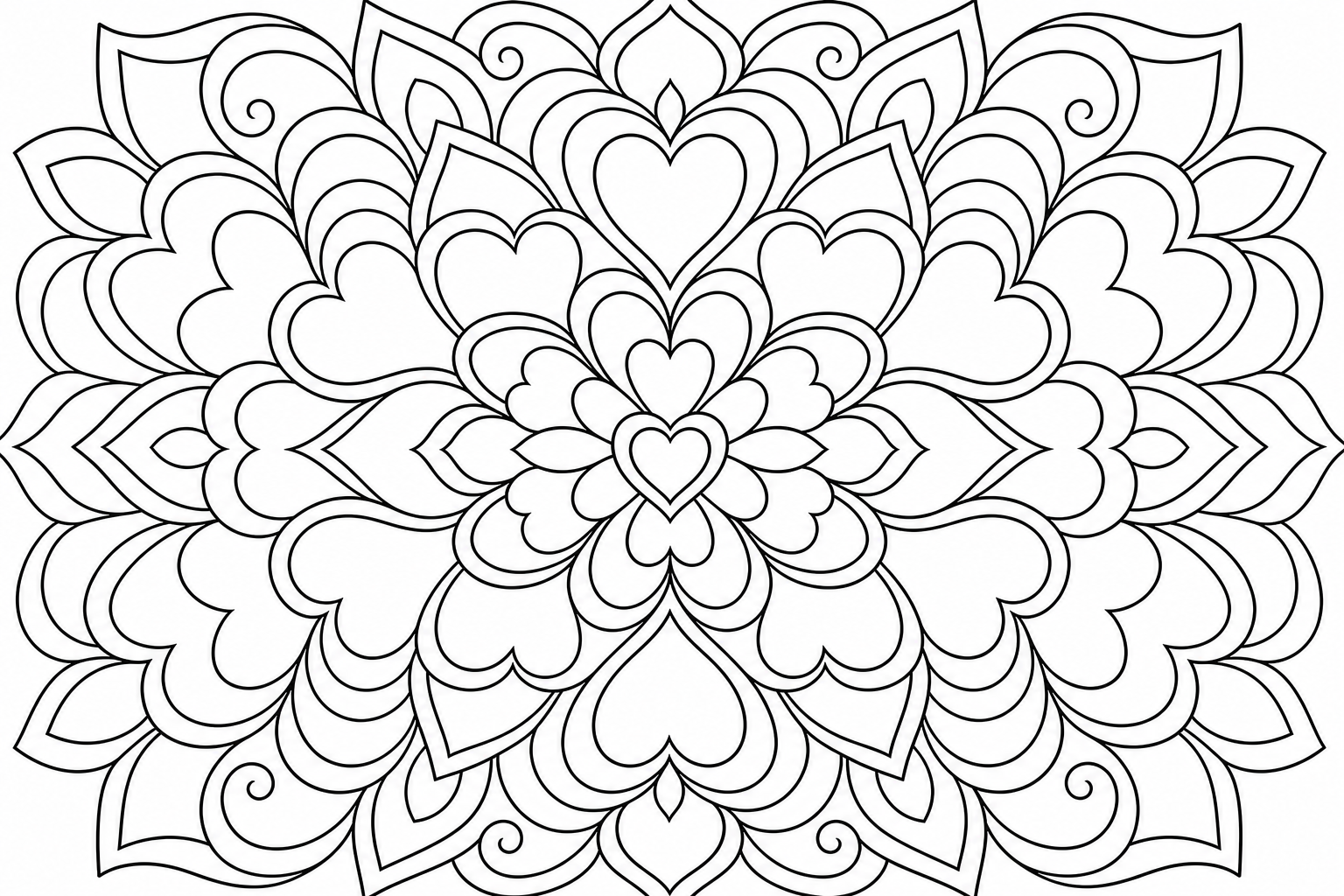
Not every mandala wants the same kind of evening. A dense geometric grid asks for patience. A loose floral one forgives a wandering mind. Match the page to how much focus you actually have tonight.
Geometric, for when you want order
Tight, repeating shapes and a lot of small sections. These reward slow, careful coloring and a limited palette, and they are the ones that organize your attention completely.
Floral, for when you want something softer
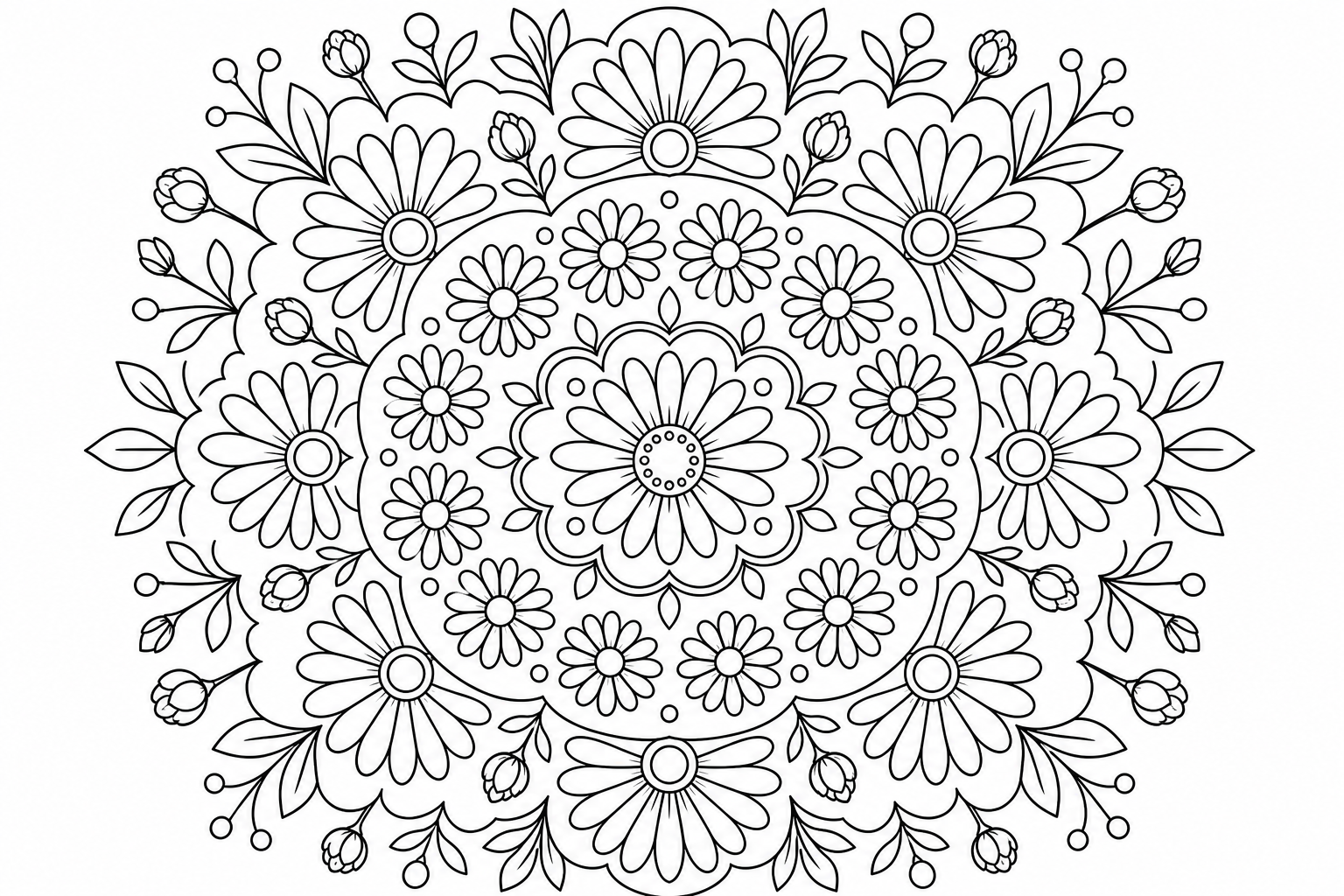
Petals and leaves radiating out, with bigger open areas and gentler curves. Easier to color quickly, kinder to bold color choices, and a good place to start if intricate grids feel like too much.
A single shape at the center
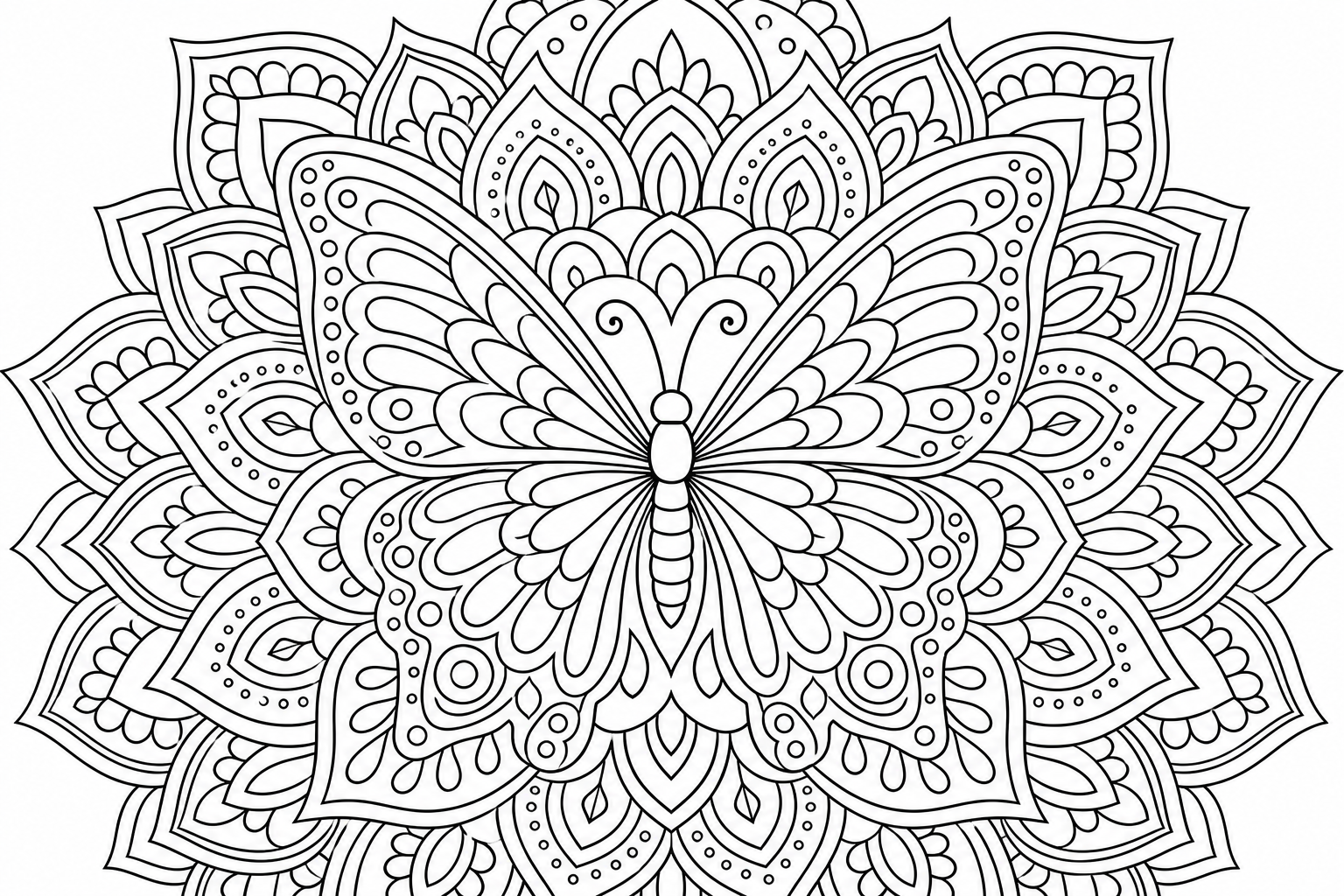
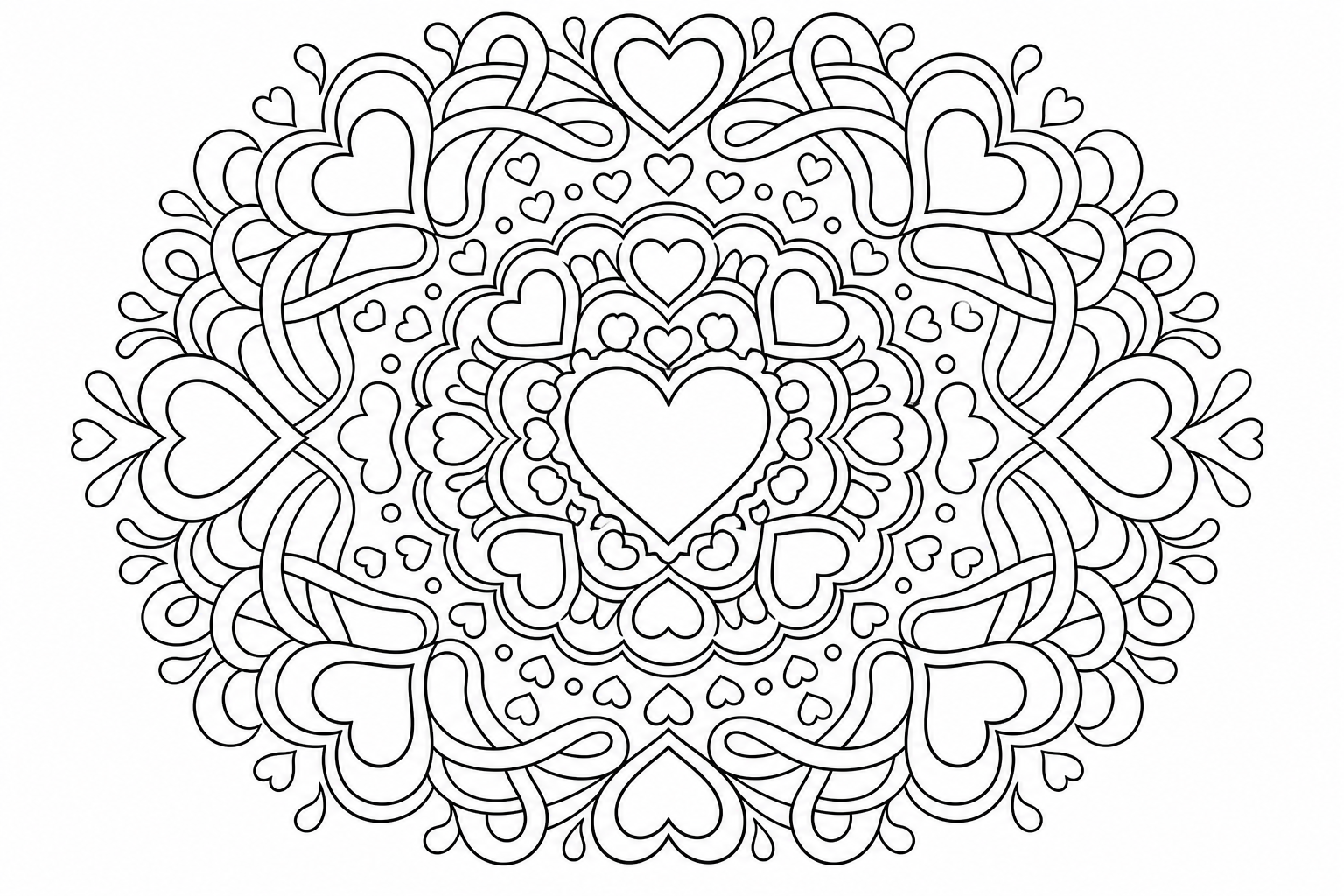
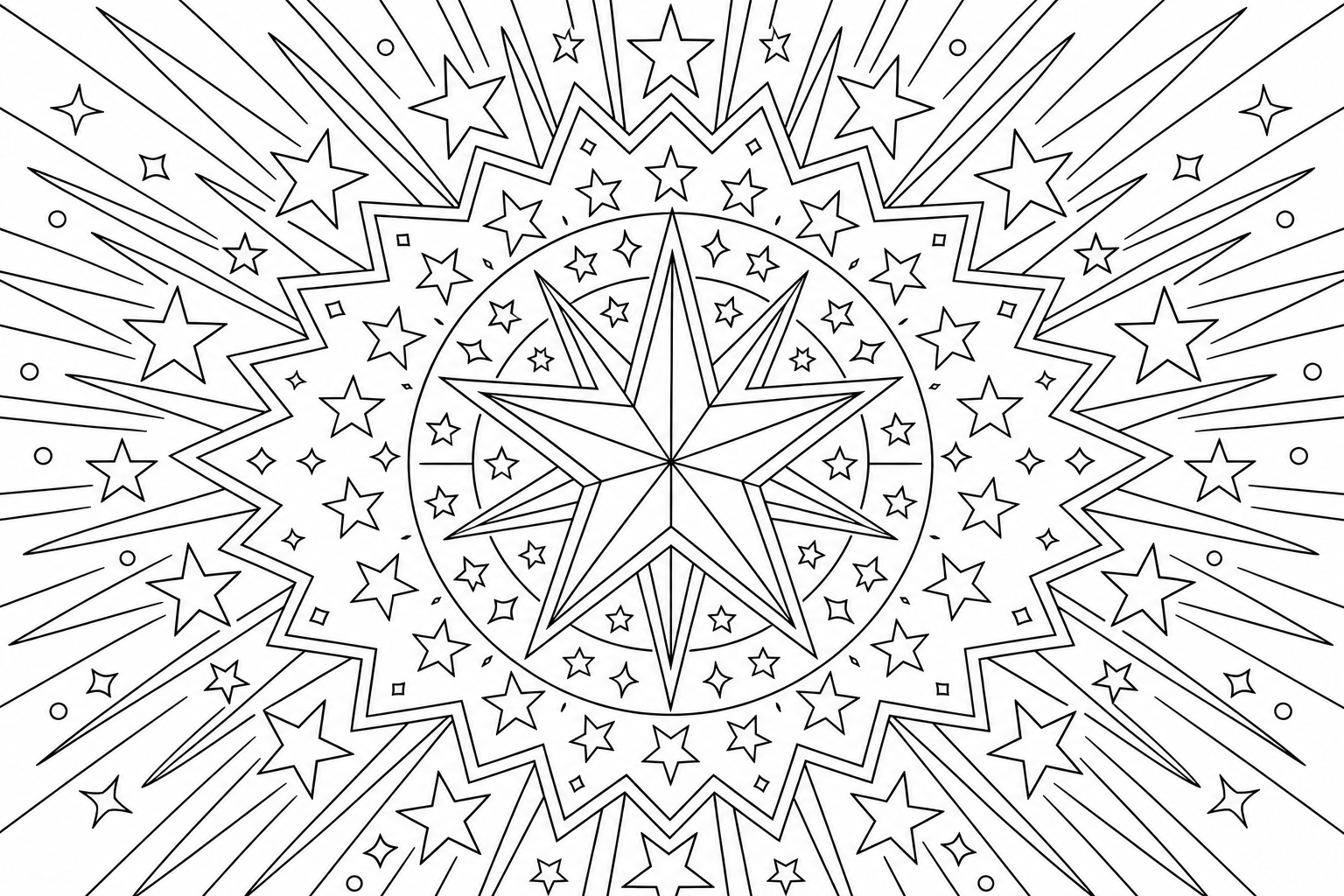
Some of the best mandalas build around one recognizable form: a star, a sun, an animal curled into the rings. The focal point gives you somewhere obvious to begin and a clear sense of finishing as you reach the edge.
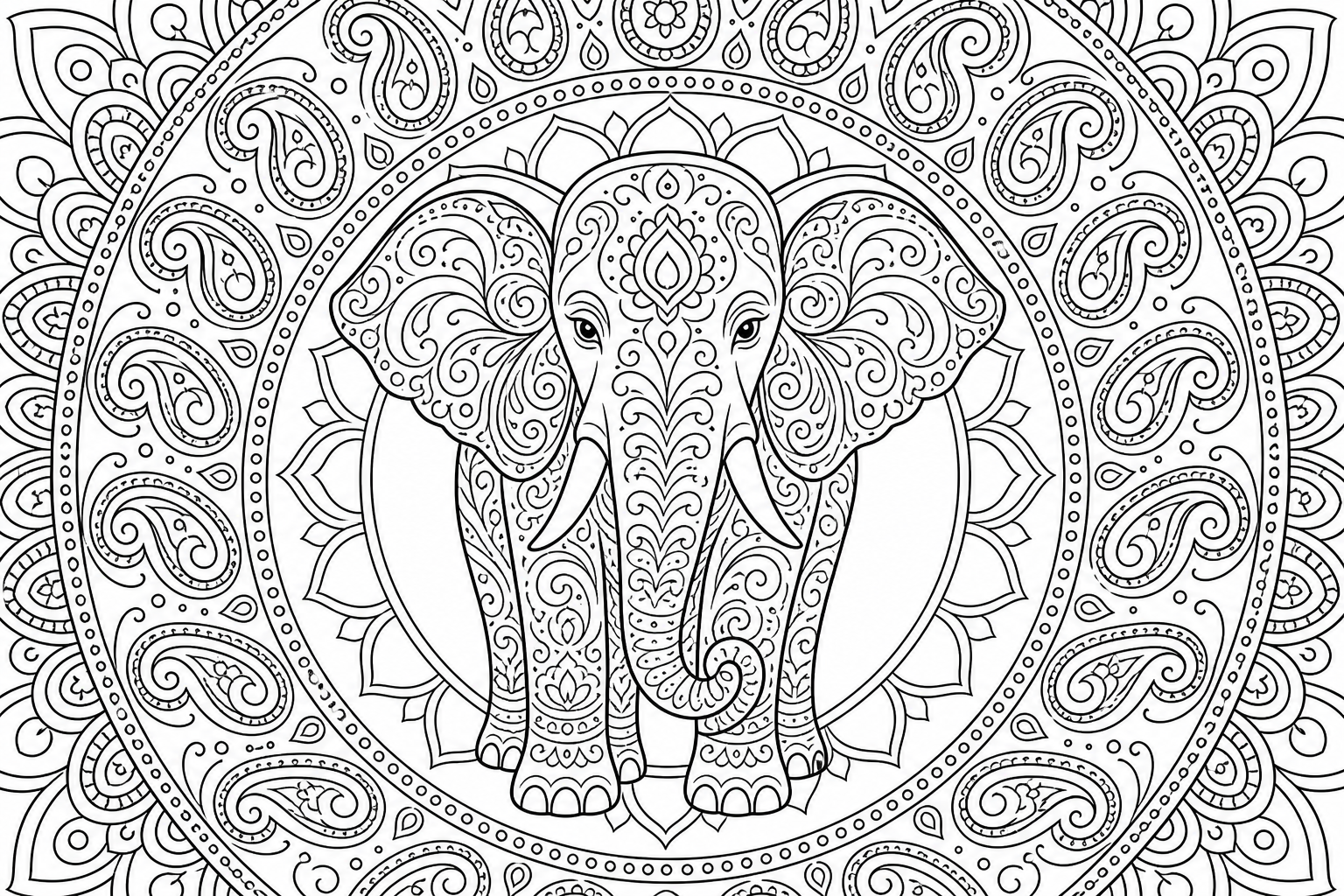
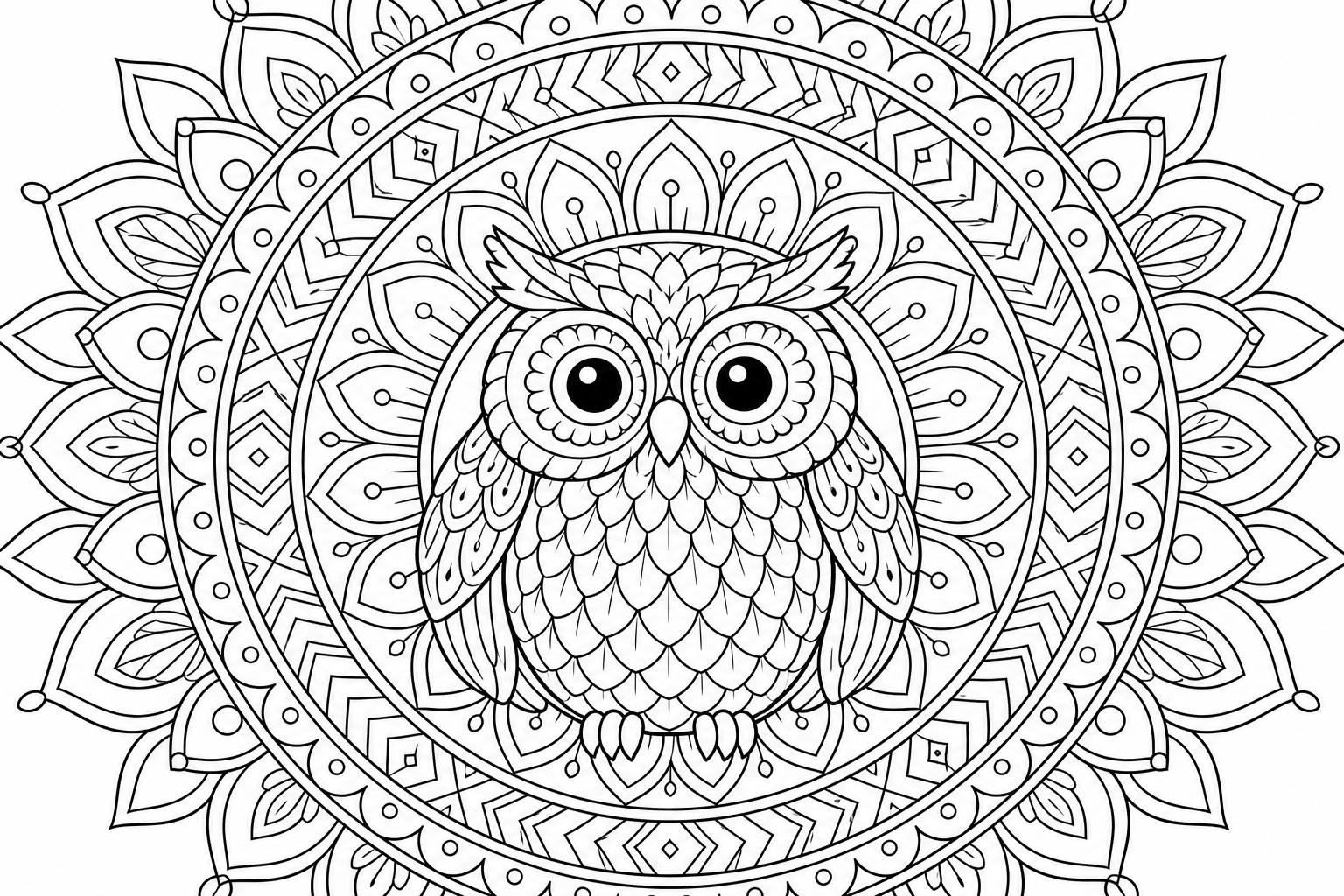
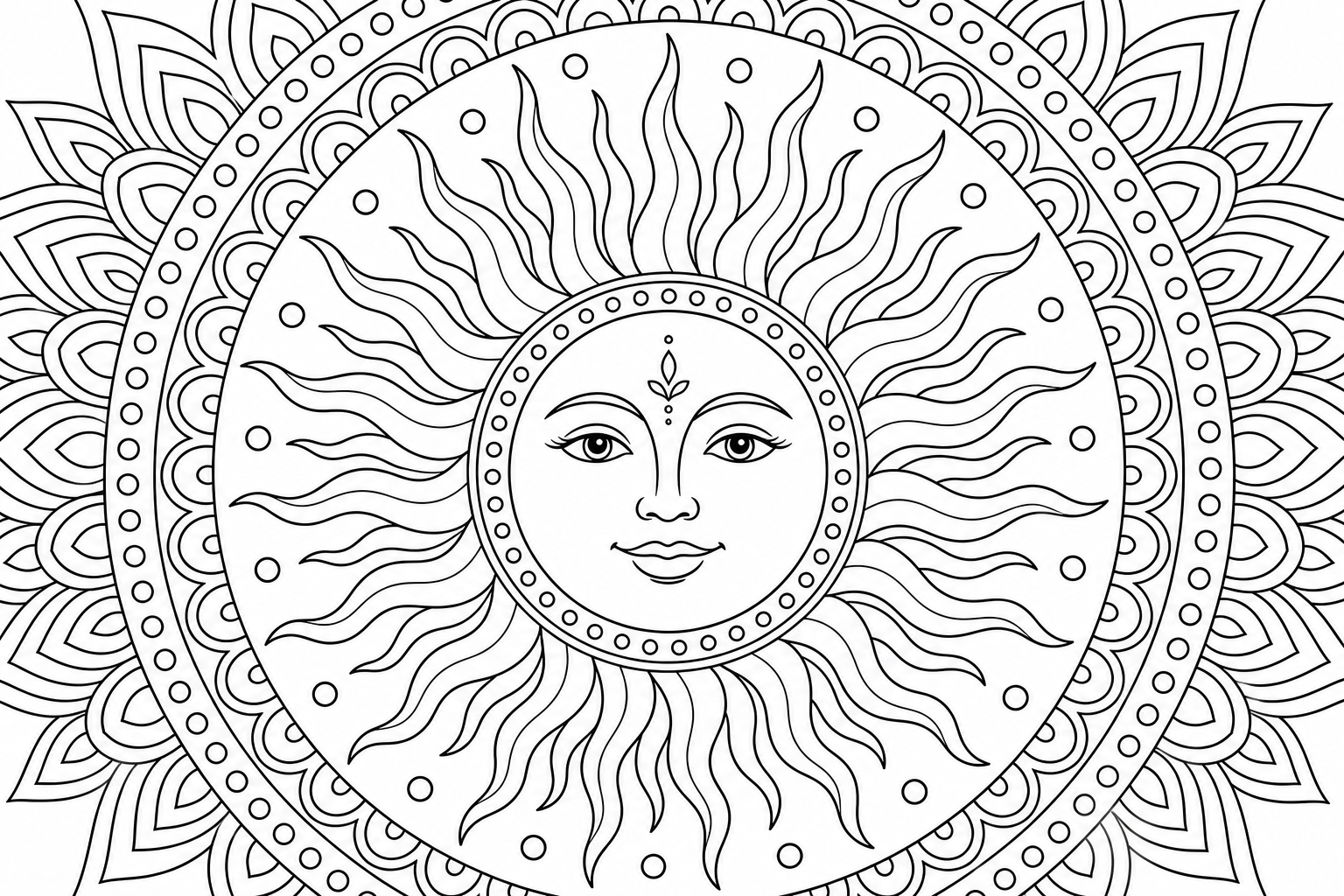
Looking for a particular kind of pattern? Try one of these.
What else could you color?
Pick a prompt or type your own — opens in a new tab.
Print one and start in the middle
Pick a page, sharpen three or four pencils, and begin at the center. Ten quiet minutes is usually enough to feel the difference.