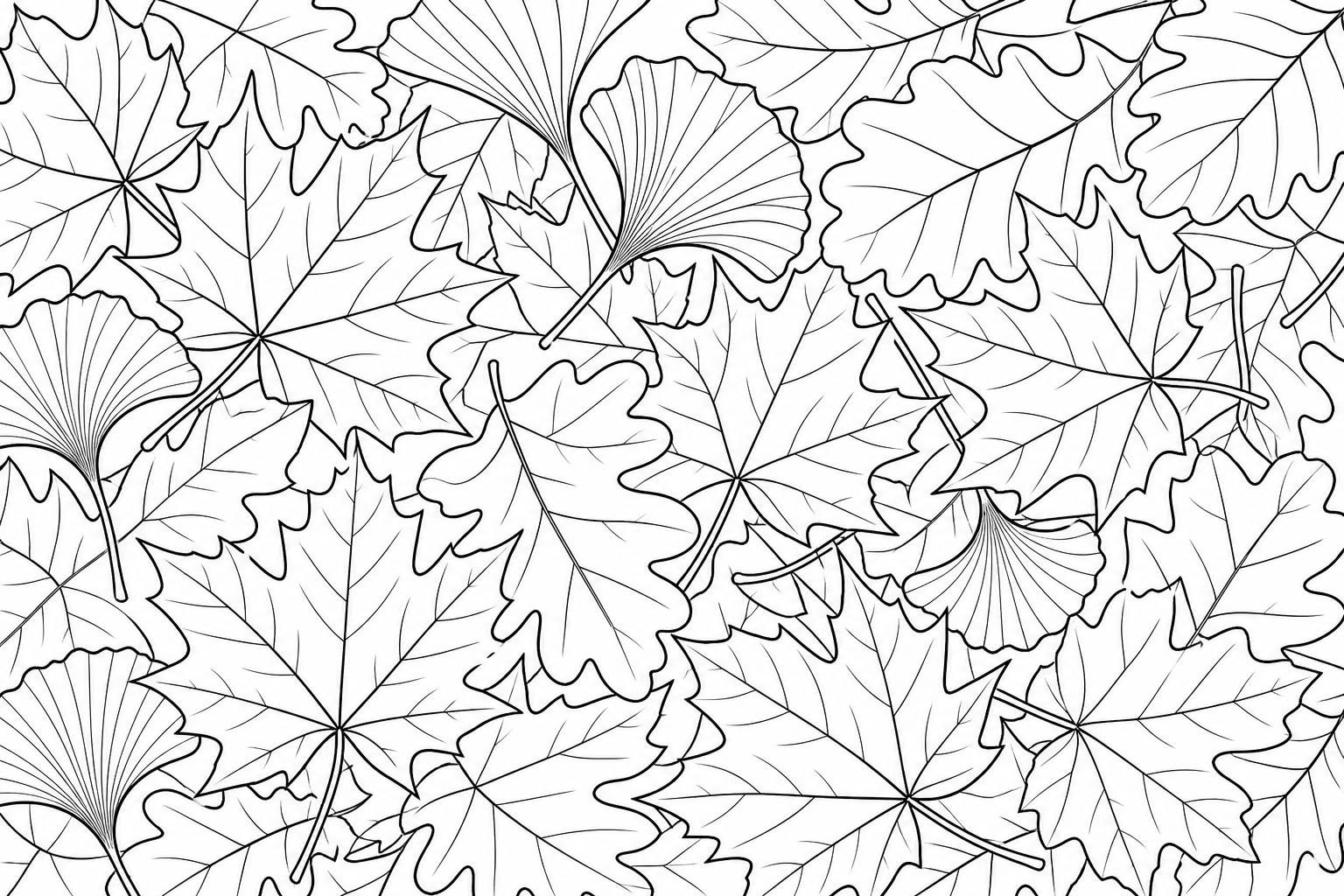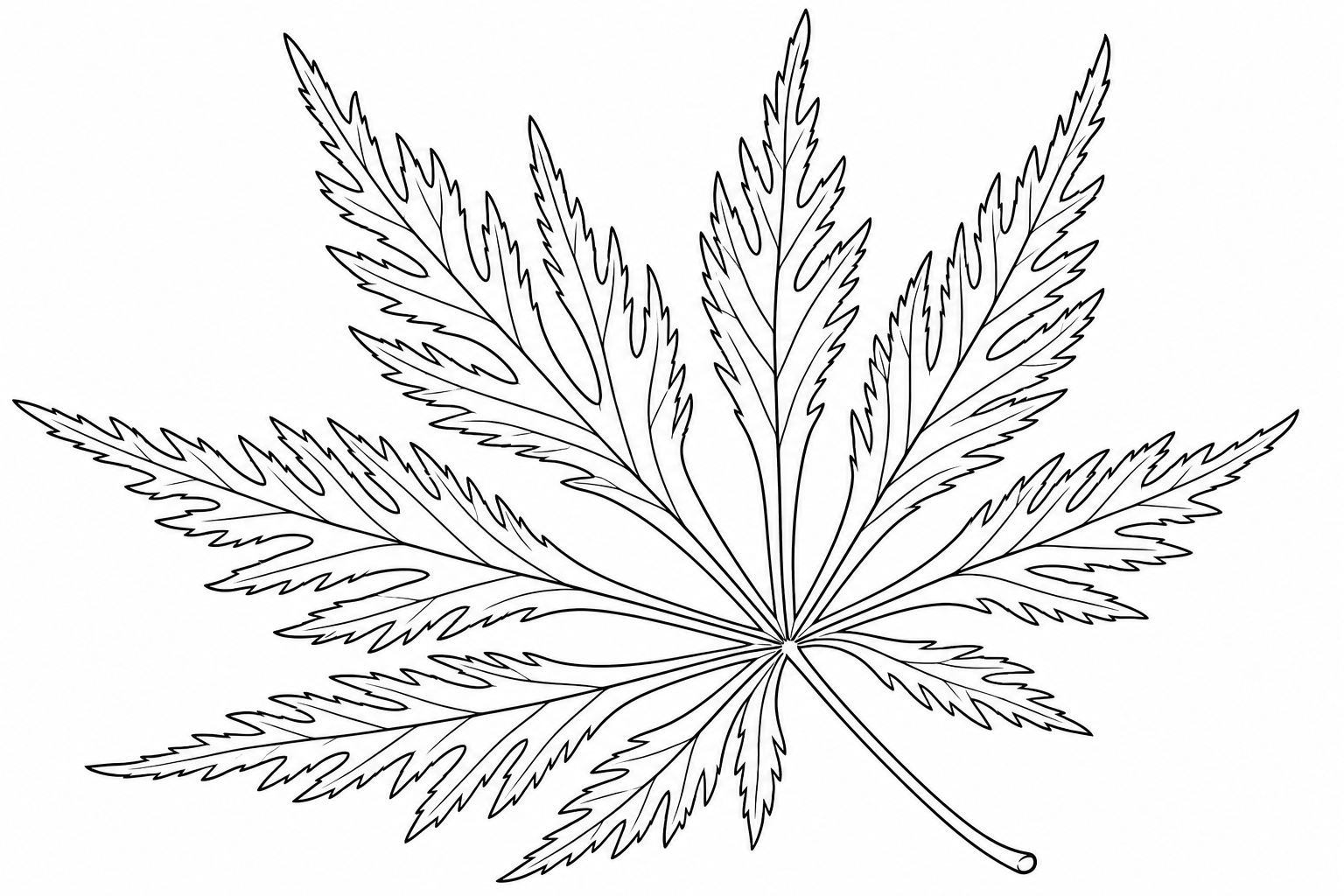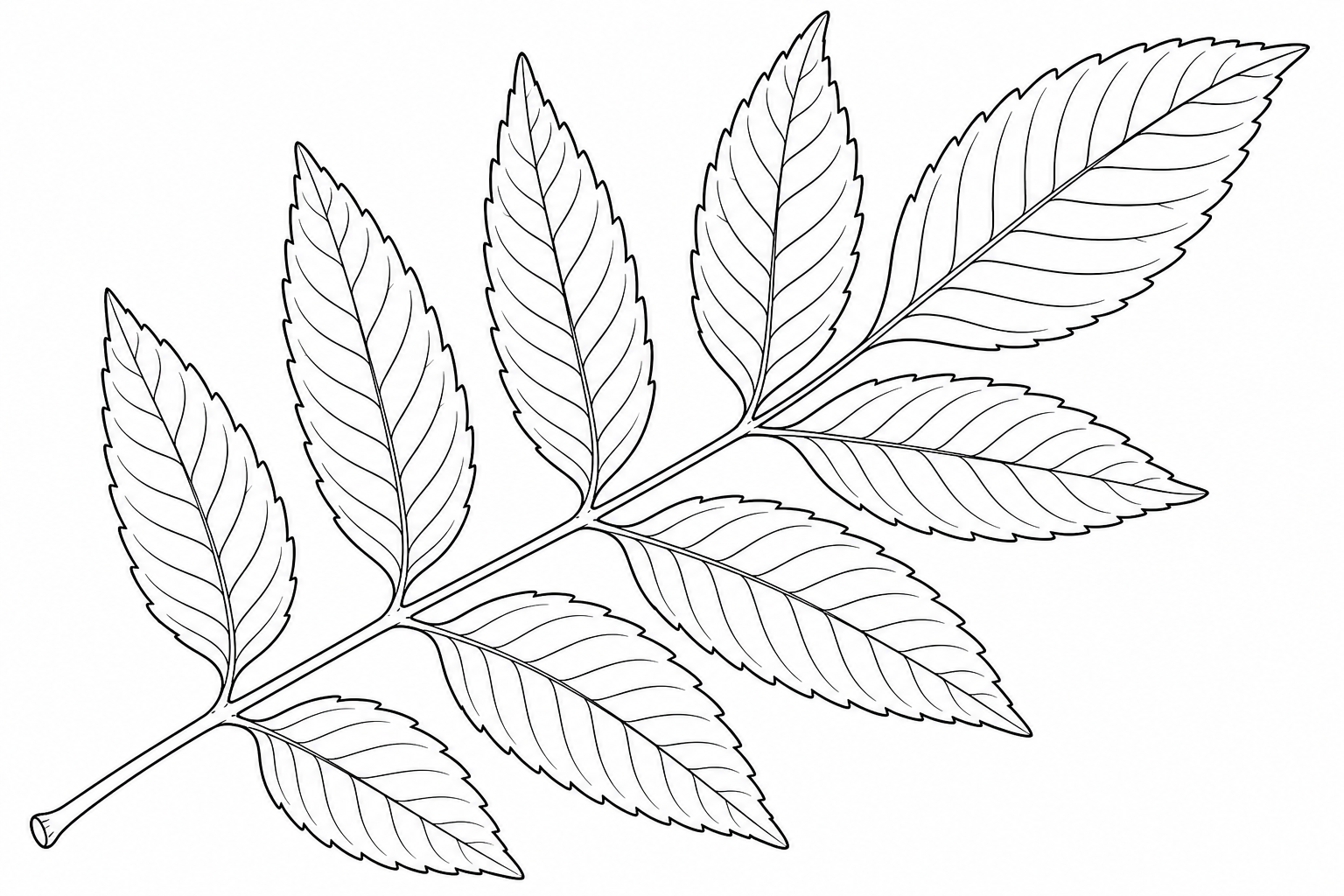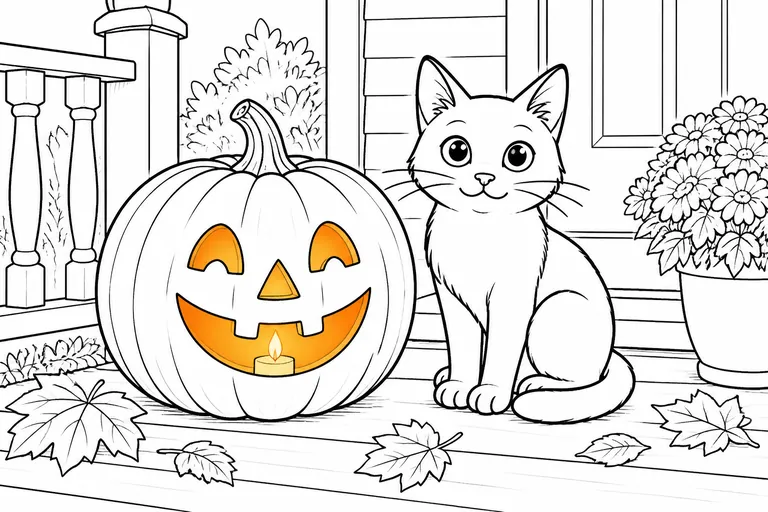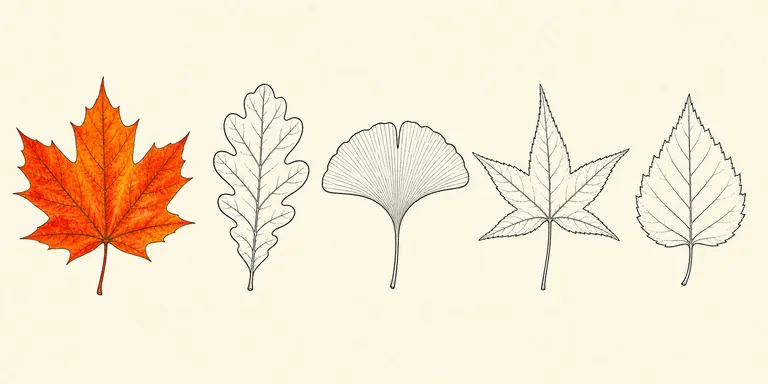
Your kid comes in from the yard with a fist full of leaves, half of them already crumbling, and wants to know what they are. That question is the reason this collection is arranged the way it is. Instead of one big pile of pretty leaves to color, every page here is grouped by the tree it came from, so a page doubles as a small lesson in what to look for the next time you are outside.
Color the leaf first. Learn its shape while your pencil traces the lobes and the veins. Then take the walk and find the tree it fell from. That loop, page to path and back again, is what turns a quiet afternoon of coloring into a proper leaf hunt.
Why the colors show up when they do
Here is the part most leaf pages skip. The yellows and oranges were in the leaf all summer, just hidden. A leaf reads as green because chlorophyll, the pigment that runs photosynthesis, is loud enough to drown everything else out. When the days shorten and the tree stops topping up its chlorophyll, the green fades and the carotenoids underneath, the same pigment family that colors carrots, finally show. Red is a different story: many trees only build fresh red pigment once autumn light and leftover sugar kick in, which is why the U.S. Forest Service describes fall color as a slow unmasking.
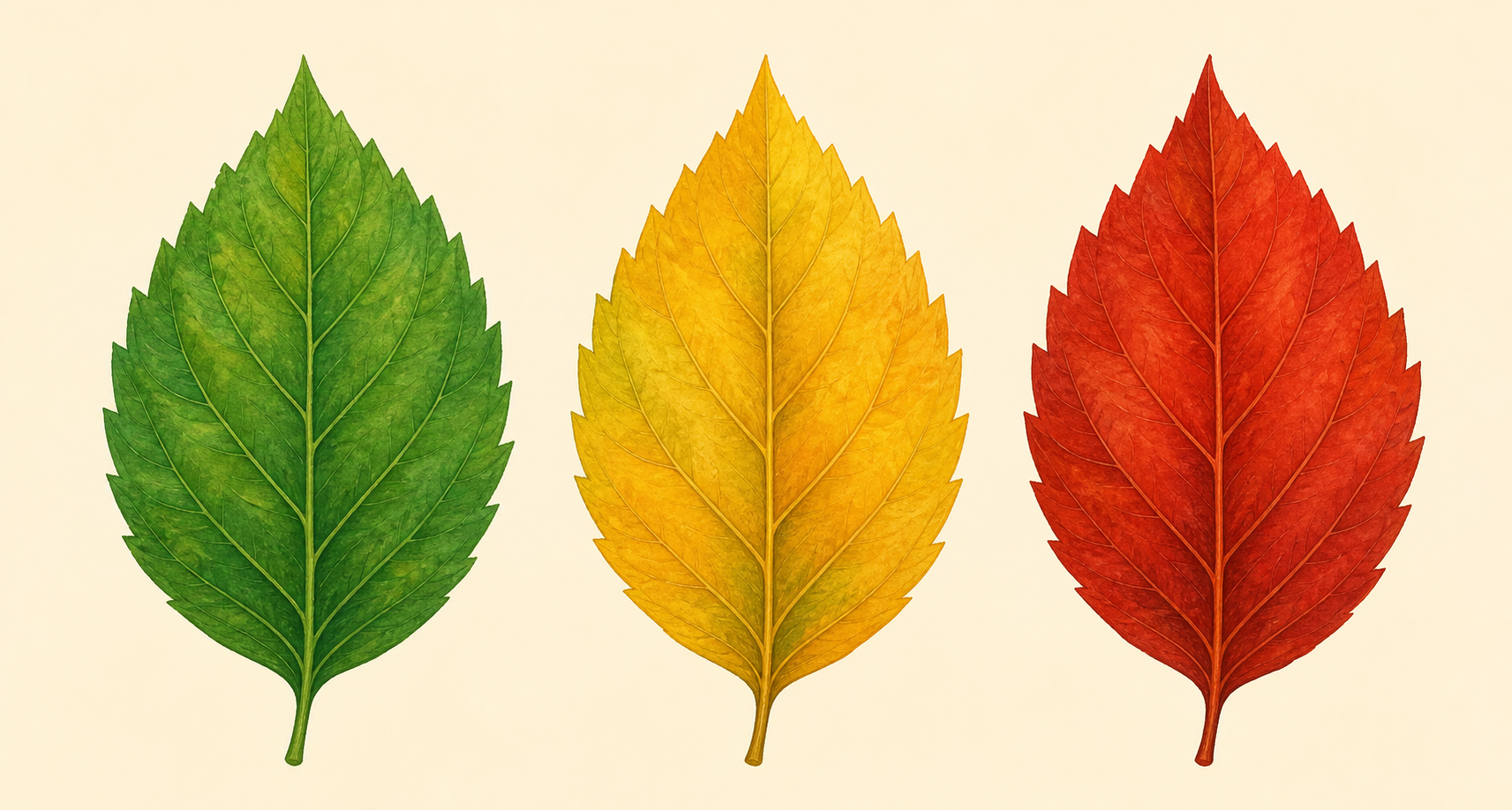
Reaching for a color, then, is not decoration. You are choosing a moment in the leaf's year, and a single leaf can hold green, gold, and red at once. If you want a quick refresher on which colors sit next to which, our guide to the color wheel pairs nicely with a pile of fall pencils.
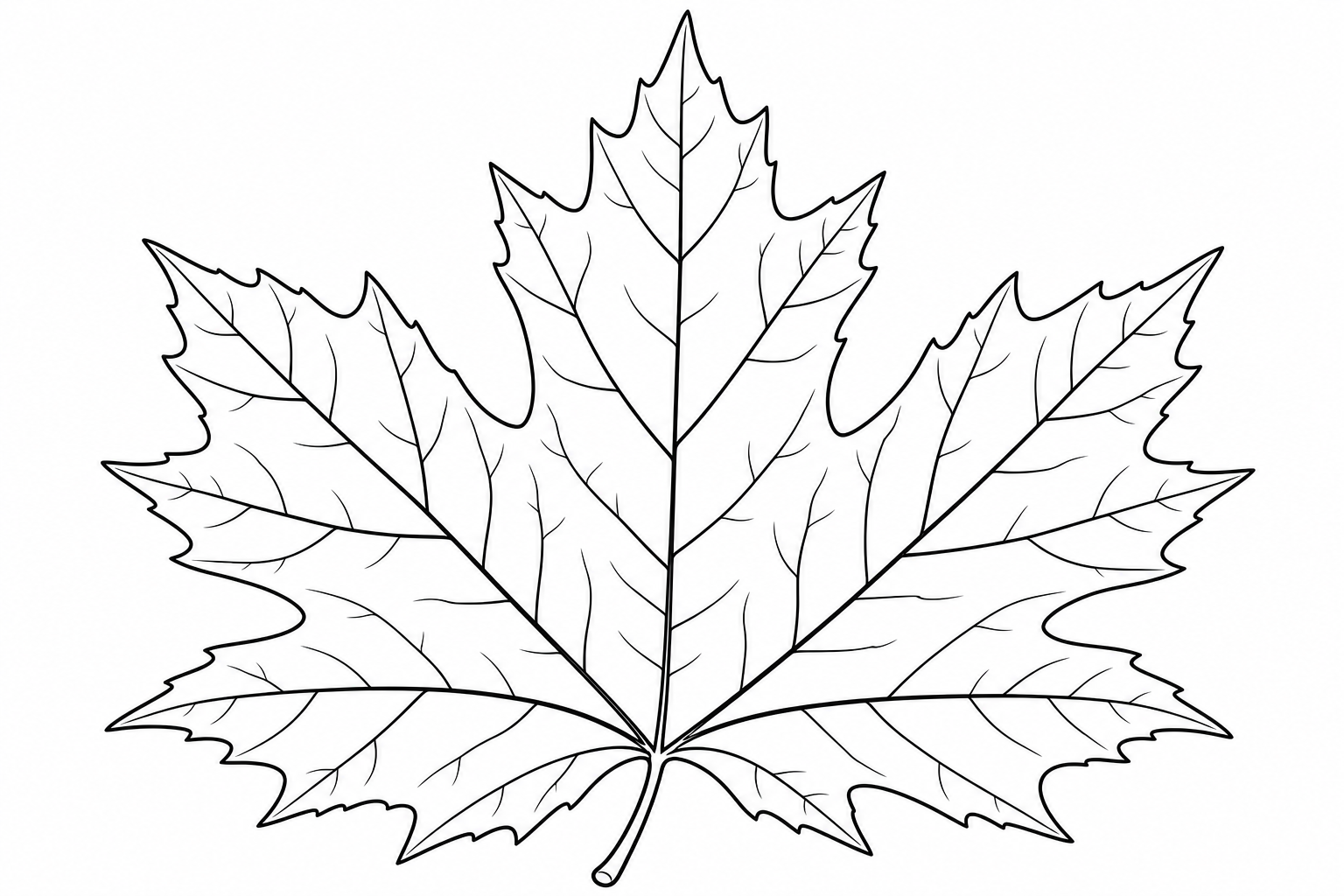
The maple leaf, five points like a hand
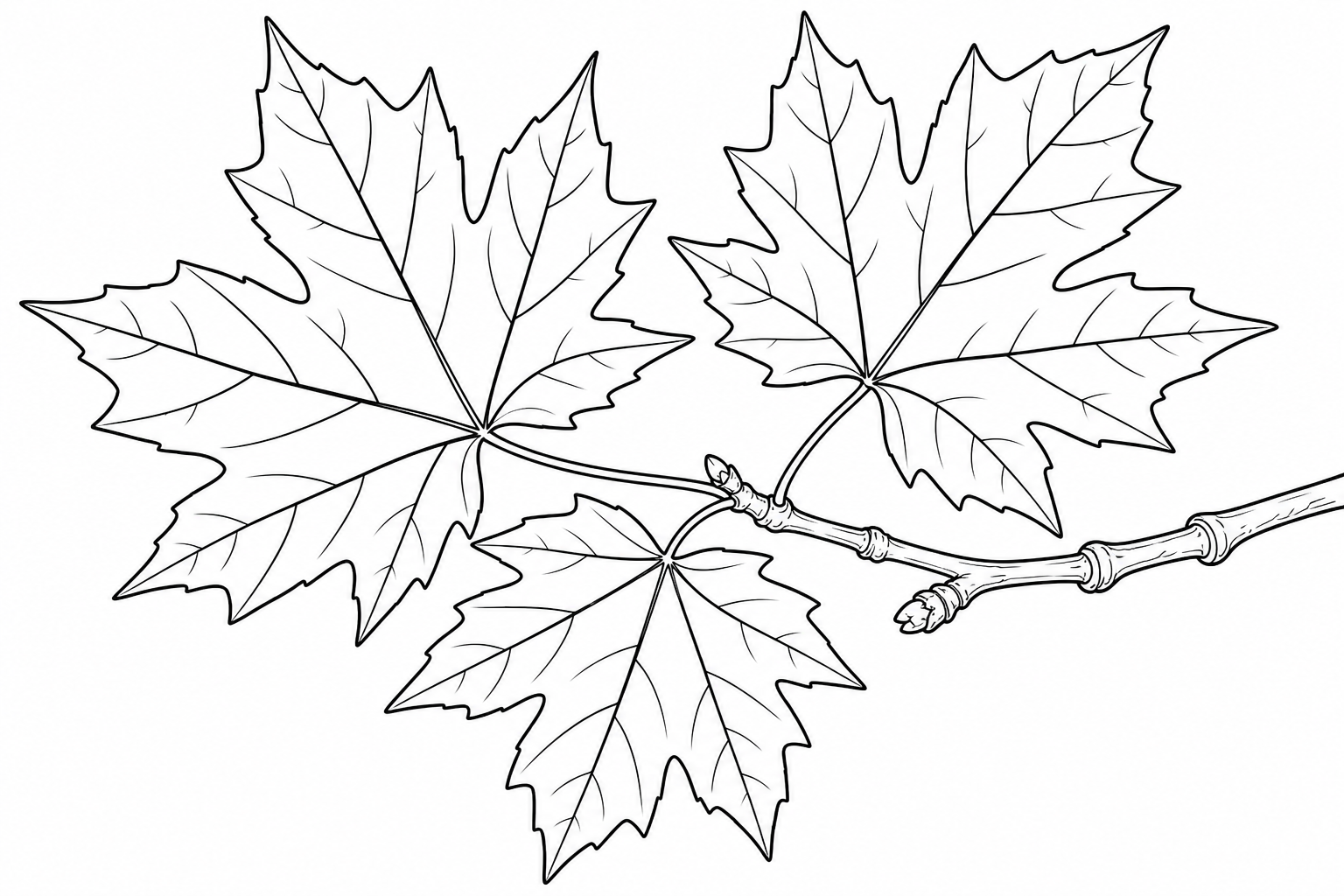
The maple is the leaf most kids draw when they picture a leaf at all: five lobes spreading from one point like a splayed hand, with shallow notches between them. Sugar maples turn the postcard shades, gold sliding into orange and scarlet. Color one lobe at a time and let the tones shift across the leaf rather than filling it flat.
The oak leaf, rounded or bristled
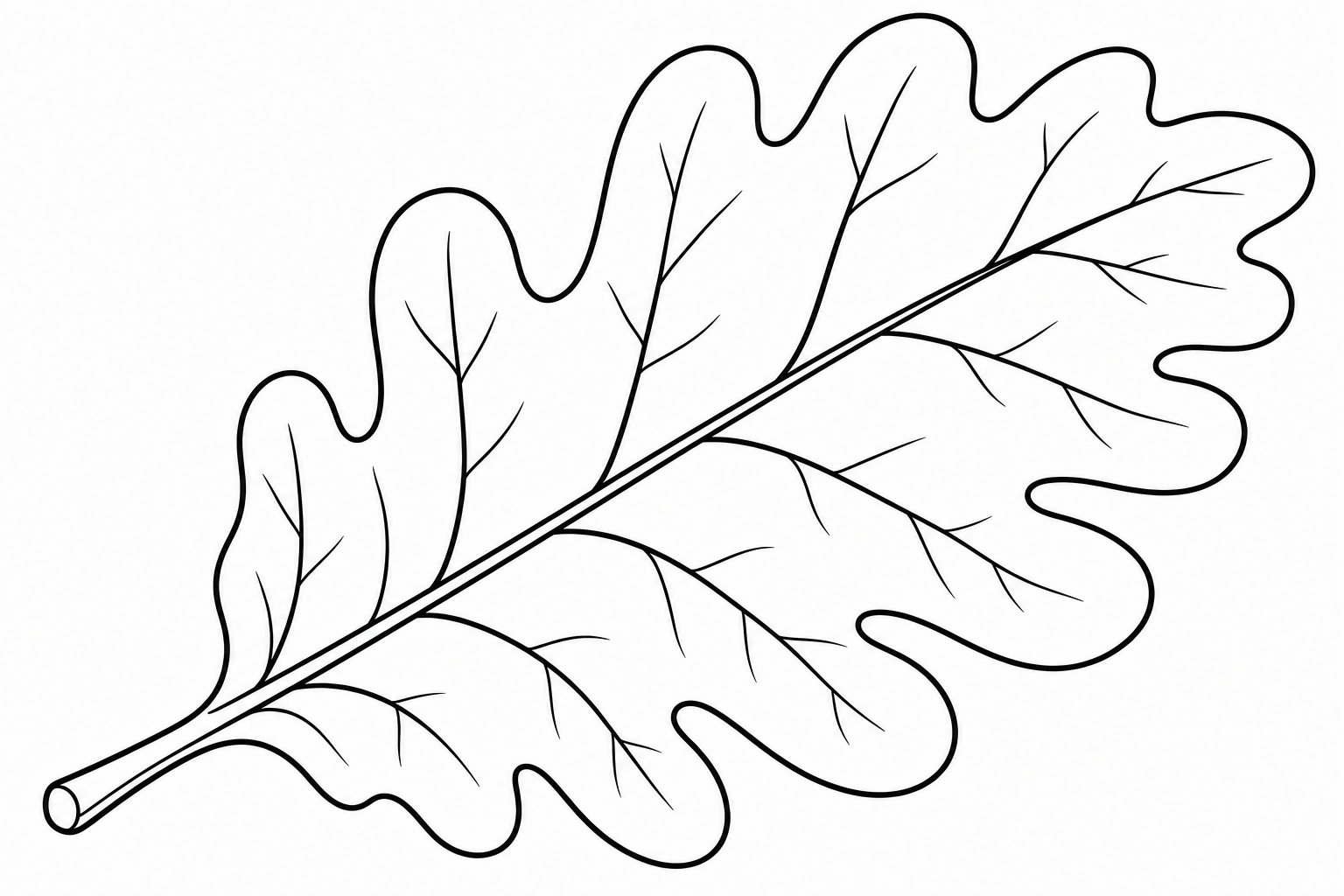
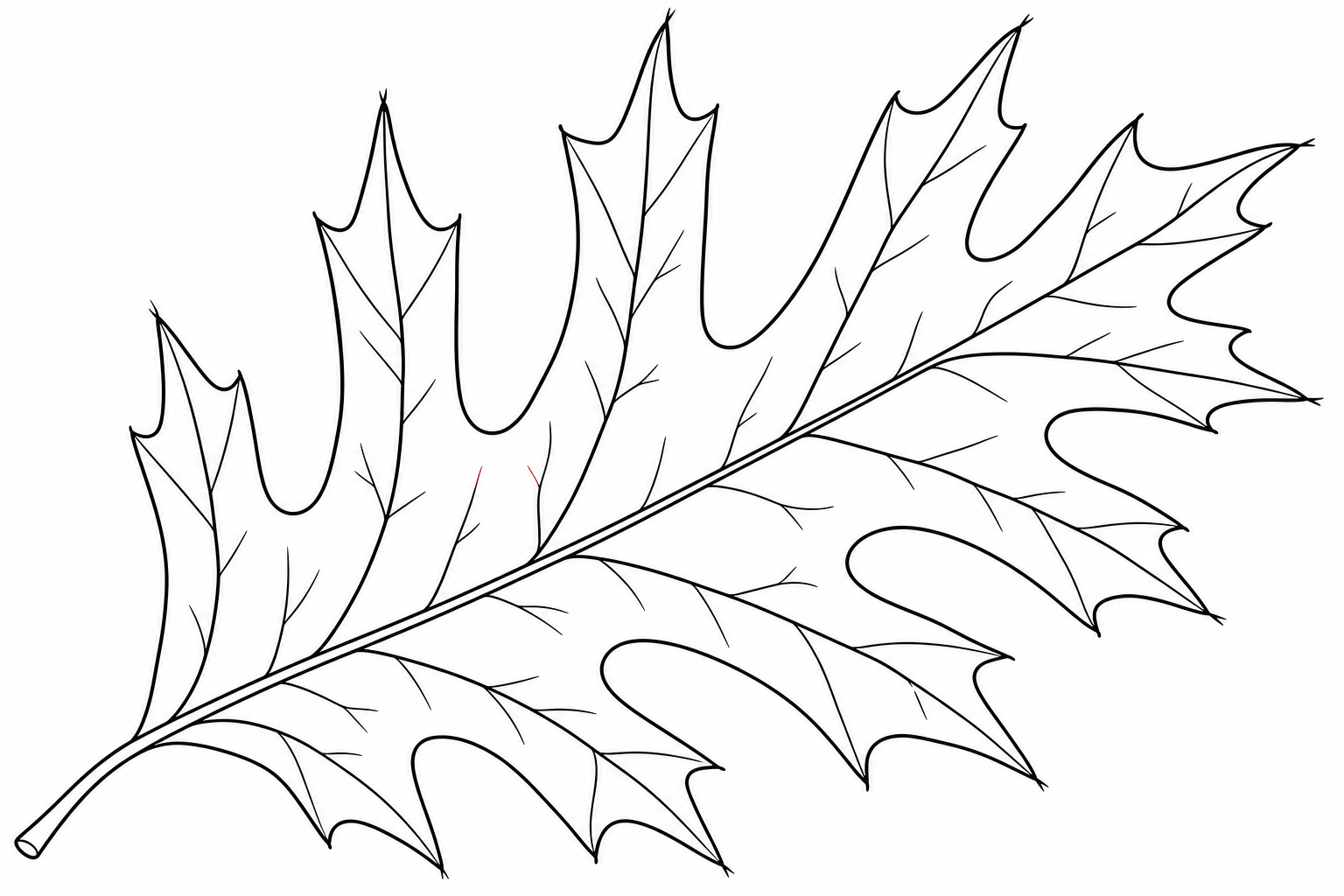
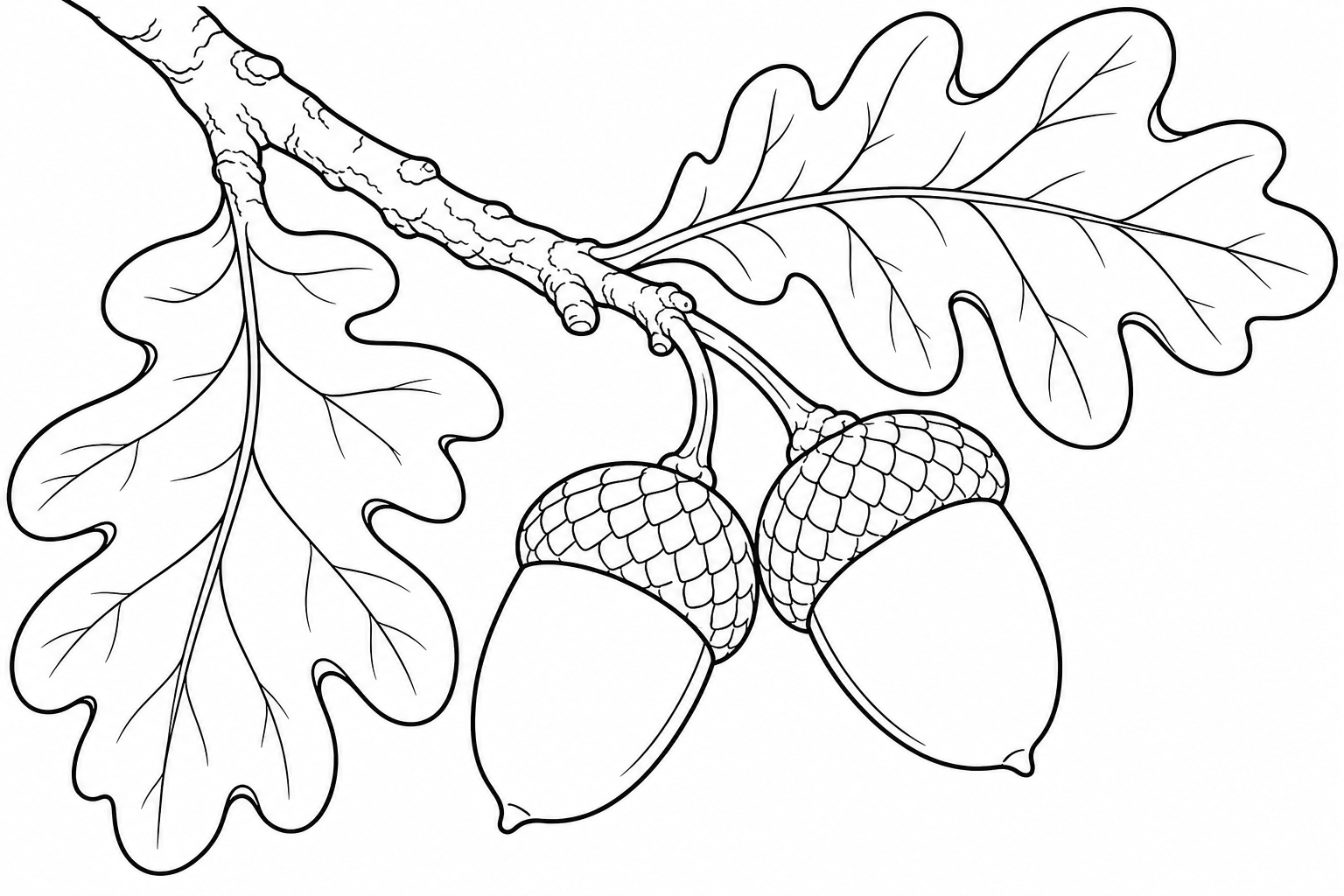
Oaks fall into two camps, and the leaf tells you which. White oaks carry soft, rounded lobes with no points. Red oaks have sharper lobes, each tipped with a tiny bristle. Both hold their leaves late into the season, so a deep, leathery brown is the color to reach for. An acorn on the ground nearby confirms the tree.
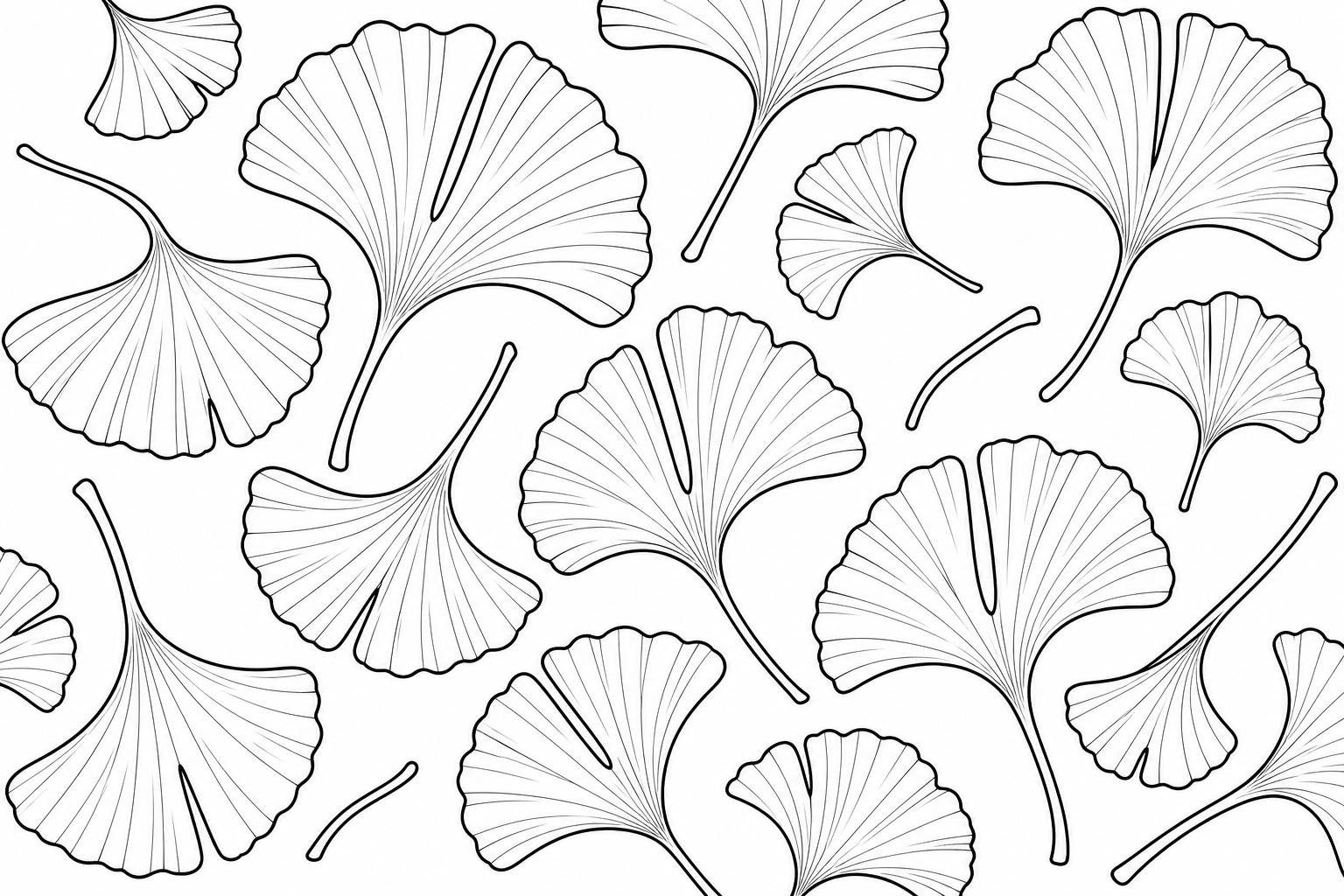
The ginkgo leaf, a little fan
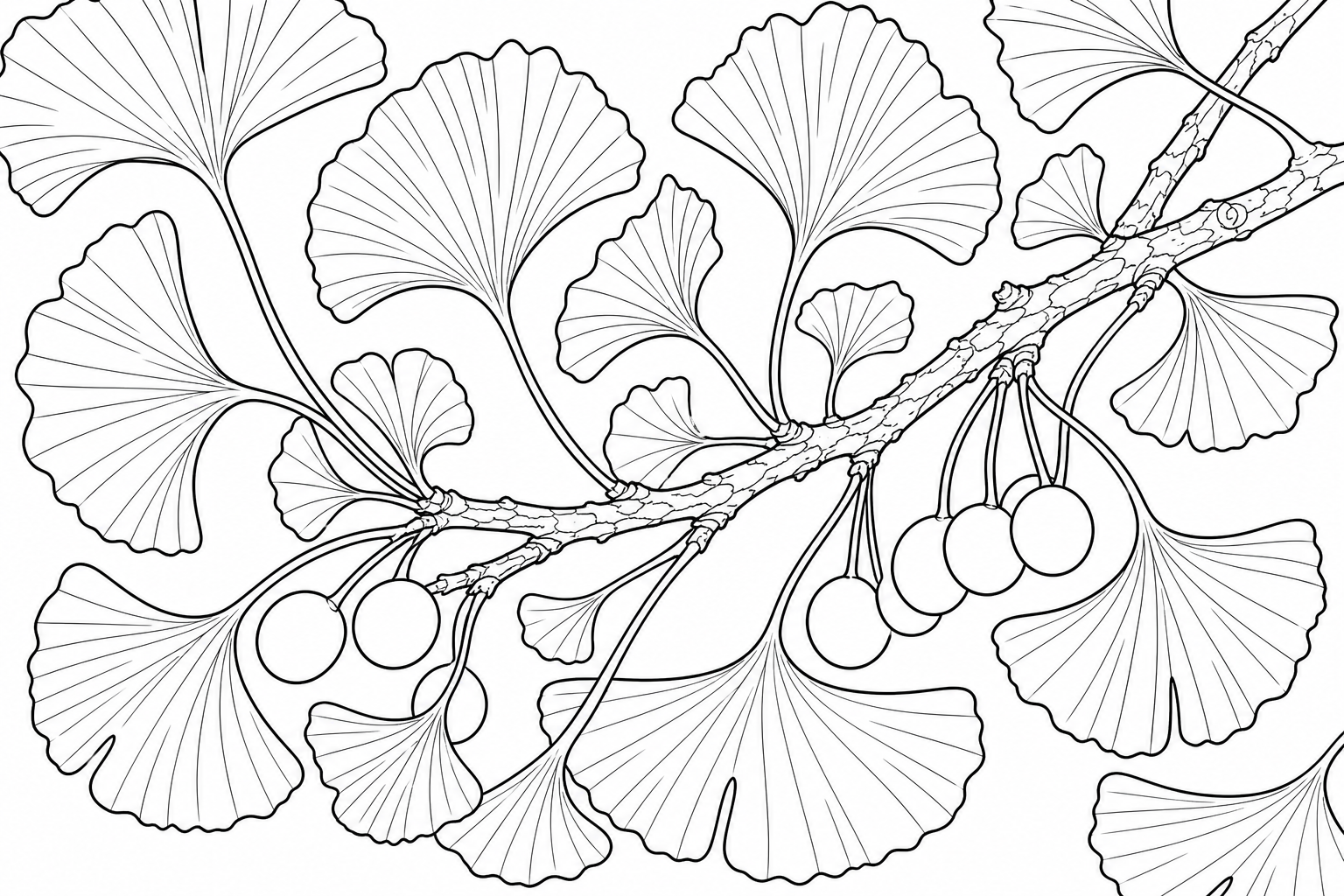
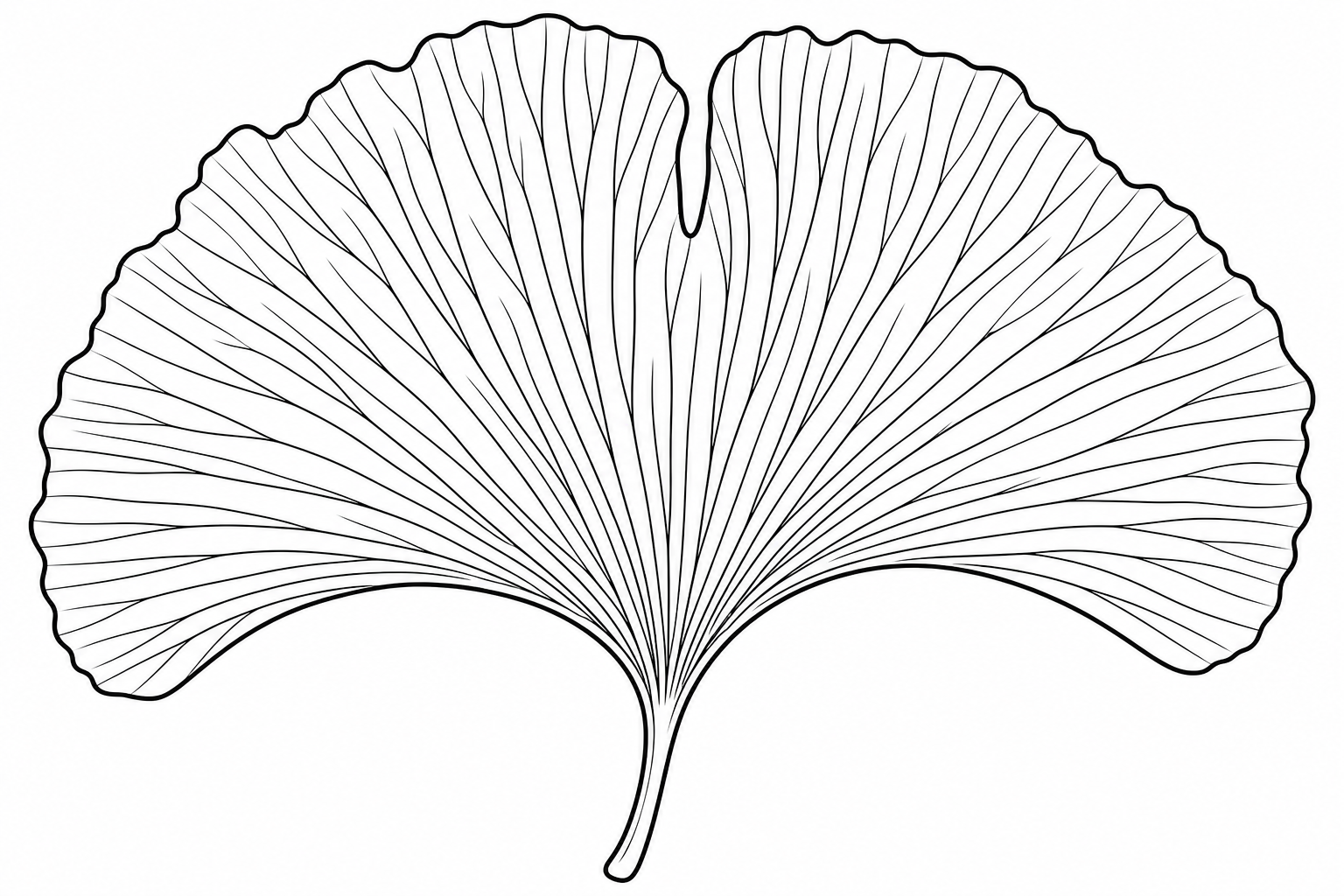
Nothing else looks like a ginkgo. The leaf is a fan, often split down the middle, with veins that spread out like the ribs of a folding fan instead of branching off one central line. In autumn a ginkgo turns a single, even, almost unreal yellow, then drops nearly all of its leaves in a day or two. One flat, bright yellow is the honest choice here.



Coloring fun for kids — anywhere.
Free for iOS & Android. No ads, no sign-up, offline-ready.


Coloring fun for kids — anywhere.
Free coloring app for kids. iOS and Android, phones and tablets. No ads, no sign-up, even offline.
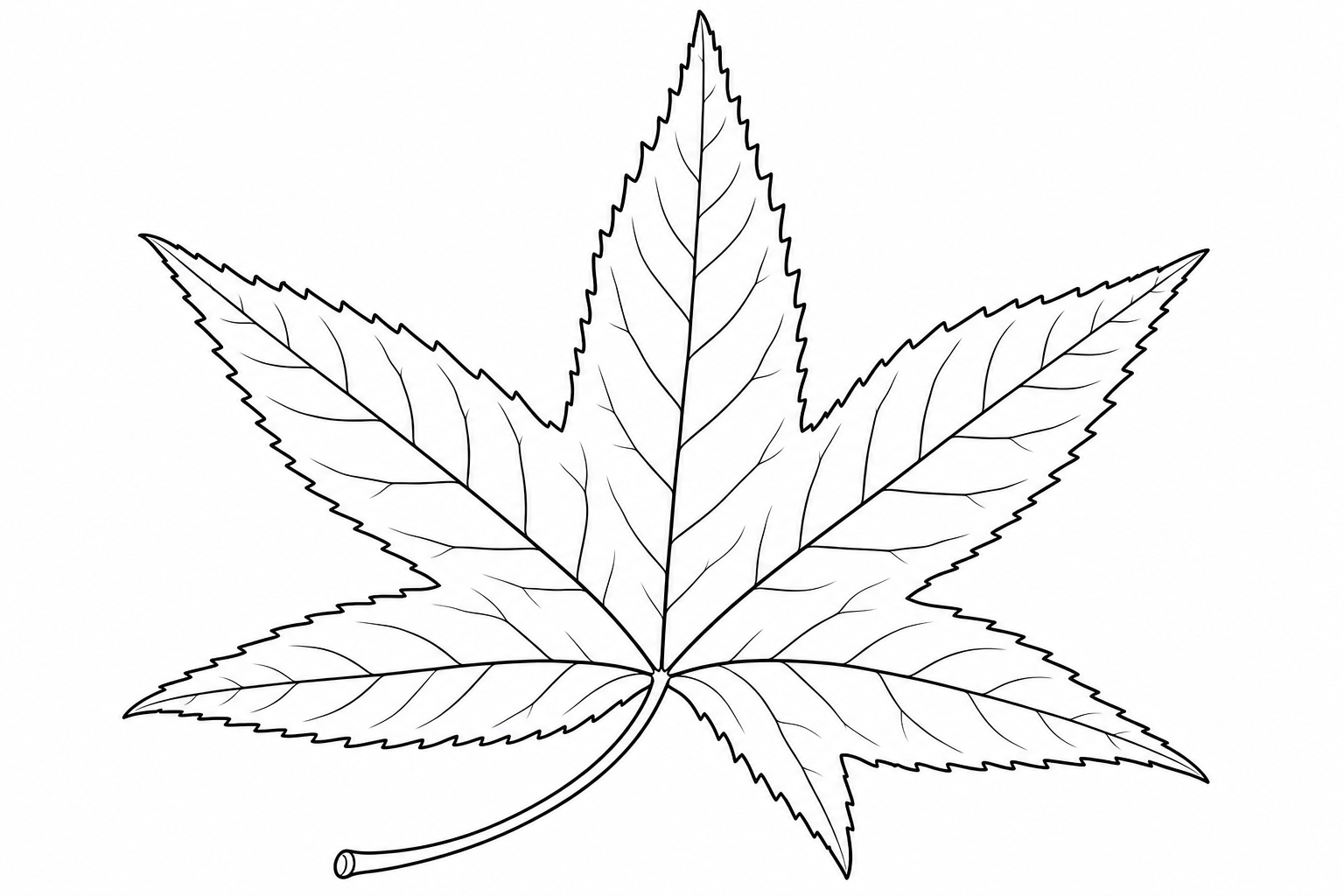
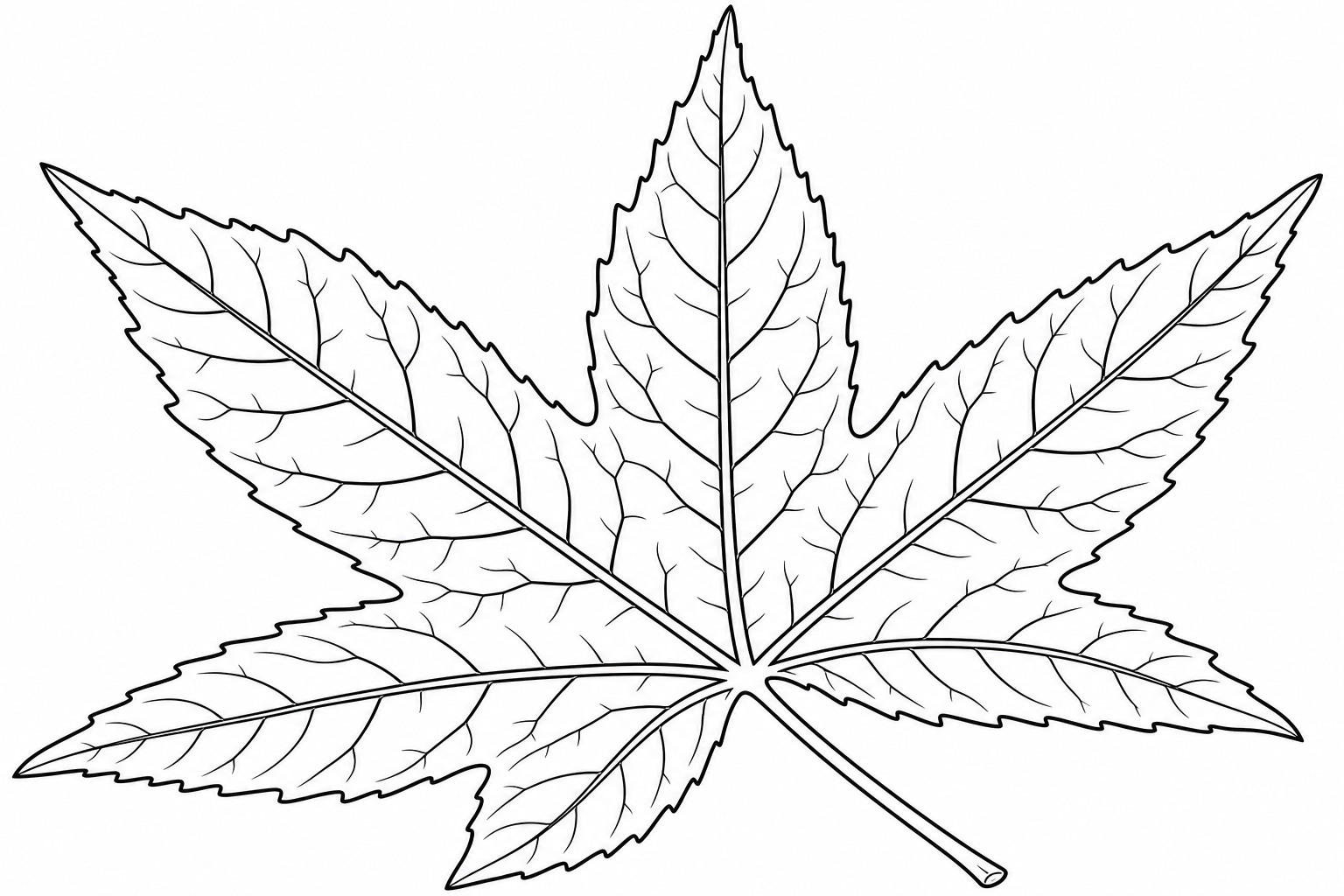
The sweetgum leaf, a five-pointed star
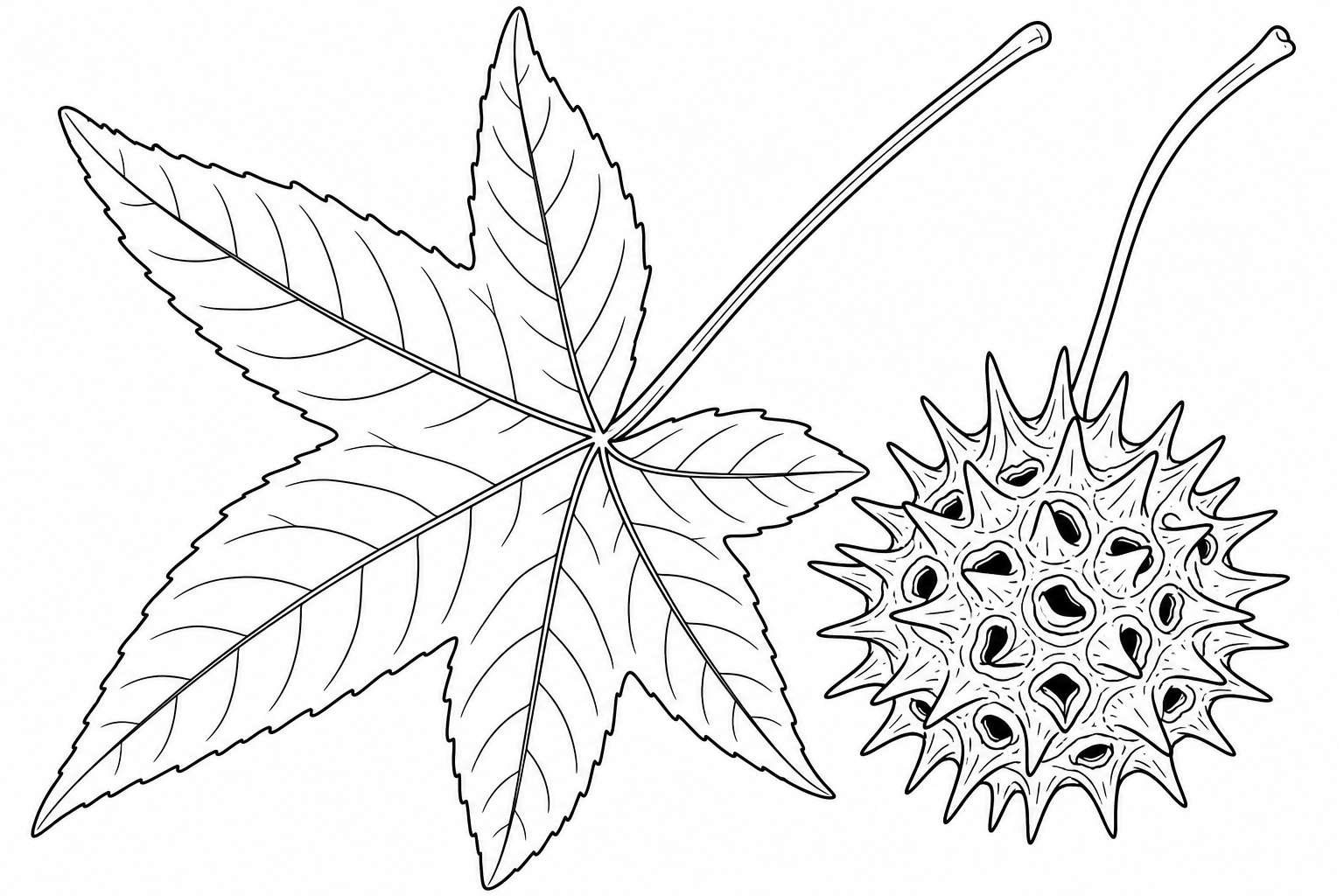
Hold a sweetgum leaf up and it is a star: five sharp points, toothed edges, a vein running dead straight to each tip. One sweetgum tree can turn yellow, orange, red, and purple at the same time, sometimes on the same branch, so this is the page to go wild on. No two of your stars need to match. Just mind the spiky seed balls it drops underfoot.
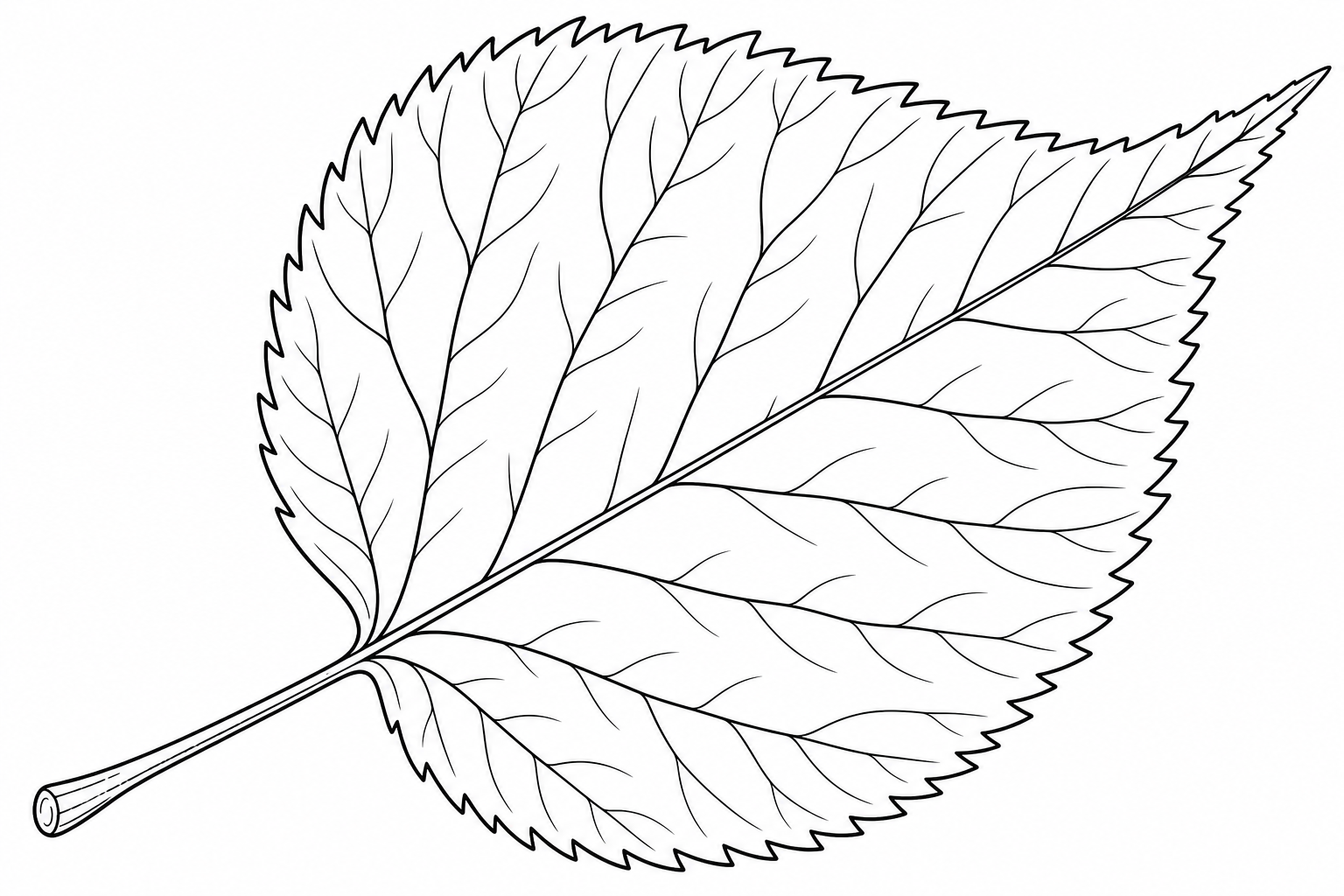
The birch and aspen leaf, small and quick to shake
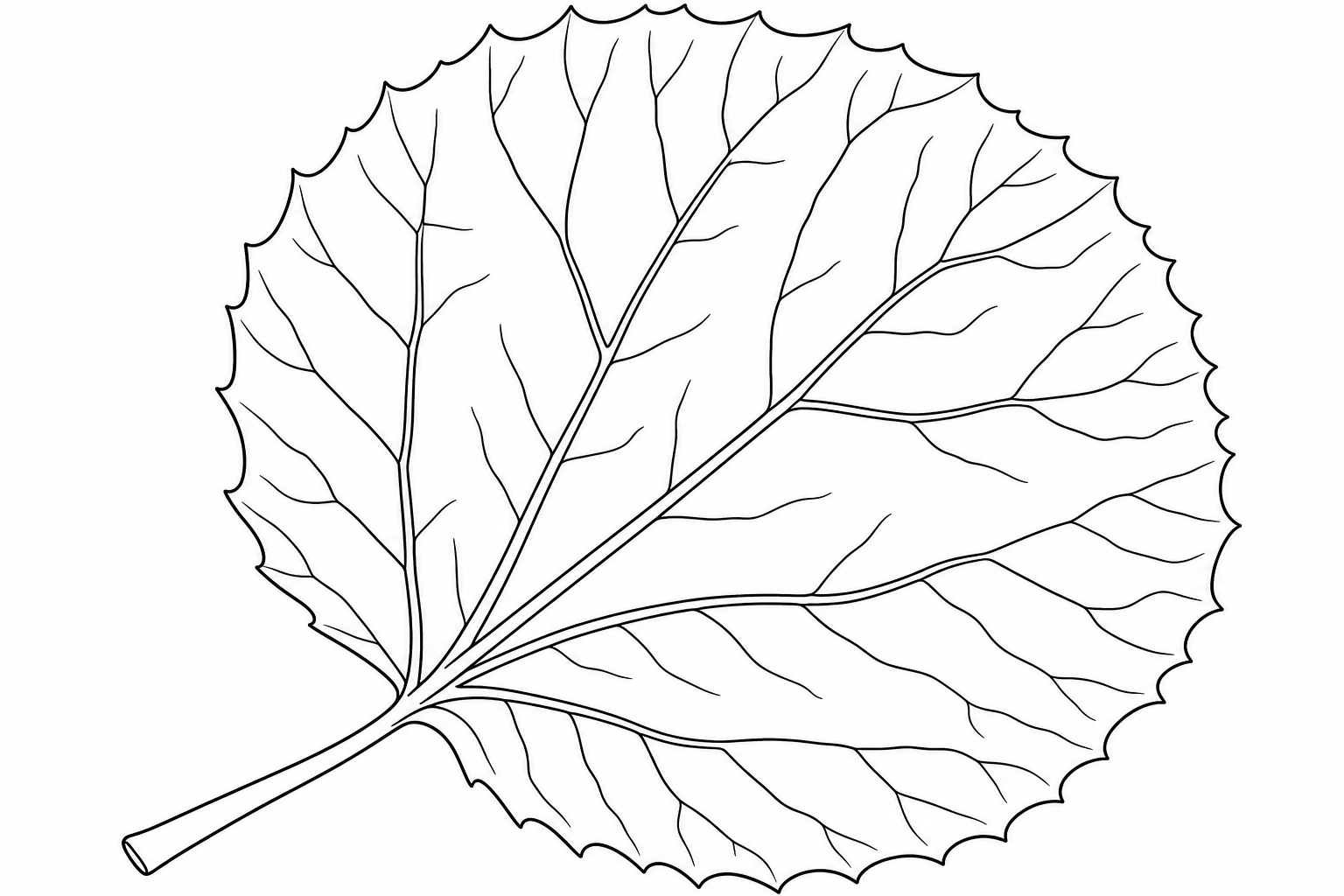
These are the little ones, and they move. Birch leaves are small ovals with a pointed tip and finely toothed edges. Aspen leaves are nearly round on flattened stems, which is why a whole aspen shivers in the lightest breeze. Both go a clean, bright yellow. Keep these pages simple and let the color carry them.
Take your pages on the walk
The pages earn their keep outdoors. Bring the ones you colored, or a blank one clipped to a board, and match what is on the paper to what is on the ground. Here is the short version, small enough to keep in a pocket.
| Leaf shape | Tree | How to spot it |
|---|---|---|
| Five points like a hand | Maple | Shallow notches, gold to scarlet |
| Rounded or bristled lobes | Oak | Acorns scattered nearby |
| Little fan | Ginkgo | Fan-shaped veins, all-over yellow |
| Five-pointed star | Sweetgum | Toothed points, spiky seed balls |
| Small oval or near-round | Birch or aspen | Trembles in the wind, bright yellow |
Once a kid can name five, the rest of the yard opens up. Ash leaves arrive in feathery rows of leaflets, poplars go butter yellow, and every walk starts turning up one more thing to carry home and press flat.
What else could you color?
Pick a prompt or type your own — opens in a new tab.
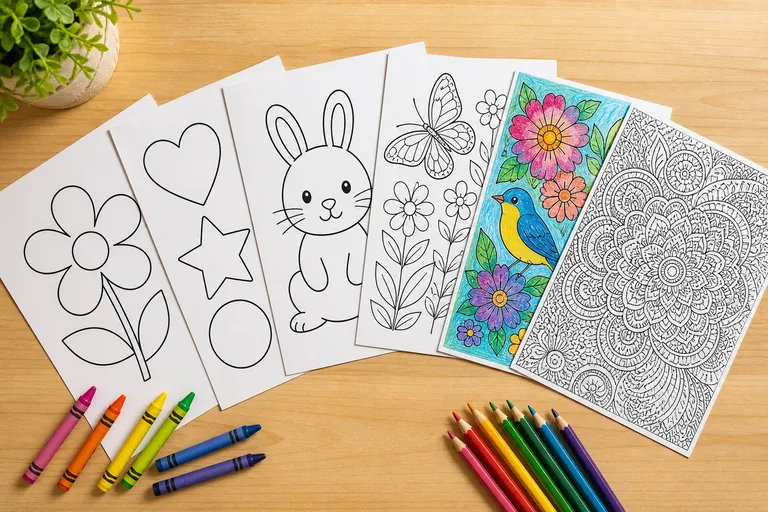
Print the whole collection
Ready for the hunt? Here is the full set, ready to print and take outside.