Two mittens on a string, one hat with a bobble, a scarf that is always longer than the child, snow pants from the bottom drawer, and boots that fitted in March and may not fit now. That is the pile that comes out on the first properly cold morning, usually at twenty to eight, usually when someone is already late.
This is a small story about that morning, told in three scenes: the evening before, when the clothes become winter clothes coloring pages; the hallway at breakfast time, when the page does the asking; and the moment the door opens onto frost. The pages suit children from about 3 to 8, and the whole thing costs one print run and one evening.
The evening before: color the clothes the colors they really are
After dinner, put the real pile on the floor next to the table. Your child picks up one mitten, looks at it hard, and colors the paper mitten the same red, or the same stripes. Then the hat. Then the boots.
That is the whole trick. A child who has spent ten minutes matching the blue of a scarf has already handled it, named it and found out which end has the fringe. Three- and four-year-olds will often color one item and wander off, and one item is enough. Six- to eight-year-olds tend to get exact about the stripes, so let them count.
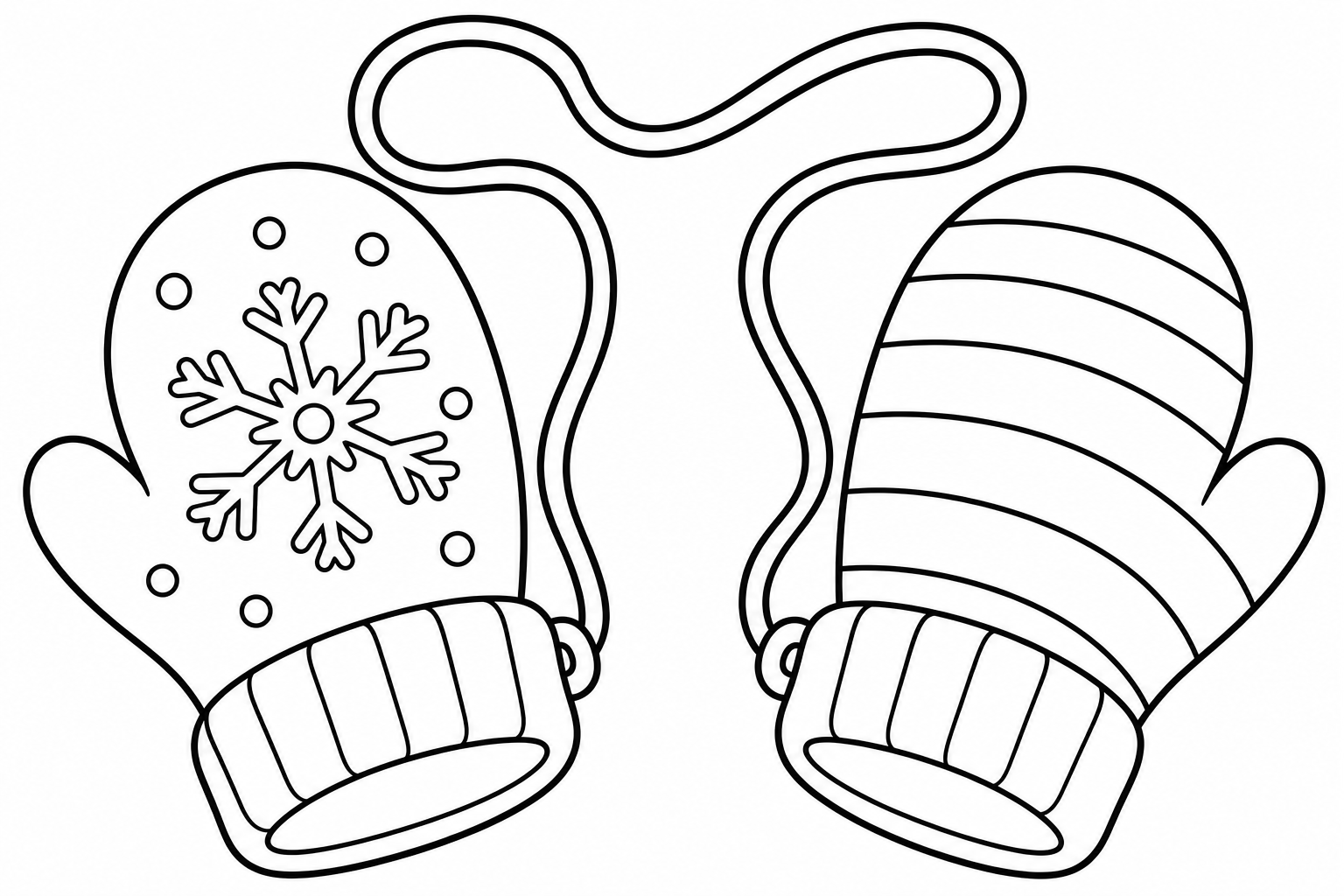
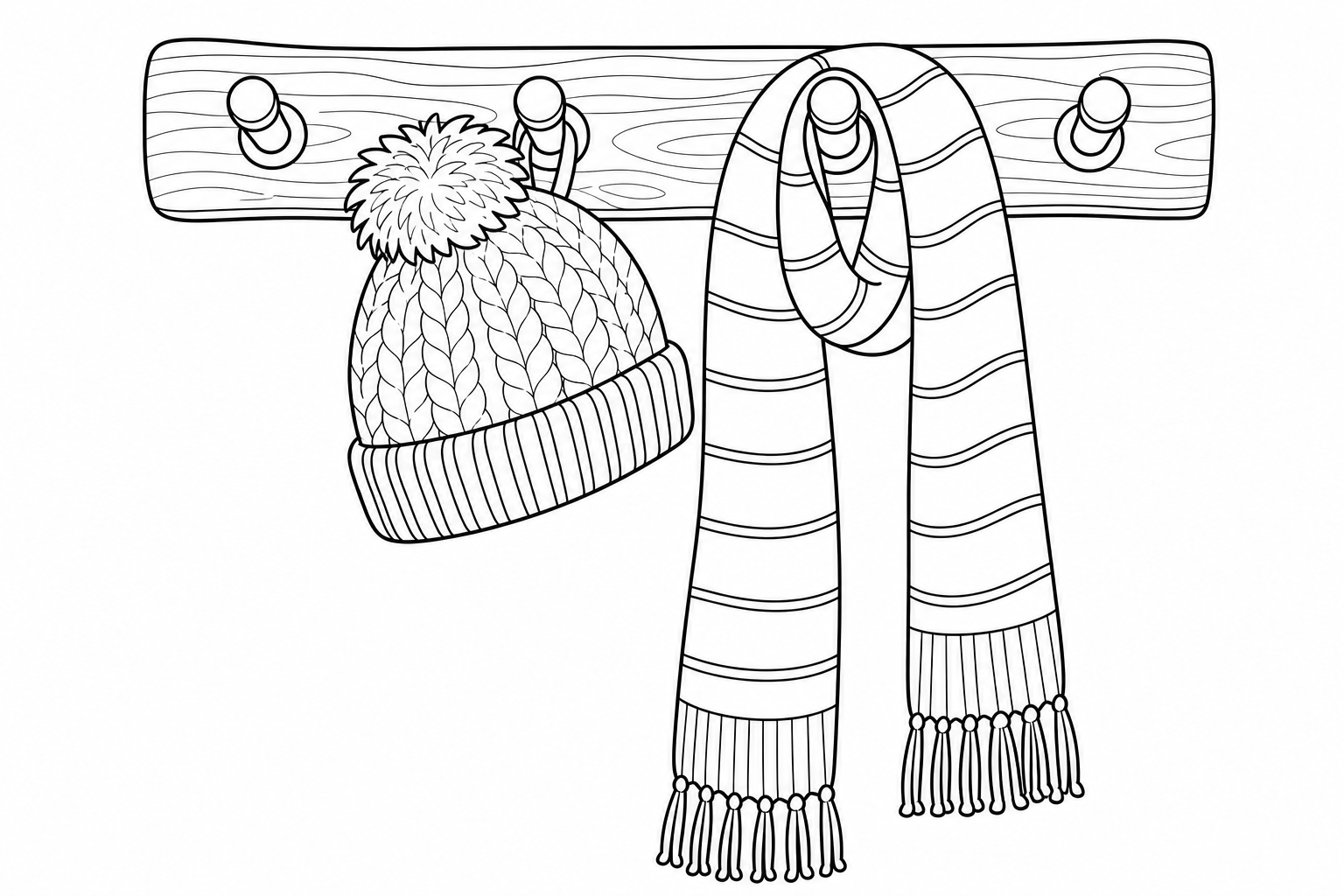
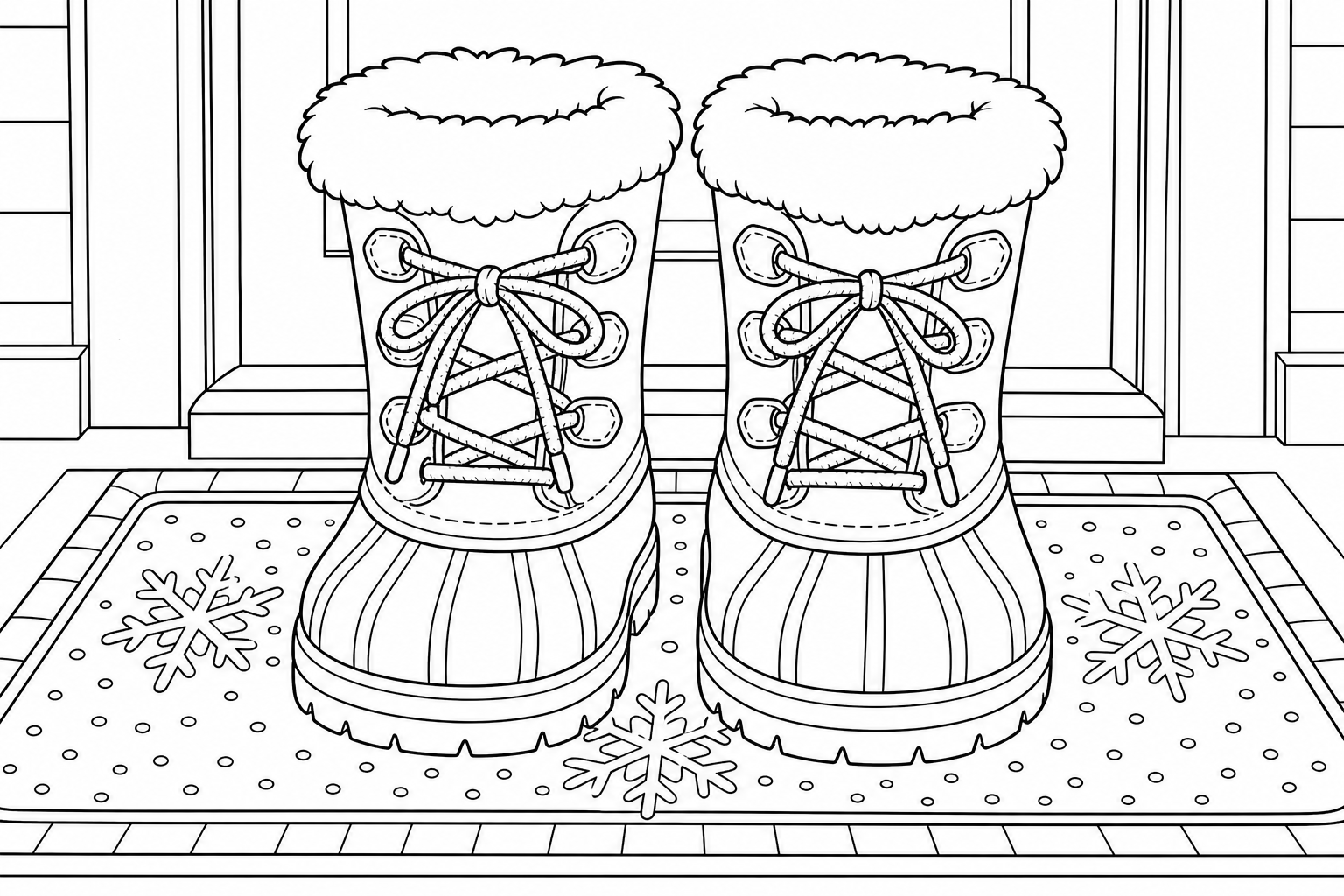
If a mitten is missing, it turns up tonight instead of at twenty to eight. That alone is worth the evening. And if coloring already belongs to your bedtime, keep this session as short as the one in our piece on coloring before bed.
Line them up in the order they go on
Before bed, lay the real clothes out in the hallway in the order they go on. The order matters more than it looks: a child who starts with the mittens cannot do up a zip. The American Academy of Pediatrics suggests dressing children in several thin layers (HealthyChildren.org), with the outdoor things on top in roughly this order:
- 1Snow pants over the thin layers
- 2Boots
- 3Jacket, zipped up
- 4Hat
- 5Scarf
- 6Mittens, always last
Say the list out loud once while your child points at each item. Then leave it alone until morning.



Coloring fun for kids — anywhere.
Free for iOS & Android. No ads, no sign-up, offline-ready.


Coloring fun for kids — anywhere.
Free coloring app for kids. iOS and Android, phones and tablets. No ads, no sign-up, even offline.
The morning: the page on the wall does the asking
In the morning, the colored pages hang on the wall at your child's eye level, next to the hooks. Here is the turn in the story: you stop being the person who says "hat". Your child looks at the page, finds the striped scarf, and goes to get the real one. For a four-year-old, checking a picture feels very different from being told.
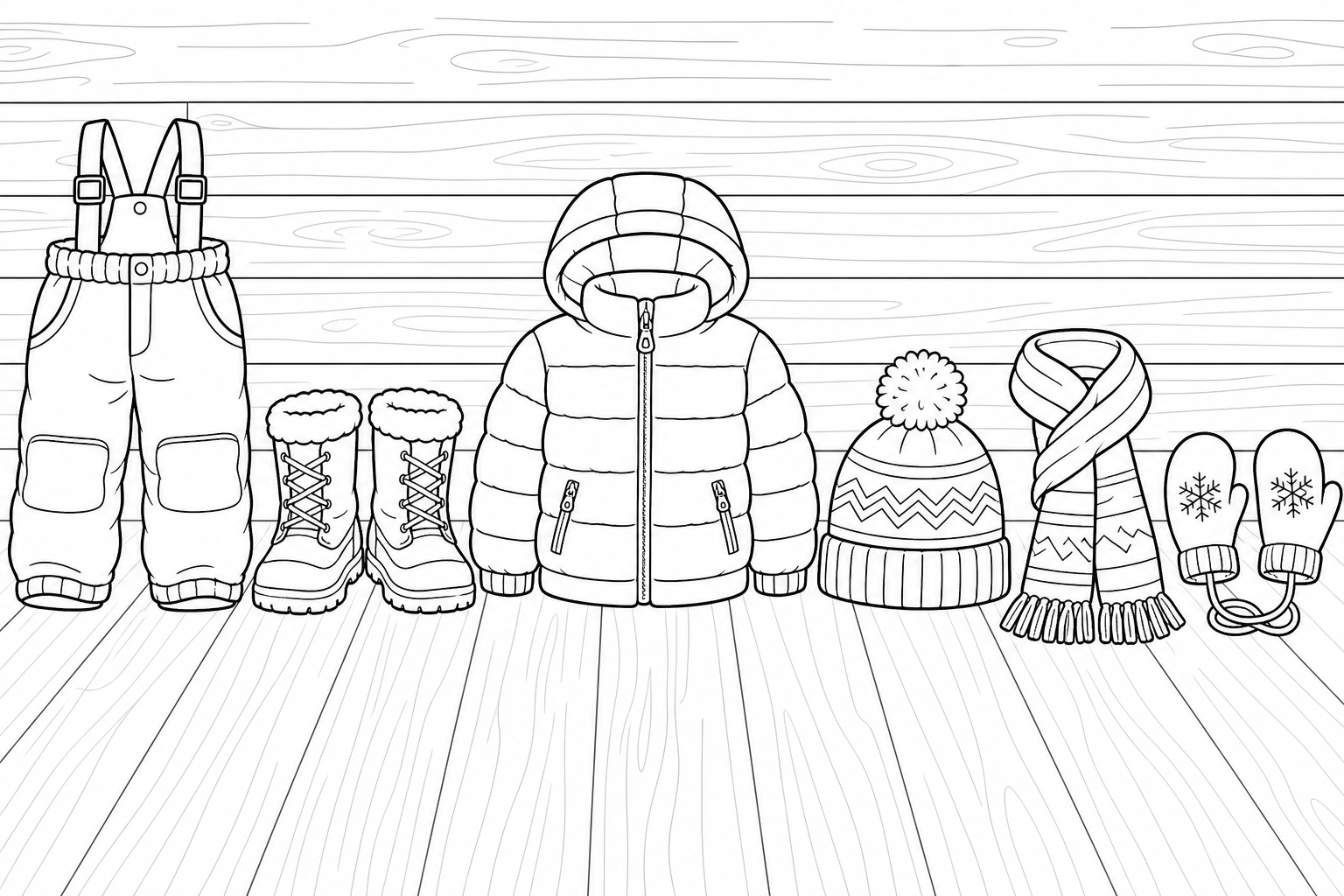
If you would rather have everything on one sheet, print the row page and color it as a single strip, left to right, in the order of the list. It works well with siblings too: one row each, in their own colors, so nobody walks off in the wrong hat.
Out the door: the first frosty step
Then the door opens. The grass is white, the path crunches, and your child is wearing exactly the colors from last night's page. Children notice that. Some want to compare, the real hat held up next to the paper one, before they even reach the gate.
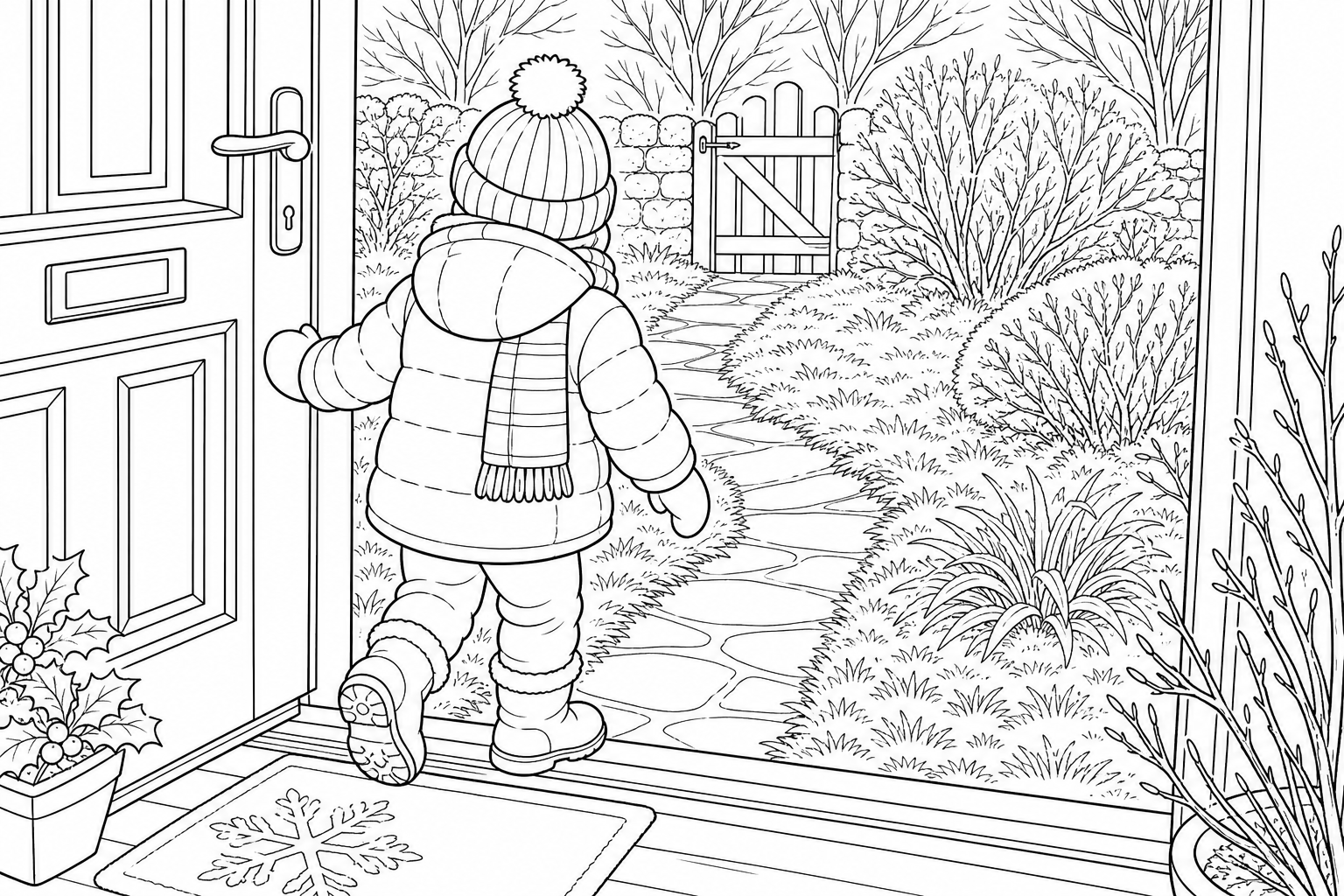
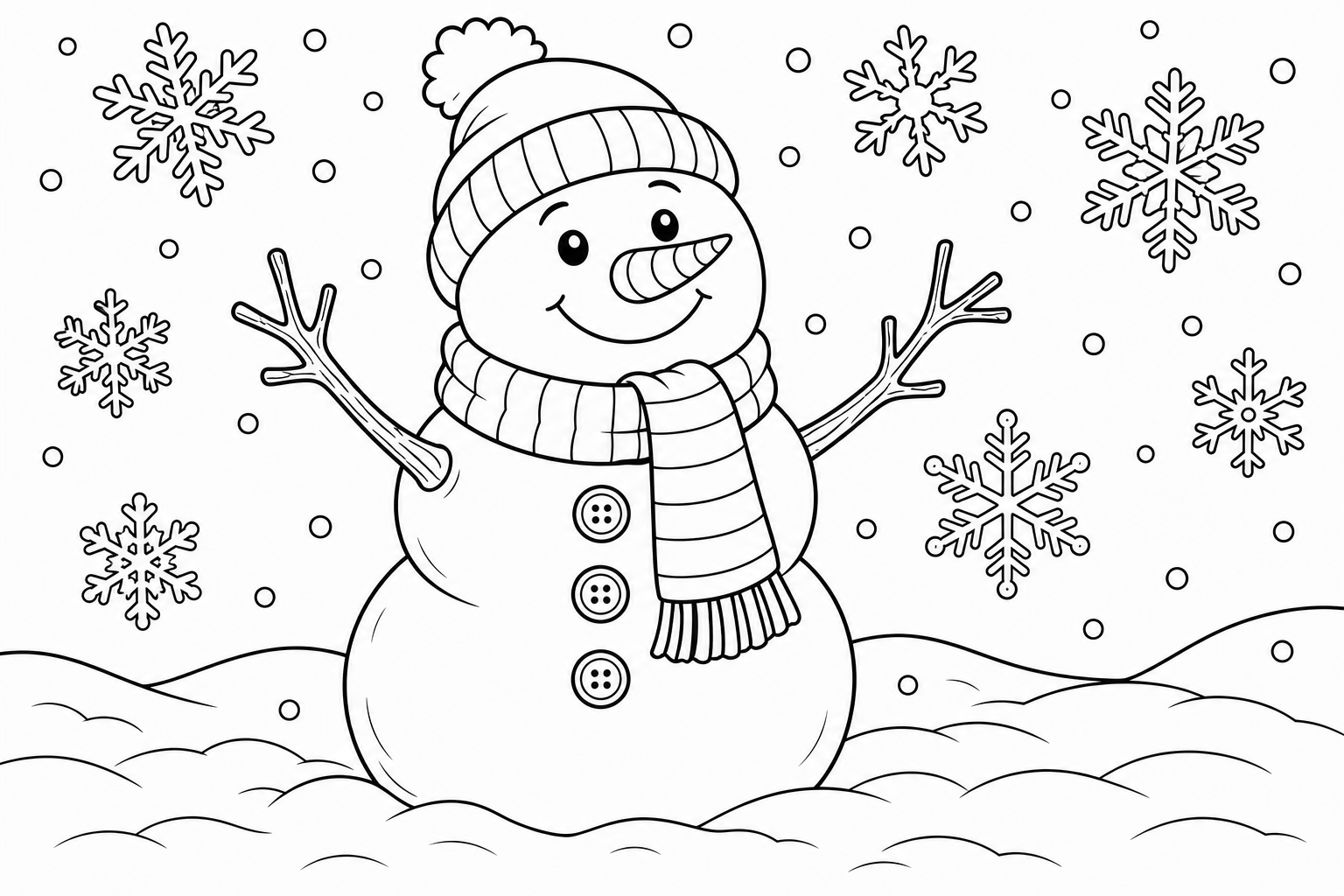
The doorstep page is the busier of the two, a frosty garden full of small shapes for older children who like detail. The snowman waits for the first real snow, whenever it decides to come this year.
For the rest of the cold months, the showroom has more winter subjects to print:
What else could you color?
Pick a prompt or type your own — opens in a new tab.
Next winter
Keep the page. Next November, put it beside the new pile and see what has changed. The boots will be bigger, at least one mitten will be gone, and your child may want to color the new ones in a color of their own choosing.
"Why are the boots on the page smaller than mine?"
"Because last winter, you were smaller too."