A few minutes with a coloring page can do what an hour of scrolling cannot: quiet your mind. Parents notice it with their kids. Adults rediscover it after years of staring at screens. The science backs it up — coloring is one of the simplest, fastest ways to lower stress, and it works without any training at all.
How Coloring Calms the Brain
When you color, your attention narrows to a single, predictable task: filling space with color. That narrowing is the whole trick. Anxious thoughts compete for working memory, but coloring gently crowds them out. The repetitive hand movement lowers cognitive load, while the structured shapes create a feeling of safety and control — the opposite of how stress feels.
Researchers compare the result to a light meditative state: focused, unhurried, and slightly dissociated from worry. Unlike passive activities like scrolling, coloring engages your mind, but without overwhelming it.
Coloring works because it asks just enough of you to keep the worries out — and not so much that it becomes another thing to stress about.
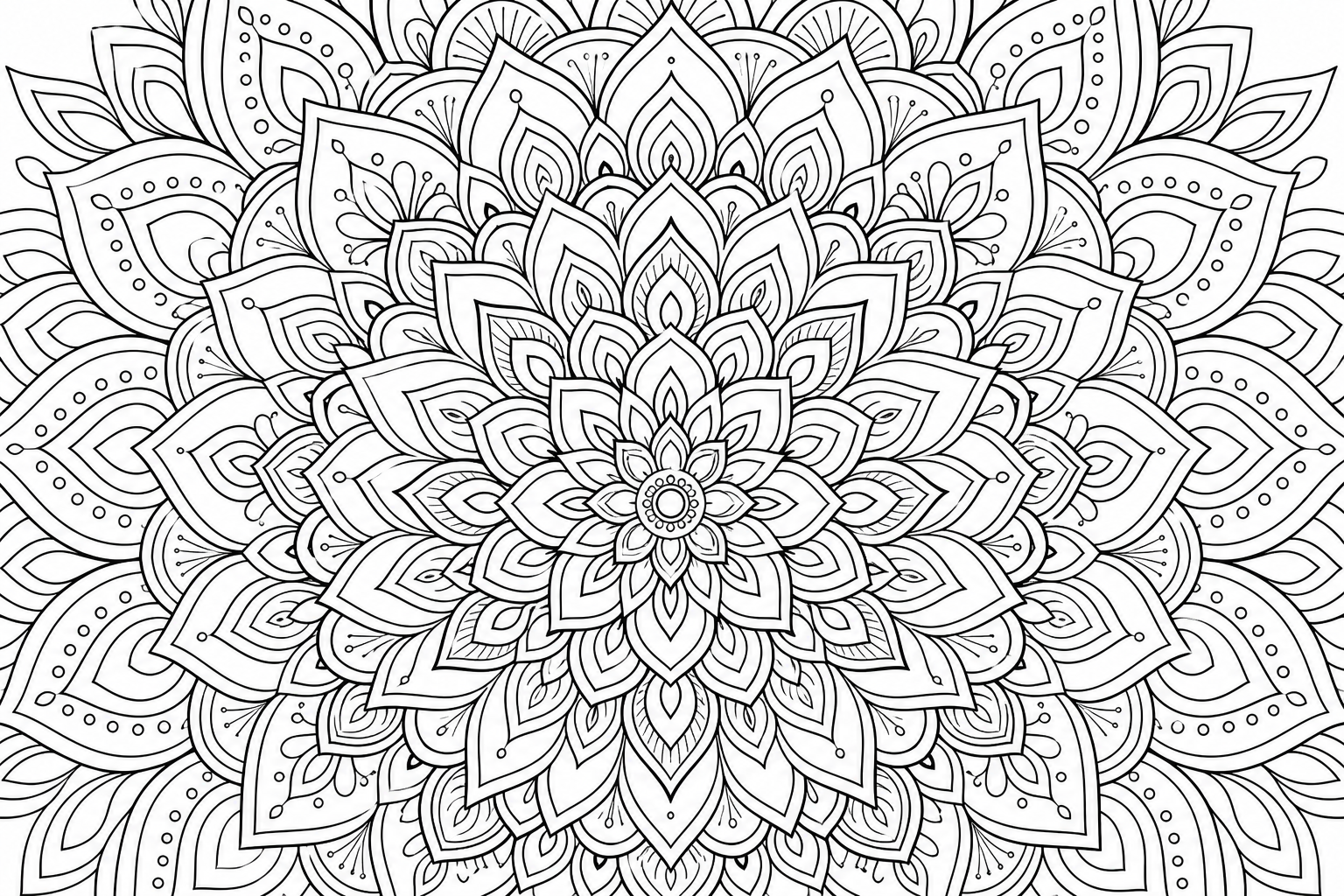
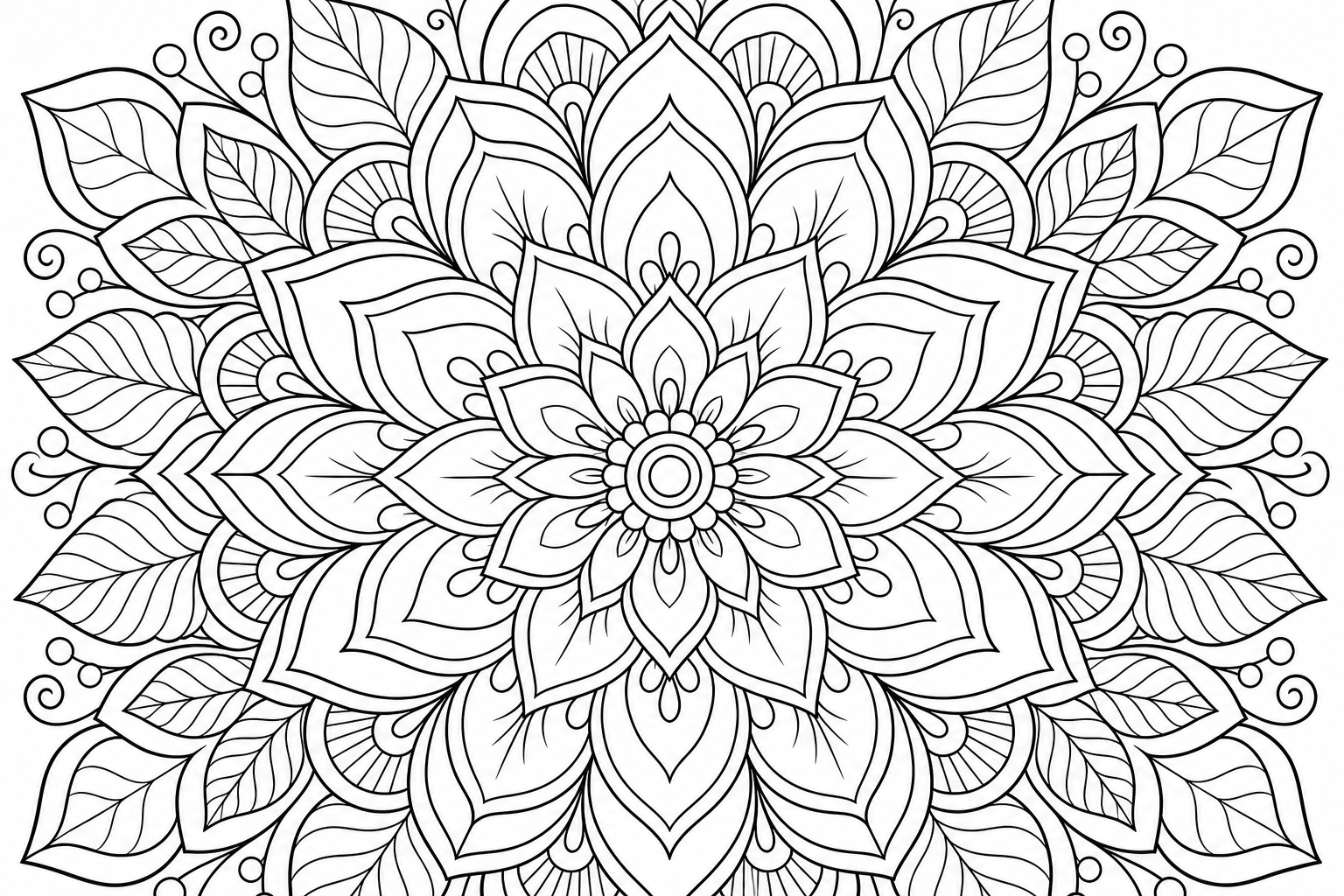
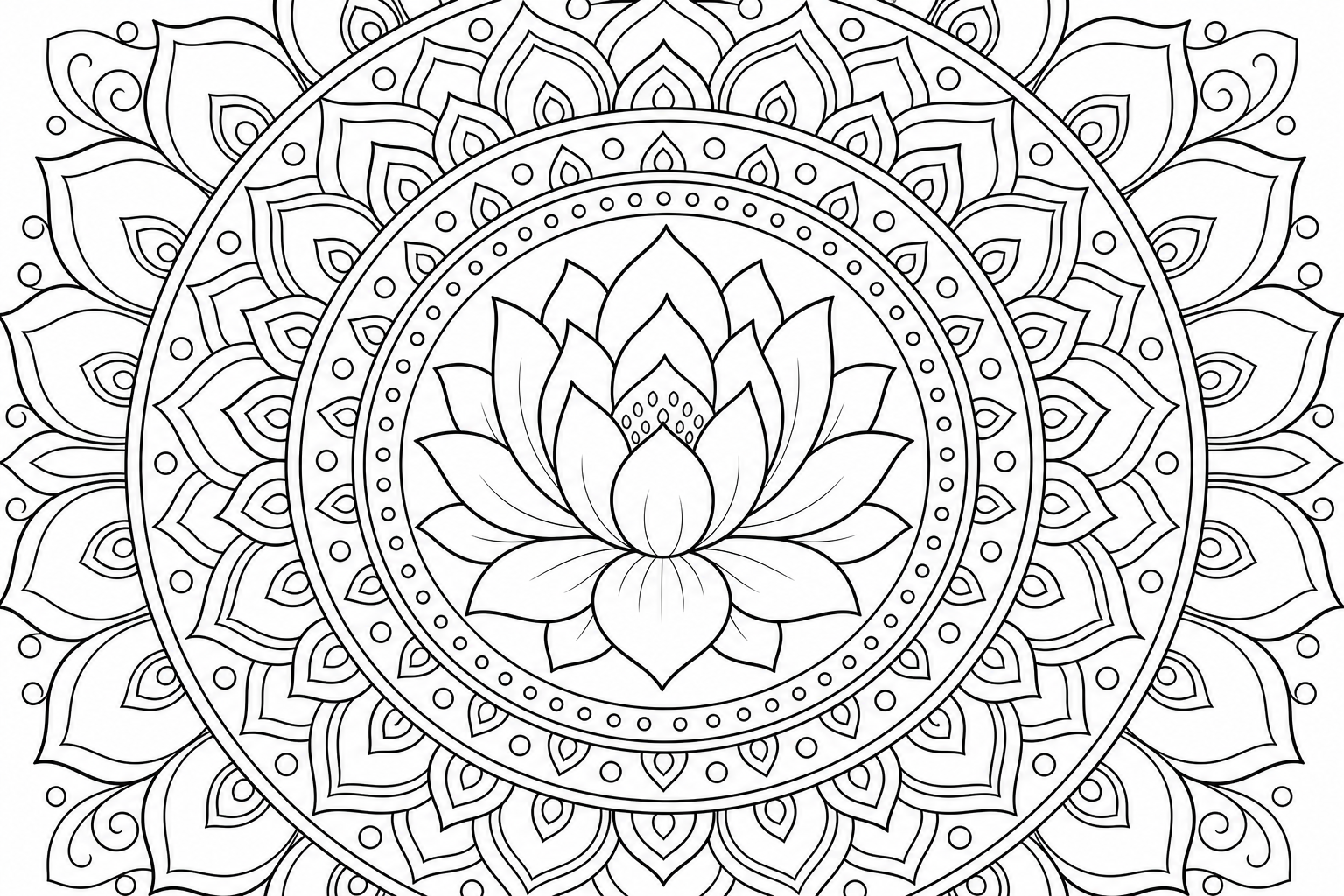
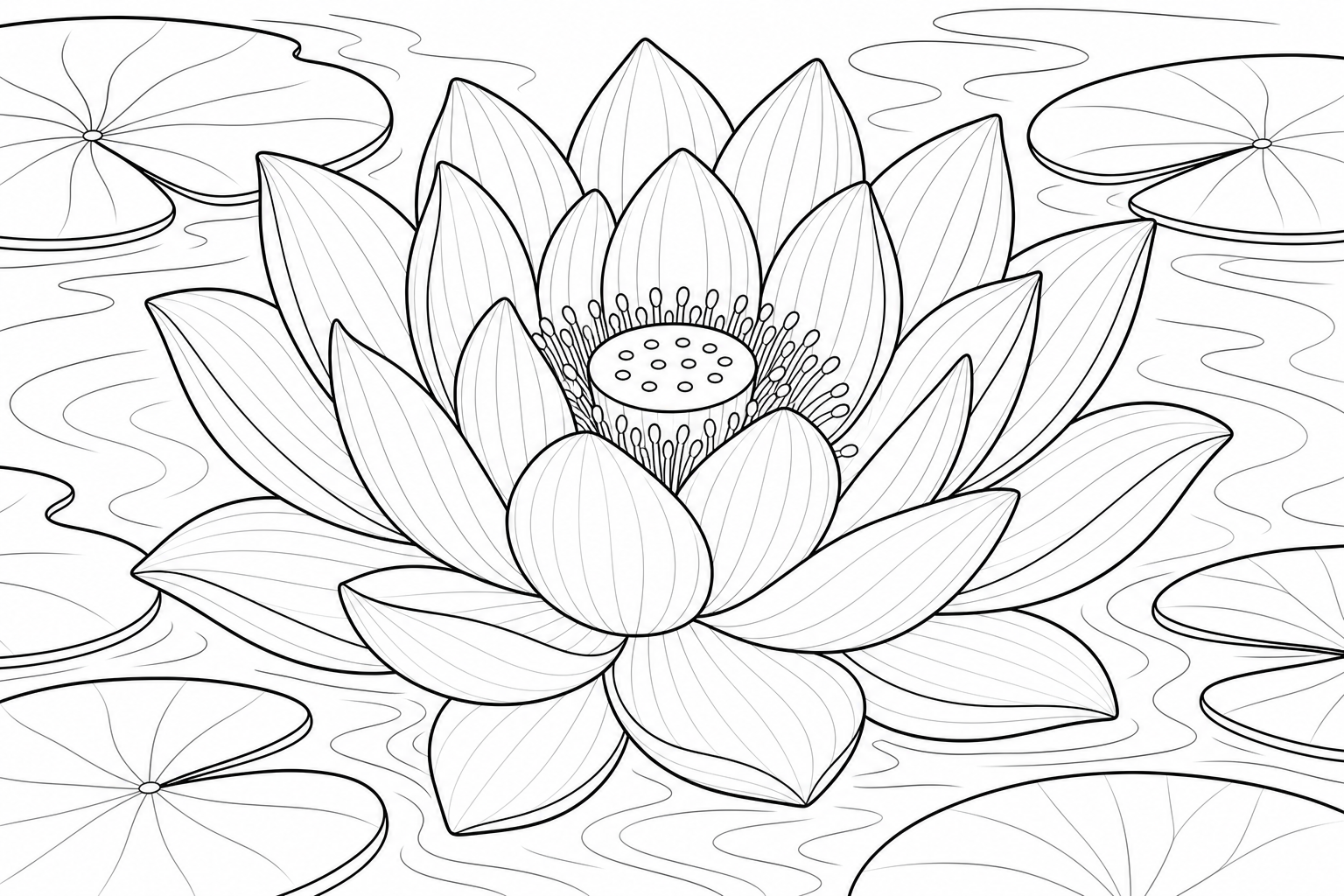
In one study, people who colored a structured mandala calmed down more than those who colored freely, which is part of why a patterned page works so well.
Try It Yourself in Under a Minute
Reading about stress relief is relaxing in theory. Actually relaxing takes about sixty seconds:
- 1Pick a theme that sparks a little joy — dinosaurs, unicorns, space, or whatever feels good today.
- 2Generate a coloring page instantly — no searching, no scrolling through templates.
- 3Pick up a pencil or marker and start. Don't plan. Don't optimize. Just color.
That's the whole method. Most people feel their shoulders drop within five minutes. Many forget to check their phone for the next twenty.
Why Coloring Is So Good for Kids
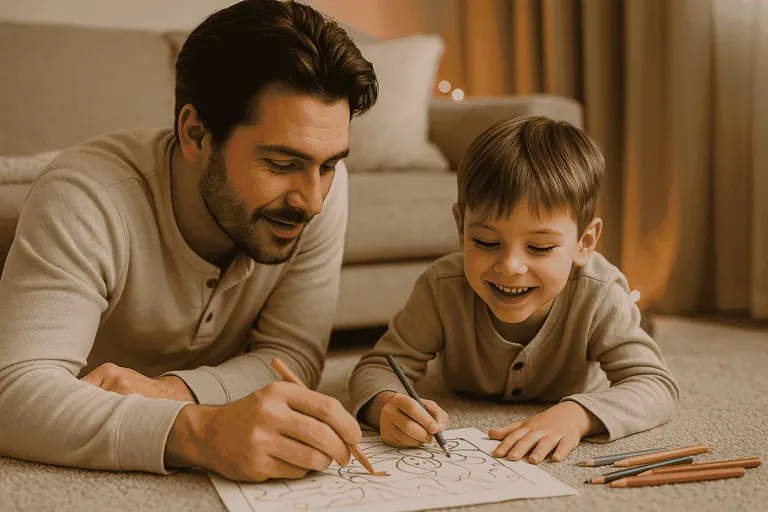
For children, coloring isn't only entertainment — it's a quiet tool for emotional regulation. A chaotic afternoon can reset over a single page.
On the emotional side, coloring helps kids settle big feelings without needing words for them. It offers a calming routine that's easy to anchor before dinner, after school, or alongside homework. Parents often notice that screen-time battles shrink once coloring becomes a reliable part of the day.
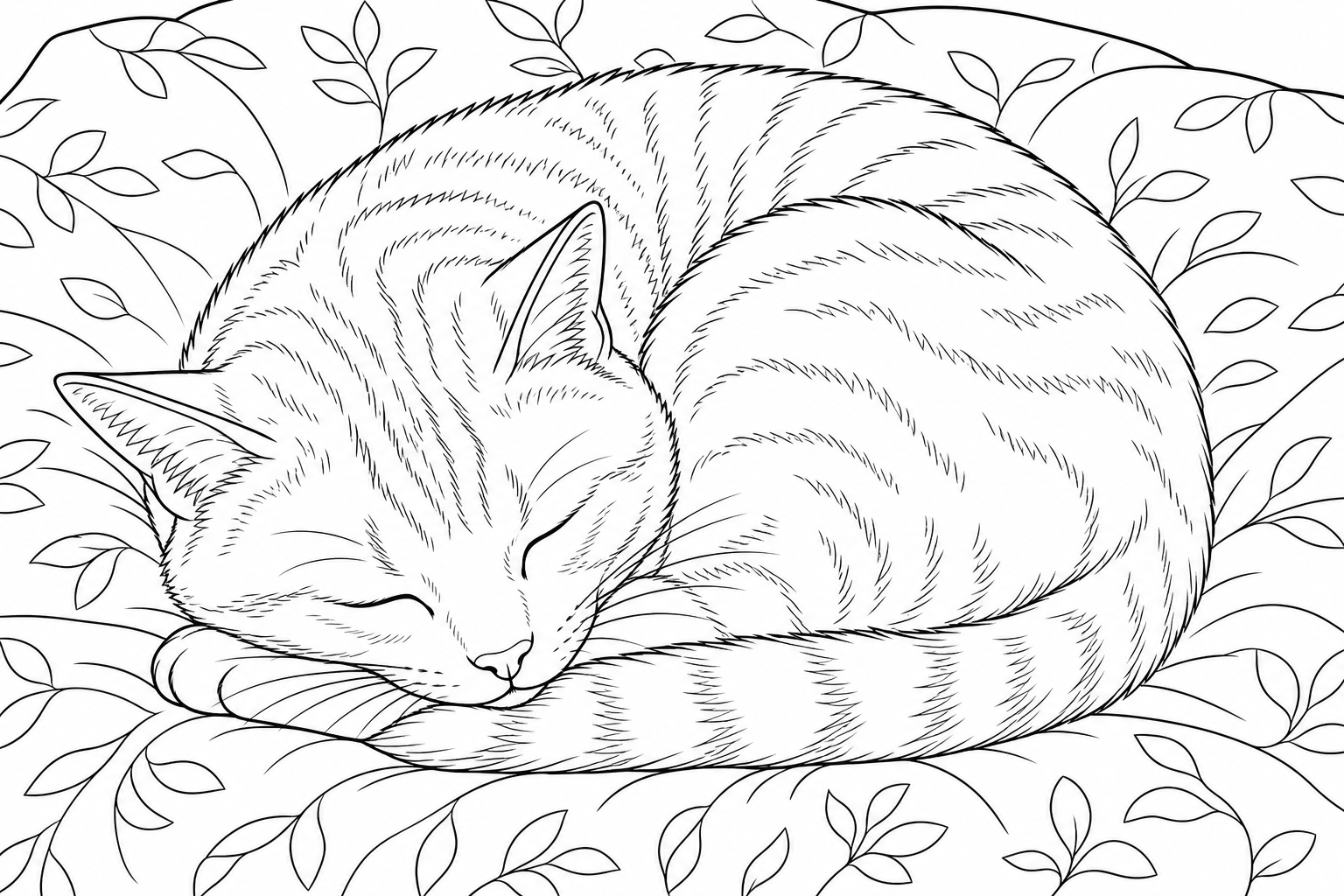
Cognitively, it builds the less glamorous but essential skills: sustained attention, fine motor coordination, and patience with a task that has no shortcut. And when the coloring page features a favorite animal, character, or theme, engagement goes up sharply.

Why Adults Are Coming Back to It
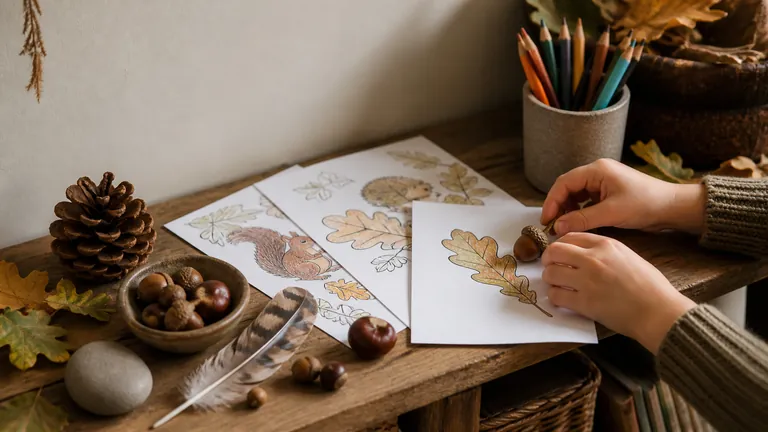
For adults, coloring has quietly become a favorite antidote to digital overload. It scratches the same itch as a craft hobby without the startup cost of learning a new skill.
Many describe it as active meditation. Your hands stay busy, your mind quiets, and you slip into flow — that state where time softens and the urge to check notifications simply fades. Even a ten-minute session in the evening can visibly shift your mood before bed.
It's not about the finished picture. It's about the twenty minutes on the way there.
Coloring vs. Other Ways to Unwind
Meditation is excellent — and hard. It takes weeks to feel comfortable, and most kids struggle with it. Breathing exercises help in the moment, but we tend to forget them right when stress actually arrives.
Coloring is different. There's no technique to learn and no right way to do it. You open a page, pick a color, and the calming effect starts immediately. You feel it the first time you try it, at any age.
A Gentle Routine That Actually Sticks
You don't need an elaborate setup. Most people who make coloring a habit do three things well:
- Keep it close. Pencils and a page within reach beats a dedicated art corner you have to "go to."
- Keep it short. Ten to fifteen minutes is plenty — shorter is always better than skipped.
- Focus on the doing, not the result. The moment you start grading your own coloring, the calming effect slips away.
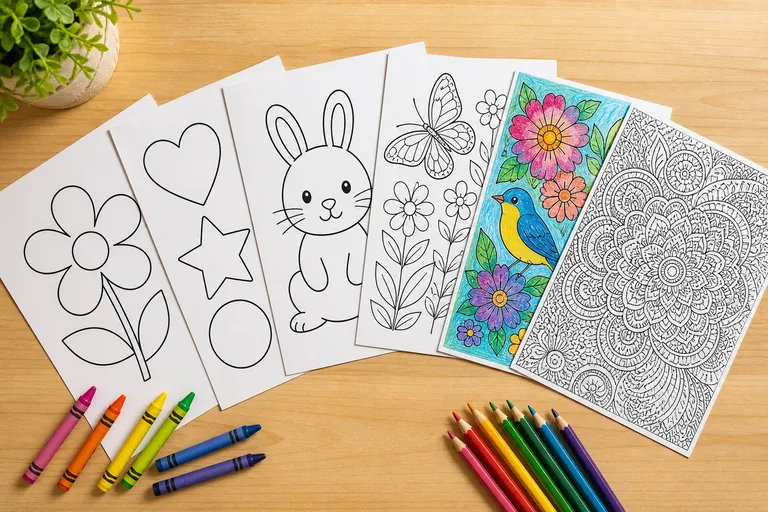
The right materials are the ones that feel good in your hand. Colored pencils and crayons are forgiving for kids and easy to control. Markers are bolder and more satisfying for many adults. There's no wrong choice — only the one that makes you keep coming back.
When Coloring Fits Best
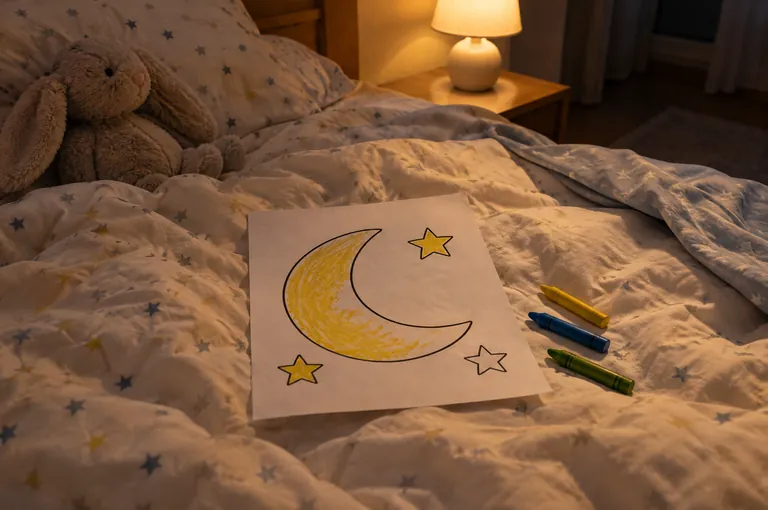
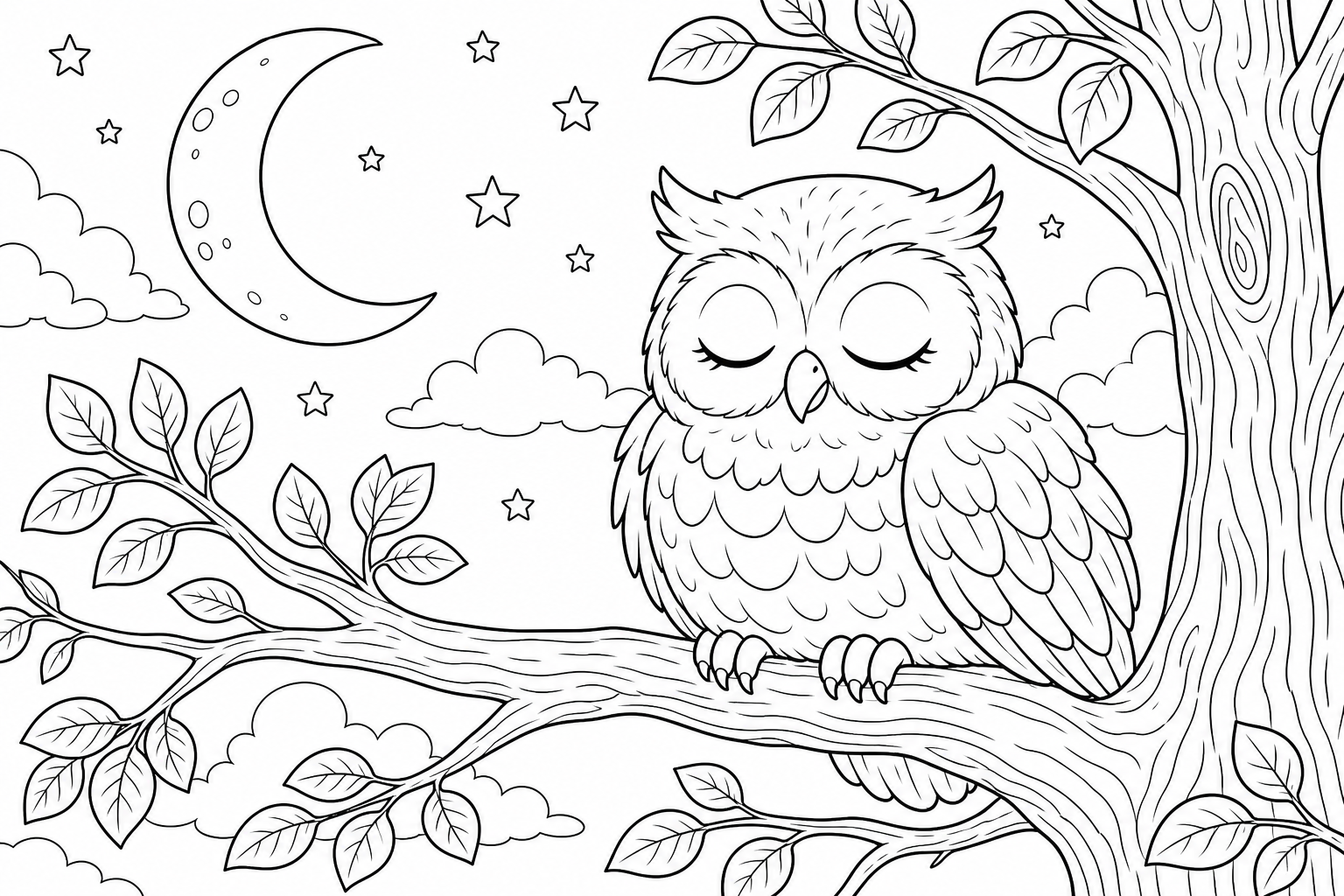
At home, it's a natural way to unwind after school or slot in a screen-free half hour before dinner. In classrooms, teachers use it as a focus reset between subjects — and as an on-ramp back into concentration. Before sleep, it often works better than other wind-down routines, because it reduces mental noise without asking you to learn a single breathing technique.
It fits wherever you need a moment of quiet that doesn't feel like another task on the list.



Coloring fun for kids — anywhere.
Free for iOS & Android. No ads, no sign-up, offline-ready.


Coloring fun for kids — anywhere.
Free coloring app for kids. iOS and Android, phones and tablets. No ads, no sign-up, even offline.
Frequently Asked Questions
Does coloring really reduce stress?
Yes. Coloring calms the mind by narrowing attention to a single, structured, repetitive activity — a near-mindful state that lowers anxiety, often within minutes.
Is coloring good for anxiety?
It's one of the most accessible tools for everyday anxiety. Many people use it specifically because it works without preparation, training, or a perfectly quiet room.
Is coloring good for kids?
Strongly yes. It supports emotional regulation, focus, fine motor skills, and creativity — all while giving parents a screen-free activity that kids actually choose on their own.
How long should I color to feel the benefits?
Most people notice a shift in 5 to 10 minutes. Around twenty minutes is the sweet spot for a deeper reset. Consistency matters more than duration.
What's the best way to start?
Pick a theme you're drawn to, generate a matching coloring page, and color for a few minutes without judging the result. That's the whole method.
Start Coloring in the Next Two Minutes
Stress doesn't clear because we understand it better. It clears because we do something that gently pulls attention elsewhere. Coloring is one of the quickest, kindest tools we have for that — for kids, for adults, for anyone who needs a small reset in a noisy day.