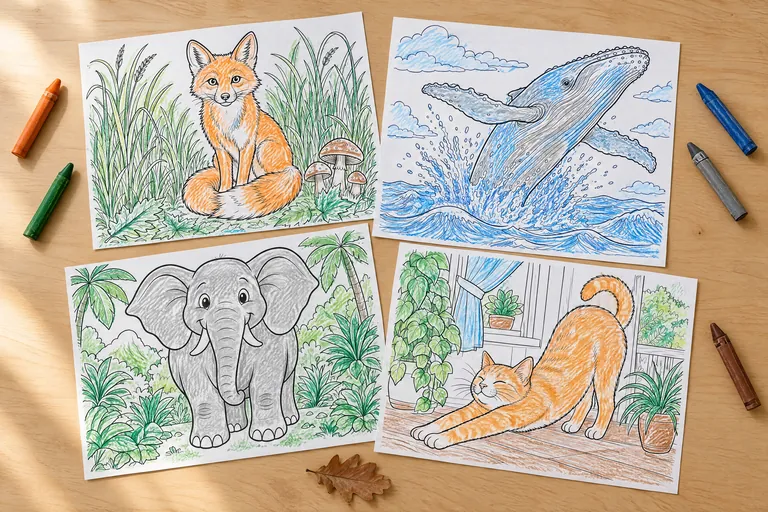
Who decided that animals should get a day of their own, and why is it a Sunday in October? The answer starts in a Berlin sports hall a hundred years ago, and it ends, for this article, on your sofa. In between are five stops: forest, ocean, hot places, cold places and home. Each one comes with a move your child acts out first and a page to color after.
Why 4 October belongs to the animals
The first World Animal Day was held on 24 March 1925 in the Berlin Sportpalast, and more than 5,000 people came, according to the World Animal Day organization. It was the idea of Heinrich Zimmermann, a writer and editor born in Warsaw who published a magazine called "Man and Dog". He had picked 4 October from the start, to honor Saint Francis of Assisi, who died on the eve of that day in 1226 and was later named patron saint of animals. The day was first held on that date in 1929, and in 1931 an animal protection congress in Florence made 4 October the official date for everyone.
This year it falls on Sunday, 4 October 2026. If your class marks it on the Friday before or the Monday after, the tour below works at a school desk as well as a kitchen table. Read a stop, do the move, color the page. The move is the part children remember.
First stop, the forest: listen like a fox
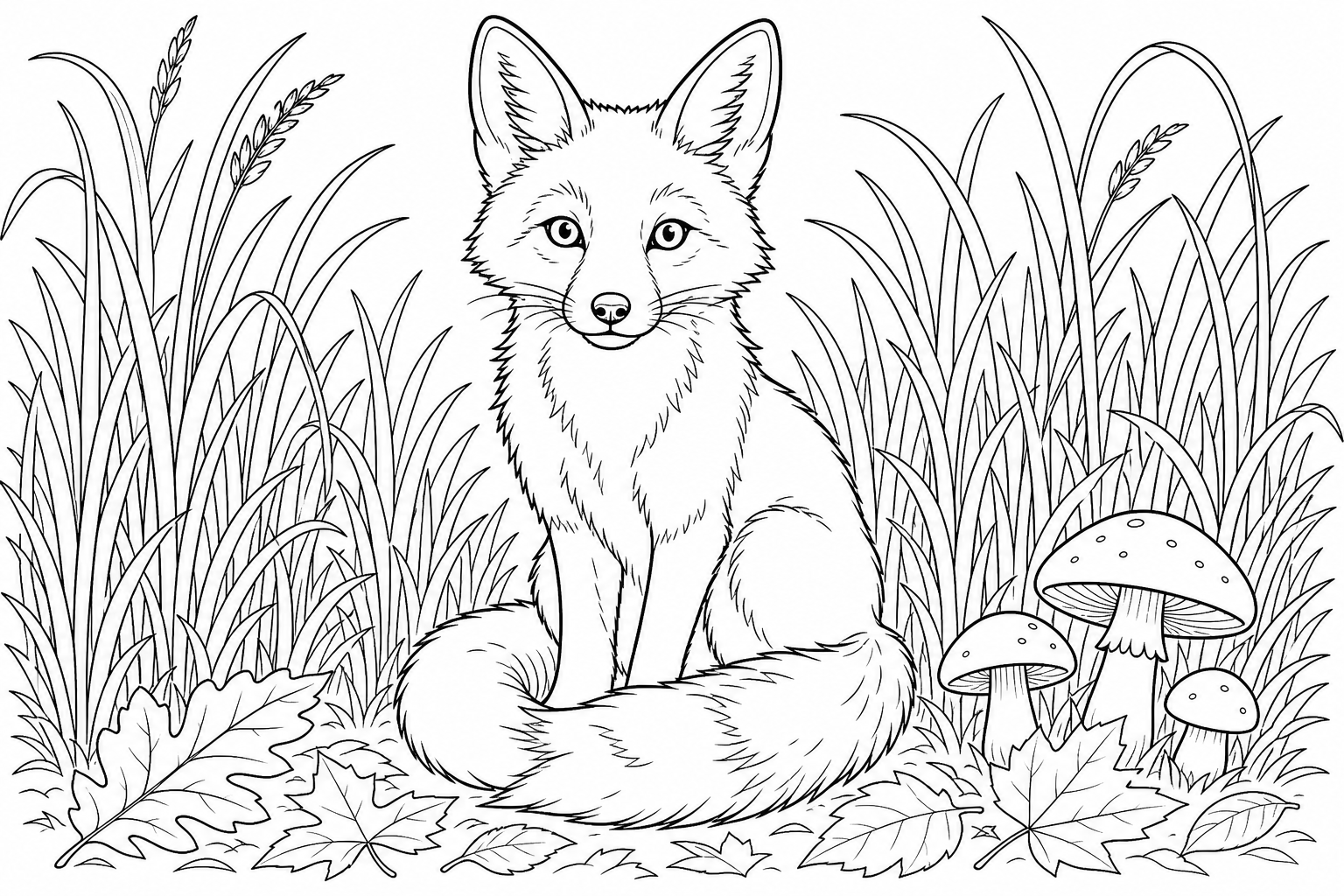
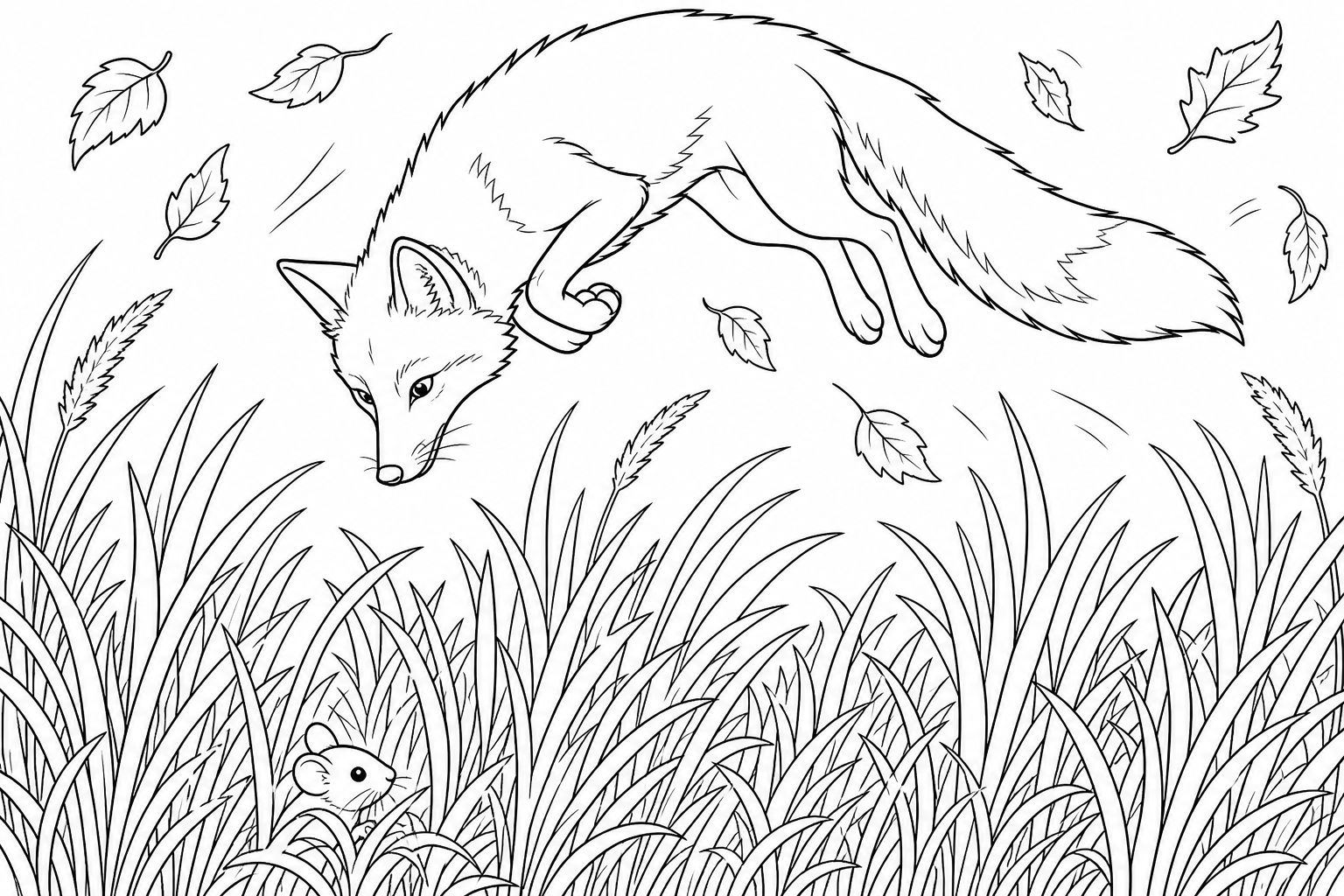
A fox in a meadow cannot see the mouse under the grass, so it listens. National Geographic describes how a fox hears the rustle of a mouse hidden under snow, works out where it is, and then leaps into the air to come down on it from above.
Act it out: crouch on all fours and keep completely still. Someone scratches a fingernail on the floor somewhere behind a cushion. Listen, turn your head, count to three, then jump up and land with both hands flat on the spot.
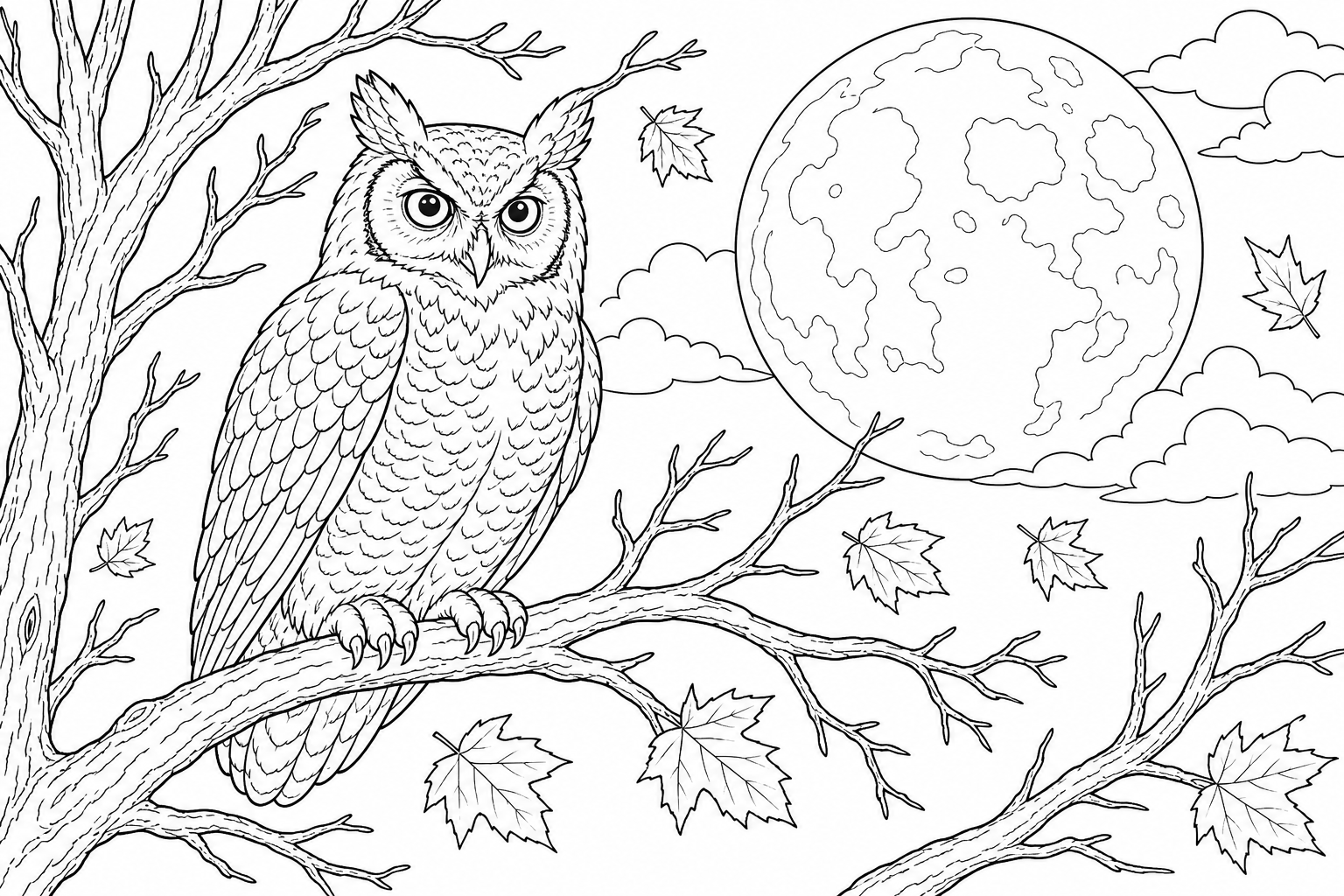
The owl on the moonlit branch is the fox's night-shift neighbor. If your child falls for it, the owl pages where the eyes do all the work go deeper.
Second stop, the ocean: jump like a humpback
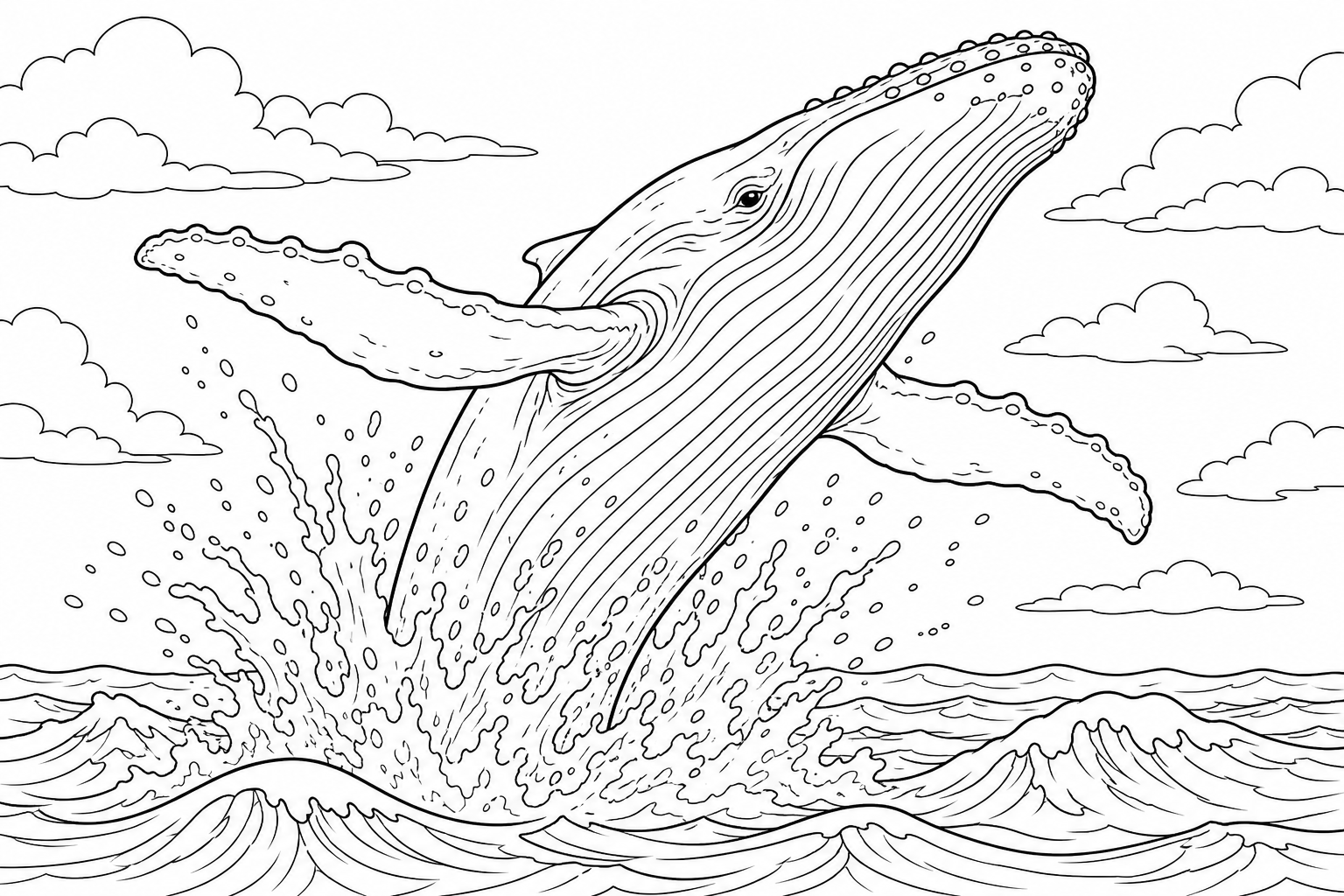
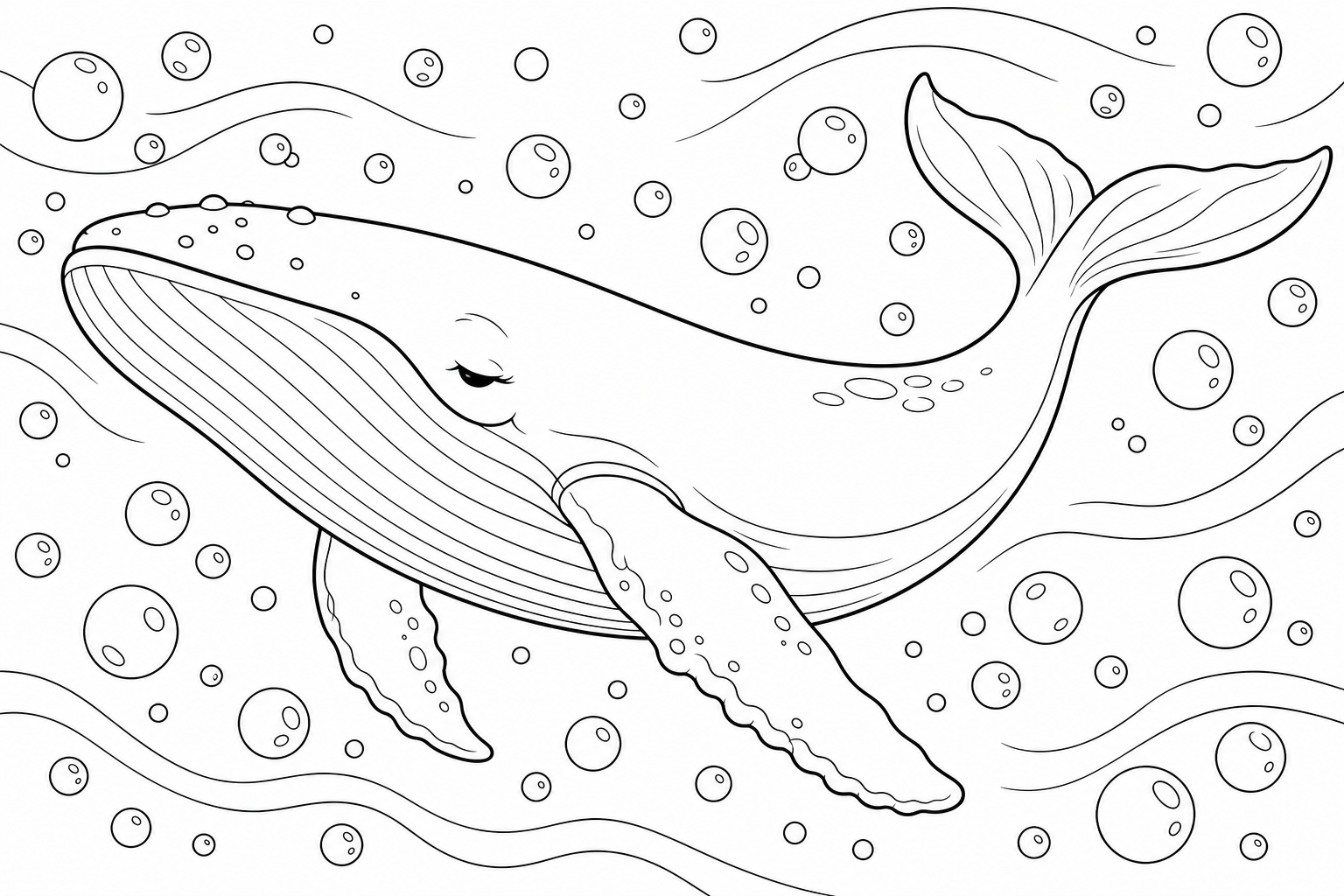
Humpback whales are big and they are not shy. NOAA Fisheries notes that they often jump right out of the water and slap the surface with their long side fins or their tails, which is why whale watchers love them.
Act it out: lie on your tummy on the rug, push up as high as your arms go, then flop back down and slap the floor with flat hands, left fin, right fin. Louder is better.
Third stop, the hot places: cool off like an elephant
Elephants have no shade to carry around, so they use their ears. The San Diego Zoo explains that when an elephant flaps its ears on a hot day, the blood running through the many vessels in those big ears cools down.
Act it out: put your open hands behind your ears, make them as wide as you can and flap slowly. Ask your child whether it feels cooler. It usually does, a little.
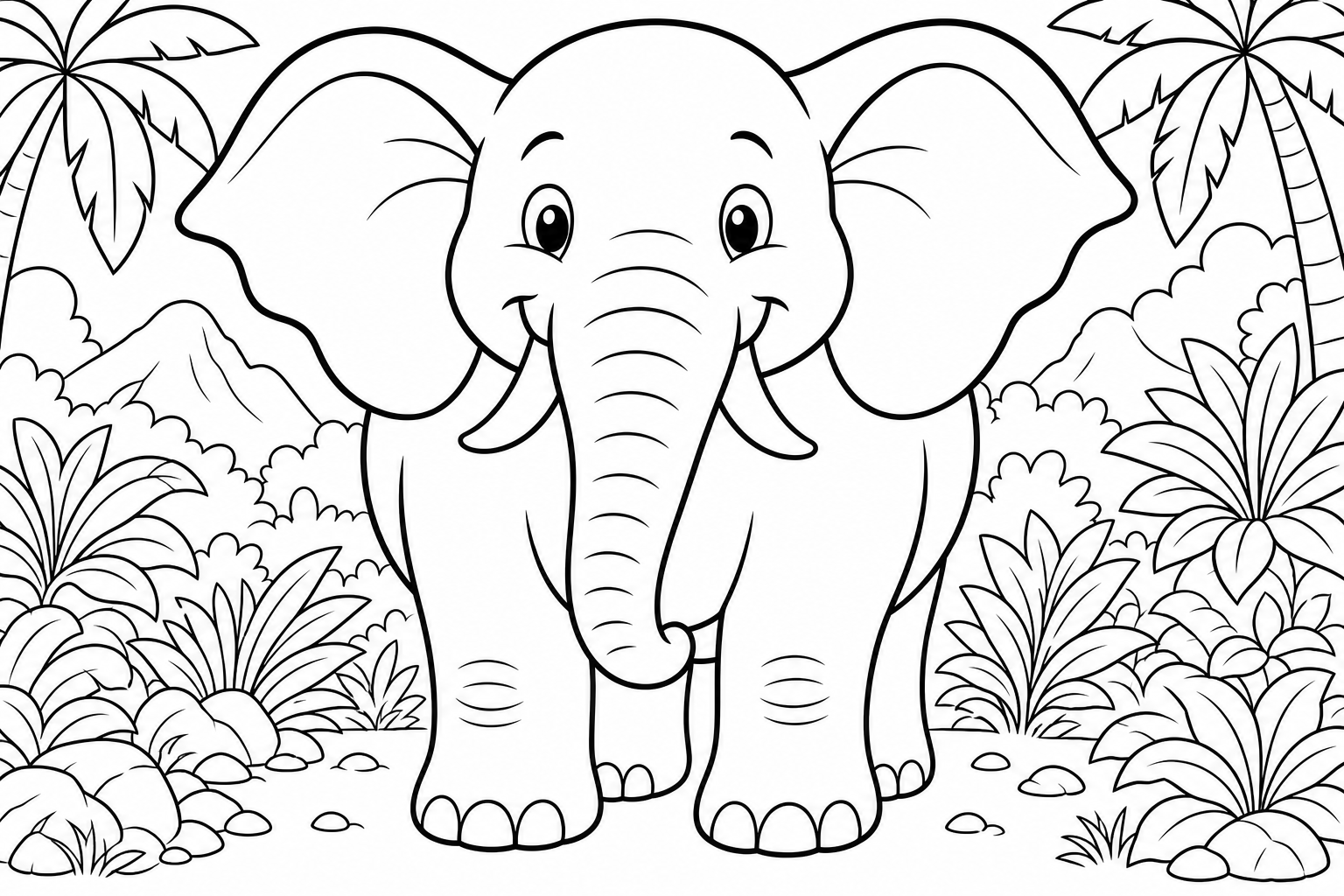
Elephants have their own chapter in the magazine too: there are elephant pages for the kid who is about to be the big one, made for a family expecting a baby.
Fourth stop, the cold places: huddle like a penguin
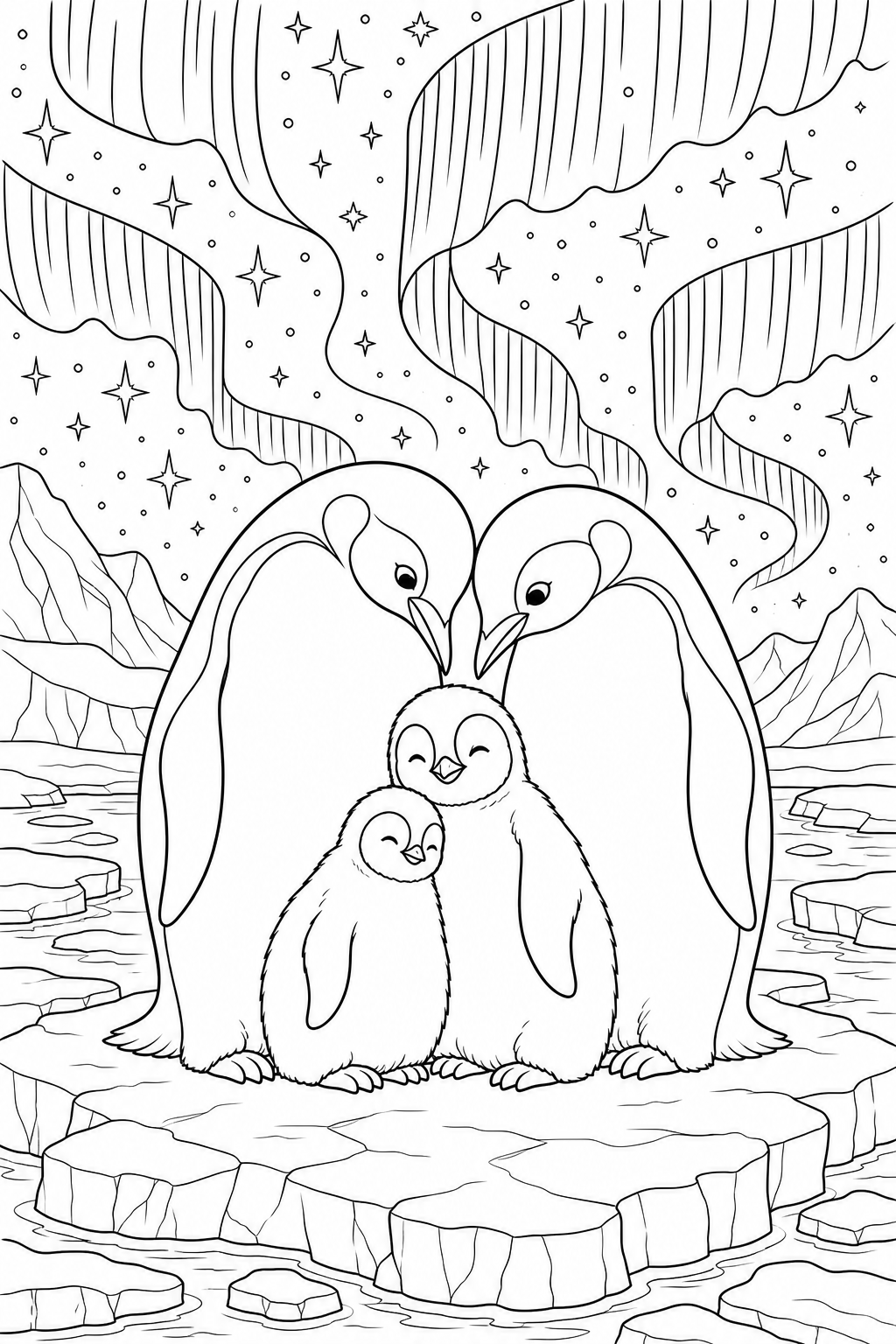
Emperor penguins get through the Antarctic winter by standing close together. The Australian Antarctic Division describes how, one by one, the birds on the windy edge peel off, shuffle along the side of the huddle and join it again on the sheltered side. Nobody has to stand in the wind for long.
Act it out: the whole family huddles in a tight circle. Whoever stands on the outside shuffles round to the other side, feet close together, and the next one goes. Two rounds, then everybody is warm.
Last stop, the sofa: blink like a cat
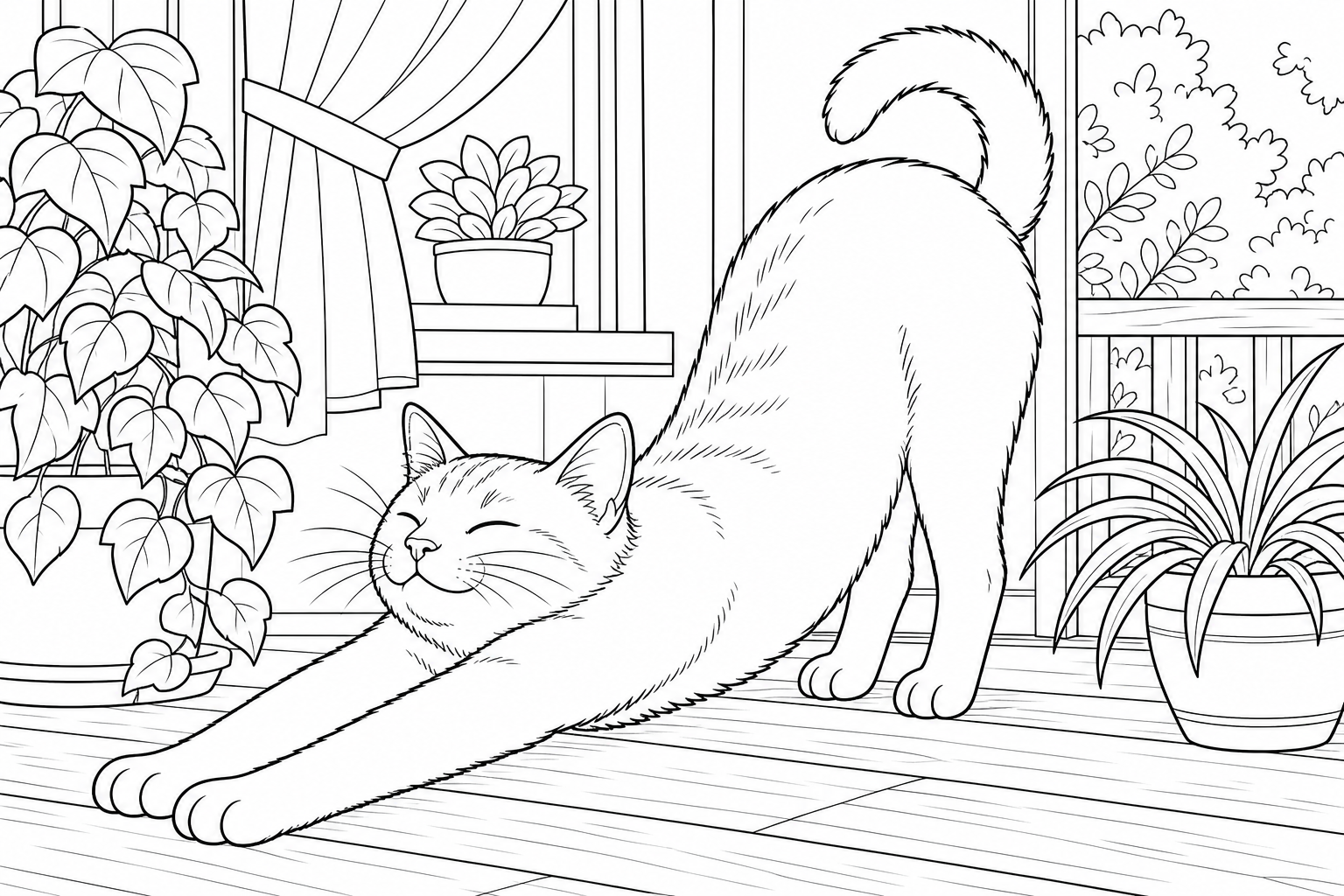
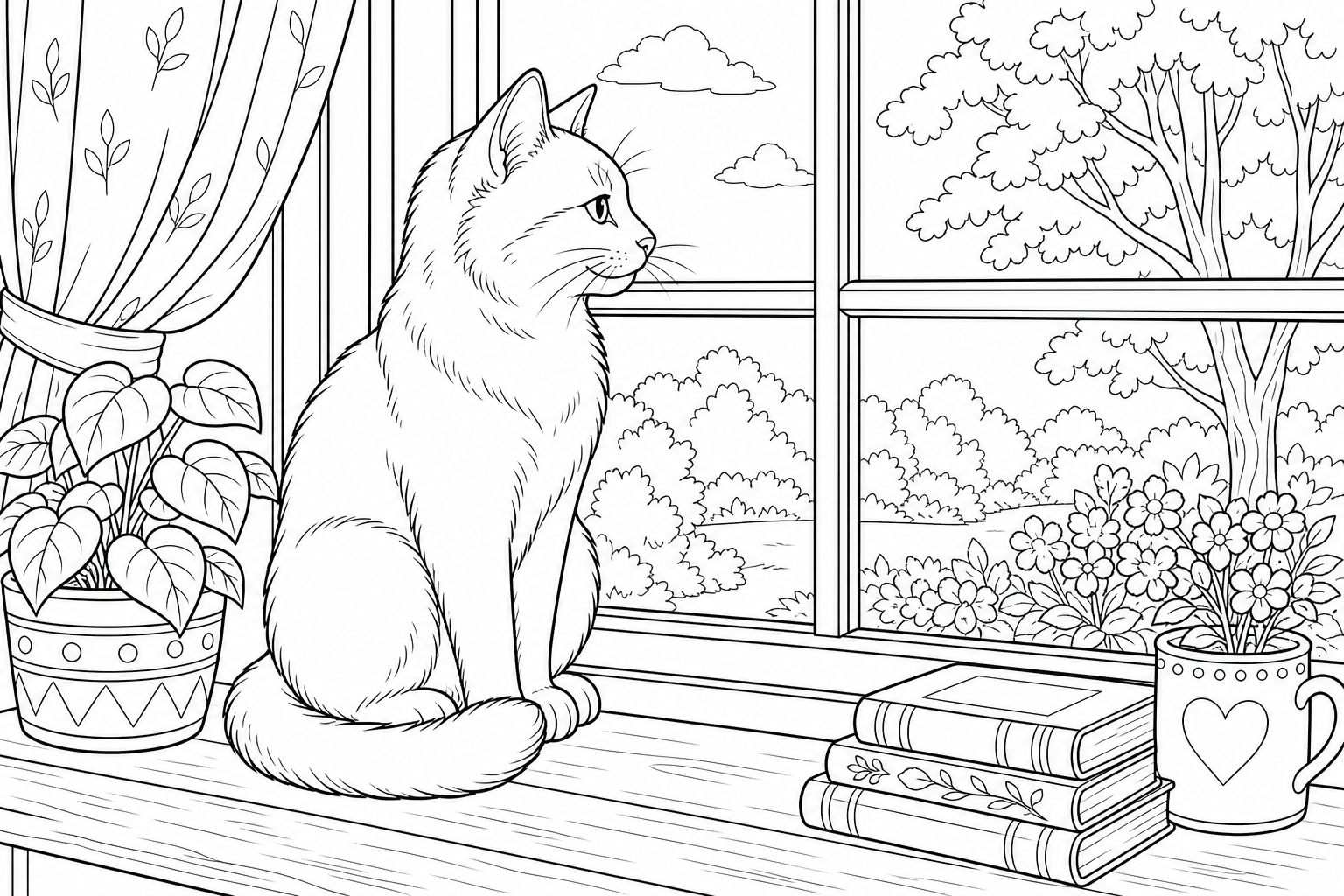
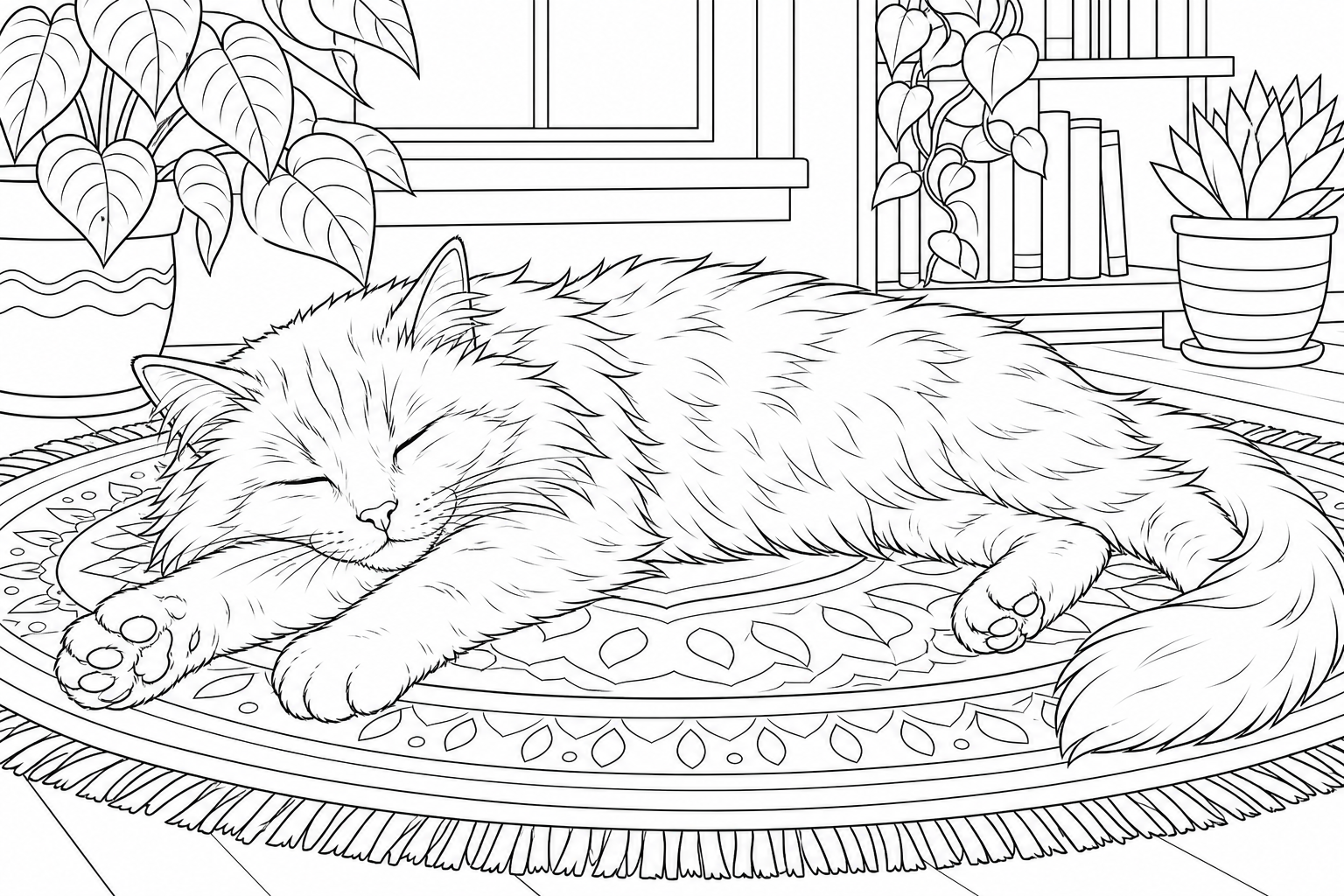
The nearest animal to most children is the one asleep on the cushion. Psychologists at the University of Sussex found that you can build a bond with a cat by narrowing your eyes at it, as you would in a relaxed smile, and then closing them for a couple of seconds. Cats tend to answer with a slow blink of their own.
Act it out: try it on your cat, or on a grandparent's cat, from a calm distance. No cat at home? Practice on each other first. A cat that looks away or walks off has answered too, and gets left alone.
What else could you color?
Pick a prompt or type your own — opens in a new tab.
Back home, five animals later
At the end of a tour like this, one page is enough: the one your child really wanted, colored after they have been that animal for a minute. Ask which stop was the best and print that one again.
"Which one were you best at?"
"The penguin. You were too slow on the outside."