Call a pegasus a unicorn within earshot of a six-year-old, and you will be corrected. Kids who love unicorns tend to love them precisely. The horn matters. The wings matter. Whether a creature has one, the other, or both is no small thing to the person holding the crayon.
So this is a page set that respects the difference. Plenty of classic unicorns and round little foals, rainbows and castles for the magic, and a clear answer to the question that comes up at every kitchen table: what actually makes a unicorn a unicorn?
Start with the classic unicorn
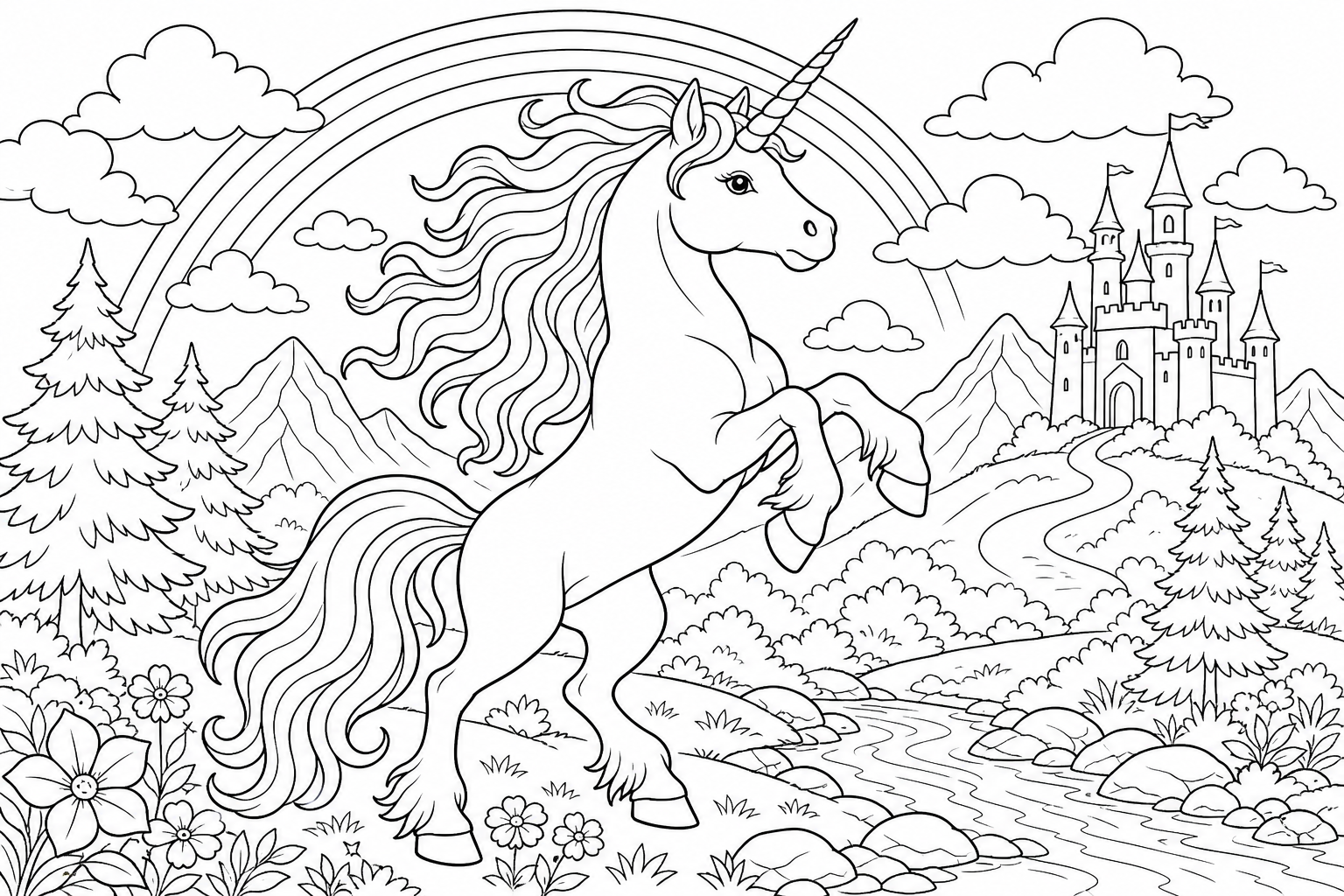
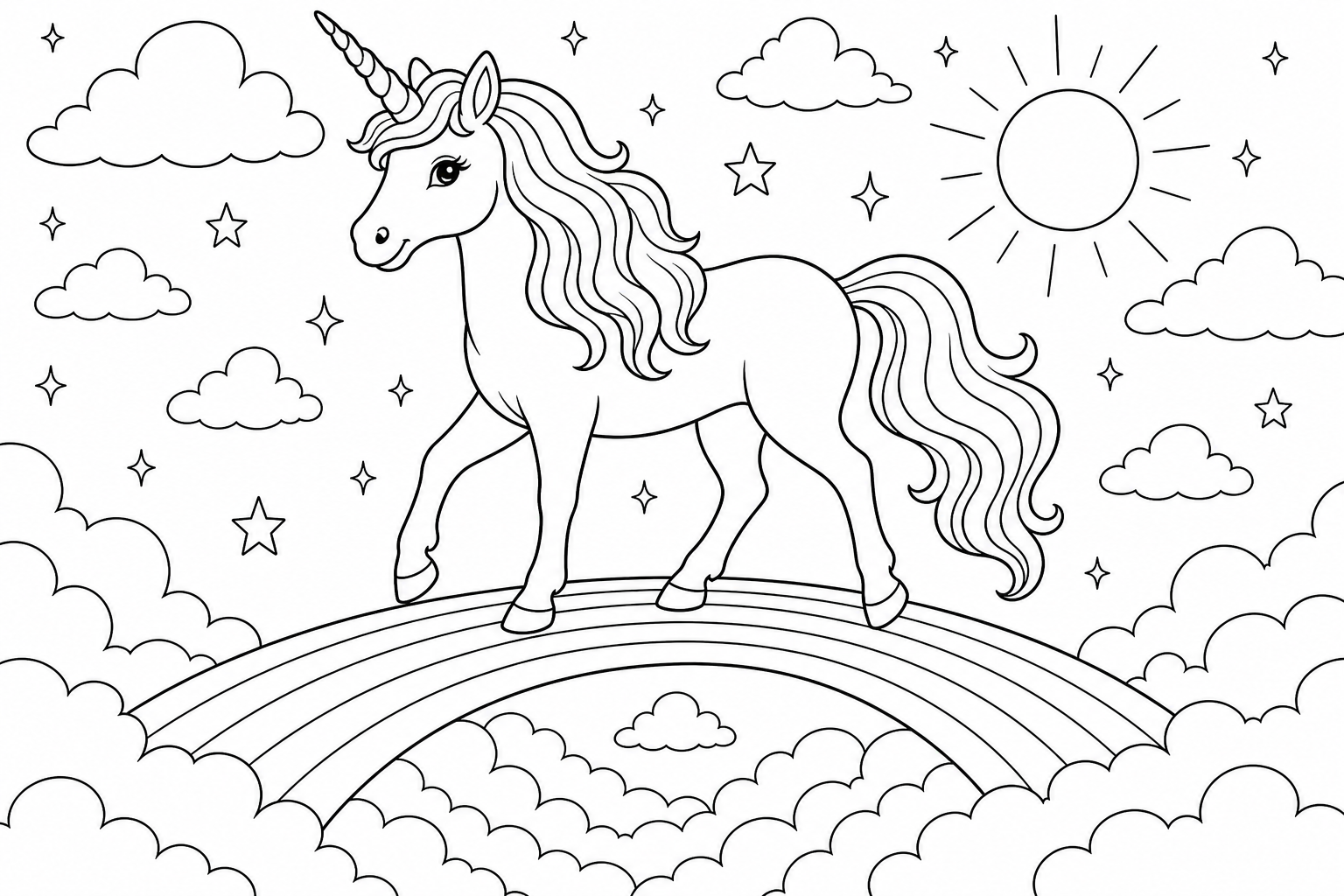
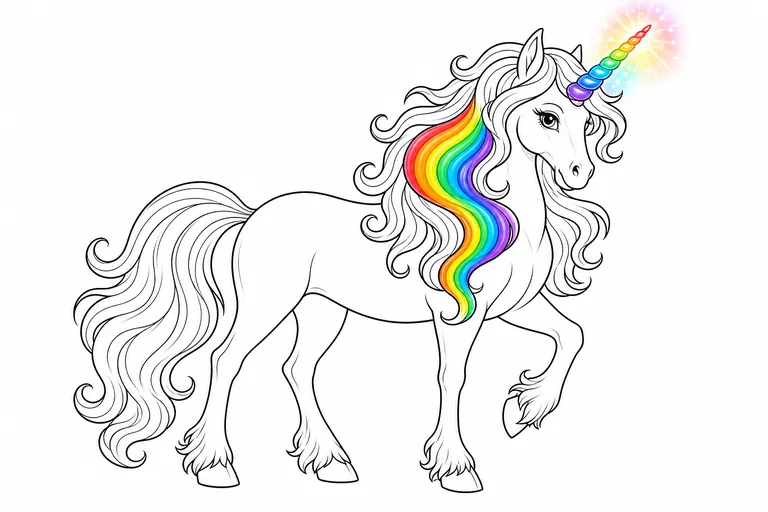
The picture most kids reach for first is the simple one. A standing or rearing horse, a flowing mane, a single spiraled horn rising from the forehead. No wings. That one horn carries the whole identity, which is why it tends to be the part children save for last and color most carefully, often in gold or pearly white.
These pages keep the lines clean and the shapes generous, so a younger child can fill the body in broad strokes and leave the mane for the long, patient part.
The baby unicorns, for the cute pile
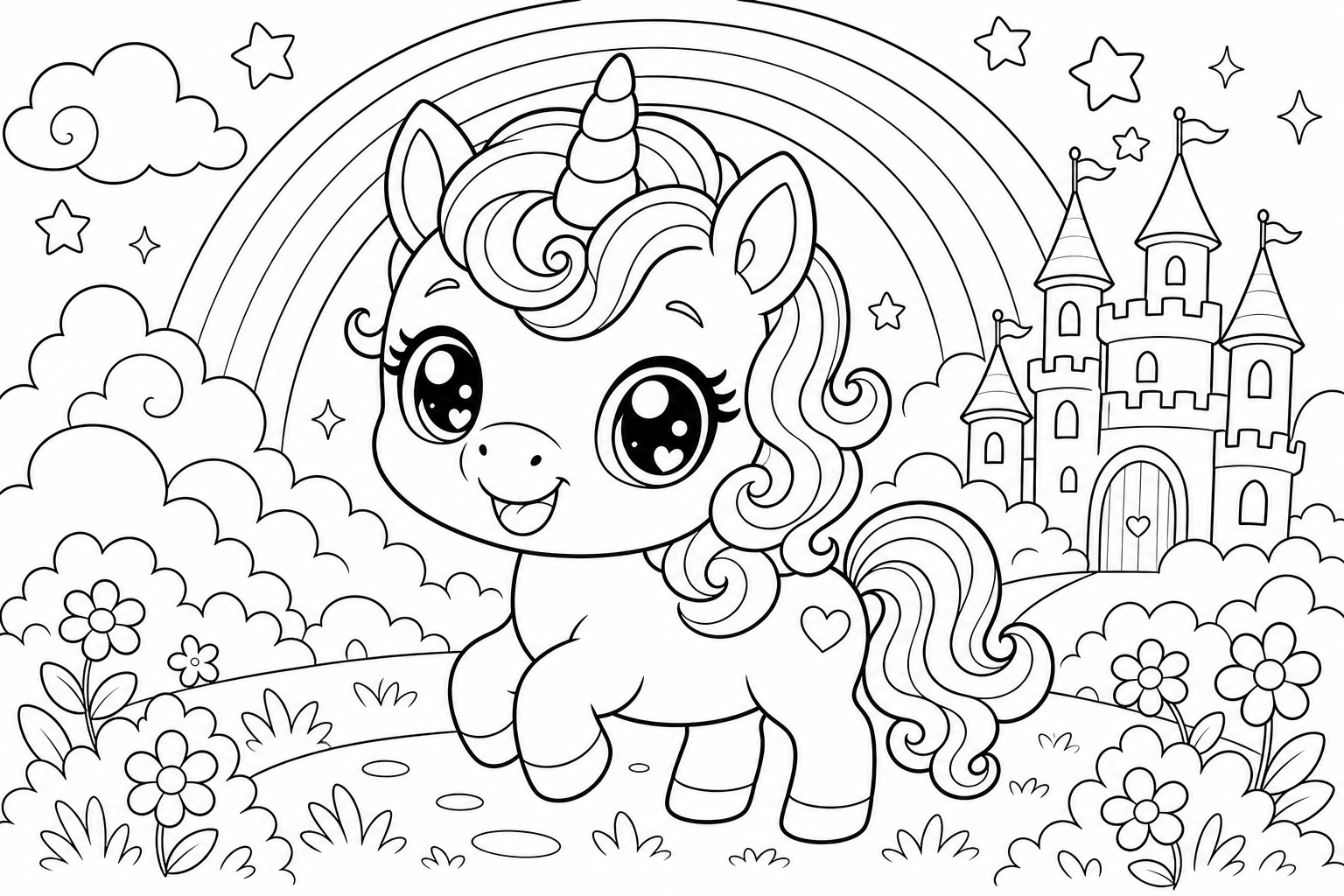
There is a reason a search for unicorns so often becomes a search for baby unicorns. Rounder bodies, bigger eyes, shorter legs, a stubby little horn that has not grown in yet. They are gentler to color too, with fewer fine lines to stay inside, which makes them a good first page for small hands.
Keep a few in the rotation for the days when a child wants a quick win instead of a long project.



Coloring fun for kids — anywhere.
Free for iOS & Android. No ads, no sign-up, offline-ready.


Coloring fun for kids — anywhere.
Free coloring app for kids. iOS and Android, phones and tablets. No ads, no sign-up, even offline.
Unicorn, pegasus, or alicorn?
Here is the part worth getting right, because kids already have. Three creatures get mixed up all the time, and they are not the same. A unicorn has the horn. A pegasus has the wings. An alicorn has both at once.
| Creature | Horn | Wings |
|---|---|---|
| Unicorn | Yes | No |
| Pegasus | No | Yes |
| Alicorn | Yes | Yes |
Pegasus began as one specific winged horse from Greek myth, the mount Bellerophon tamed. Children now use the word for any horse with wings, which is close enough for a coloring afternoon.
Rainbows, castles, and the whole magical scene
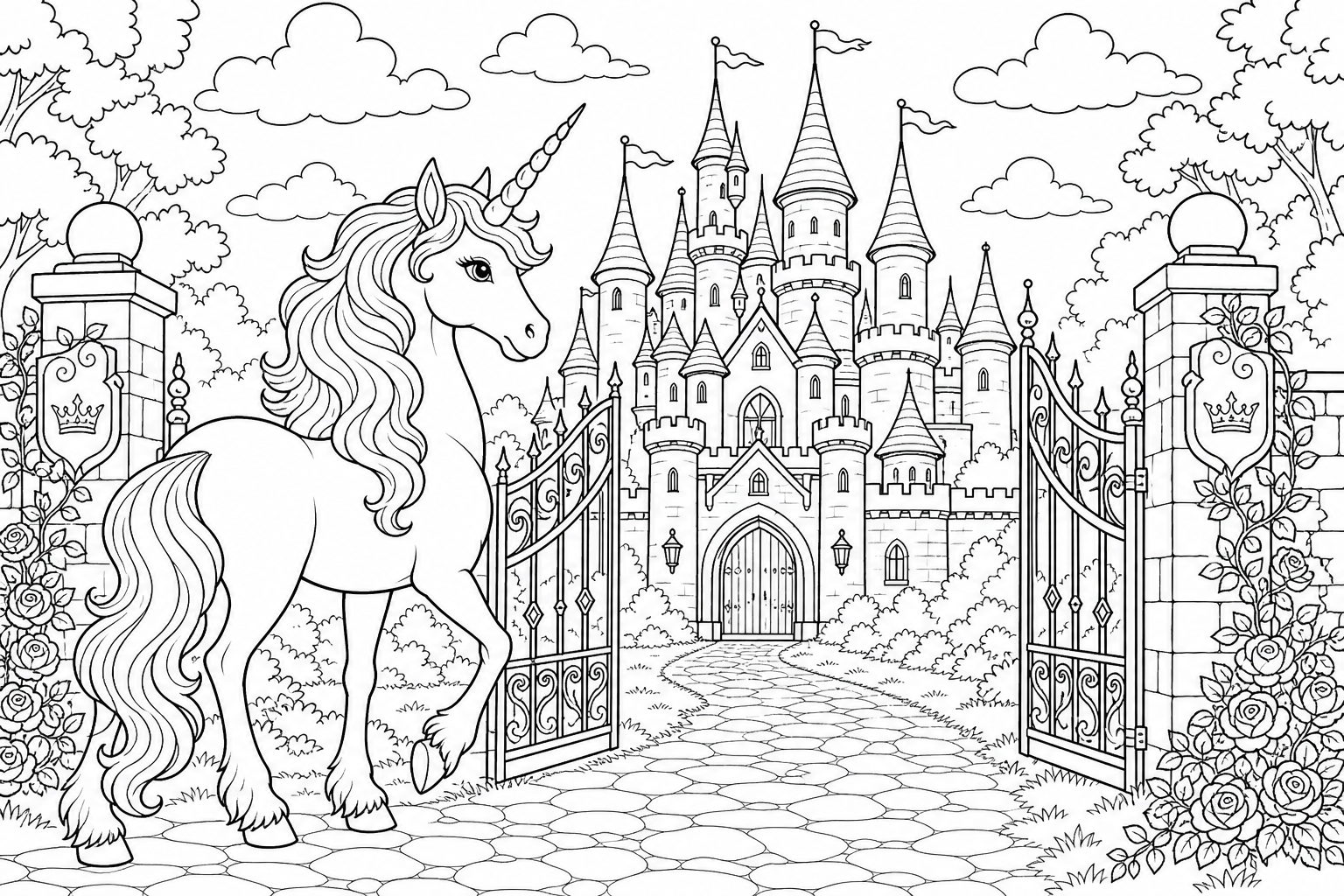
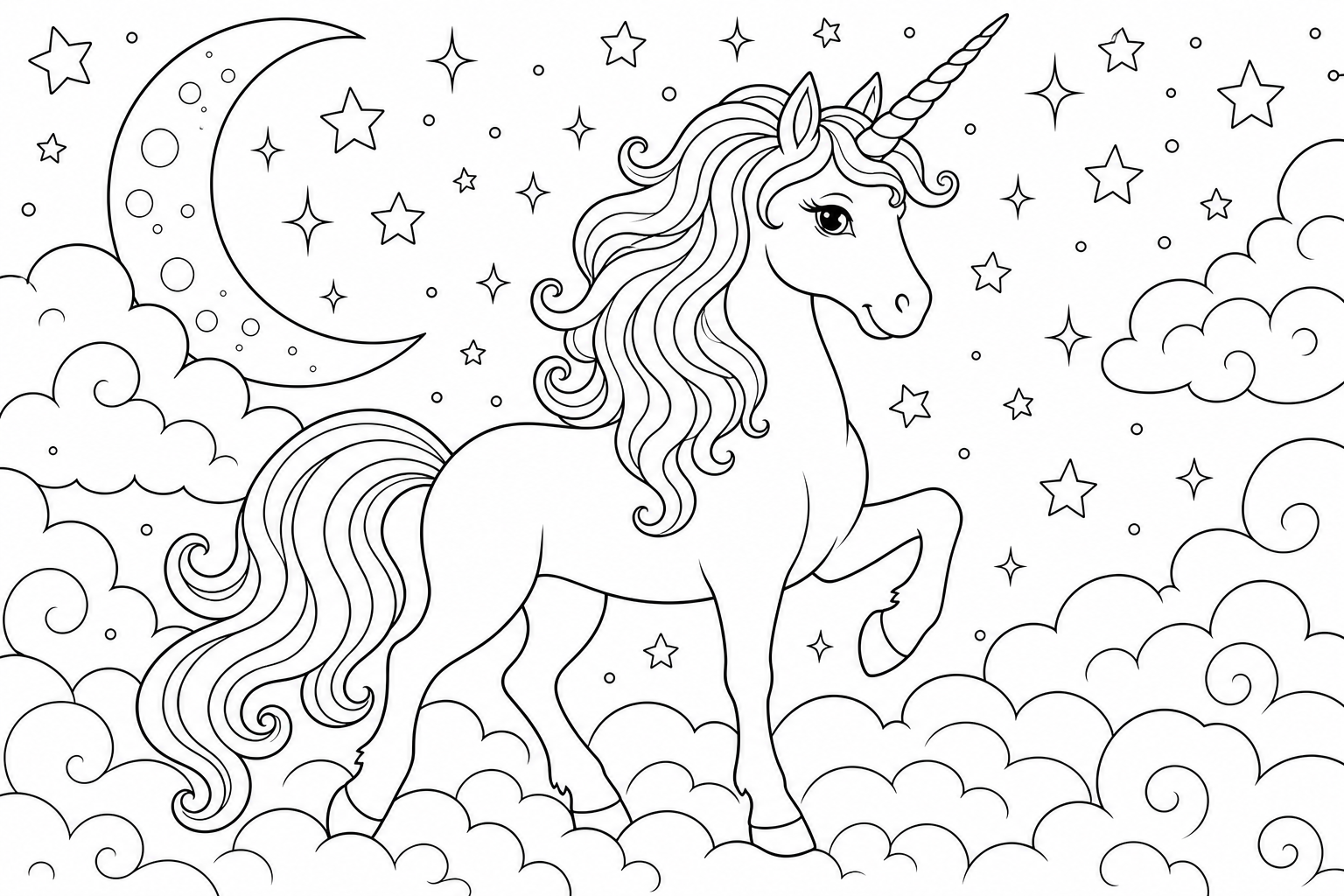
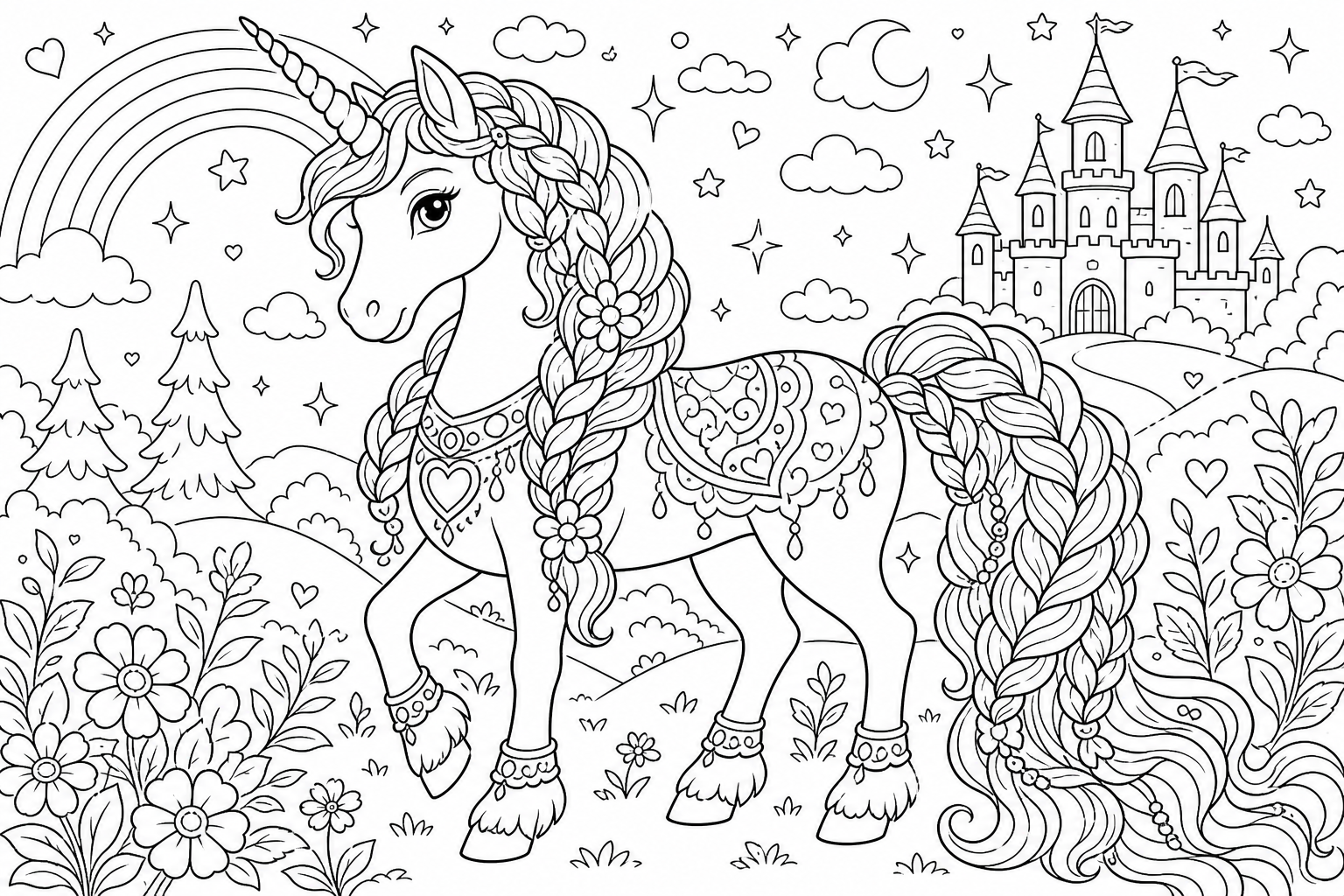
Once the creature is settled, the world around it is where a page gets ambitious. A unicorn under a rainbow. A unicorn at the gates of a castle. Stars, drifting clouds, a meadow thick with flowers. These busier scenes give an older child room to plan a full palette instead of a single figure, and they are usually the ones that end up taped to a bedroom door. If the magic streak keeps going, our dragon coloring pages are a natural next stop.
This is also where color rules fall away. A real horse has real colors. A unicorn can be mint green with a sunset mane, if that is the plan.
What else could you color?
Pick a prompt or type your own — opens in a new tab.
Print the whole herd
Ready to print? The full set lives here, classic unicorns and foals, pegasus and alicorn, rainbows and castles, all in one place. Print a stack and let the sorting begin.