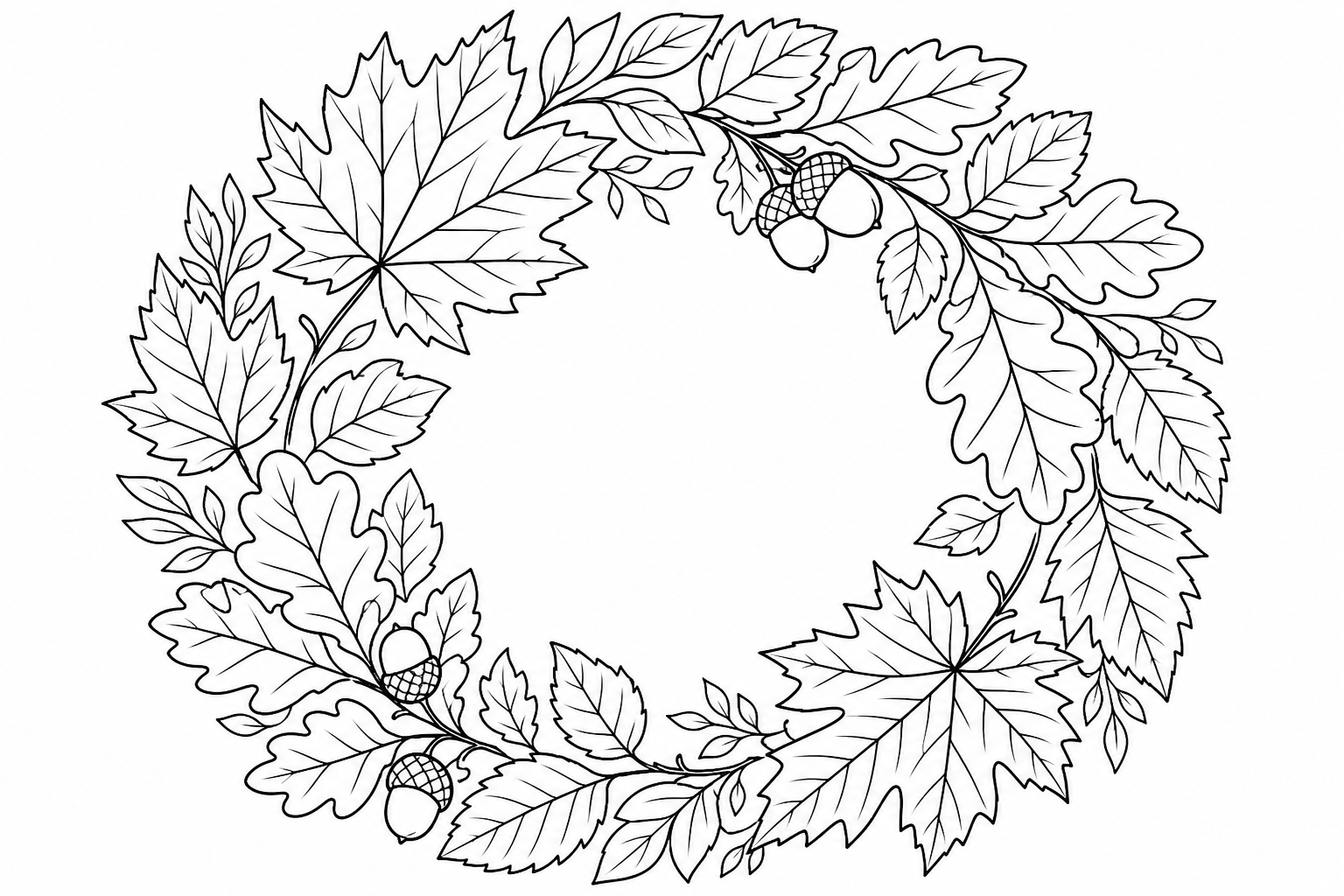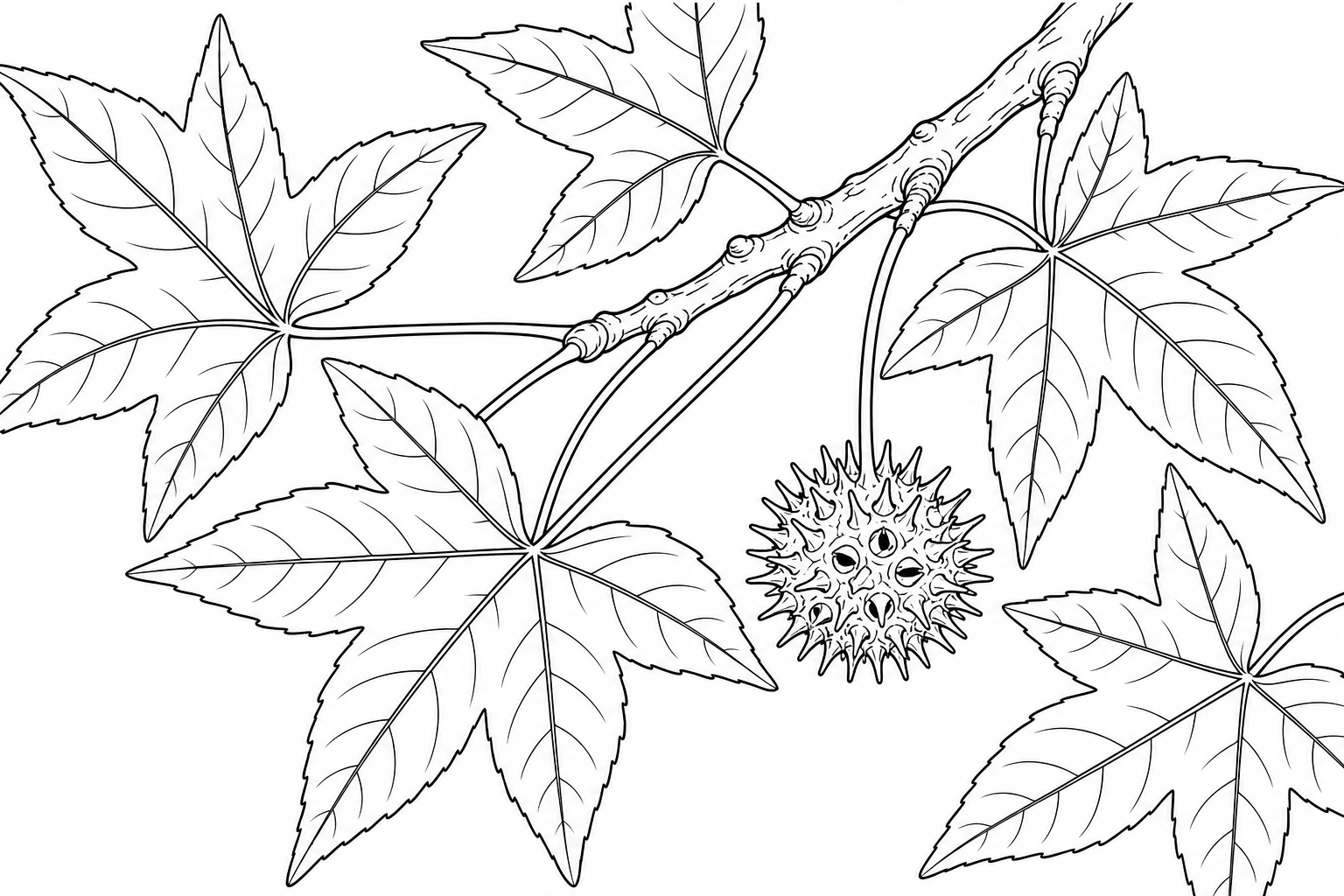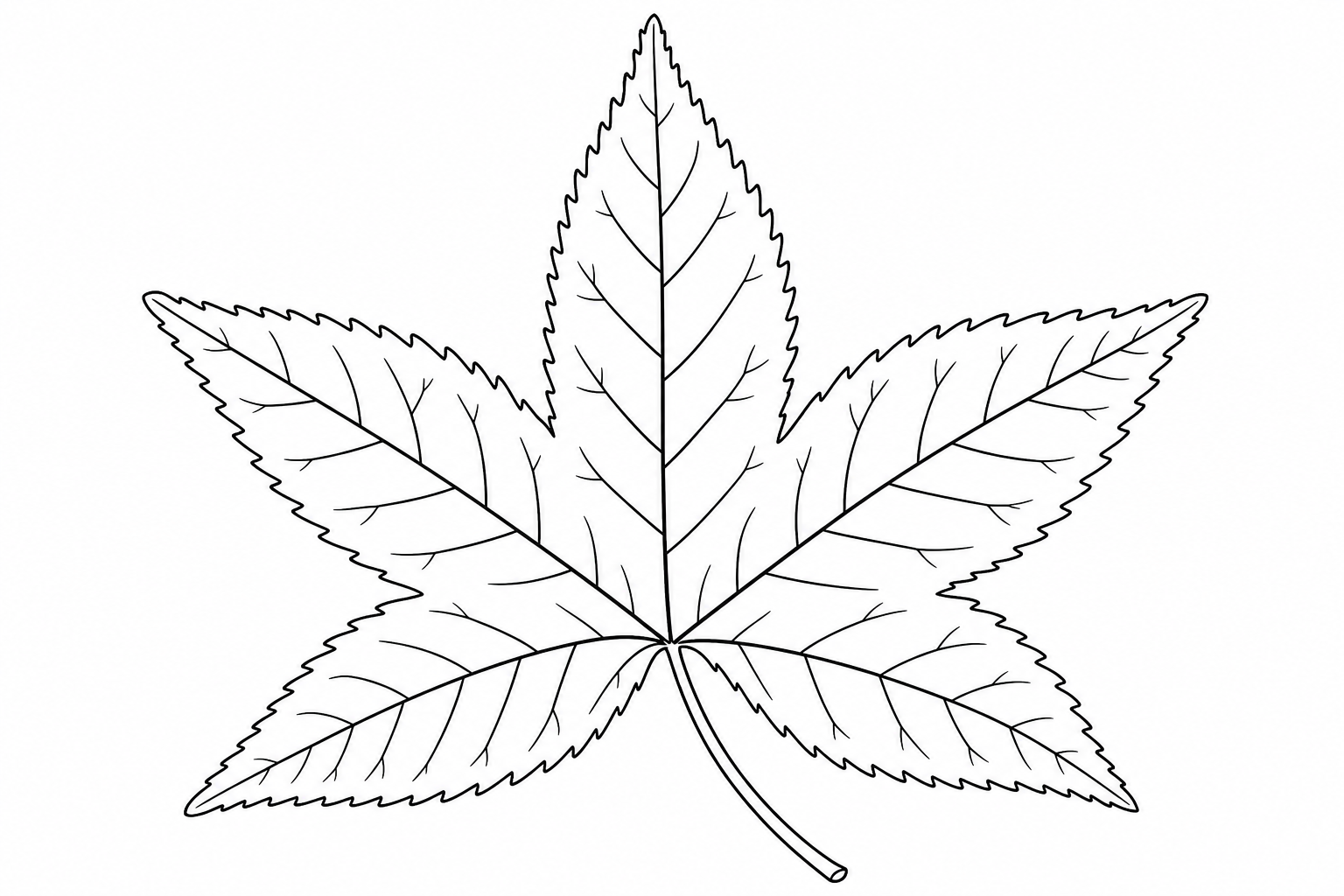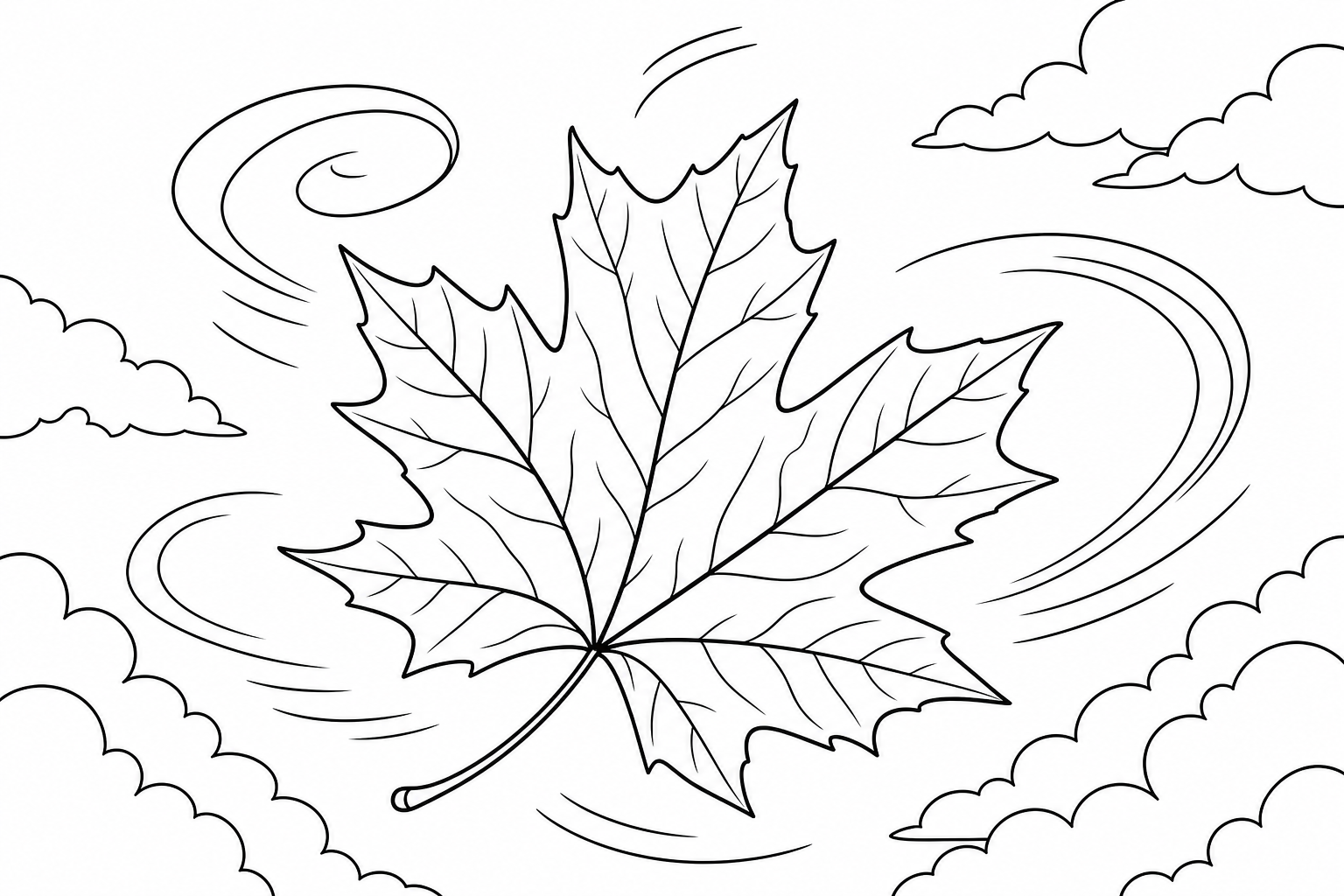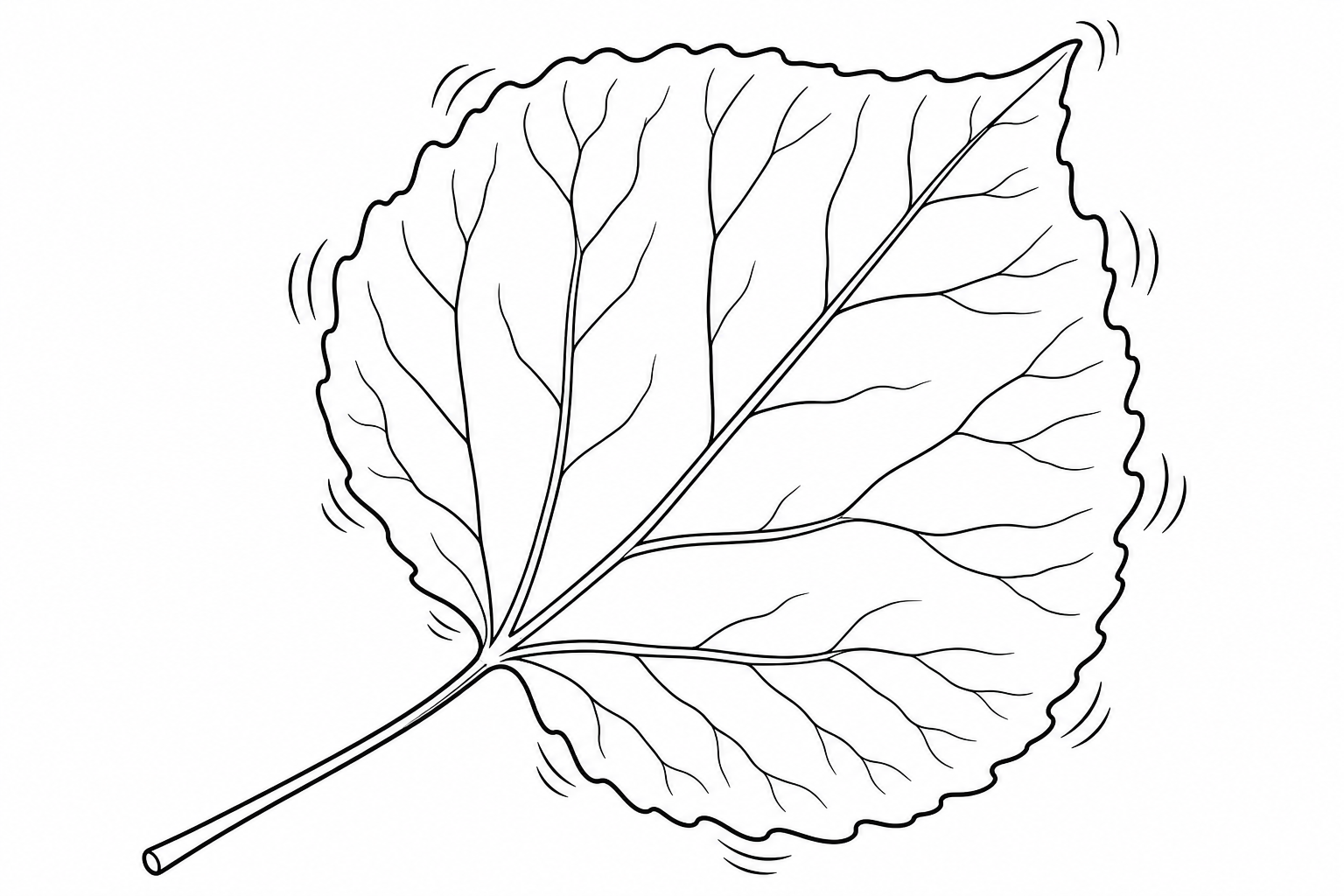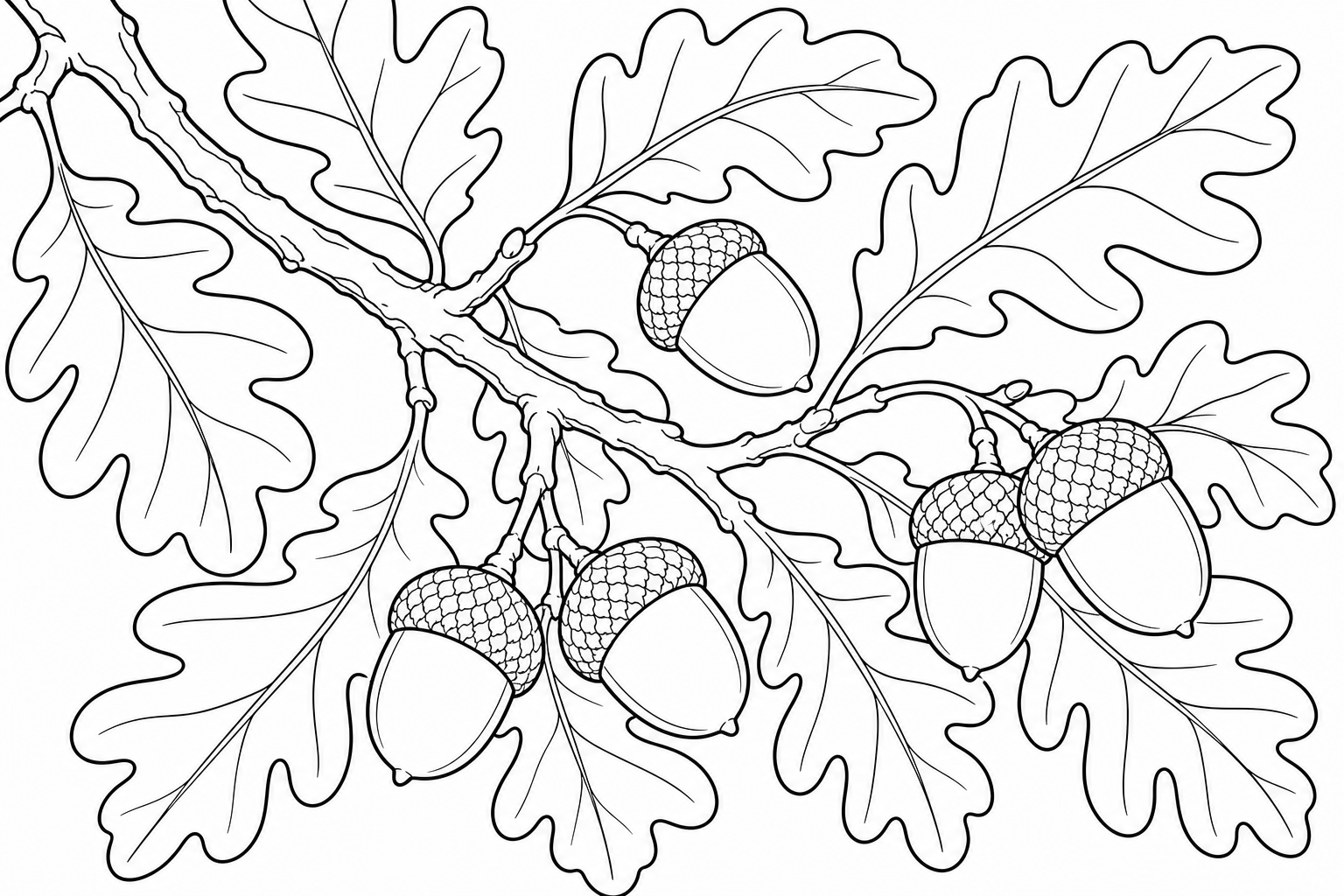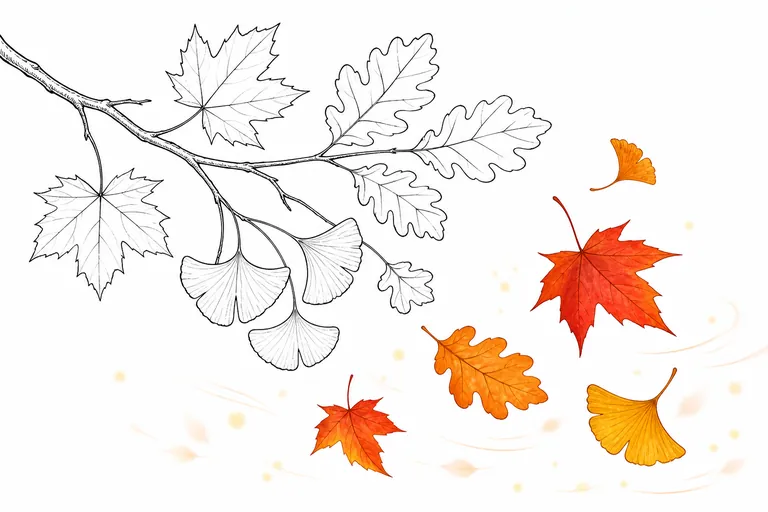
A child comes in from the yard with one red leaf carried flat in both hands, the way you carry something that might break. Where did the color come from? Yesterday the tree was green. Today there is a leaf the color of a fire truck, and a question that deserves a real answer.
Here is that answer, and it is stranger than "the leaf turned red." The color was already there.
The green was hiding it all along
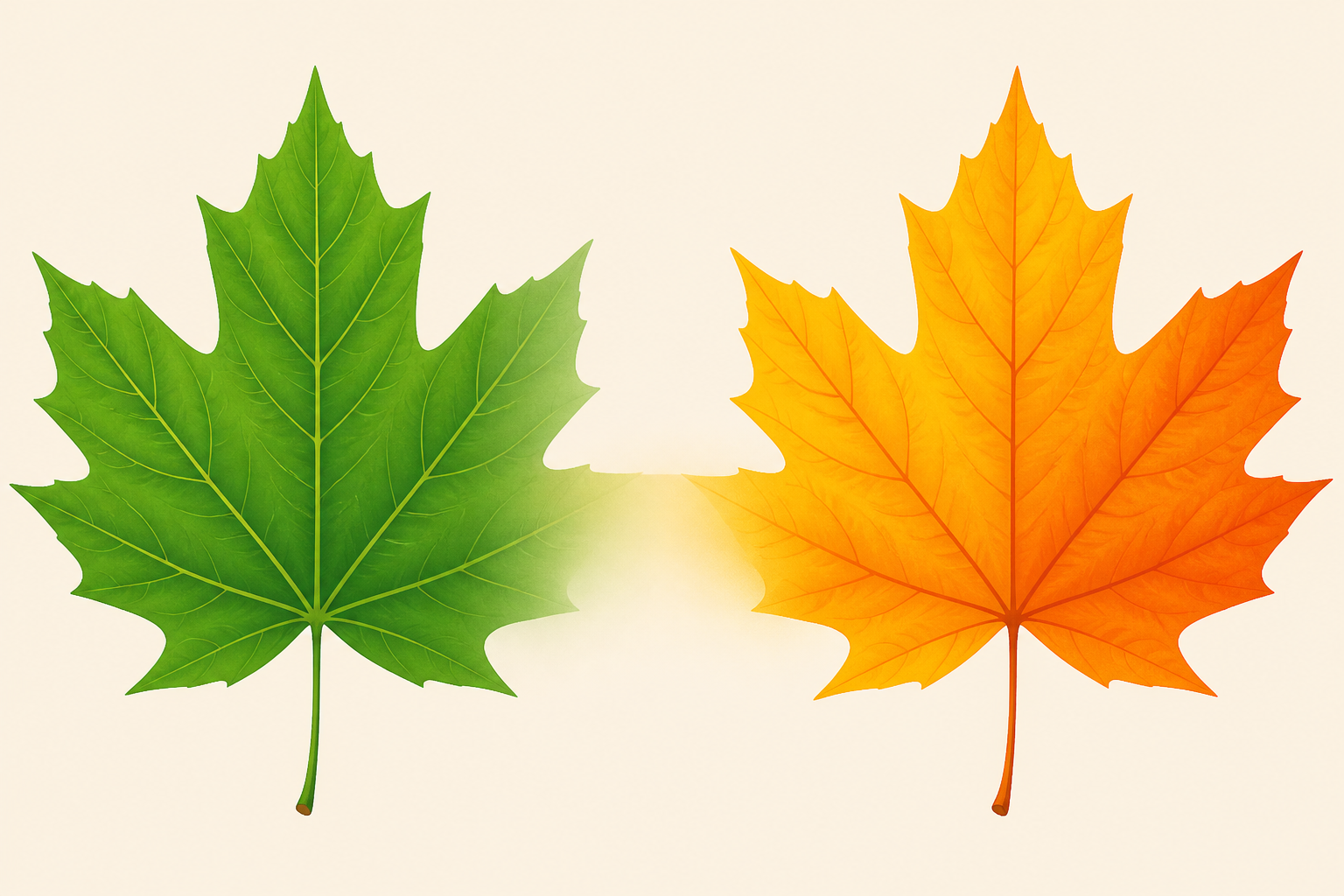
All summer, a leaf works as a tiny green factory. The green is chlorophyll, the pigment that catches sunlight and turns it into food for the tree. There is so much of it that it drowns out every other color, the way one loud voice fills a room.
The quiet colors were there the whole time. Yellow and orange pigments called carotenoids sit inside the leaf from spring onward, hidden under all that green. When the days shorten and the tree stops making chlorophyll, the green fades, and the gold and amber underneath finally show.
The reds are the twist. A tree mixes those fresh in autumn, when trapped sugar meets the last of the season's light. Not every tree bothers, which is why one maple blazes scarlet while the oak beside it settles into brown.



Coloring fun for kids — anywhere.
Free for iOS & Android. No ads, no sign-up, offline-ready.


Coloring fun for kids — anywhere.
Free coloring app for kids. iOS and Android, phones and tablets. No ads, no sign-up, even offline.
Know the leaf by its shape
Before the color, there is the outline. Every tree signs its leaves, and once a child learns three or four shapes they start spotting them on every walk home. This little guide covers the ones you are most likely to find underfoot.
| Leaf | Tree | Shape to spot | Colors it reaches for |
|---|---|---|---|
| Maple | Maple | Five pointed lobes, like an open hand | Scarlet, orange, gold |
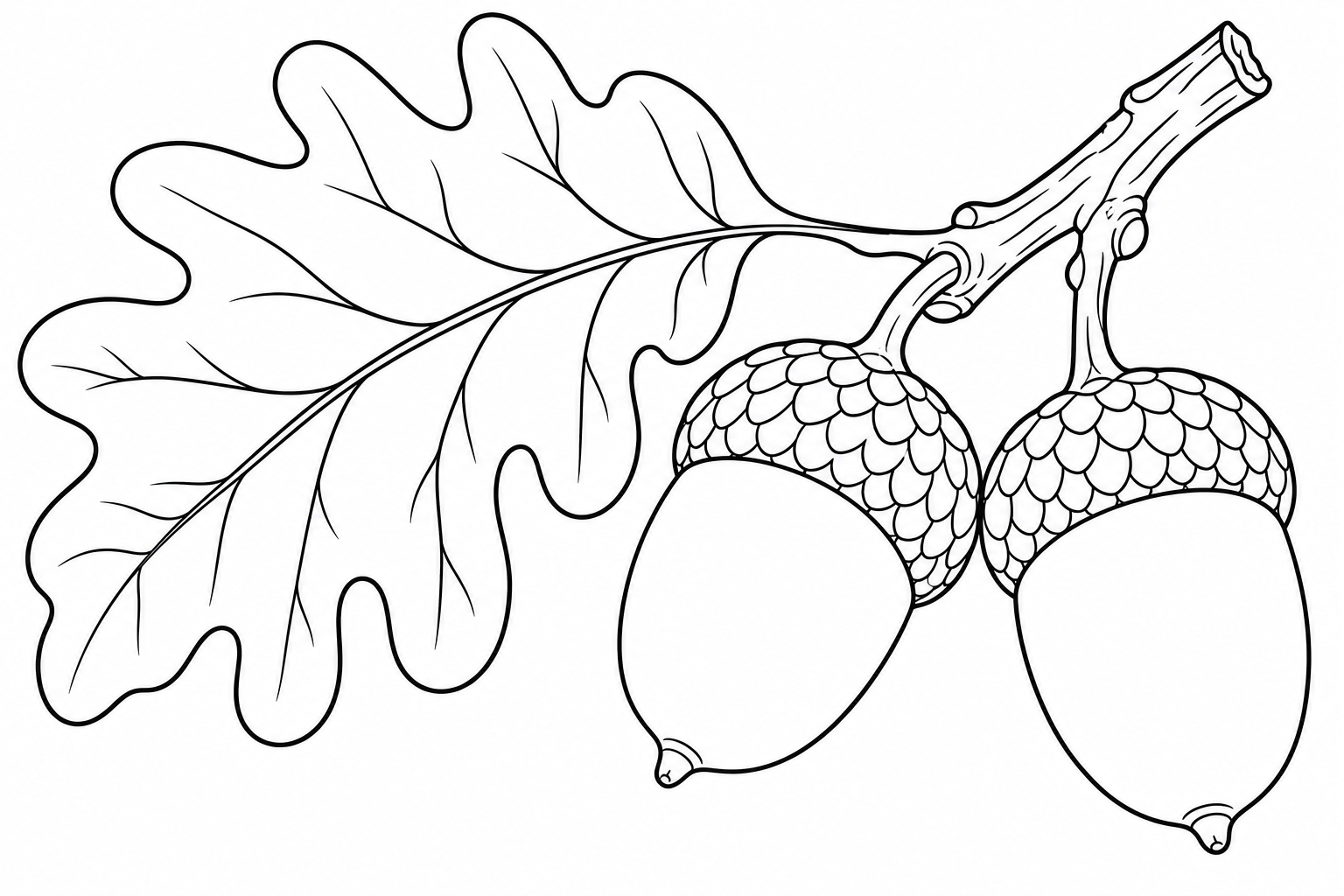
| Oak | Oak | Rounded, wavy edges, acorns nearby | Deep red, brown, russet |
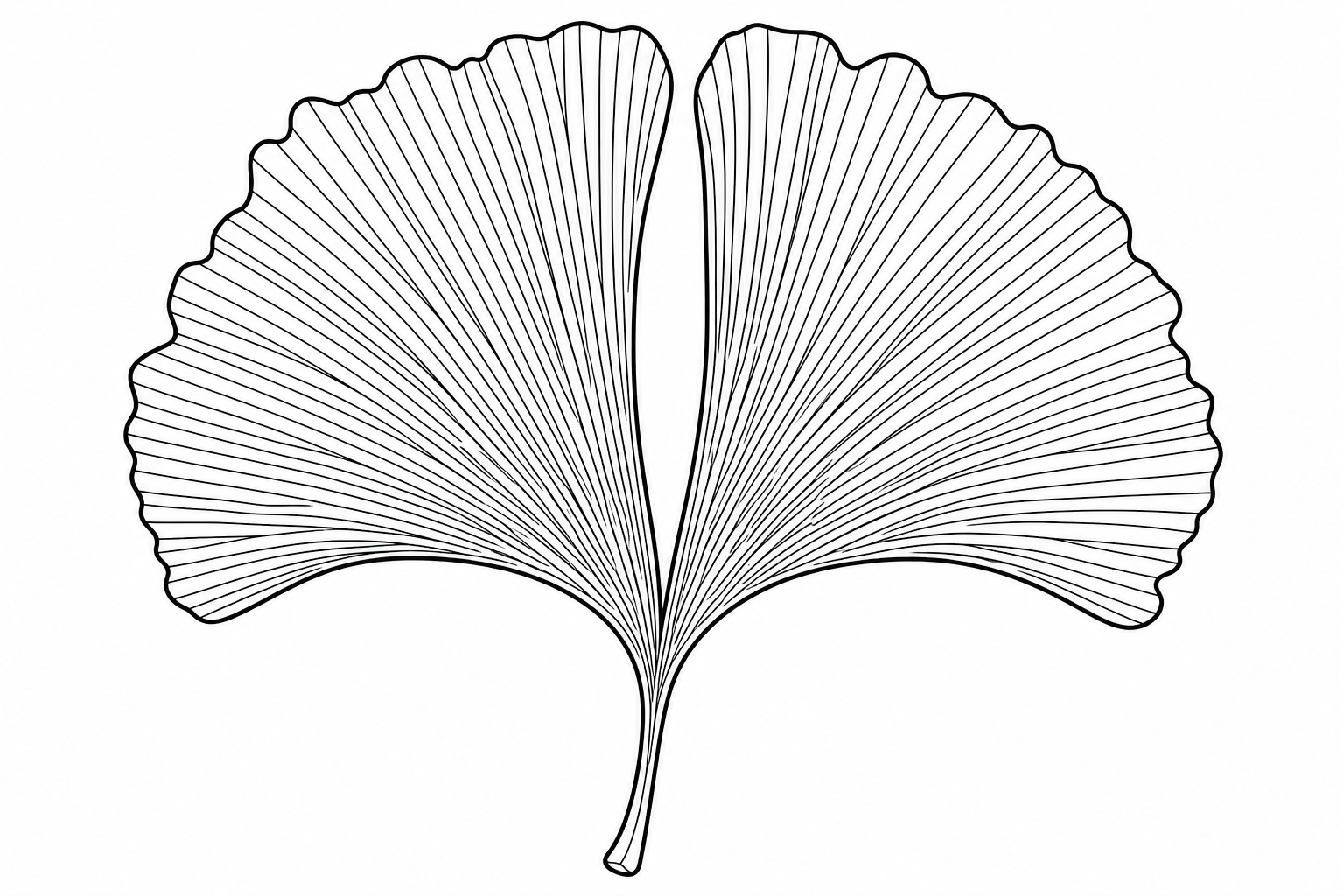
| Ginkgo | Ginkgo | A small fan, split down the middle | One clean, even yellow |
| Sweetgum | Sweetgum | A five-pointed star | Purple, red, orange |
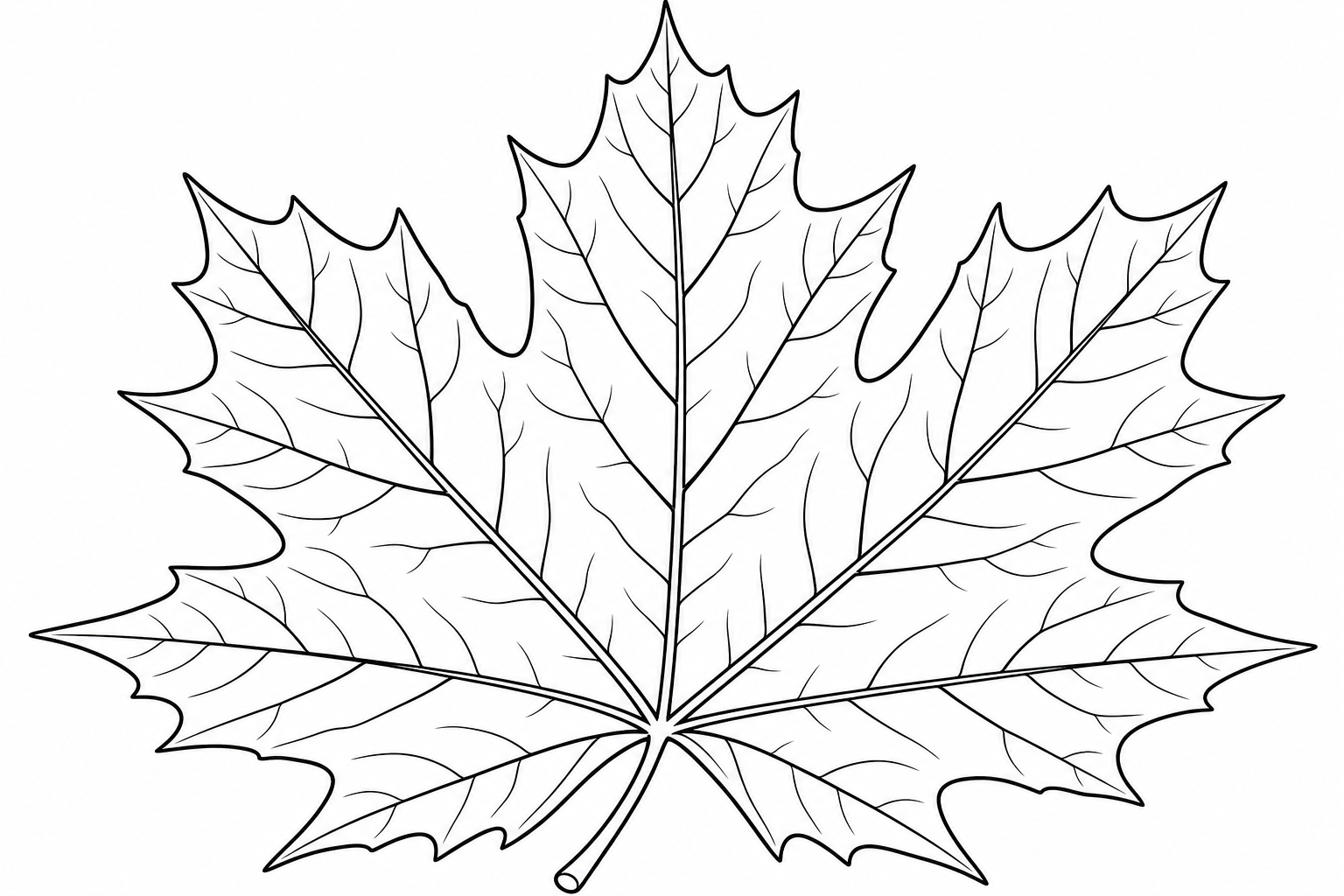
The maple is the one most kids draw first, all points and symmetry. Print a few and let the same shape become a different color each time. One scarlet, one pumpkin, one that goes half and half, because the real ones do exactly that.
The ginkgo is the odd one, a smooth fan with no points at all, and it almost always turns a single clean yellow. It suits a child who likes to stay inside the lines. It carries a good story too: the ginkgo has been around since the days of the dinosaurs, one of the oldest kinds of tree still growing.
There are no wrong colors here
A real maple can be red, orange, gold, or all three at once, so a maple page has no correct answer to miss. This is the rare drawing where a purple leaf is not a mistake. It is just a leaf from a tree that makes a lot of anthocyanin.
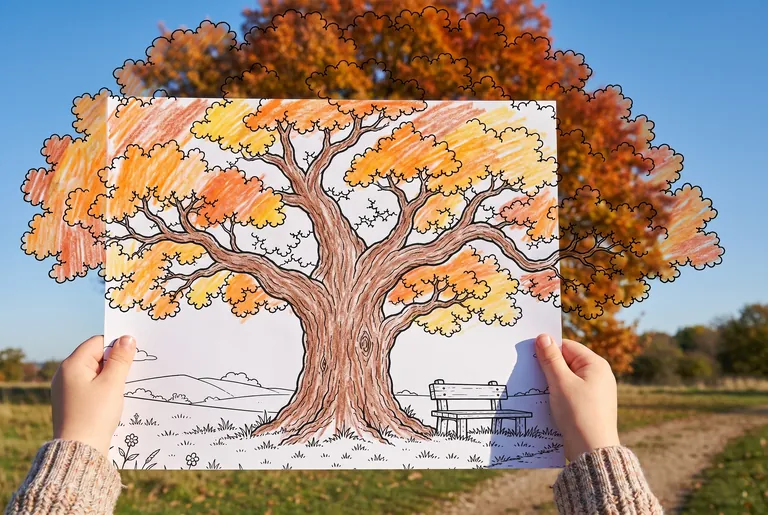
That freedom is the whole point. Autumn hands a child the warm half of the color wheel, and there is a reason those reds and golds seem to glow on the paper: warm colors push forward while cool colors step back. Hand over a single leaf outline and a fistful of warm pencils, and let them pull the color out the way the season does.
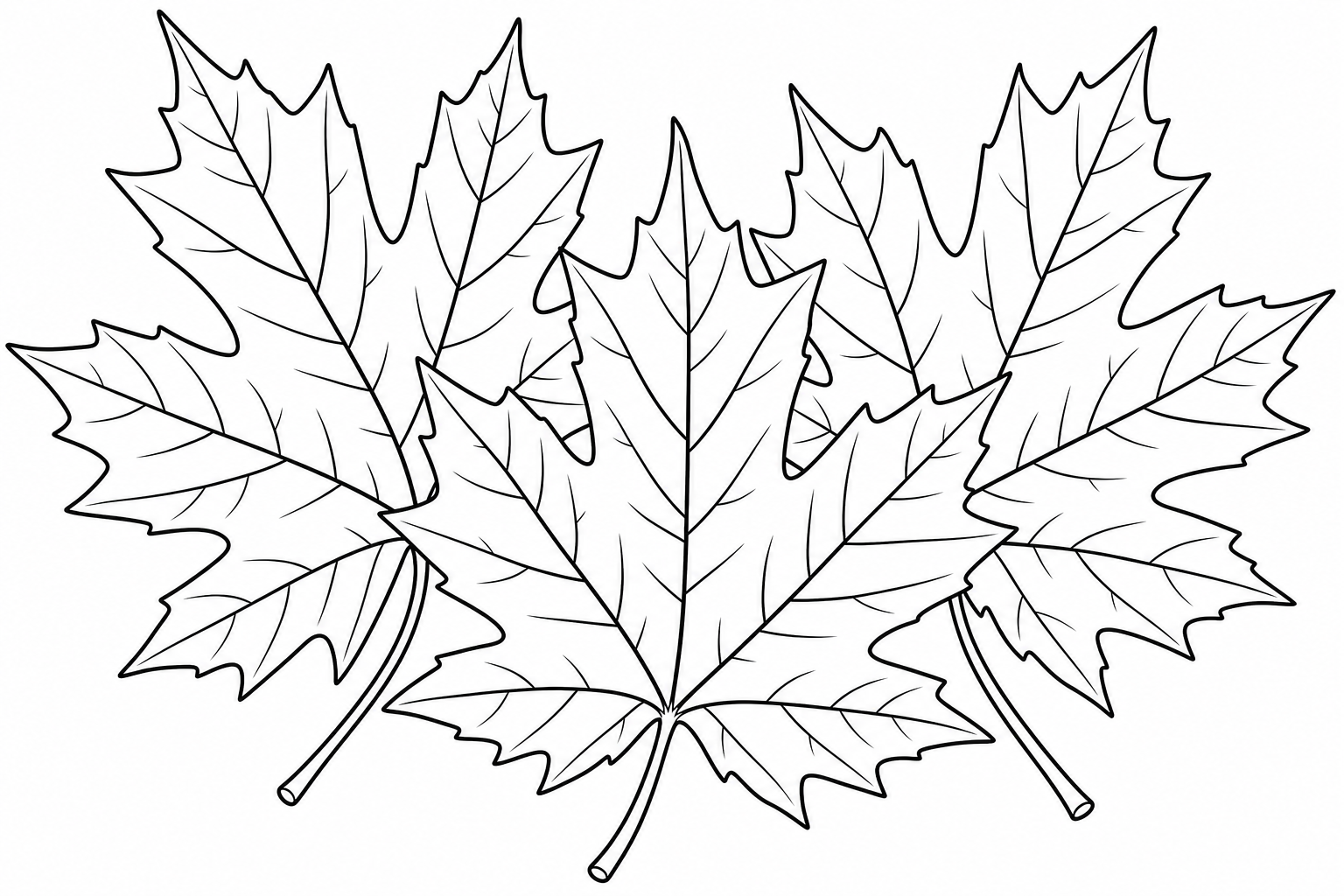
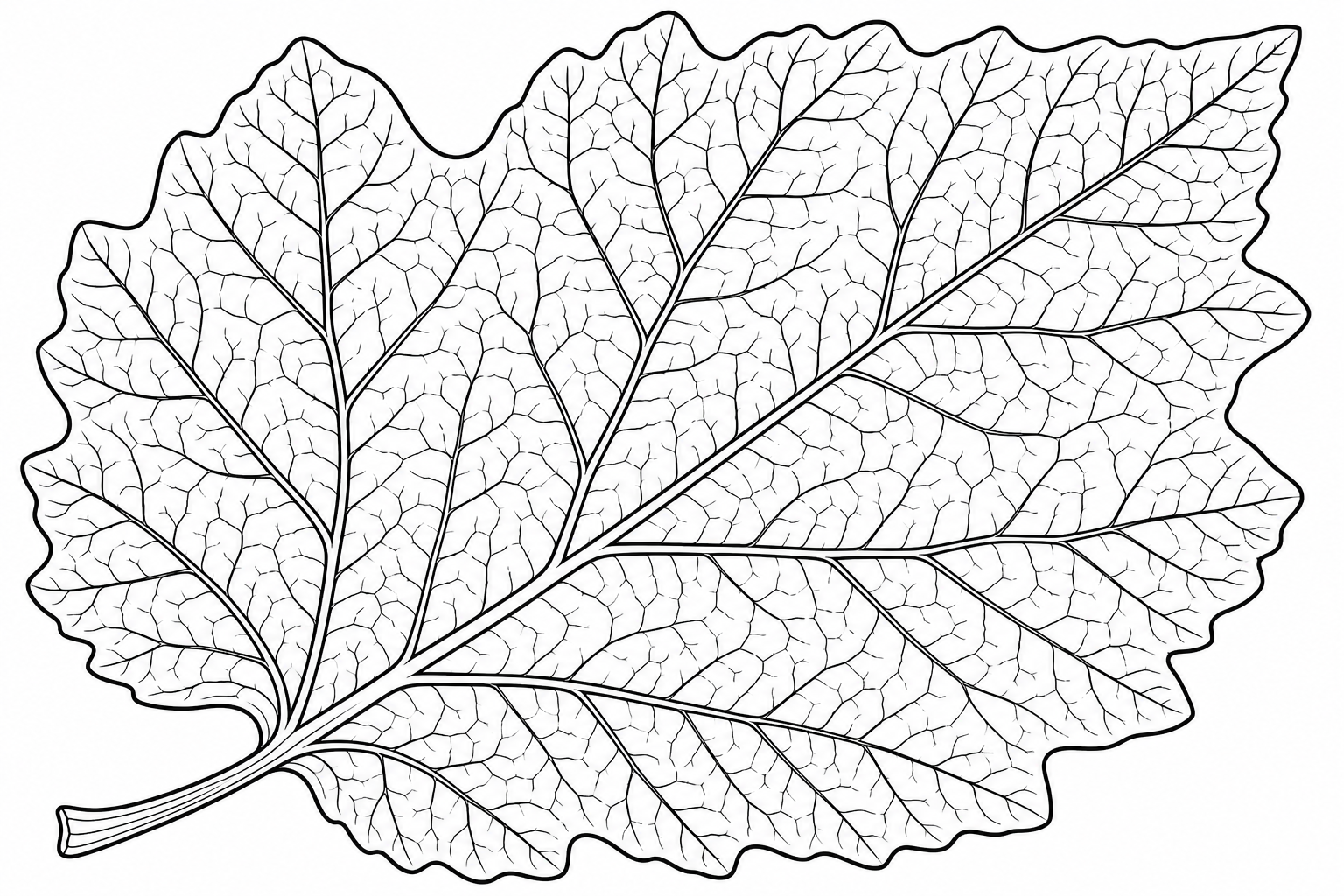
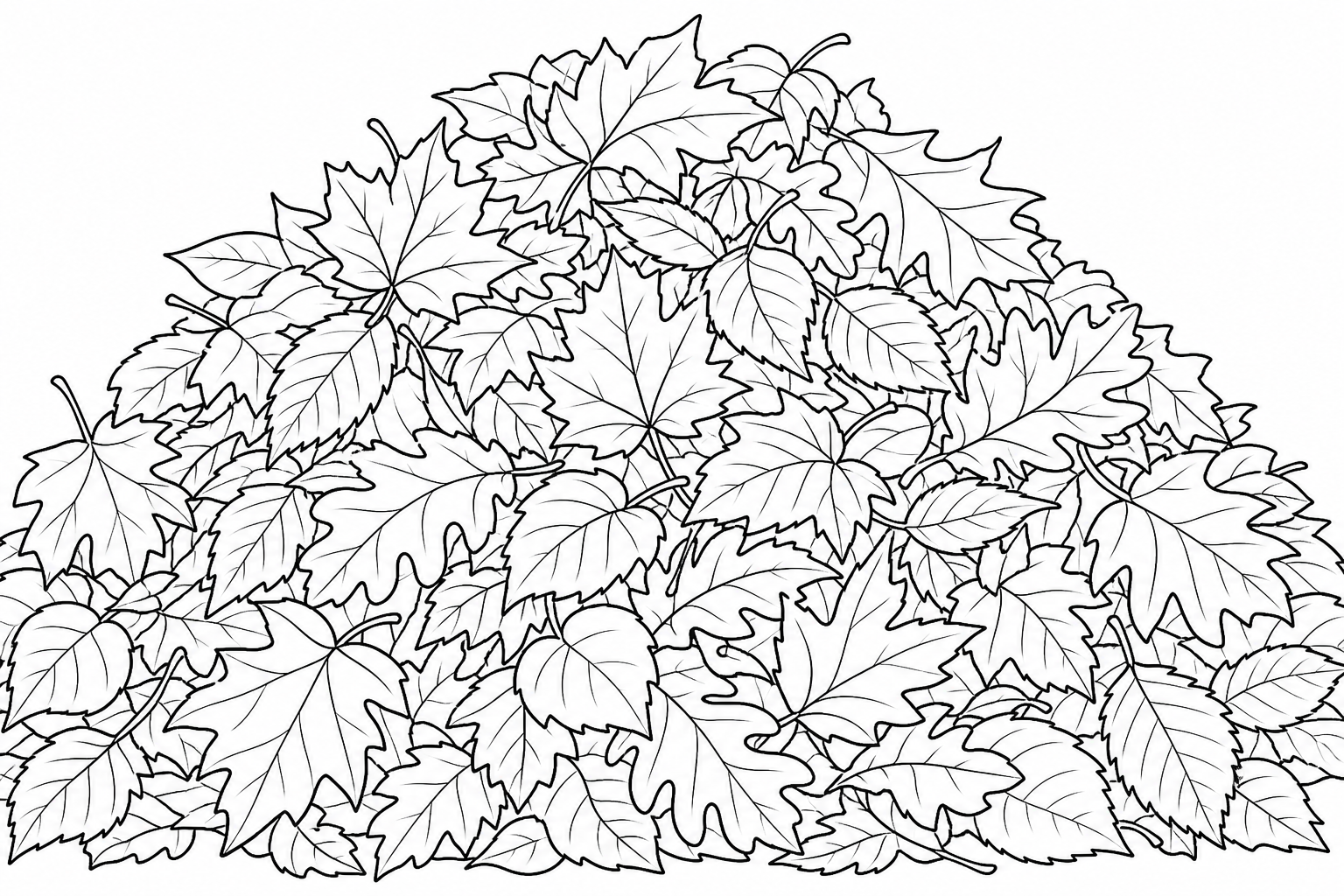
A big leaf with every vein drawn in will hold a careful colorer for a long quiet while. A whole pile of them is for the afternoons you need to fill.
Want to go looking for more? Type a tree into the search box and see what drops.
What else could you color?
Pick a prompt or type your own — opens in a new tab.
Print your own autumn pile
Rake them into one place. Here is the full set, ready to print, color, and tape to a cold windowpane.