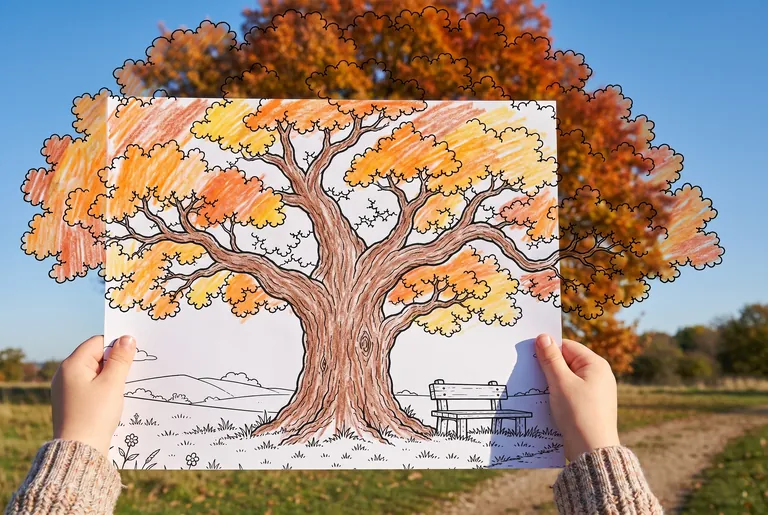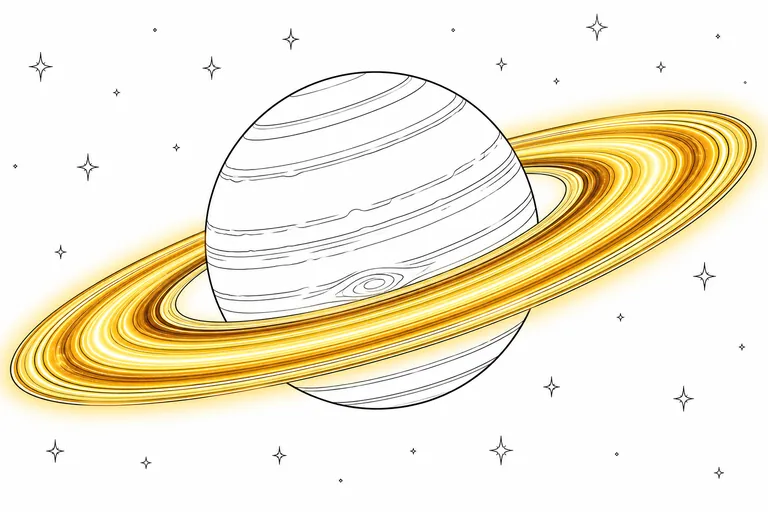
Ask a child to draw Saturn and you get a ball wearing a hat. That hat is the easiest thing to find in the whole night sky, and every bit of it is real. Out past the Sun sit eight worlds, and each one looks like nothing else: a rusty one, a striped one, a tipped over one, and a deep blue one alone at the far edge.
A solar system coloring page is the rare chance to color something by the colors it actually is. So here are the planets, one page at a time, with the one surprising thing that makes each world itself, and the shade it really wears.
The small rocky worlds near the Sun
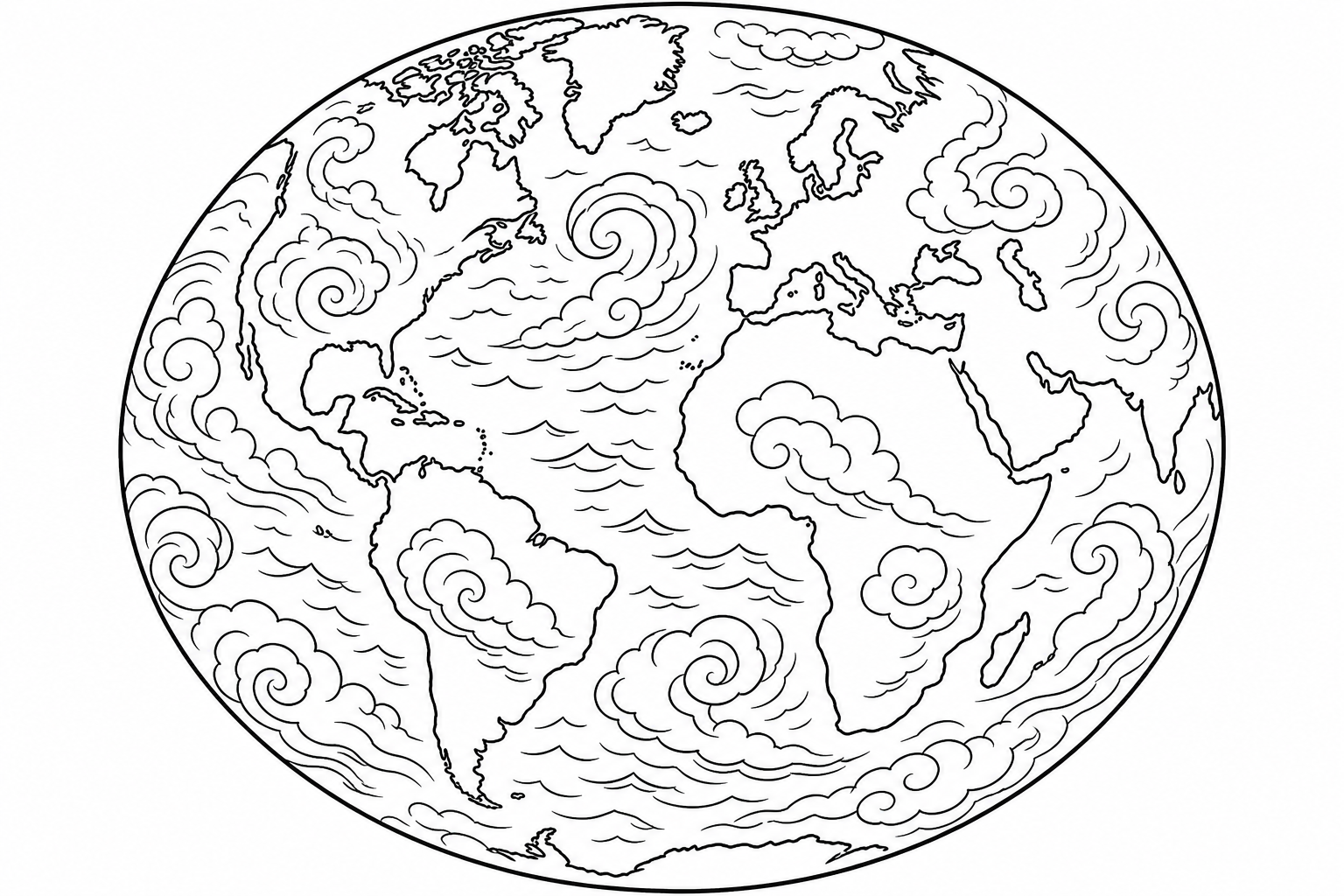
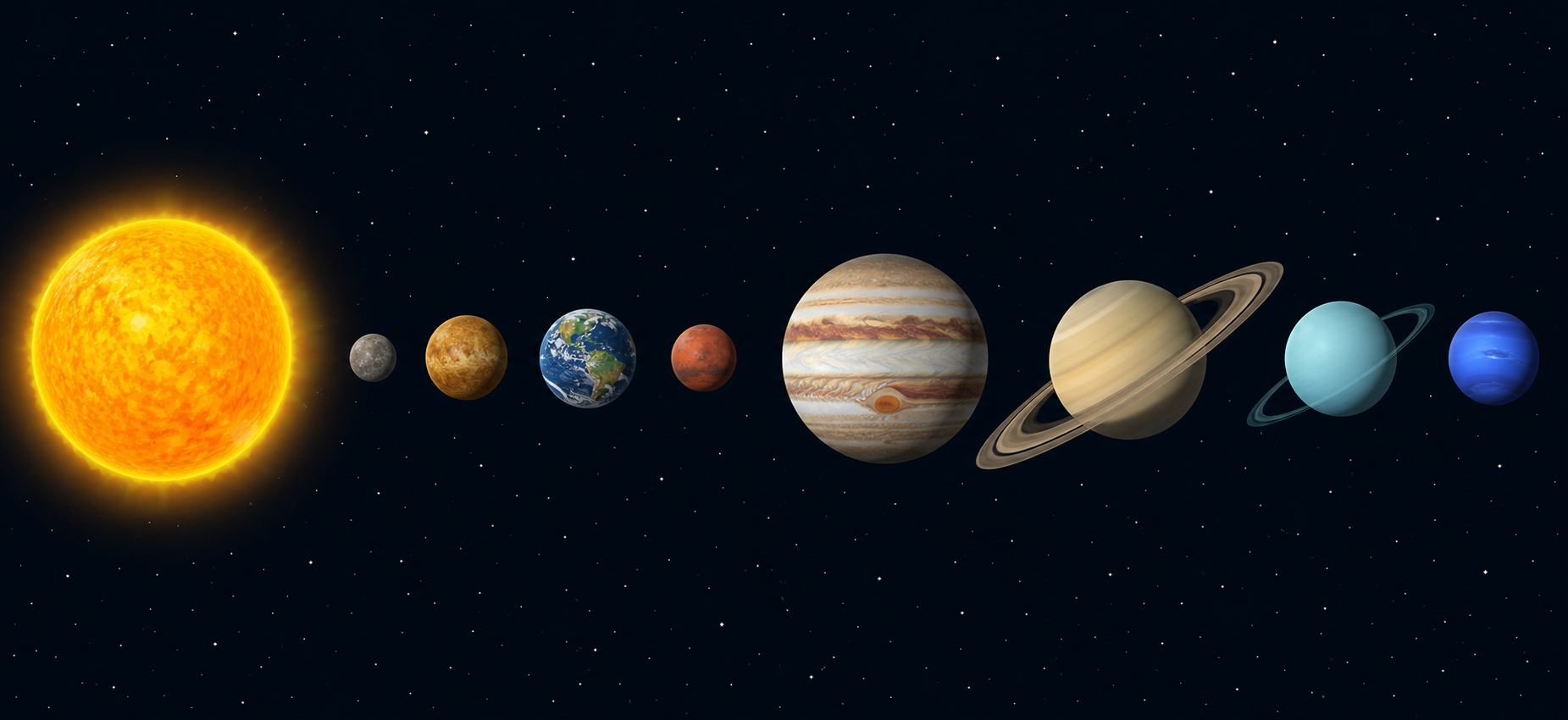
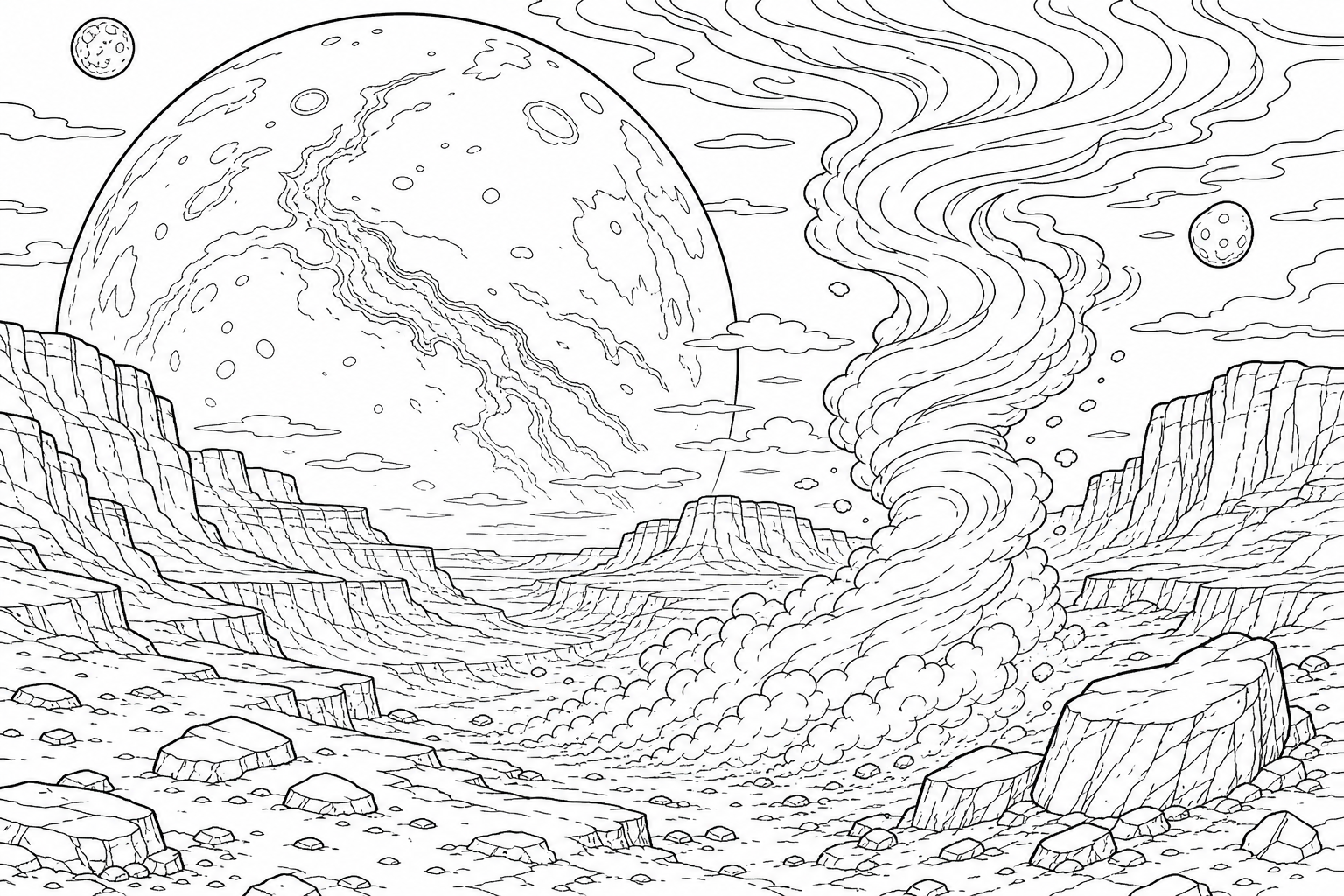
The four planets closest to the Sun are solid ground you could stand on. Mercury is a gray, cratered rock, scorched on one side and frozen on the other. Venus hides under thick, pale clouds that never break. Earth is the blue and green one, the only planet with oceans to color. Mars is rust red, and that color is real. Its whole surface is covered in fine iron dust that has quietly turned the planet the shade of a garden pot.
The giants that could swallow the rest
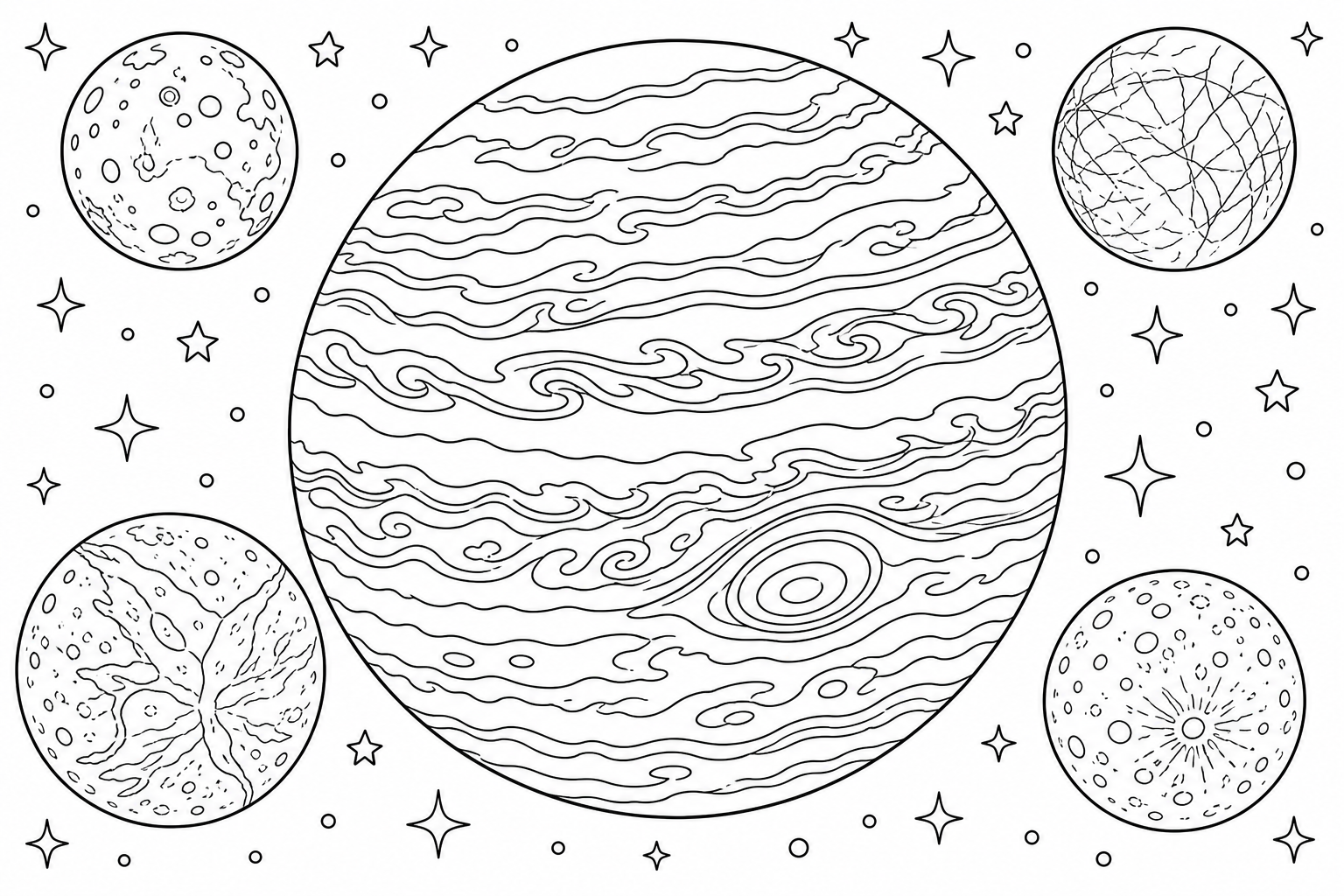
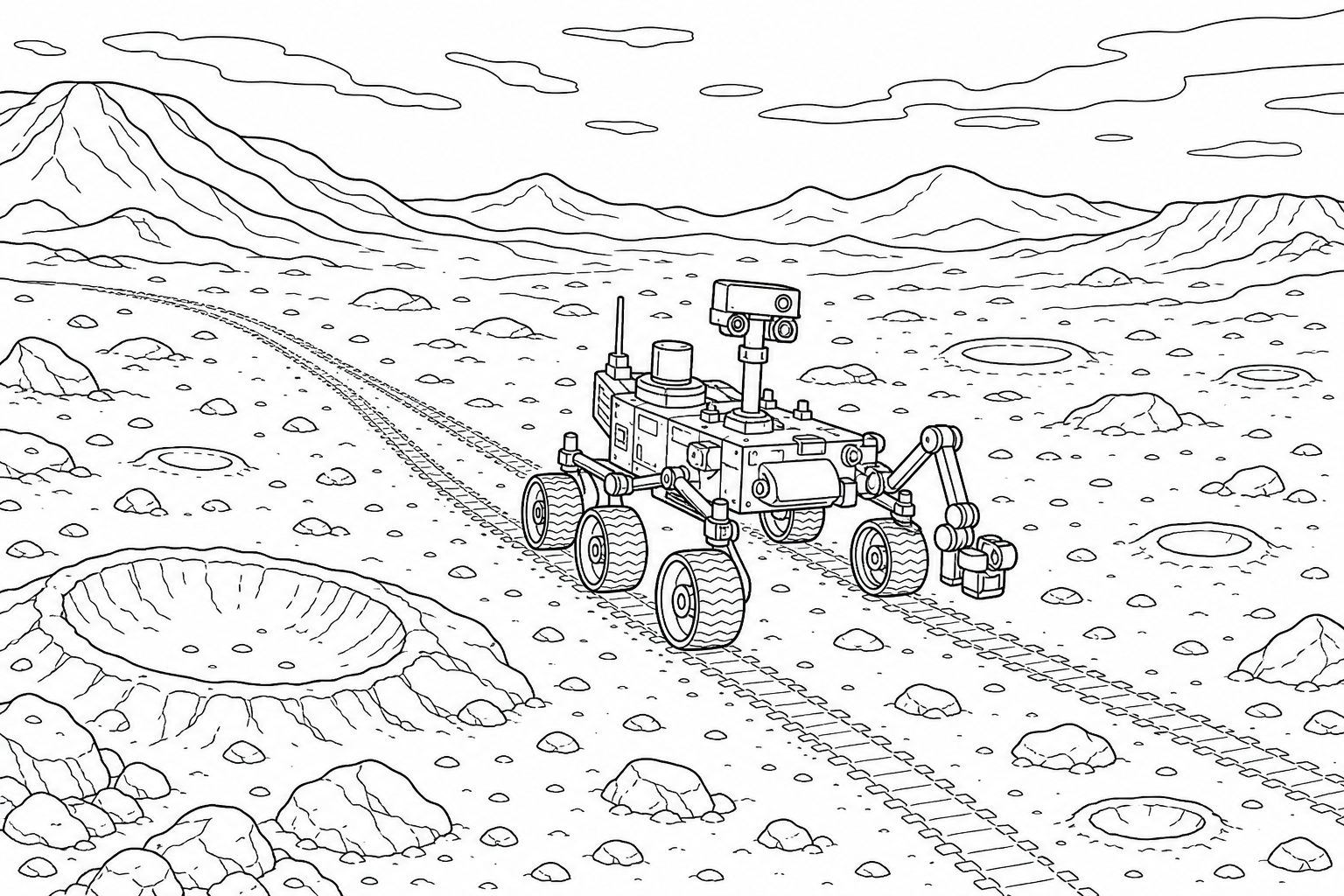
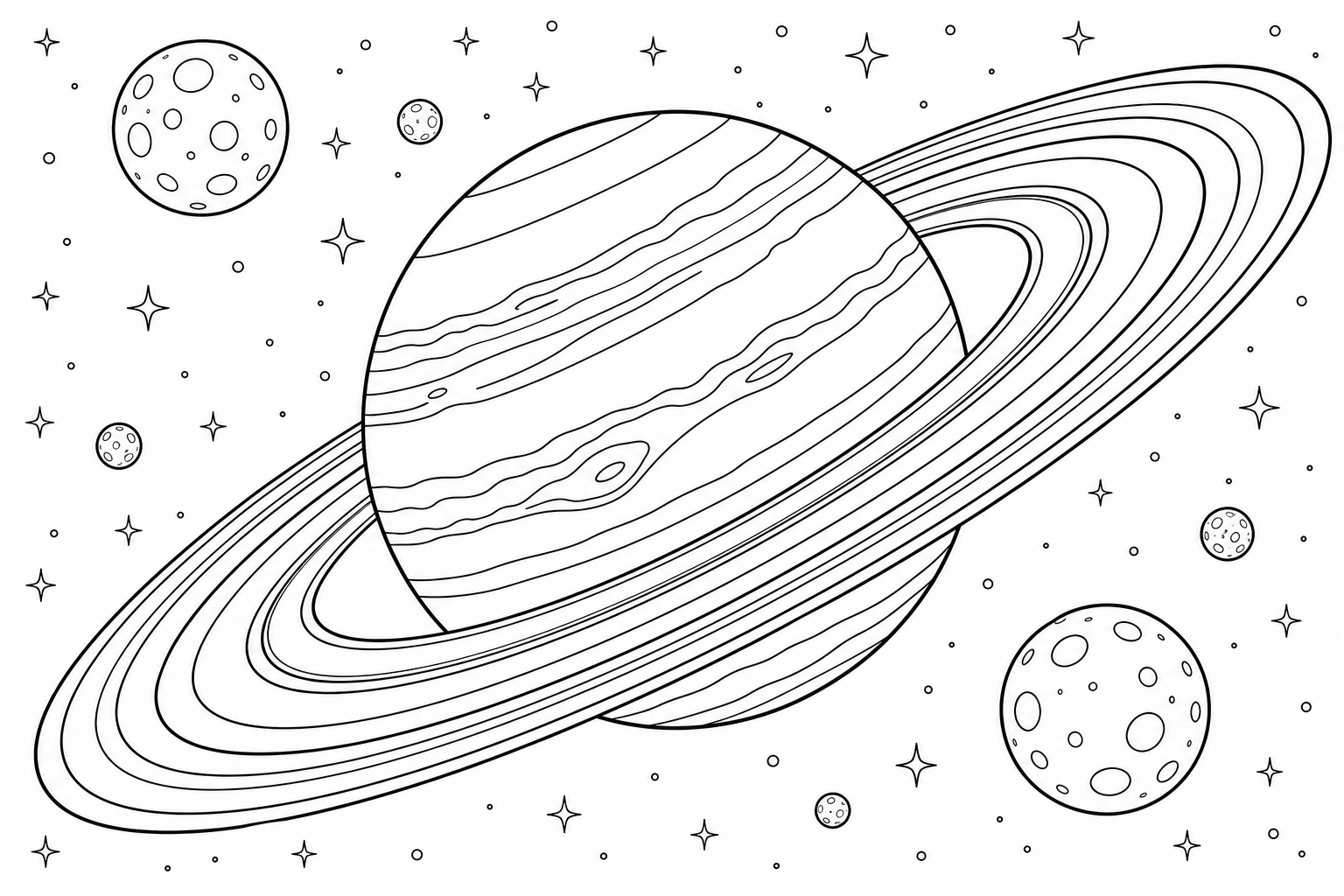
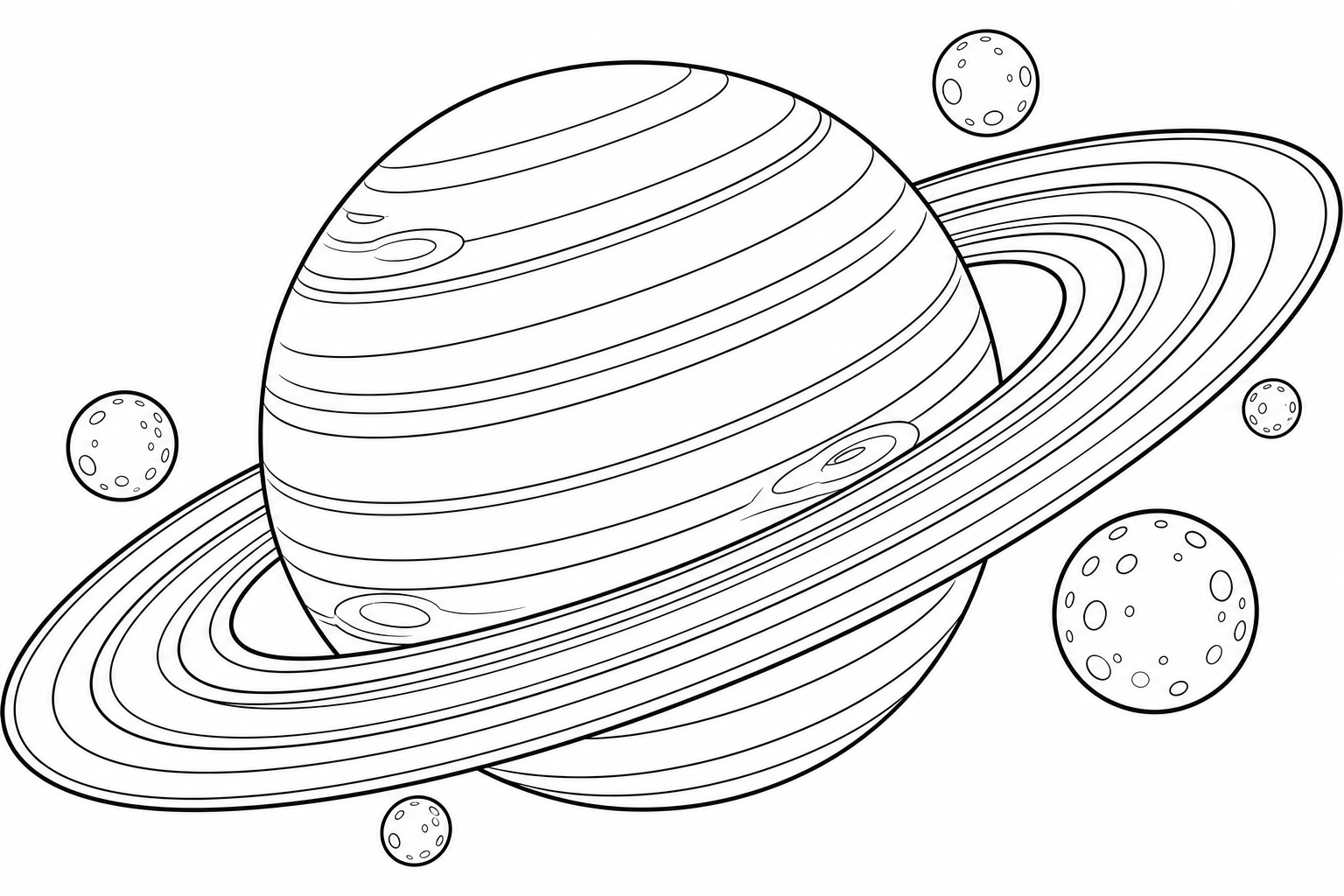
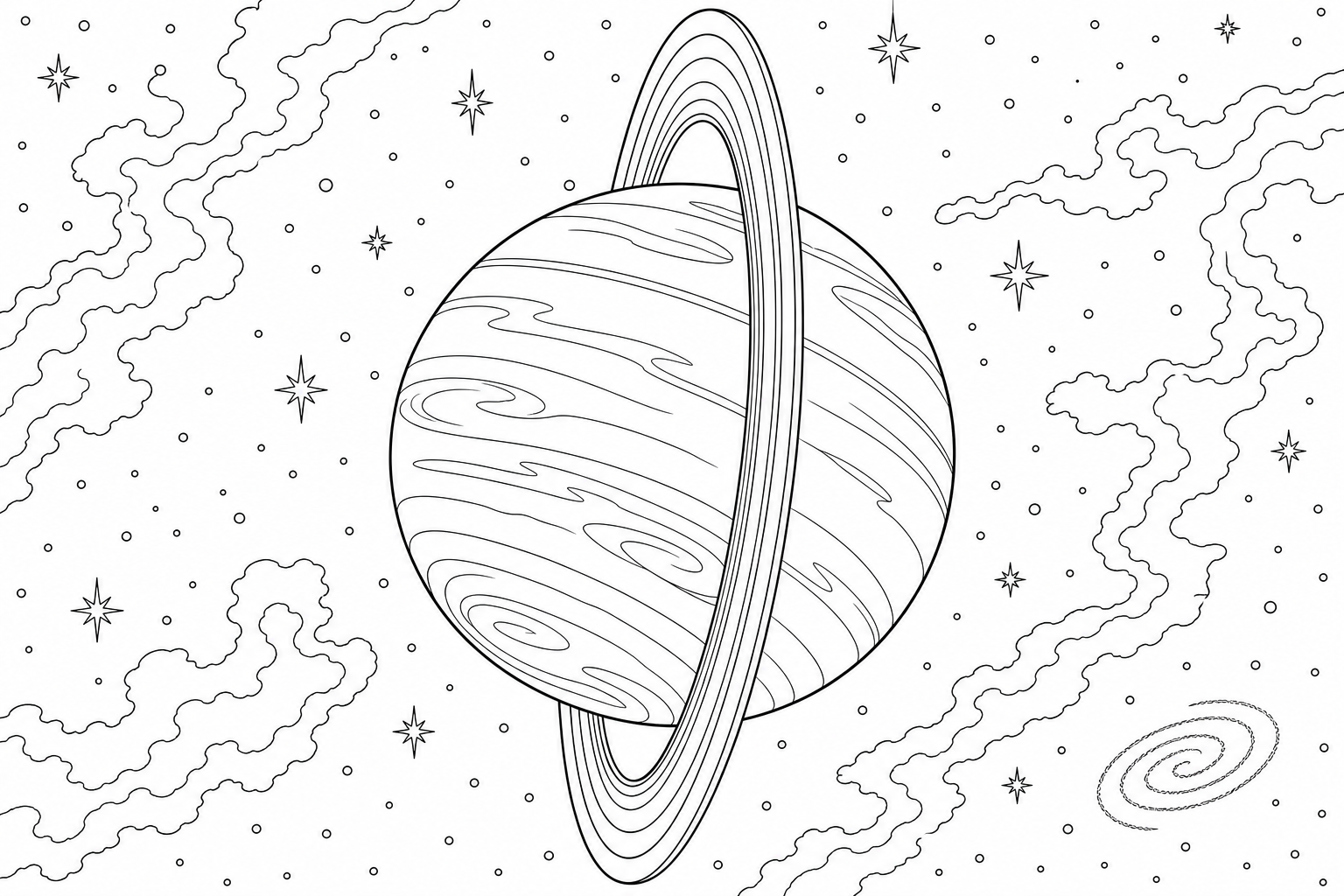
Jupiter and Saturn are so large that every other planet would fit inside them with room to spare. Jupiter is wrapped in cream and orange stripes, with one storm so big it has its own name. Saturn is the show off, a pale gold ball circled by rings you can spot through a pair of binoculars.
That storm on Jupiter earned its name by lasting so long. The Great Red Spot is a swirling storm wider than Earth, and skywatchers have followed it for well over a century. Color it big and color it red, and you are drawing the oldest storm anyone has ever tracked.
Color each planet the color it really is
Half the fun of space is that a far off world can be any color you like. The other half is knowing what color it truly is, then reaching for that pencil on purpose. Here is a quick map from planet to real shade.
| Planet | Its real color | Coloring tip |
|---|---|---|
| Mercury | Gray and cratered | Soft gray, then darker circles for craters |
| Venus | Pale creamy yellow | Smooth clouds with no hard edges |
| Earth | Blue and green | Blue seas, green and brown land, white swirls of cloud |
| Mars | Rusty red | Red and orange with a dry, dusty look |
| Jupiter | Cream and orange bands | Stripes across the middle and one big red storm |
| Saturn | Pale gold | A gentle gold planet with bright rings |
| Uranus | Icy blue green | One even, calm shade all over |
| Neptune | Deep blue | The richest, darkest blue in the set |



Coloring fun for kids — anywhere.
Free for iOS & Android. No ads, no sign-up, offline-ready.


Coloring fun for kids — anywhere.
Free coloring app for kids. iOS and Android, phones and tablets. No ads, no sign-up, even offline.
The cold worlds at the far edge
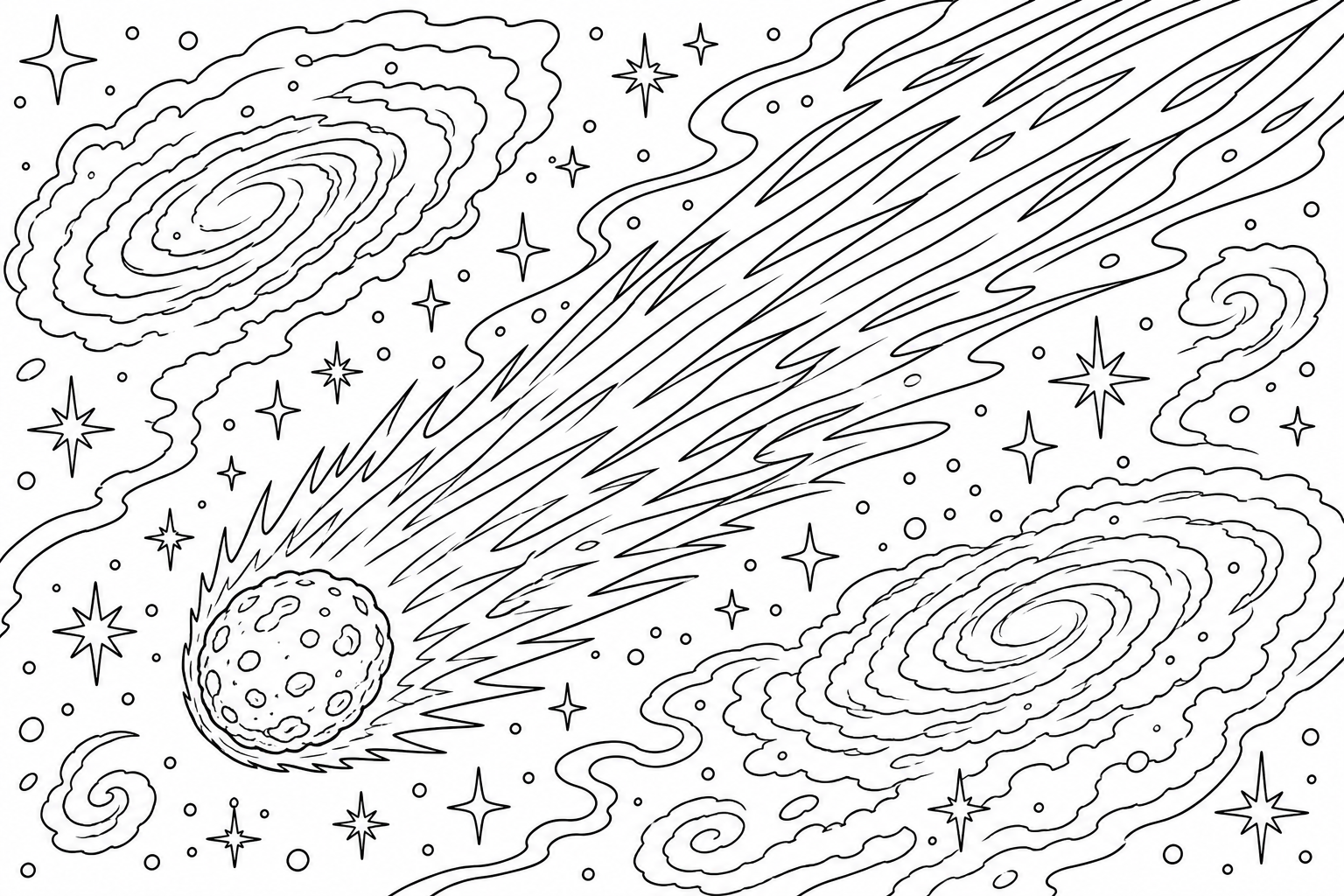
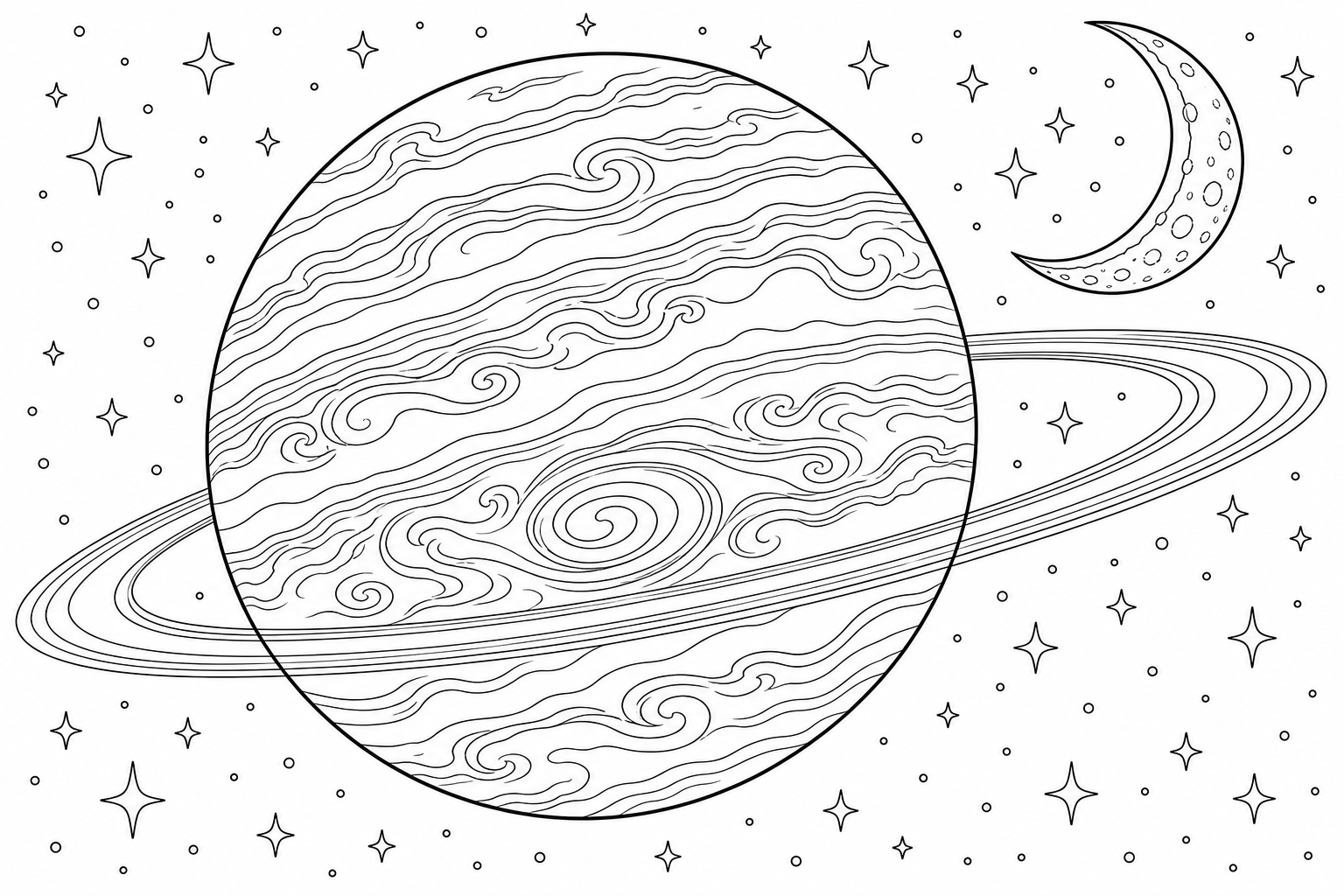
Past the giants the solar system turns icy and strange. Uranus is tipped so far over that it rolls around the Sun on its side, like a barrel instead of a spinning top. Neptune is the last planet, a deep blue world with the fastest winds found anywhere in the solar system. Out here you also meet comets trailing long bright tails and the Moon that circles back home, both waiting for anyone who loves a full space scene. If your child would rather dream up their own worlds than match the real ones, our space coloring pages leave the whole galaxy open.
Once the planets are colored in, the rest of space is still out there.
What else could you color?
Pick a prompt or type your own — opens in a new tab.
Print your own tour of the solar system
Start at the Sun and work your way out, or begin with your favorite planet and travel from there. Every page below is ready to print.