The basket stands on the kindergarten windowsill on Monday morning, lined with a tea towel and still empty. By Friday it has to be full, and on Sunday it will sit in front of an altar, under a crown made of grain.
Why a basket goes to church on the first Sunday of October
Erntedank is the harvest thanksgiving of the German churches. The German Catholic bishops fixed it on the first Sunday of October in 1972, and the Protestant churches have mostly settled on the same Sunday (Erzbistum Köln, EKD). This year that is Sunday, 4 October.
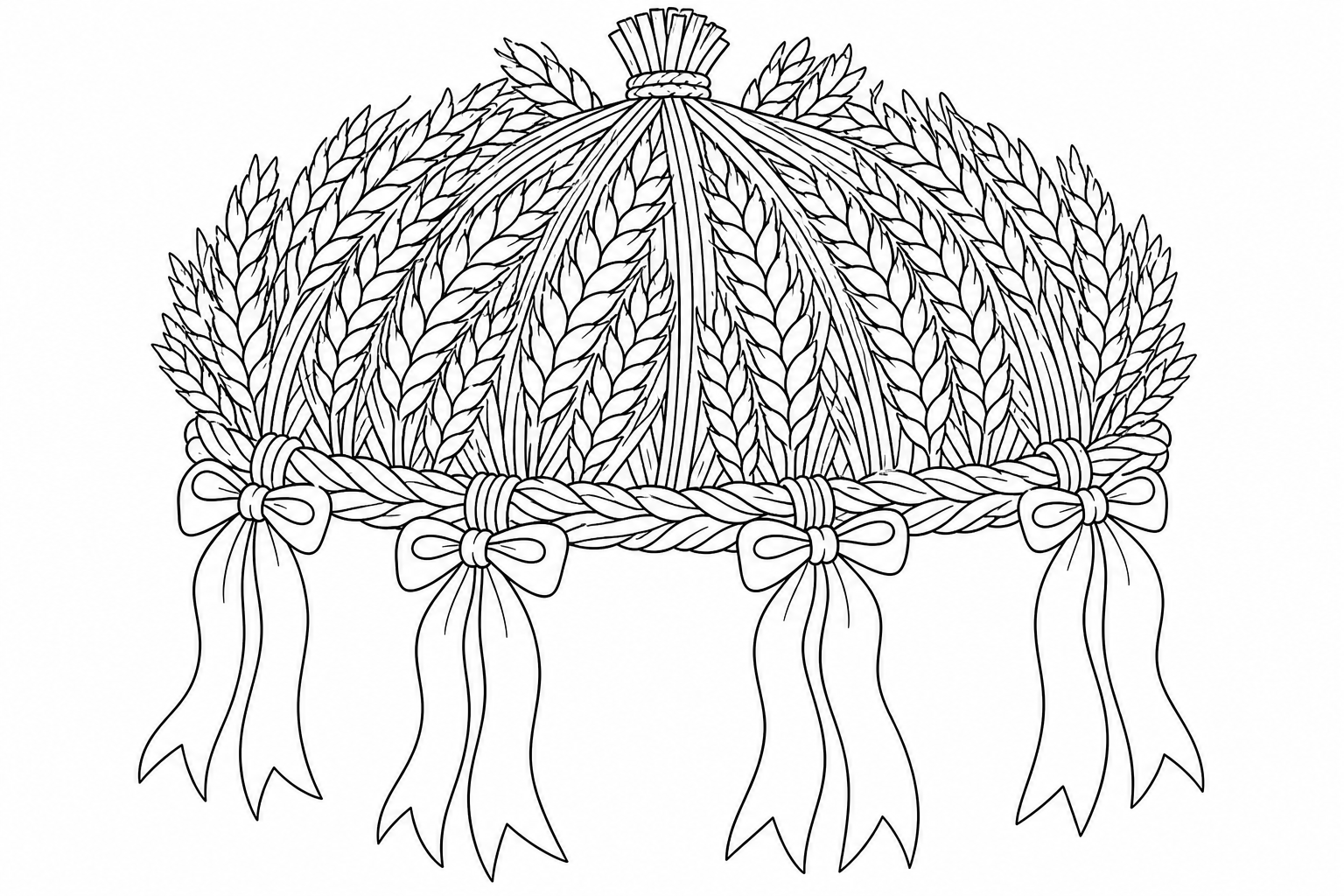
The idea is much older than the date. People in northern Europe had harvest rites long before Christianity, and Christian communities were already celebrating Erntedank in the third century (religionen-entdecken.de). What a child sees today is simpler: an altar covered in food, and a crown woven from ears of grain. In many parishes the crown is carried in a procession and then hung up in the church (EKD).
The basket is the part your child can build. The EKD's own list of what decorates the altar reads like a shopping list: ears of grain, apples, pumpkins, honey, sunflowers, bread and grapes. So this tour goes to the places those things come from, one stop at a time, with a page for each.
First stop, the field: wheat and the bread it turns into
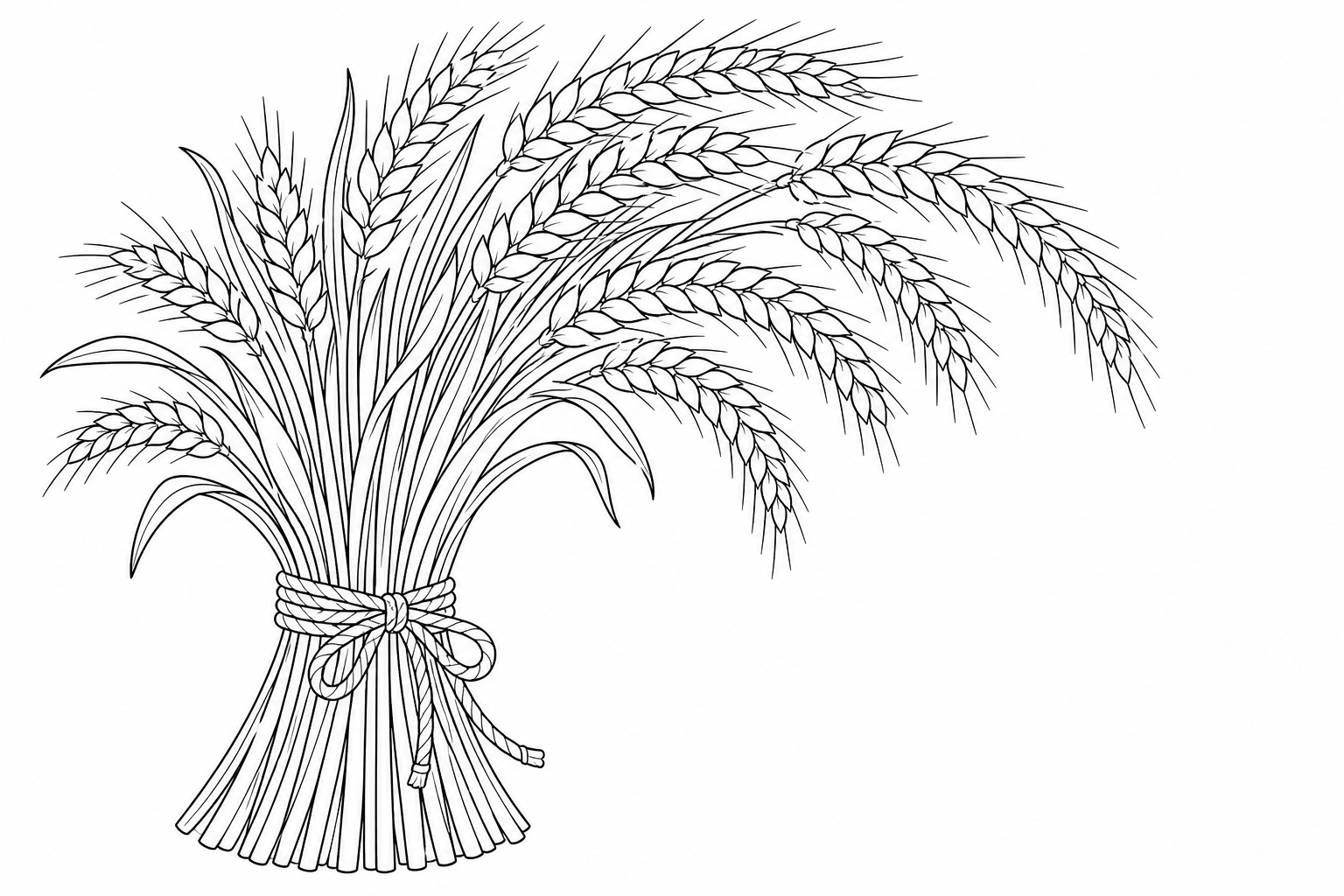
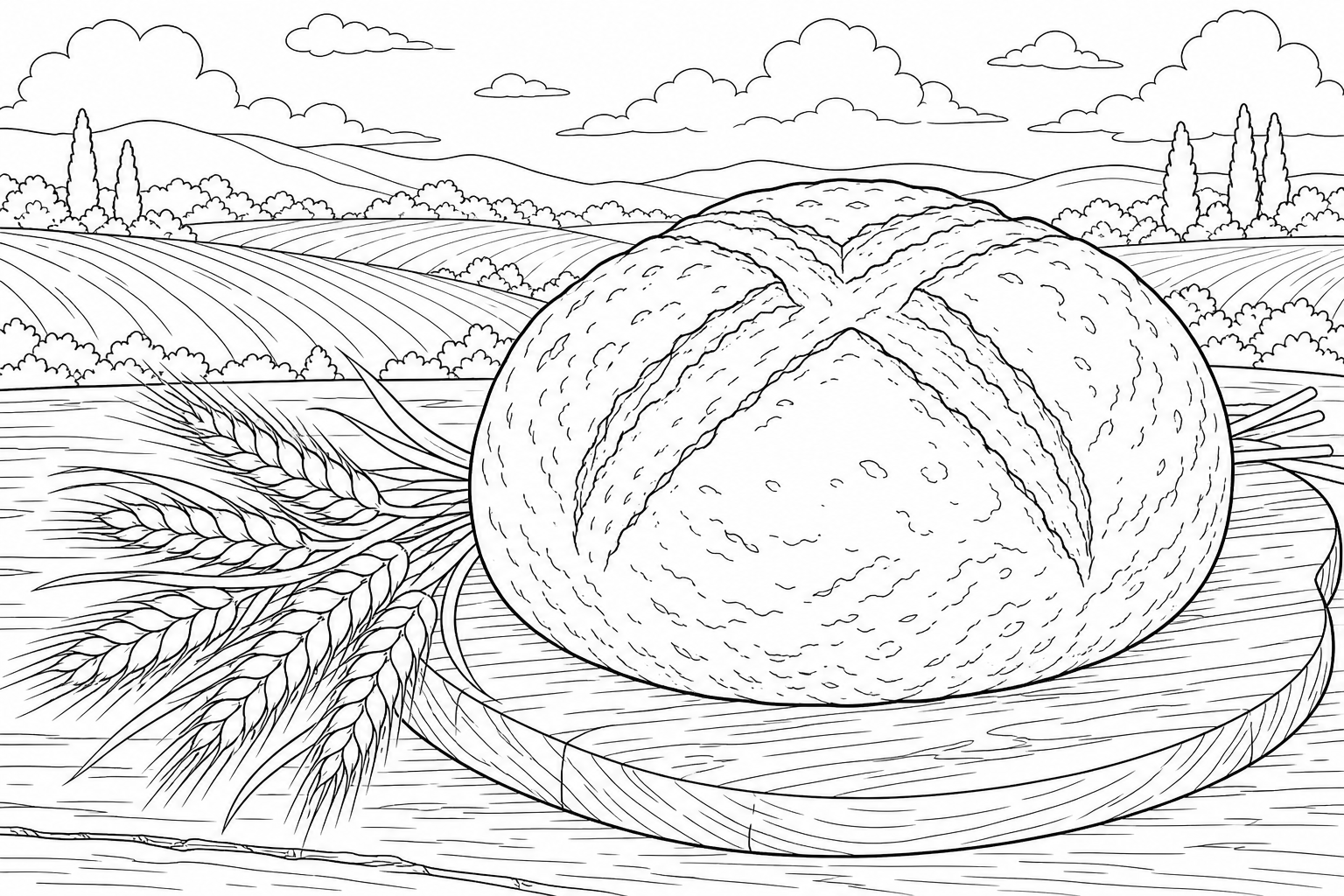
Grain is the one thing every harvest altar has, because the crown itself is made of it. It reaches the basket in two forms: the ears straight from the field, and the loaf made from them. The Cologne archdiocese puts it plainly: the service gives thanks above all for the daily bread.
The two pages below tell that story in one step. The sheaf is the before, the loaf is the after. Color the ears gold and the crust a deeper brown, then ask what happened in between. A five-year-old will usually get as far as "the baker did it", which is a fair answer.
Second stop, the orchard: apples
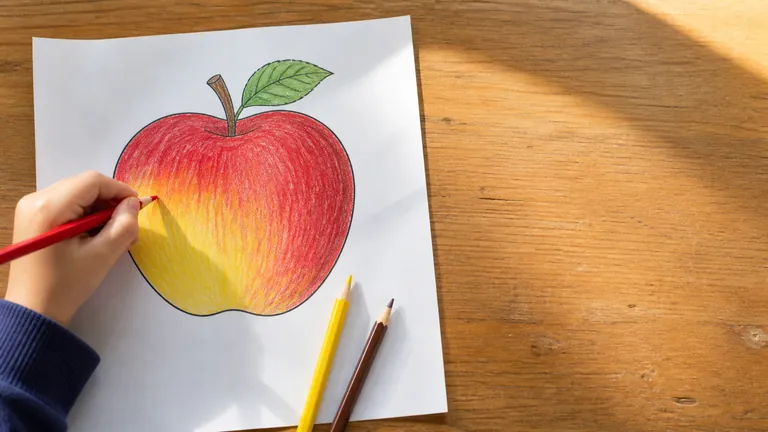
Apples are the easiest thing to put in a real basket, and the one most children have picked with their own hands. These three pages follow the apple from branch to basket: a tree heavy with fruit, a child on a small ladder reaching for the biggest one, and a basket brimming under a checkered cloth.
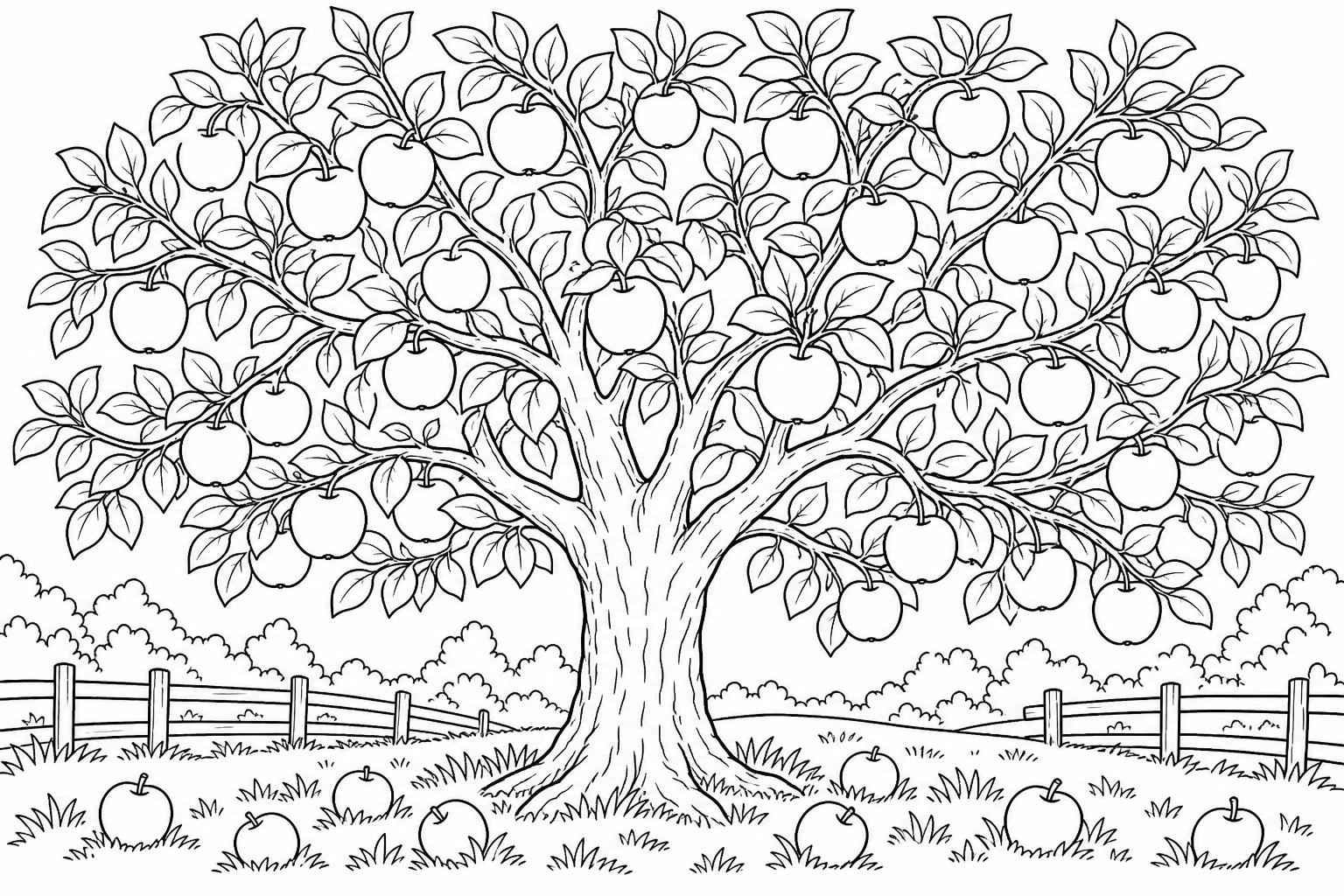
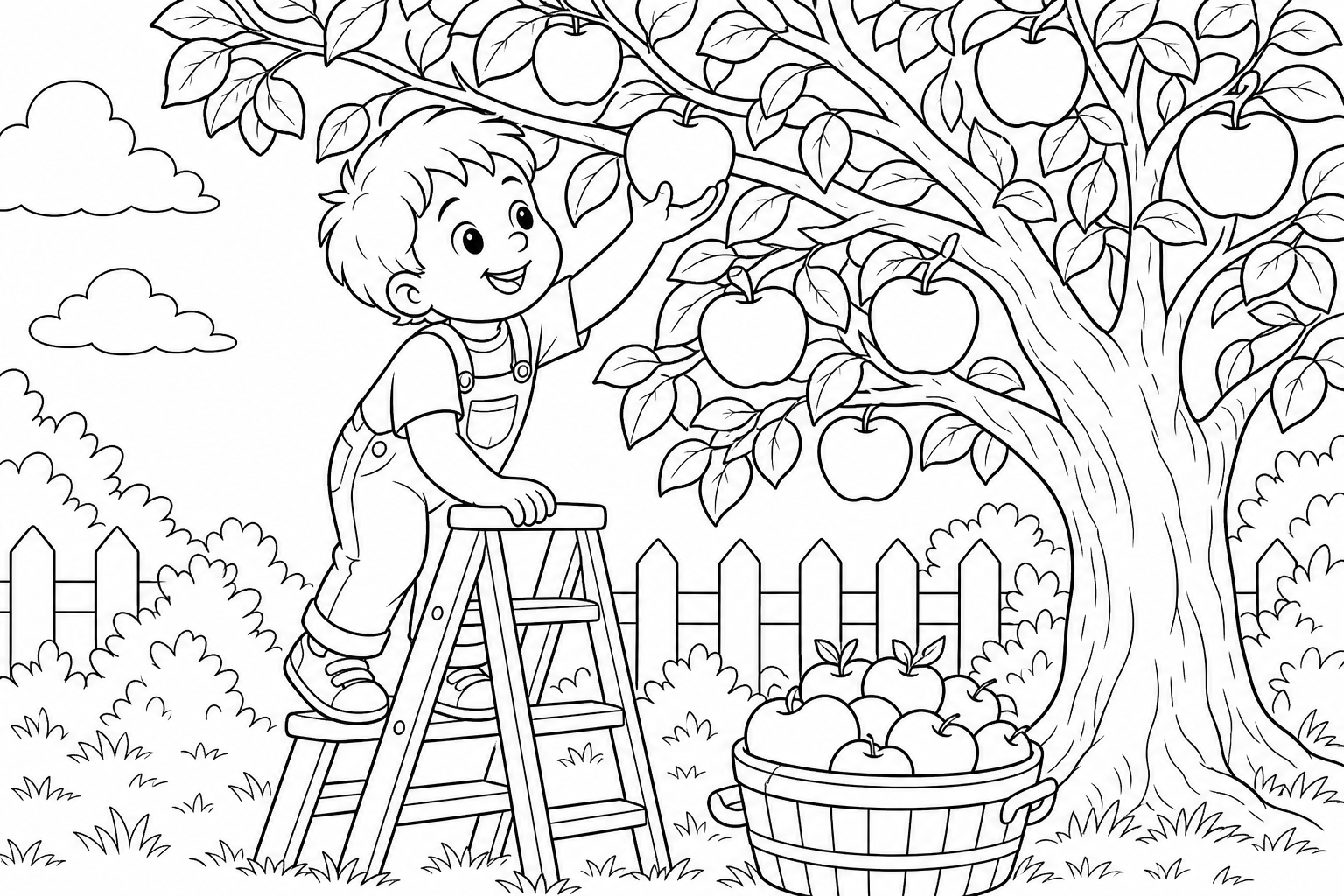
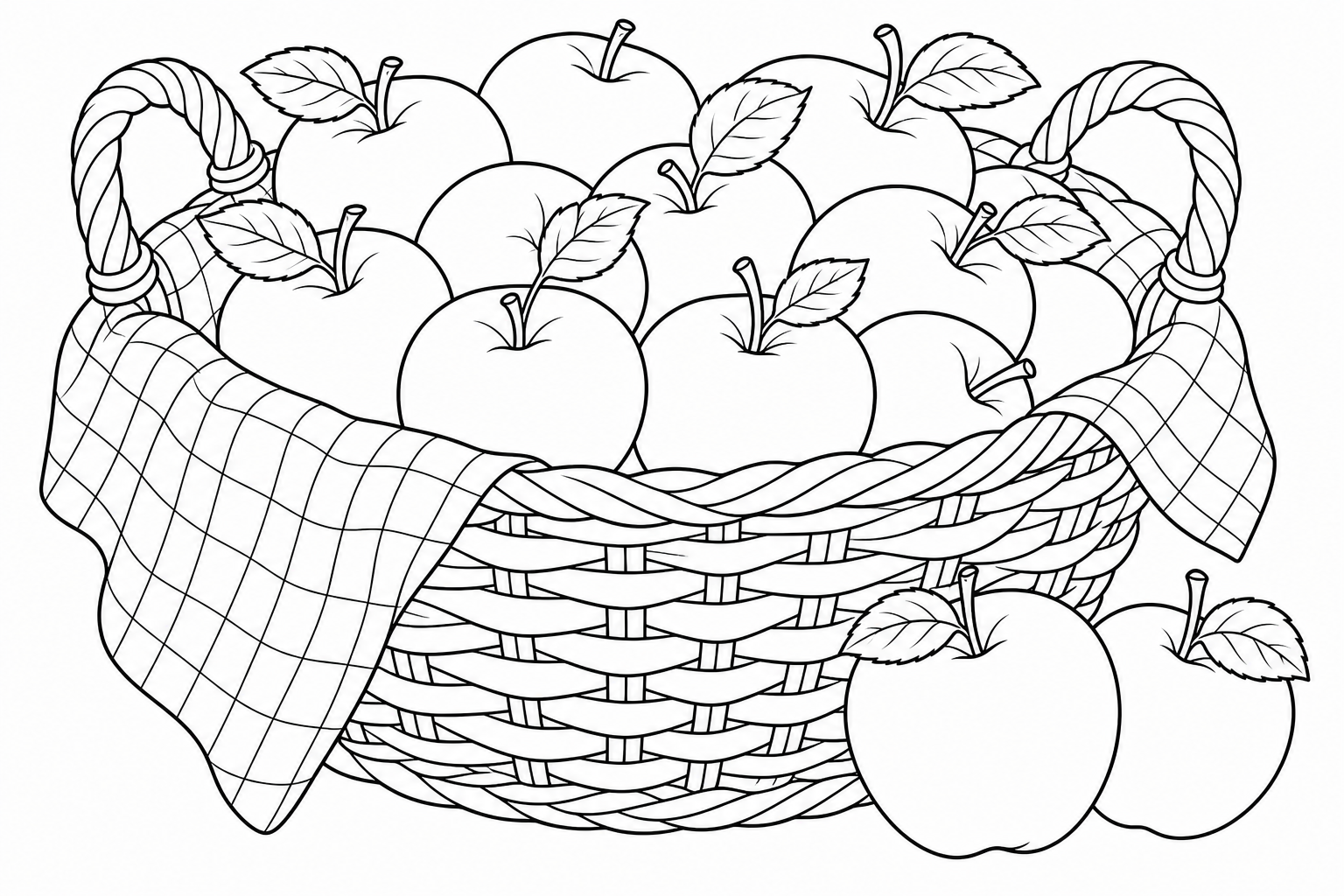
Red, yellow, green or all three on one apple: every choice is right here. If your child wants the whole day among the trees, the apple pages that follow an orchard day carry on from tree to pie.
Third stop, the garden: pumpkins, sunflowers and grapes
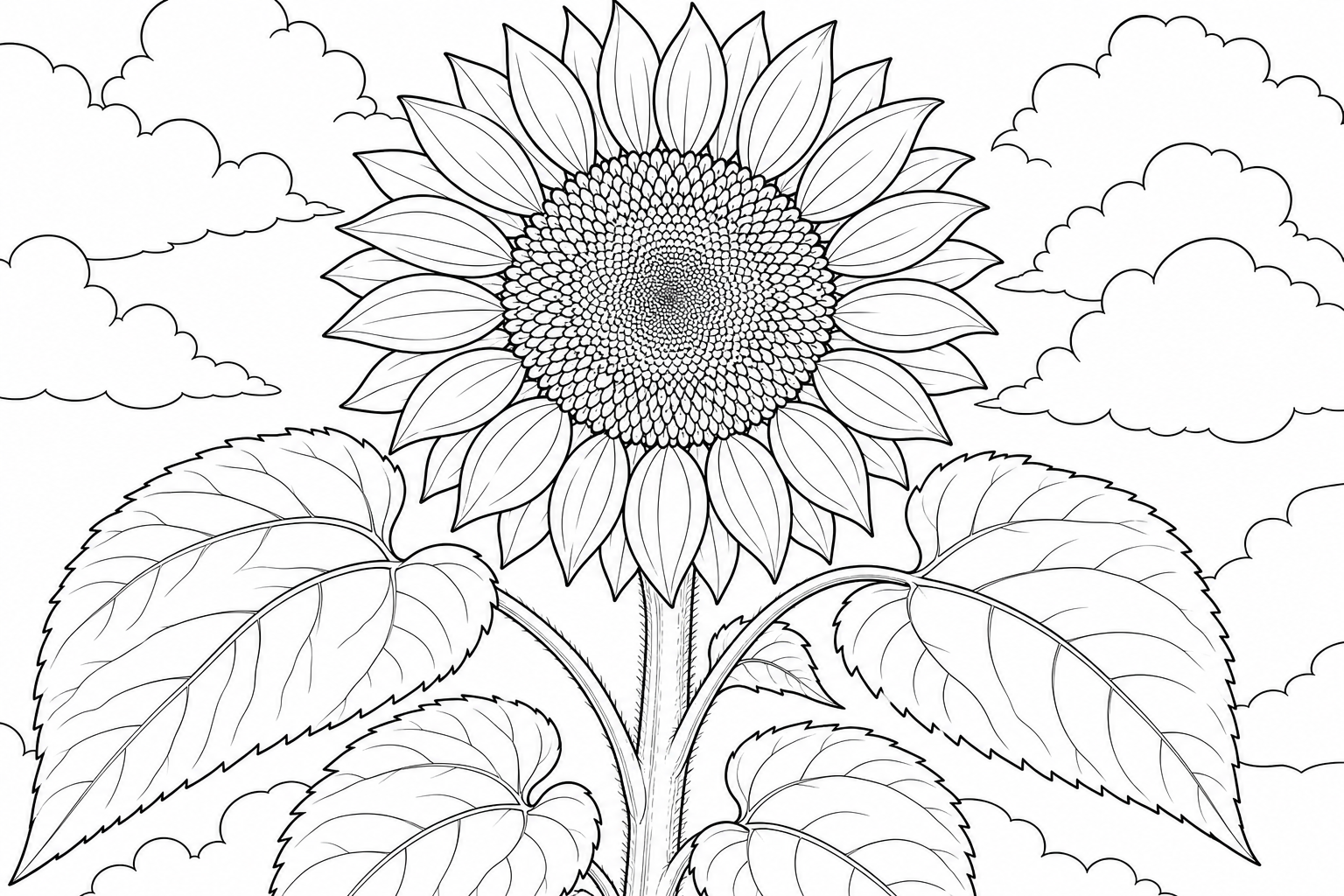
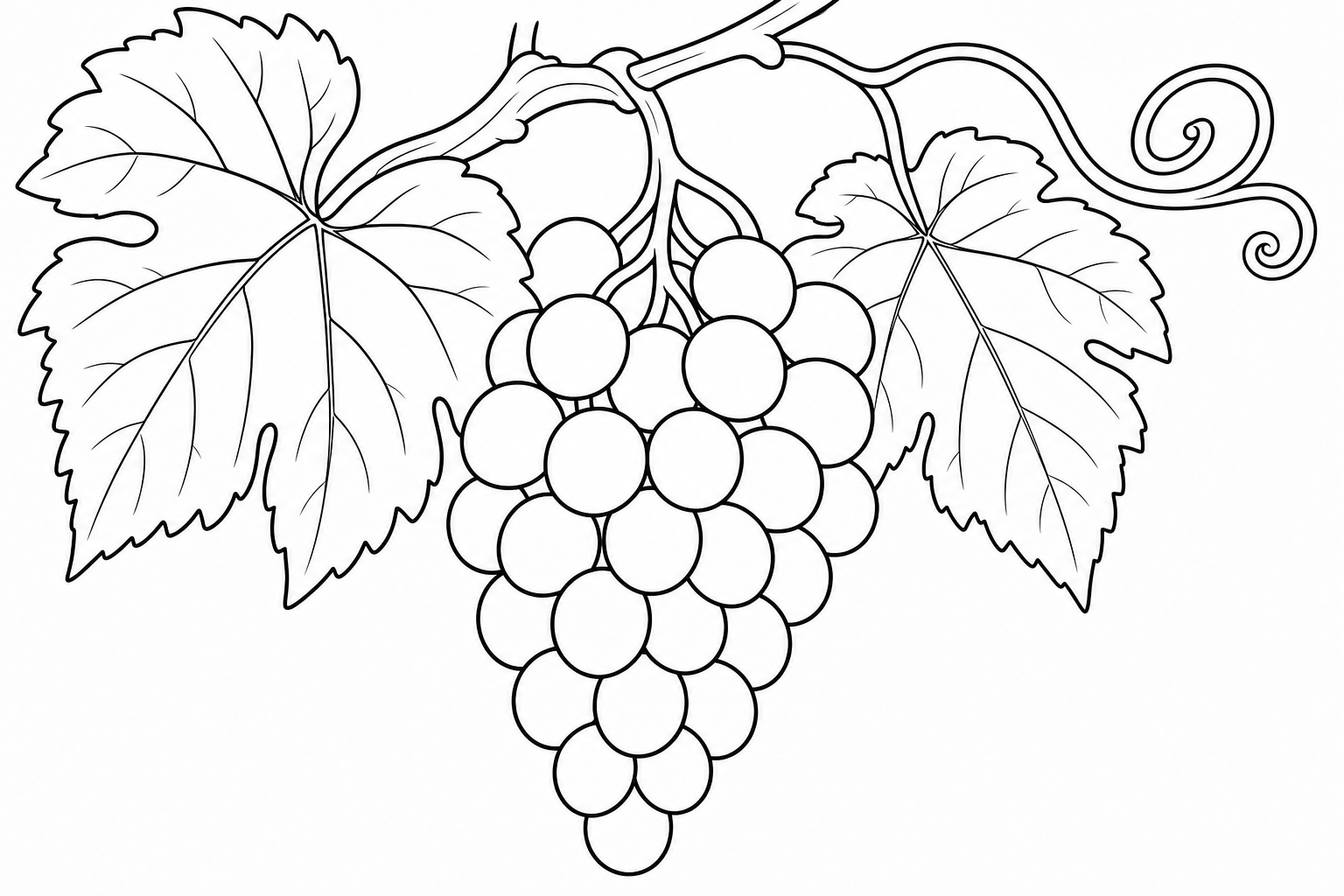
The garden is where the colors get loud. A crate of pumpkins, gourds and sunflowers is the whole altar in miniature. A single tall sunflower gives a small child one big shape and a few broad leaves. The bunch of grapes is a counting game dressed up as a page, because every grape is its own circle.
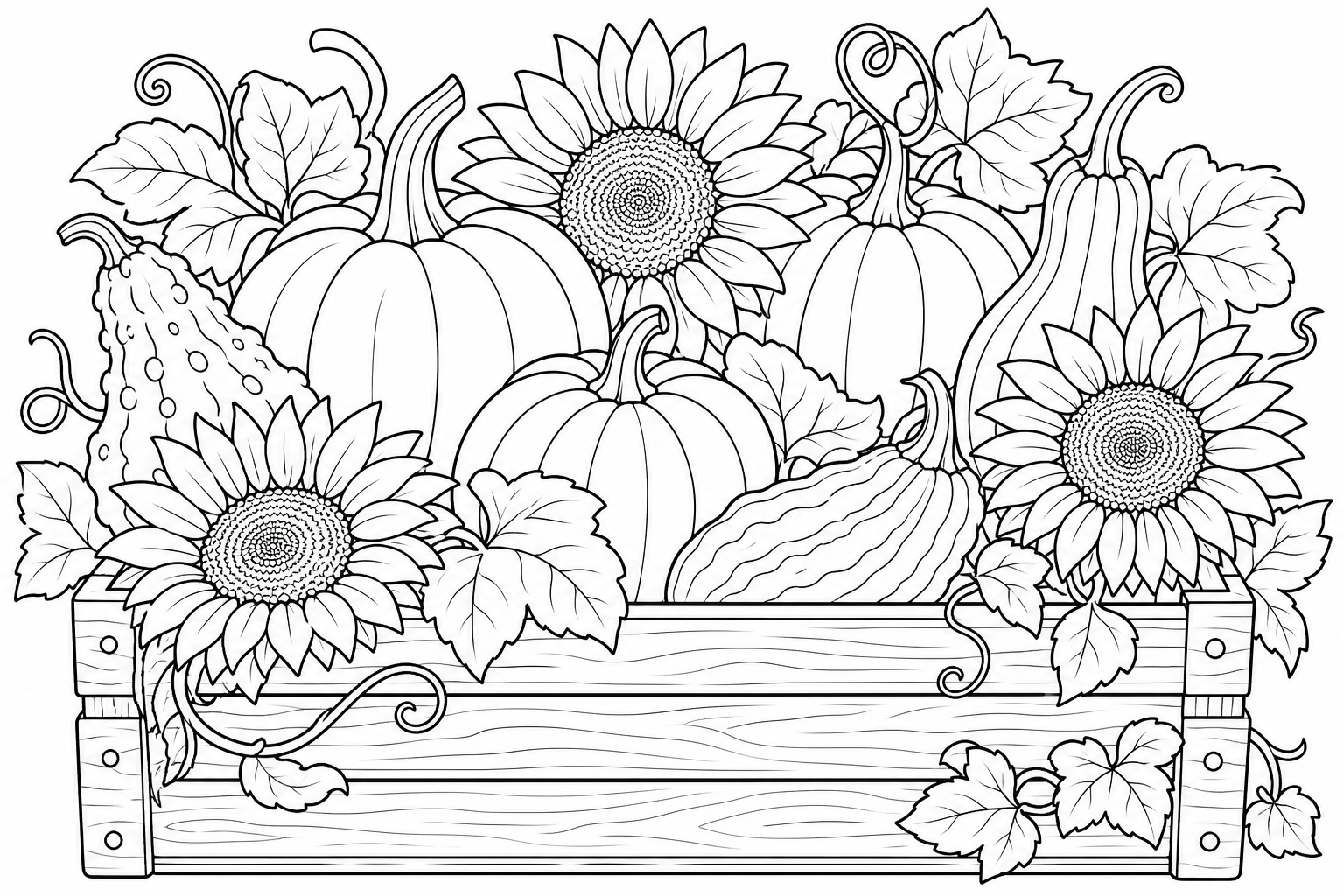
Pumpkins deserve a slow afternoon of their own, and the pumpkin pages for an afternoon at the patch give them one.
What happens to the basket after Sunday
After the service, the food on the altar moves on. Many parishes hand the gifts out to the people who came, or pass them on to people who need them (EKD). Some turn them into a shared meal that is open to everyone, whatever they believe (religionen-entdecken.de).
That is the part children remember, so tell them before Sunday. The apple they carry in on Friday may well end up on somebody's table. A paper basket can go the same way: color one, sign it, and give it to a neighbor, a grandparent or the family next door.
What else could you color?
Pick a prompt or type your own — opens in a new tab.
The last stop: the full basket
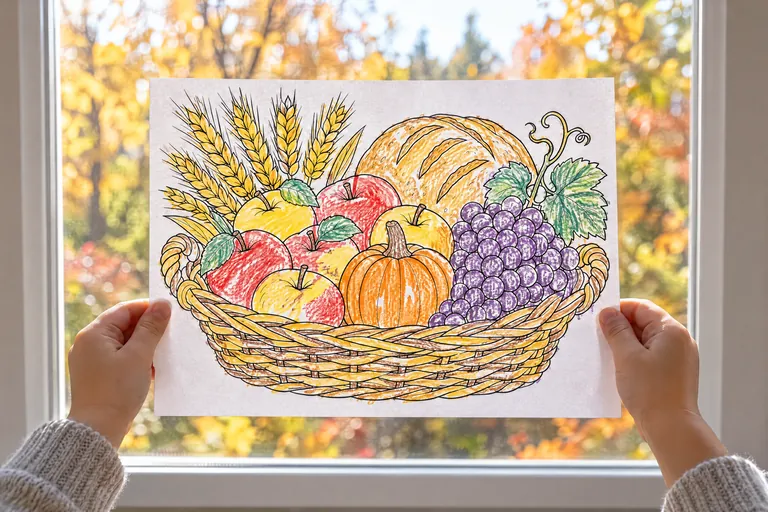
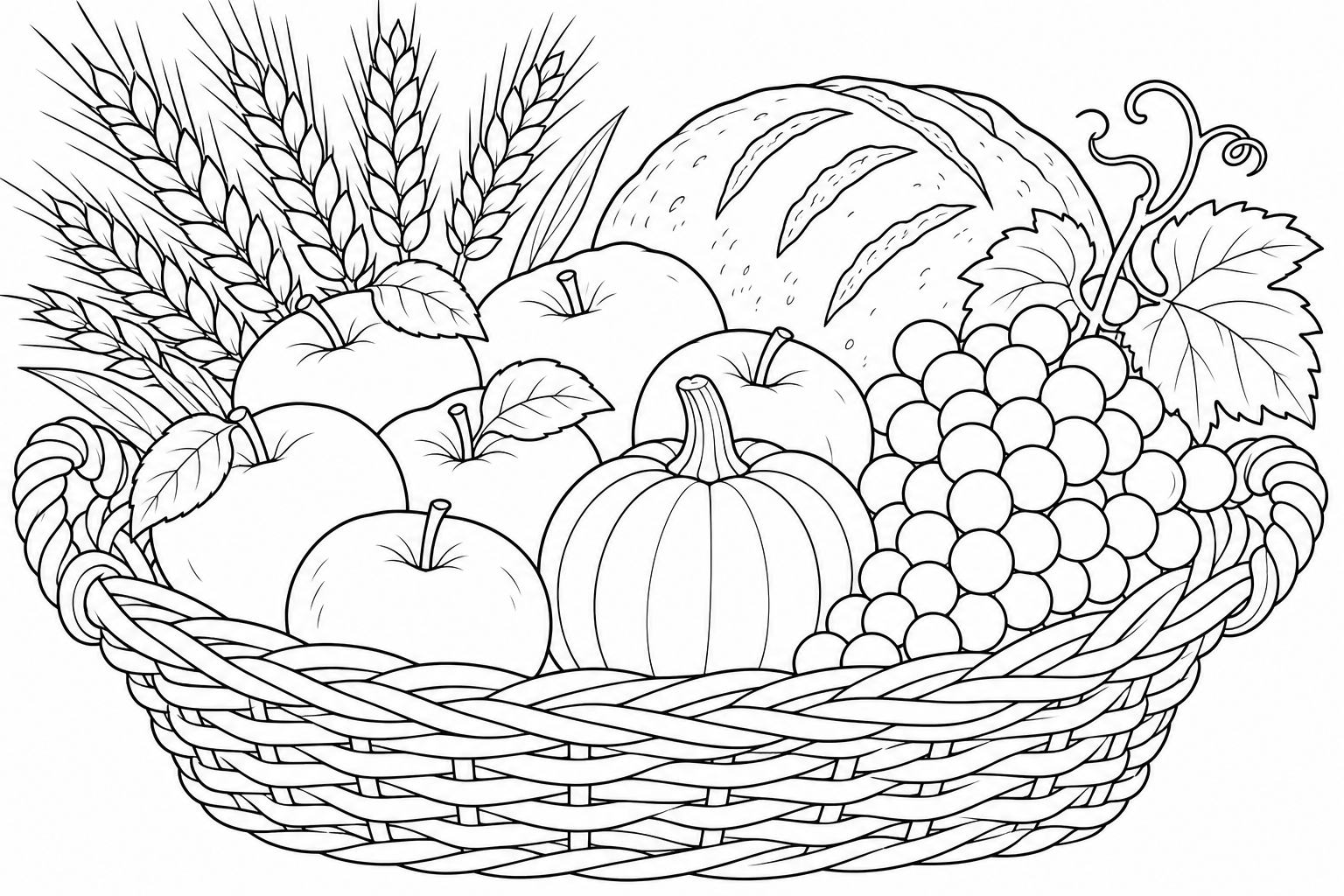
Two pages close the tour. The first has everything from every stop packed into one woven basket: apples, a pumpkin, grapes, a round loaf and a few ears of wheat. The second is the same kind of basket, empty, with plenty of room above the rim.
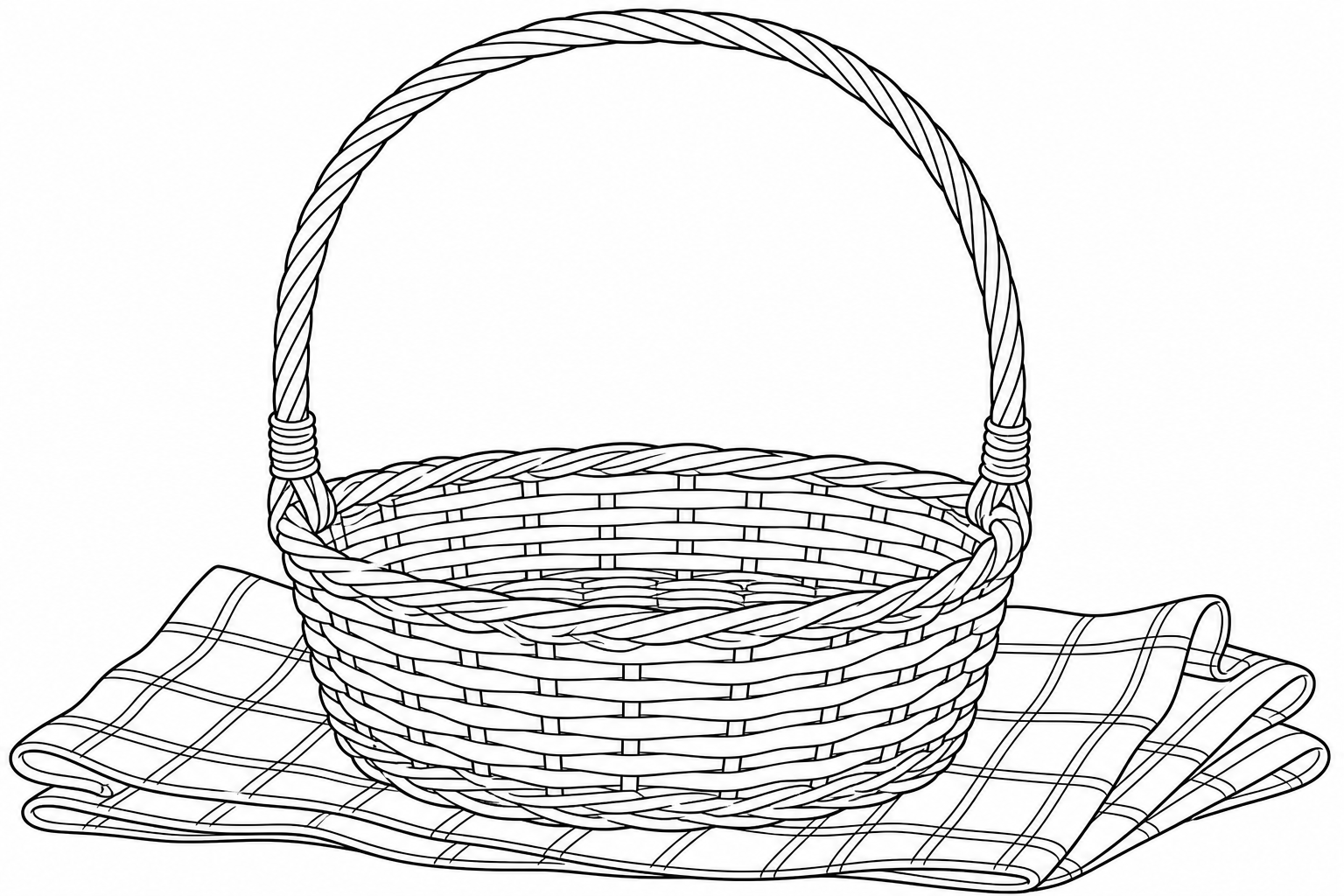
Give the empty one to the child who already knows what they would bring. A drawn plum, a jar of honey or a single carrot counts as much as anything on the altar.
A harvest basket is only finished when someone has chosen what goes in it, so let your child do the choosing.