Watch a four-year-old grip a crayon with the focused intensity most adults reserve for tax season, and you'll see why occupational therapists keep coloring pages in their toolkit. Those small hands are doing serious developmental work: building the grip, the hand-eye coordination, and the patience that show up later as legible handwriting and the ability to sit still through a chapter book.
Coloring sounds like a quiet, screen-free way to keep kids busy. It is, but it's also one of the cheapest, most flexible motor-skill workouts available. The trick is matching the page to the child, then stepping back and letting them work.
Why focus and fine motor skills matter
Fine motor skills are the small, precise movements children use to button a shirt, hold a fork, zip a backpack, and eventually write their name. These skills depend on a tripod grip, controlled wrist movement, and the bilateral coordination of one hand stabilizing the paper while the other hand colors. Every page filled is a few more minutes of training for those exact muscles.
Focus matters too. A child who can sit through a coloring page is rehearsing the kind of sustained attention that classroom learning requires. The same calming effect that adults get from coloring also helps kids settle their nervous systems, which is why so many teachers reach for printed pages after recess. If you want a fuller picture of the calm side of the equation, Why Coloring Reduces Stress (And How to Start in Minutes) walks through exactly how the act of coloring slows kids (and adults) down.
Choosing by age
The right page meets a child where their hands actually are. Too easy, and they lose interest. Too detailed, and the crayon goes flying.
Toddlers (2 to 4)
Look for big bold shapes, thick outlines, and lots of empty space. Toddlers are still working on the palmar grasp and just starting to develop the pincer grip. A page with a single huge balloon or a friendly cartoon dog gives them something to fill in without crushing their motivation. Broken crayons help here, because their small size forces tiny fingers into a more efficient grip.
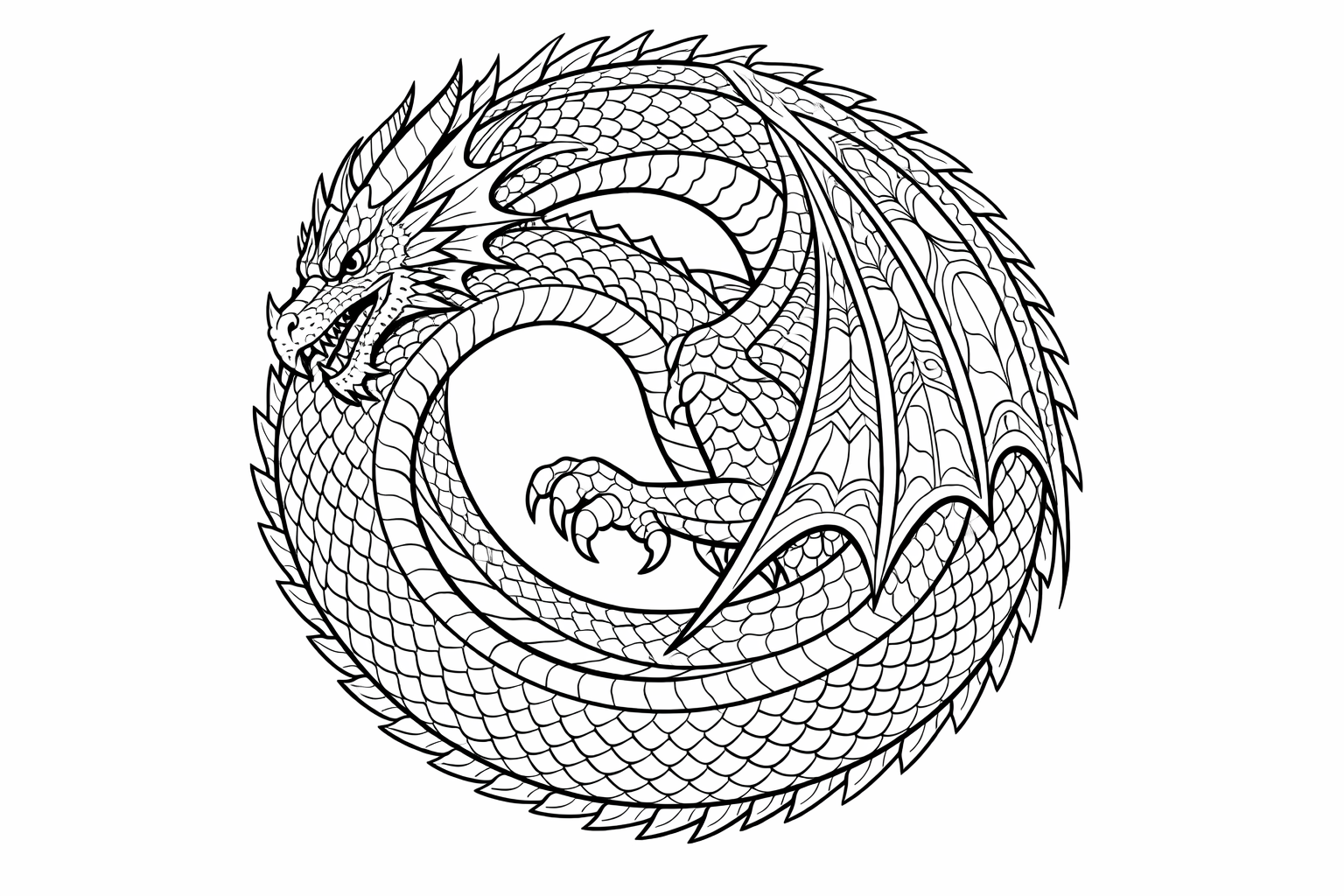
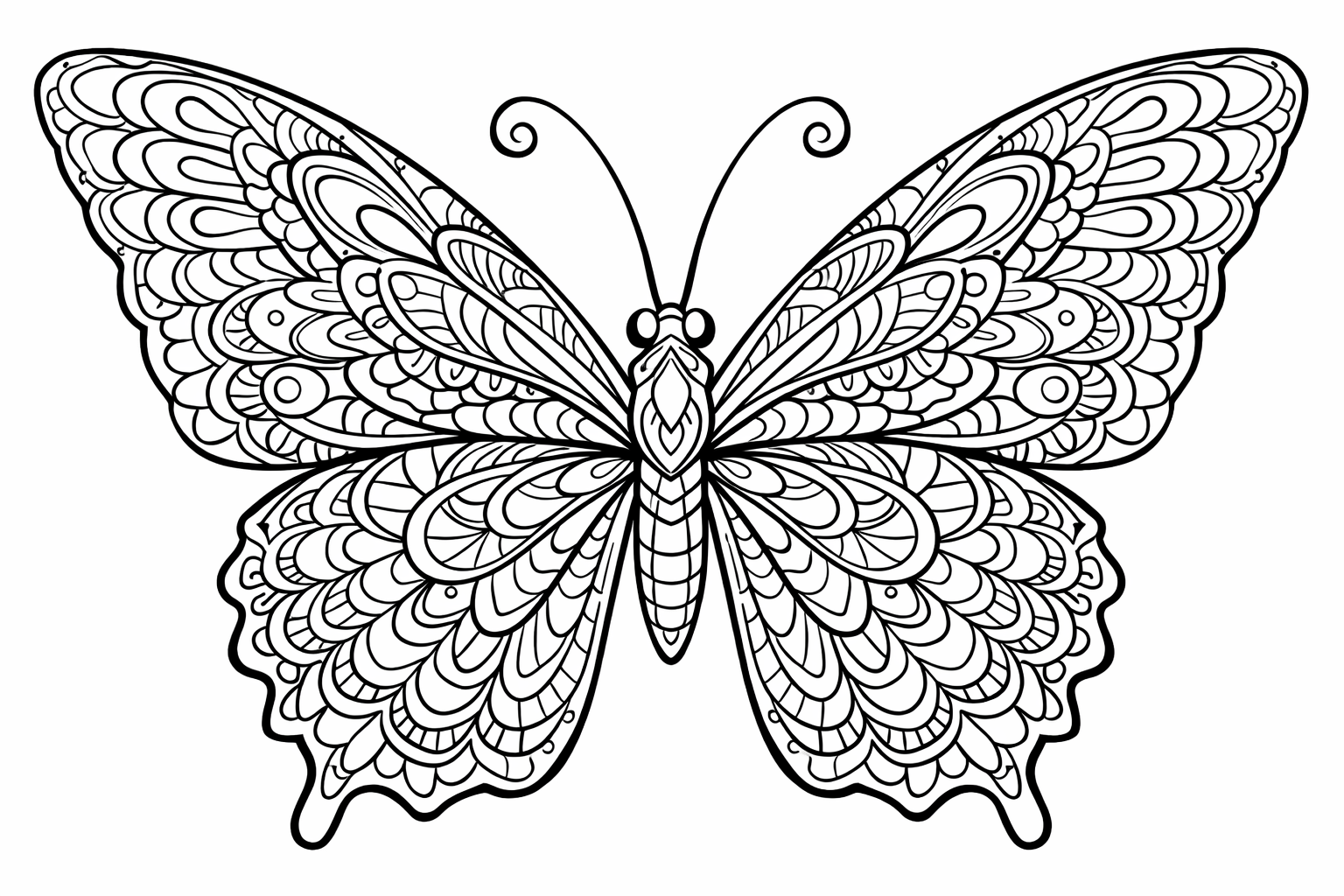
Younger Kids (5 to 7)
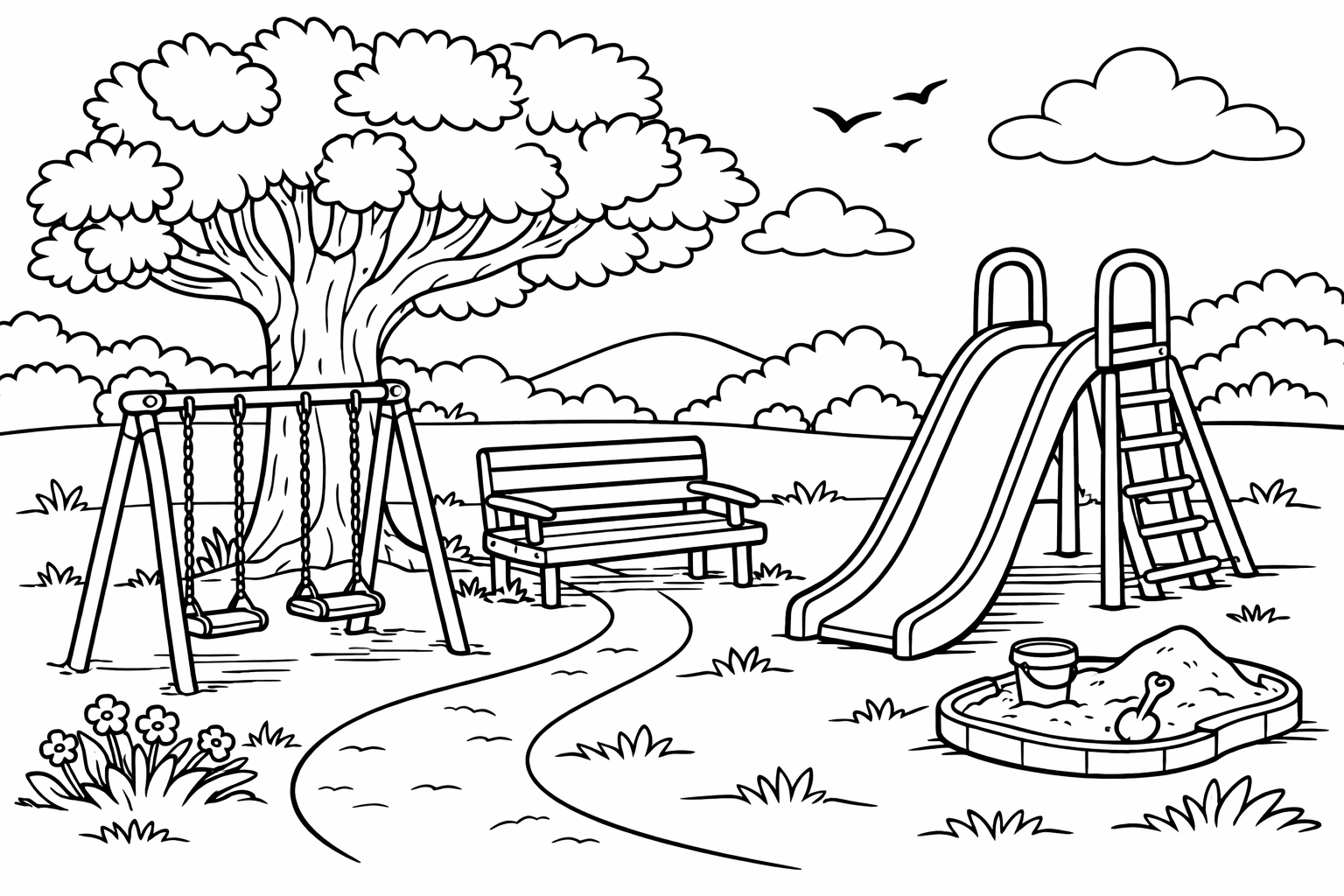
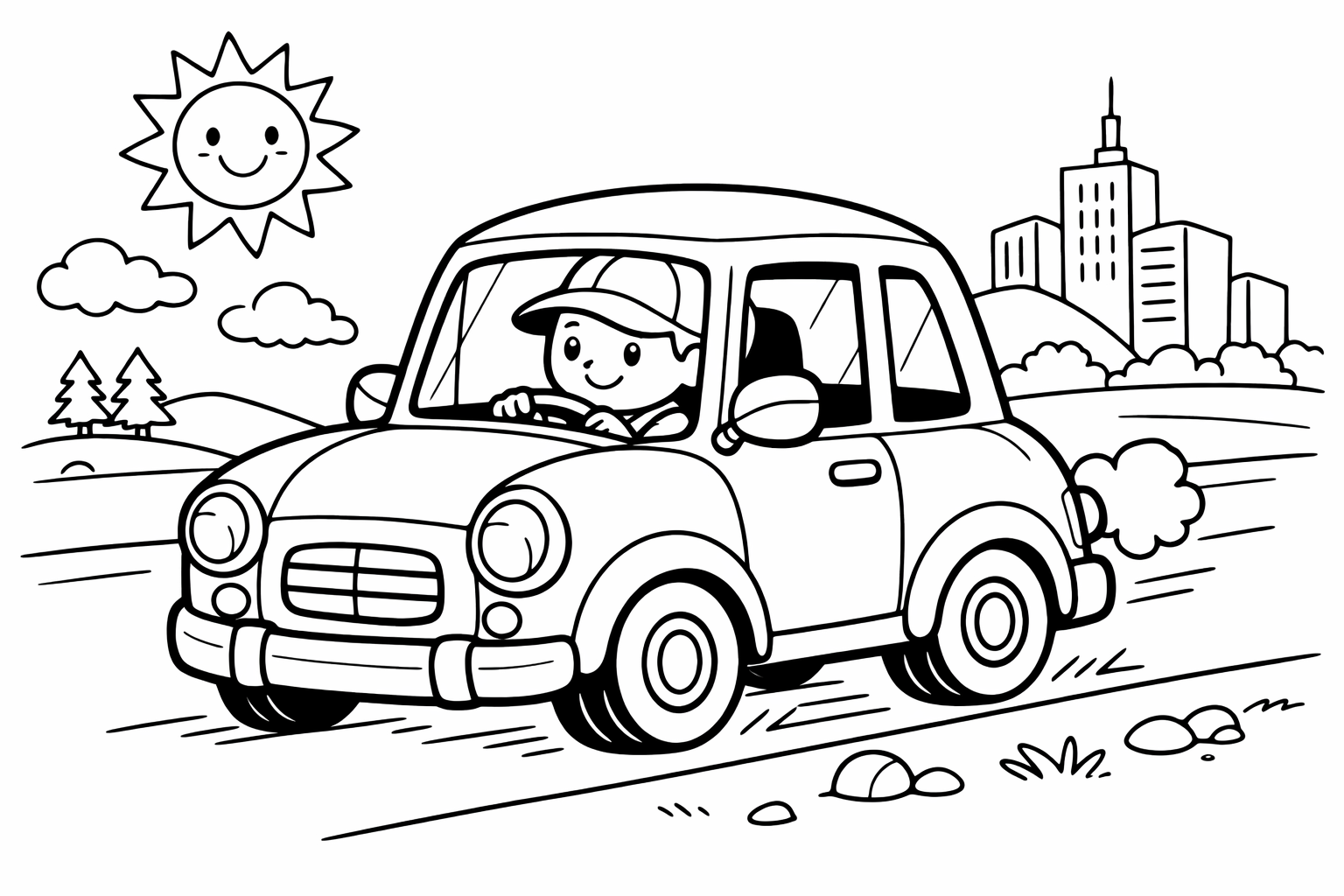
This is the sweet spot for pre-writing practice. Pages with medium detail, recognizable scenes, and outlines that ask for a steadier hand work best. Look for animals in their habitats, vehicles with visible wheels and windows, or a character holding a small object. The added complexity nudges the tripod grip forward and builds the endurance kids will lean on once handwriting becomes a daily ask.
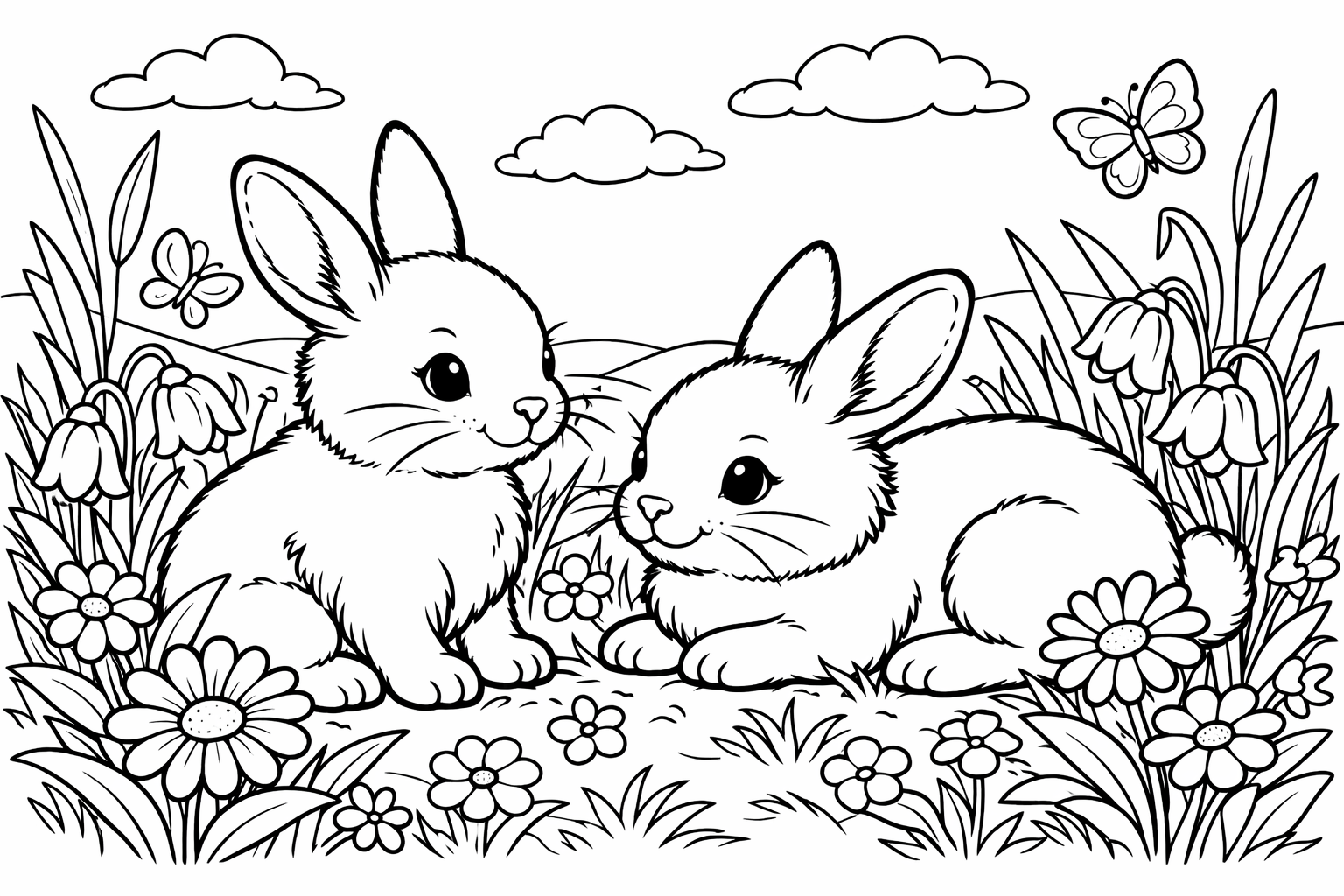
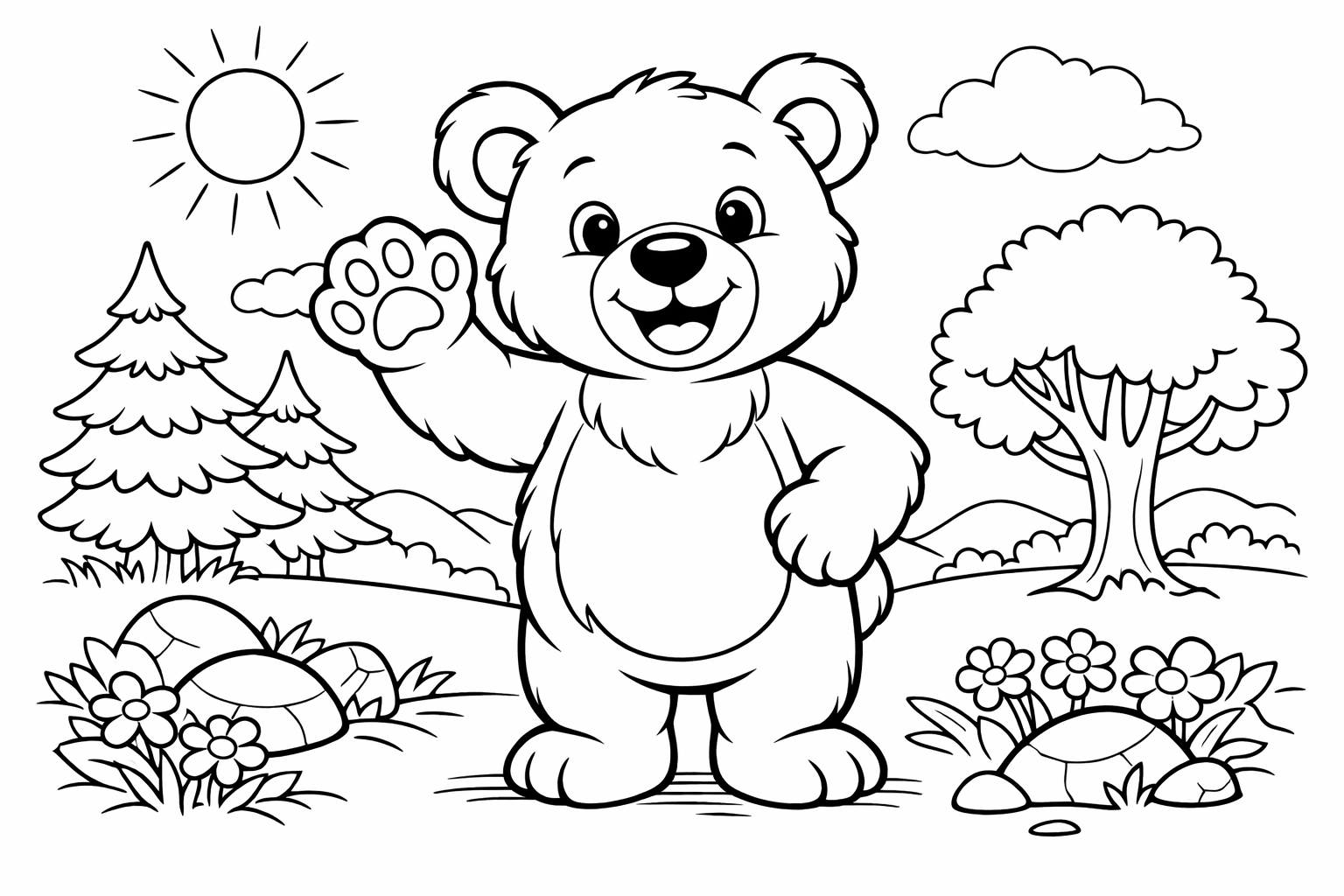
Older Kids (8 to 12)
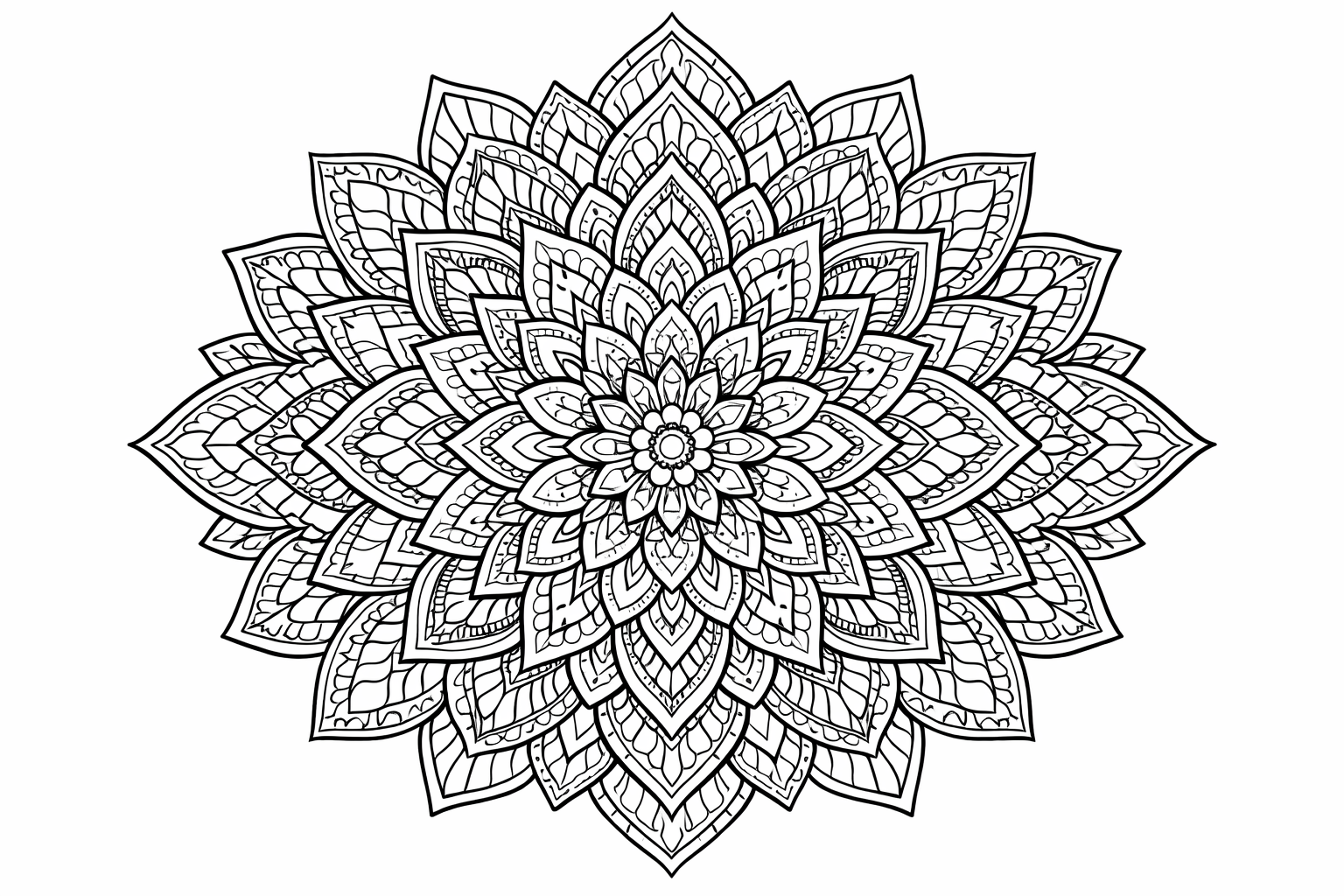
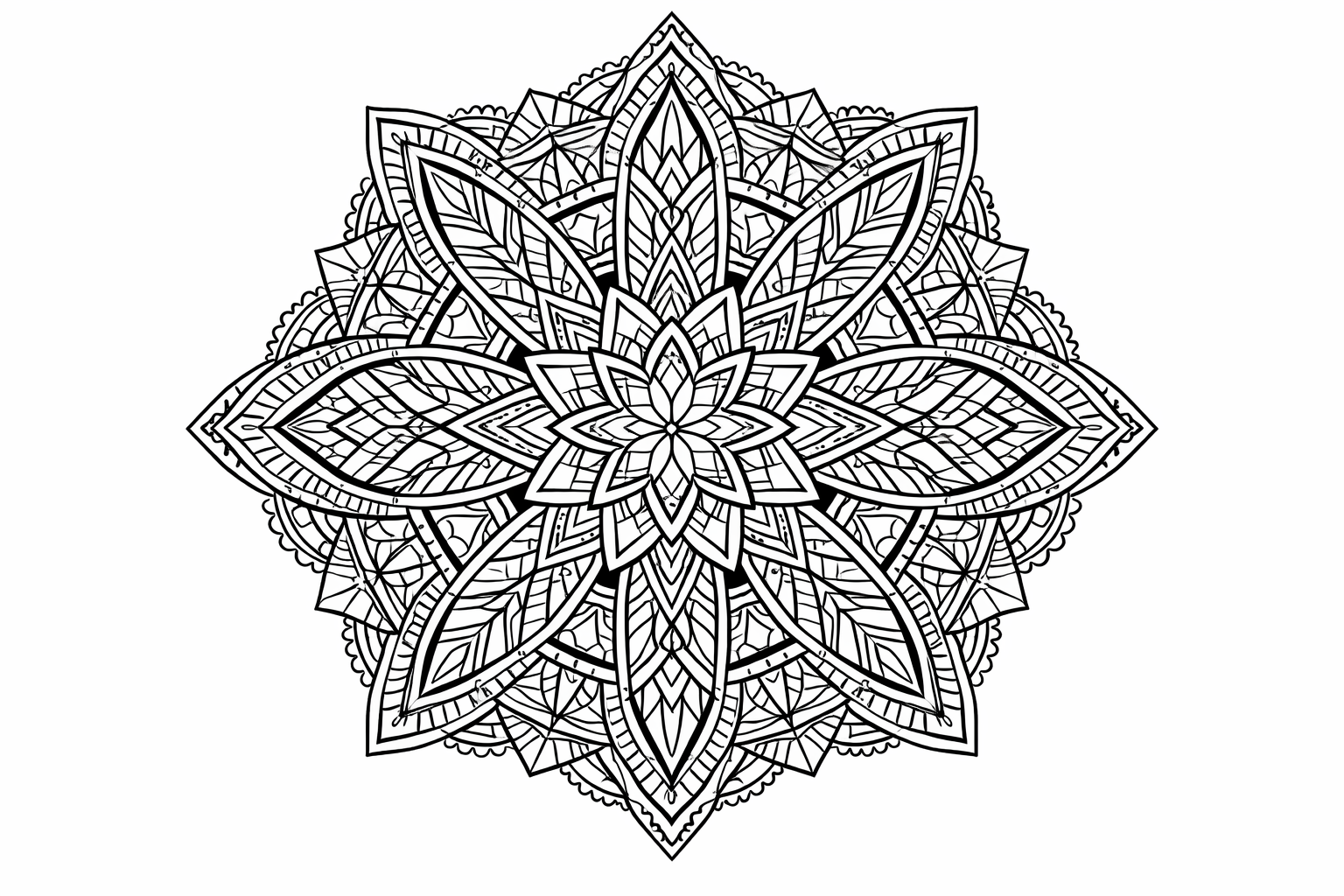
Older kids need a real challenge or they drift. Mandalas, intricate patterns, scenes with many small areas, and themed grids that reward patience all work. At this age, the fine motor work shifts from basic grip to real precision: staying inside narrow lines, blending colors, and planning a composition. The focus benefit is enormous, especially for kids who struggle to wind down after school.
Coloring page styles that build different skills
Different page types stretch different muscles. Mixing them up keeps practice from feeling like practice.
Big shapes and bold outlines
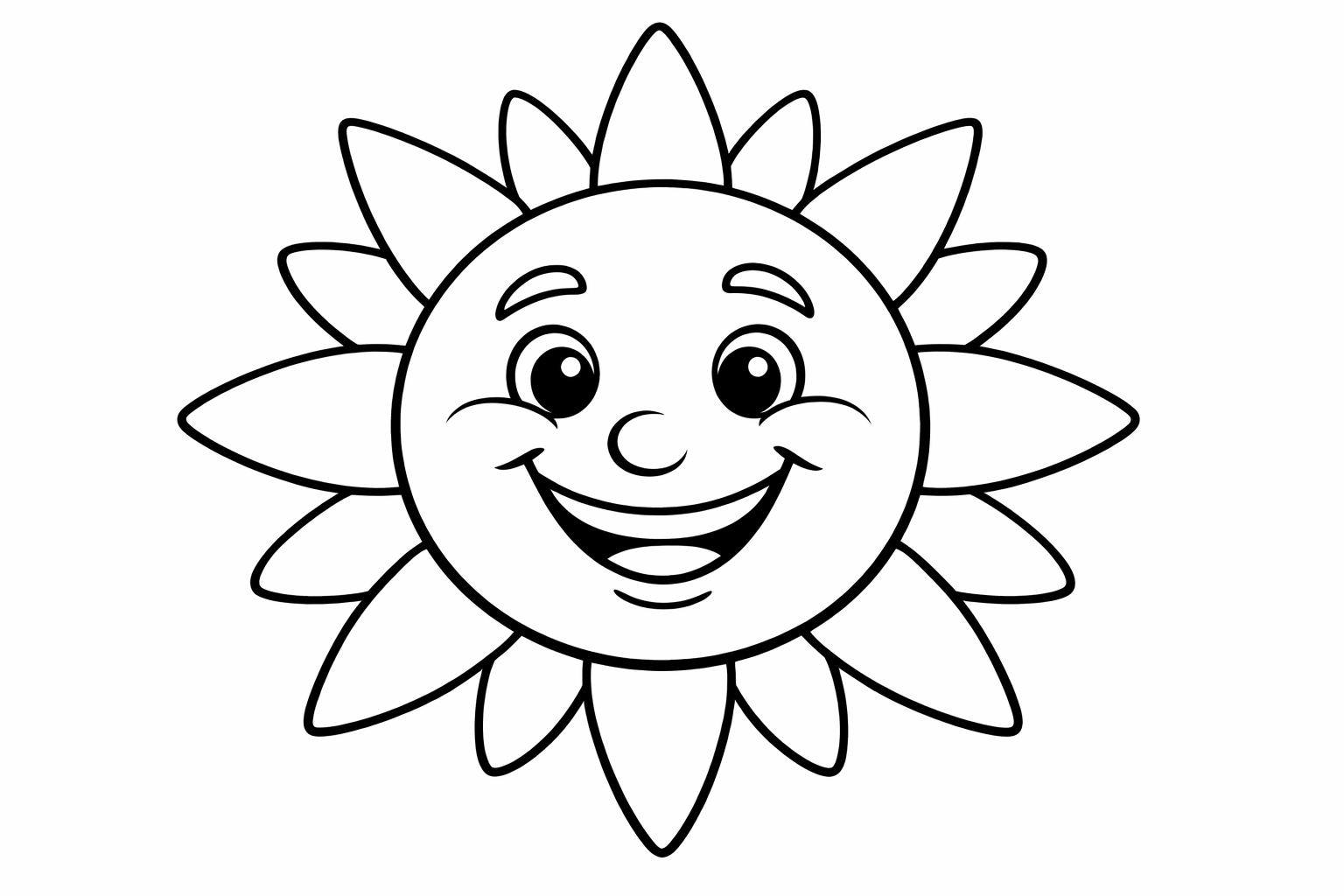
These pages build hand strength and basic grip. The wide spaces let kids fill confidently, and the thick outlines forgive a wobbly stroke. Great for the youngest hands and for anyone who needs a quick win.
Patterns and mandalas
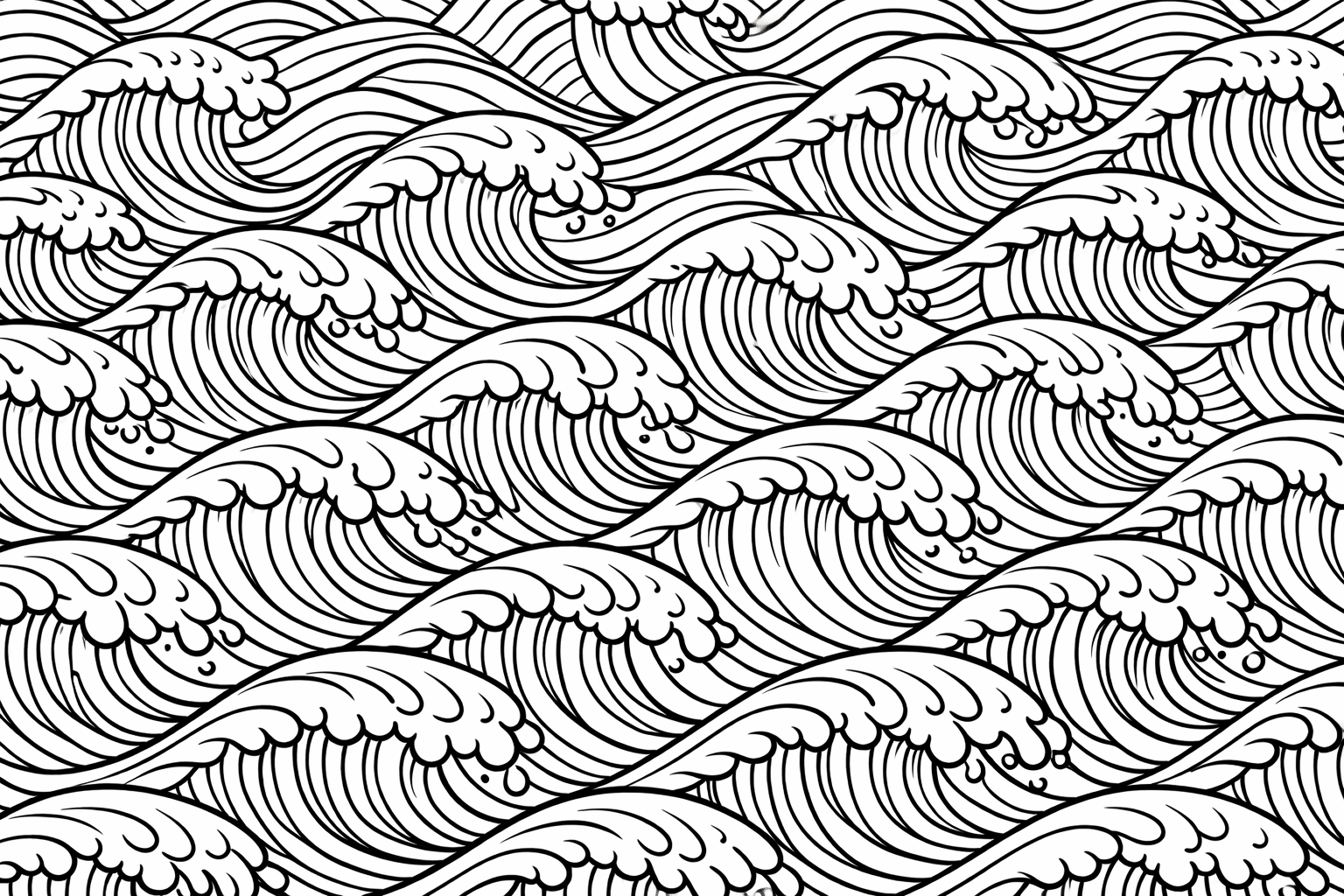
Repeating shapes train the eye and the wrist together. Kids learn to control the size of their strokes and to keep a rhythm going, which translates directly to letter formation later on.
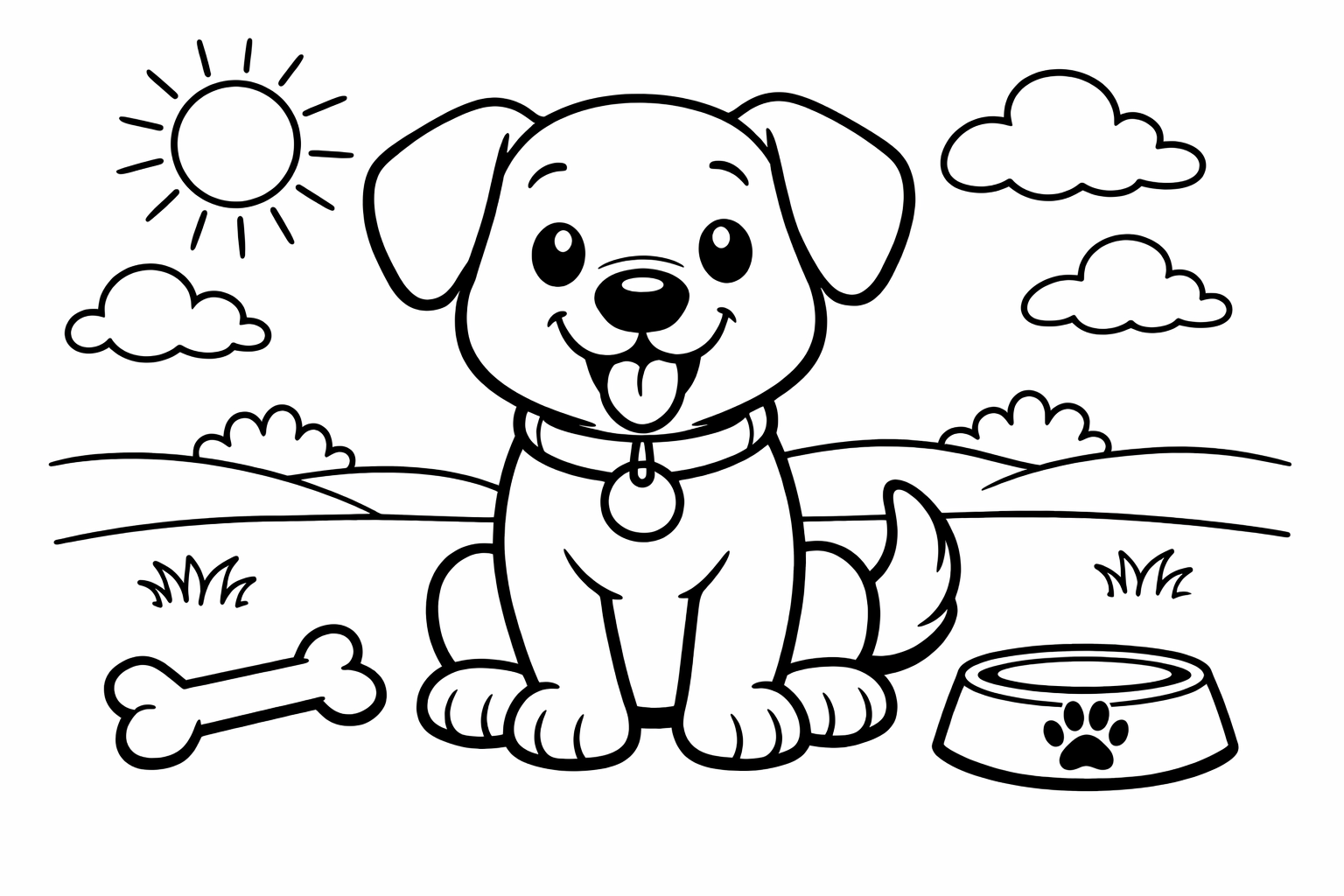

Scene-based pages
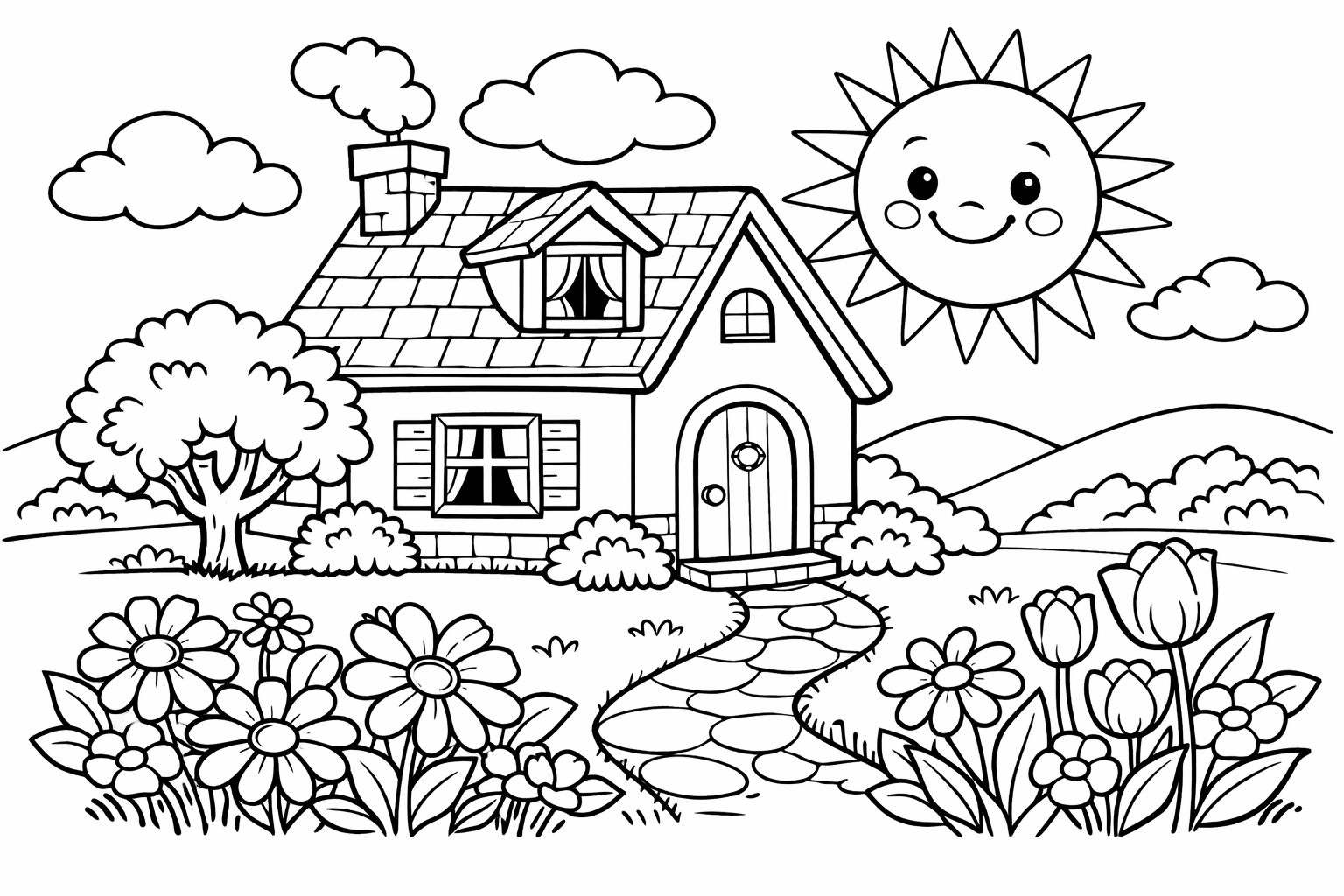
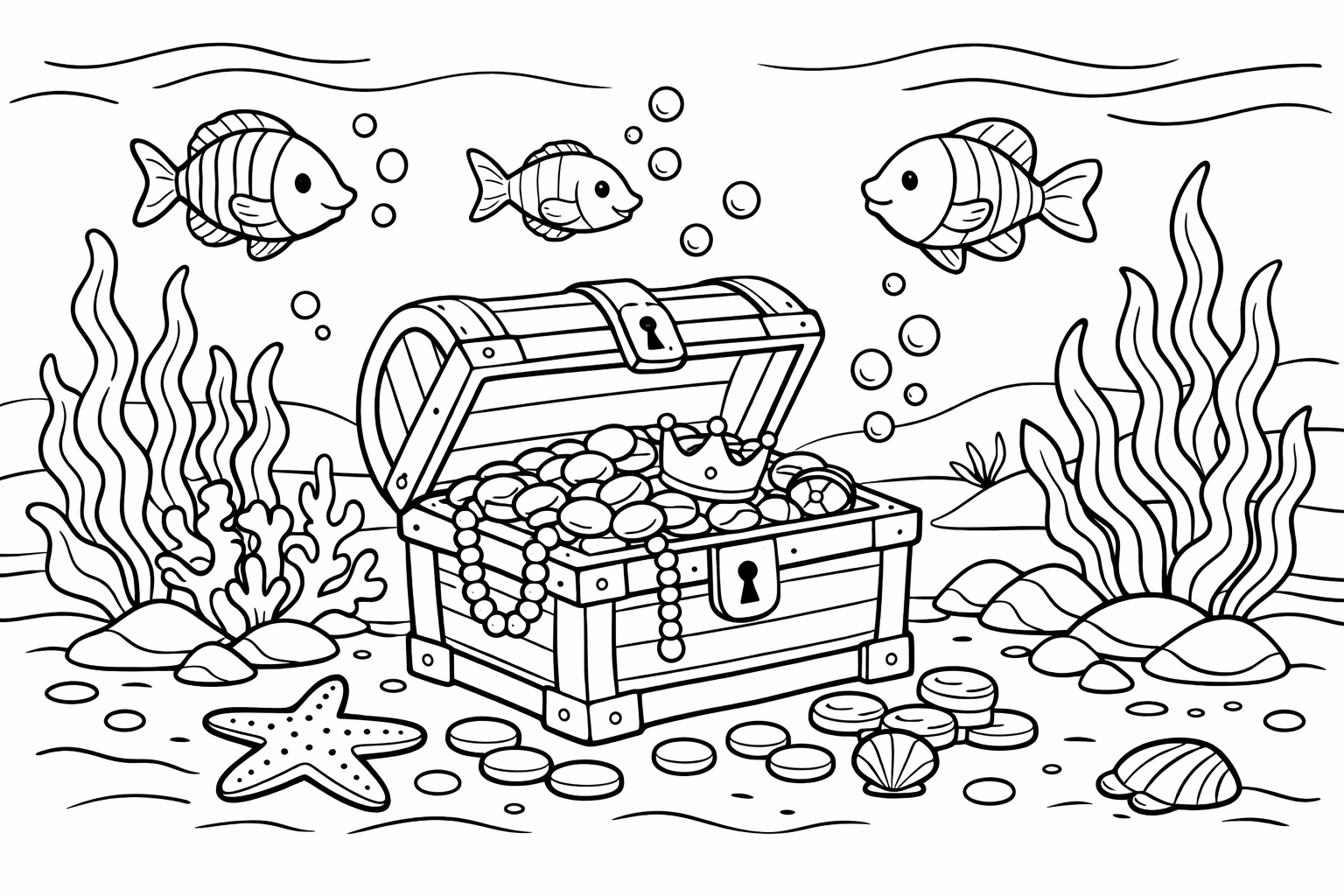
A page with a clear setting, like a garden or a kitchen, asks kids to plan: which color goes where, and in what order. Planning is a focus skill as much as a motor skill, and these pages quietly teach both.
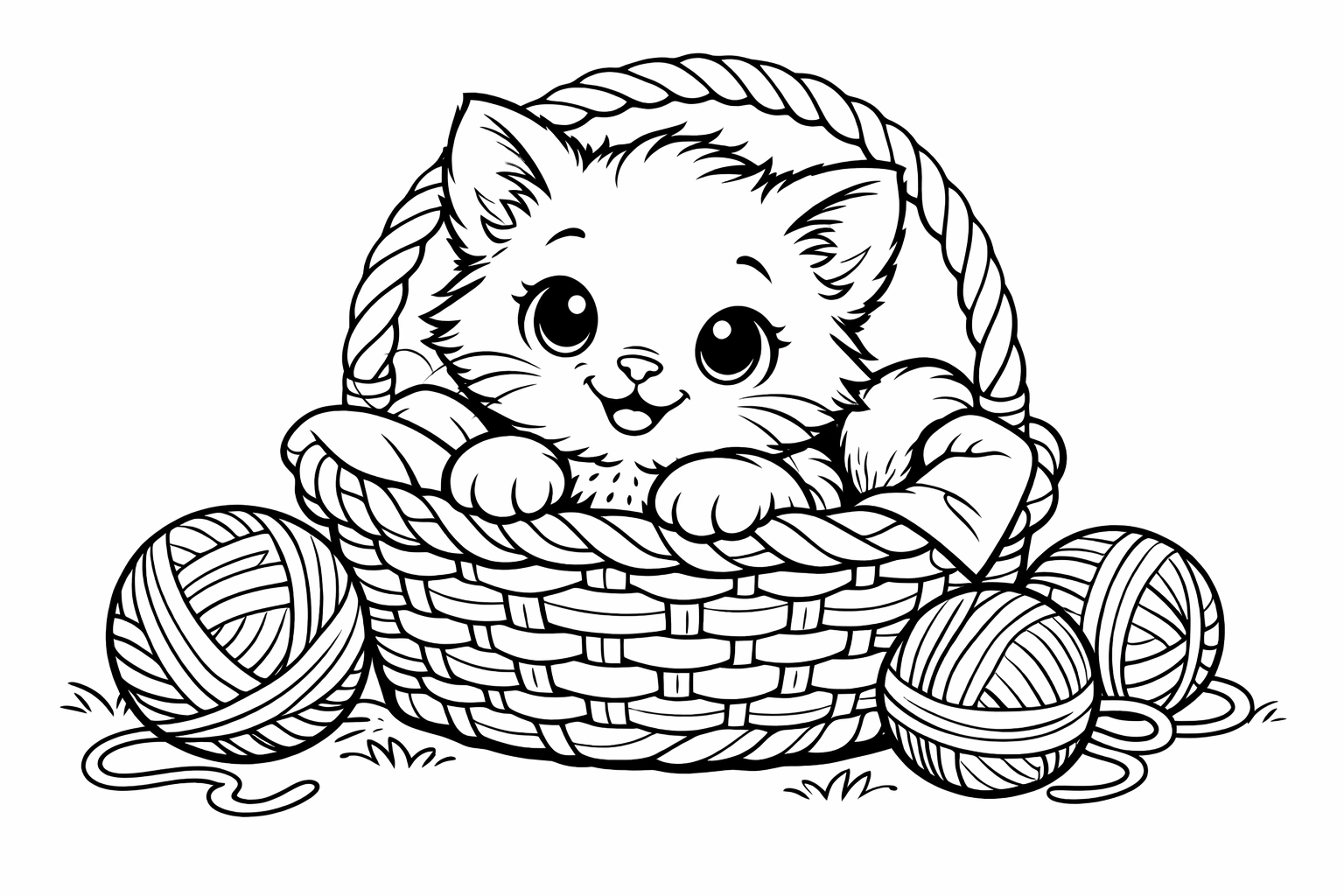
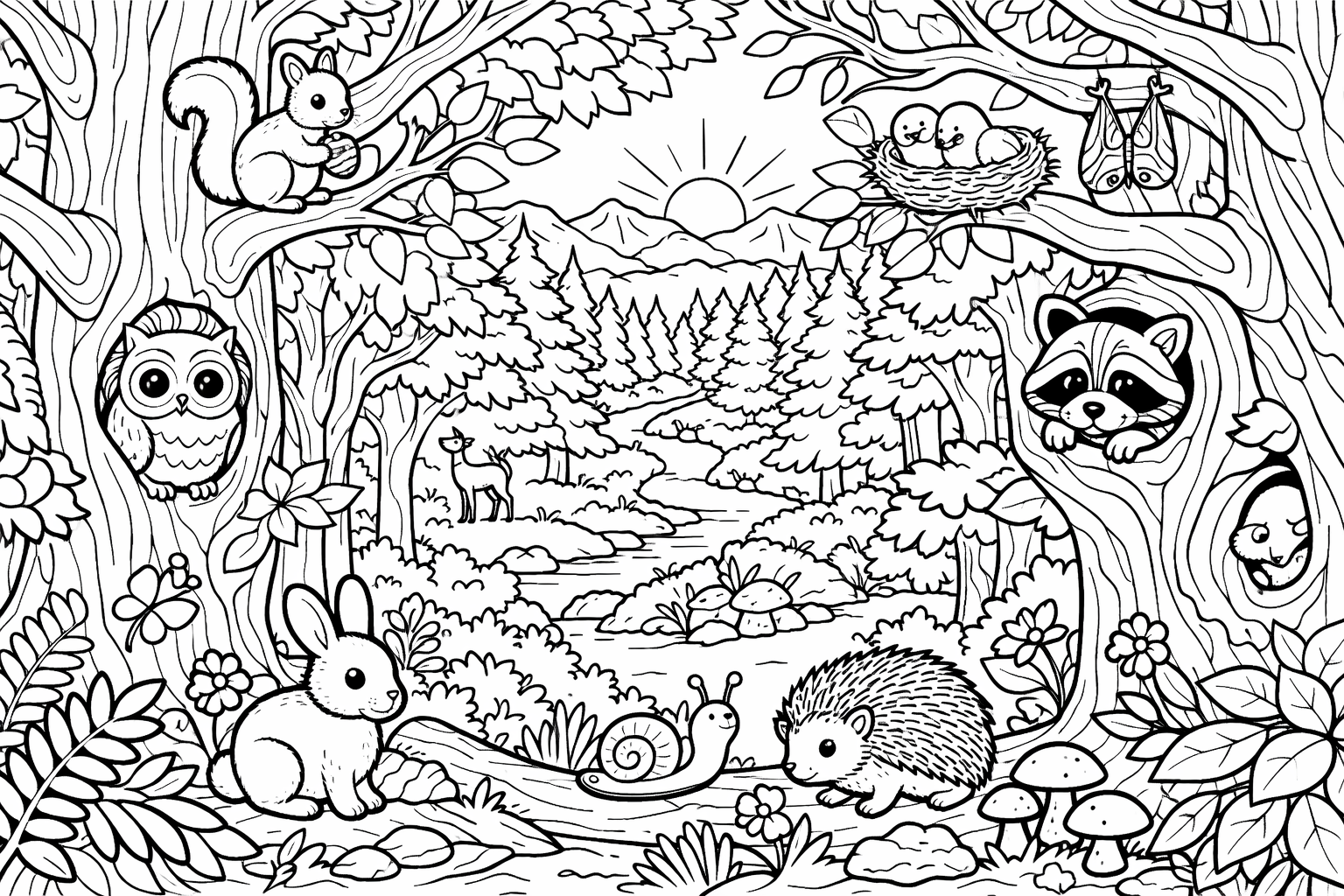
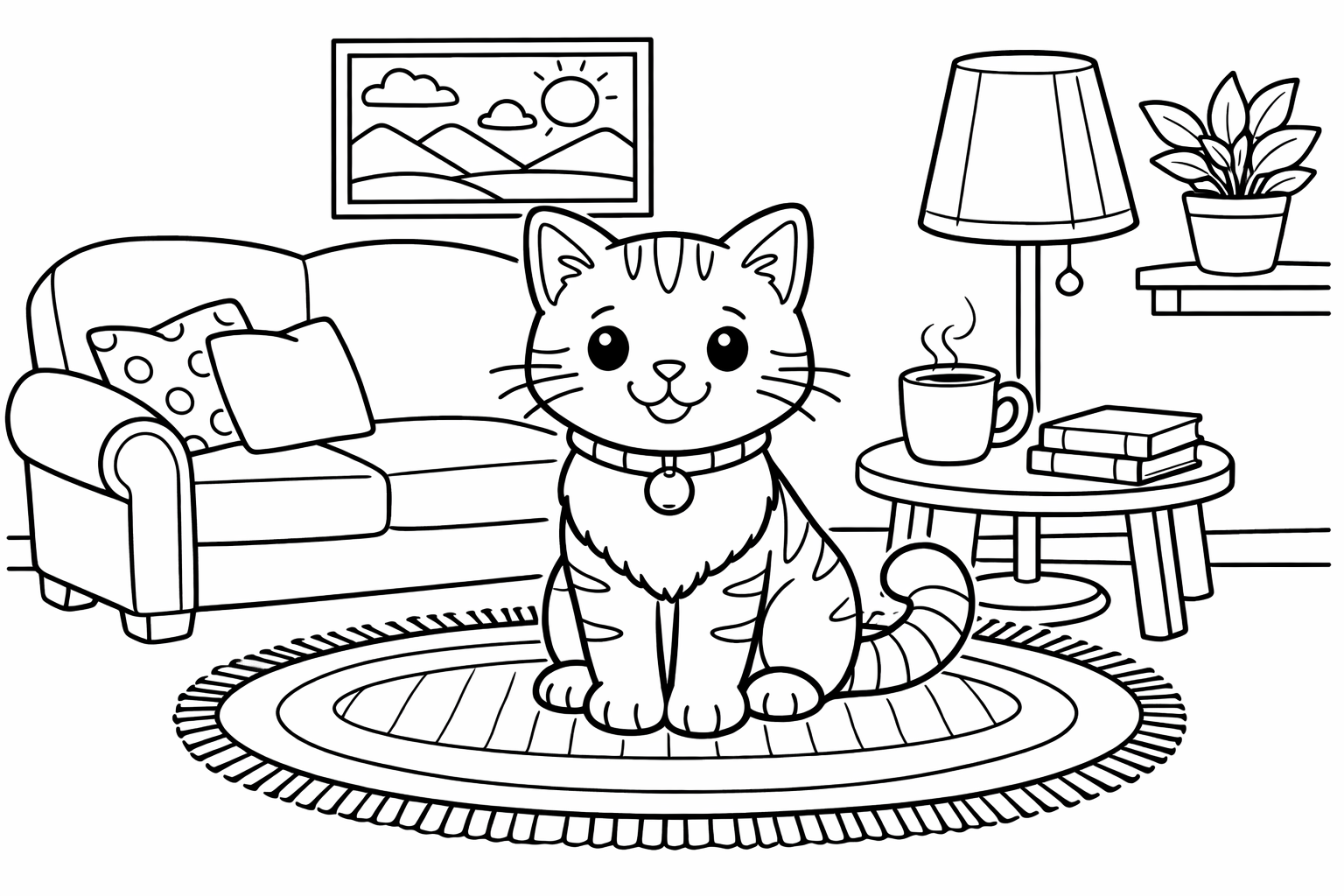
Animal and character pages
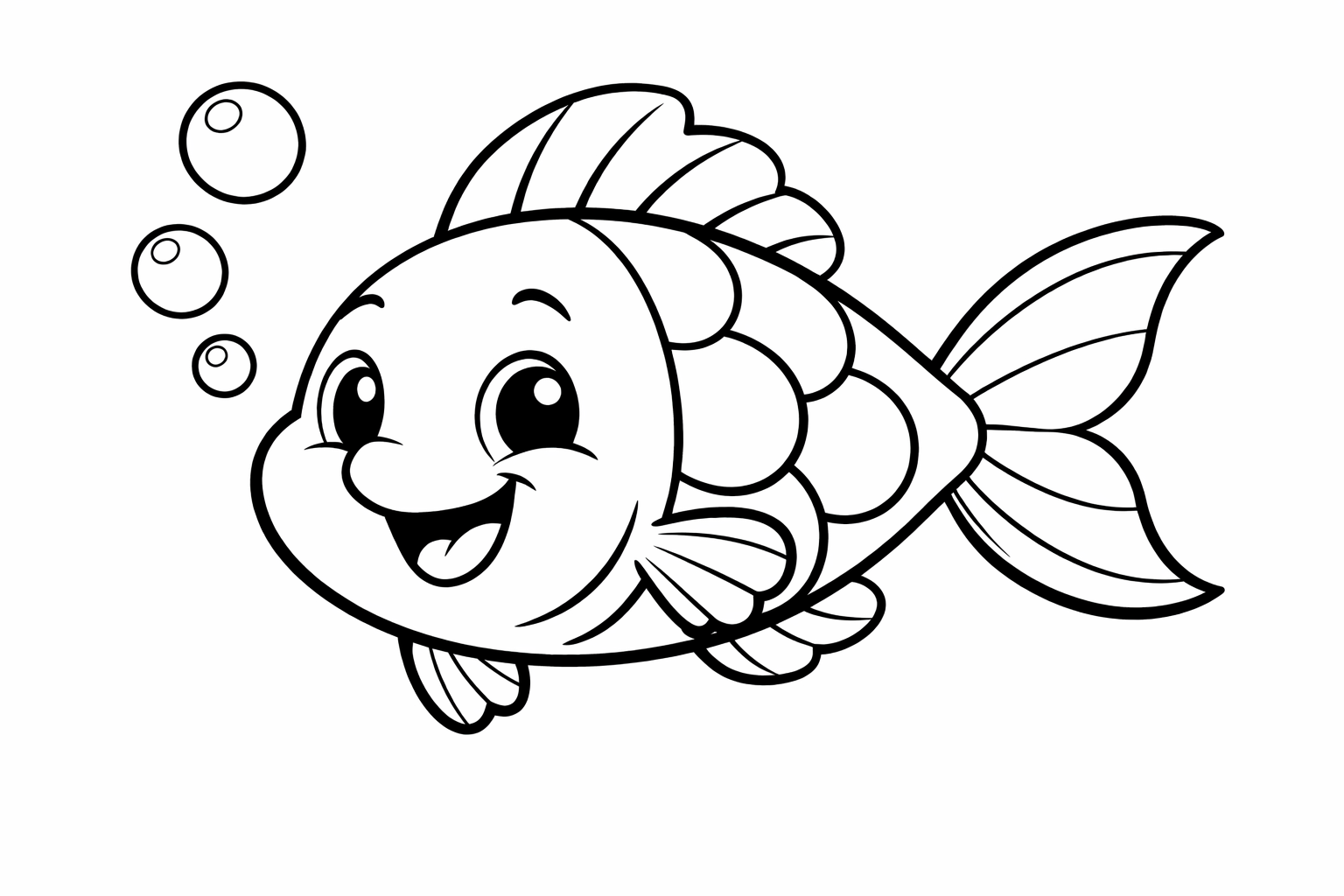
Familiar characters and animals motivate kids to keep going past the point where they would usually give up. The motor work is the same as any other detailed page, but the engagement carries them through more reps.
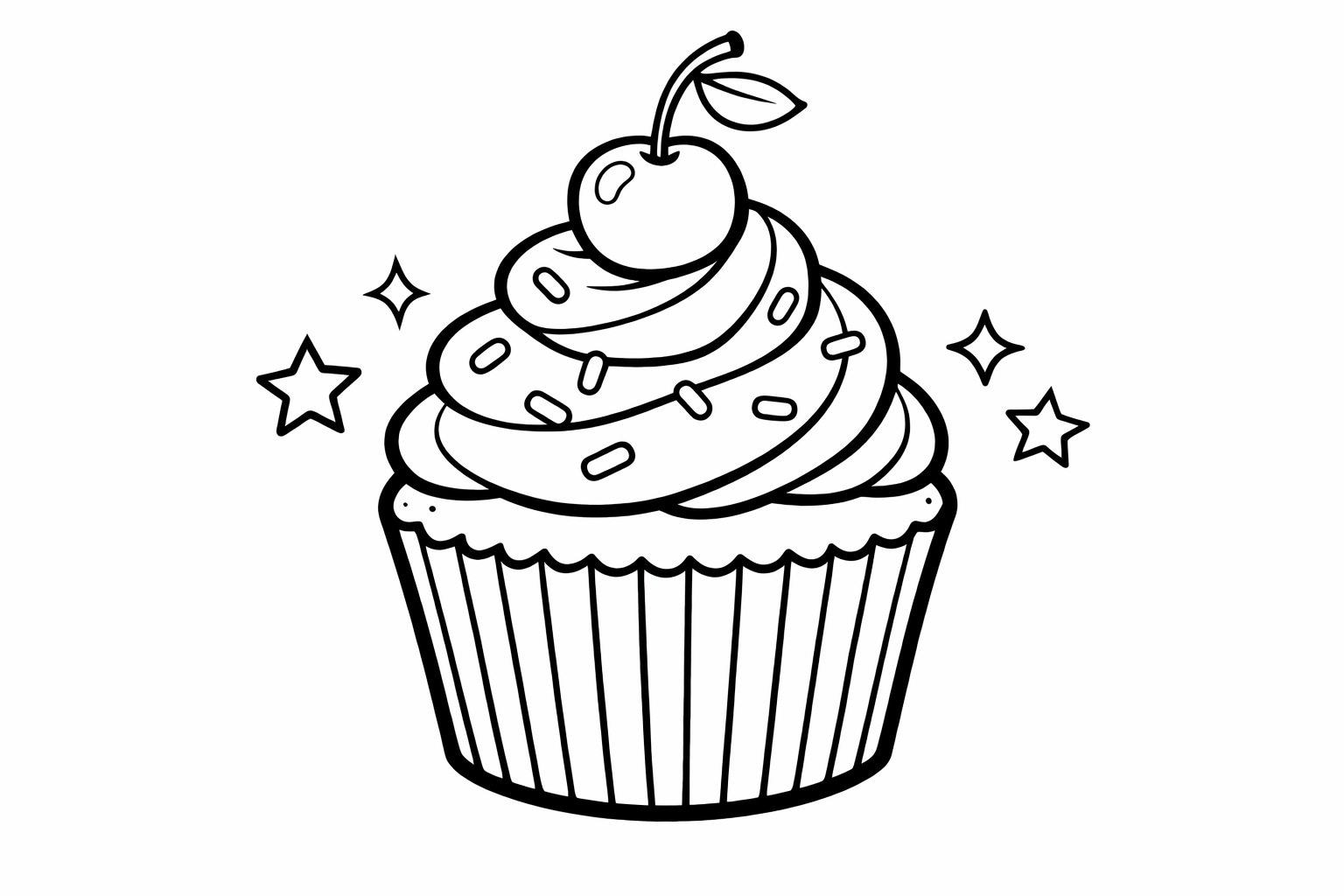
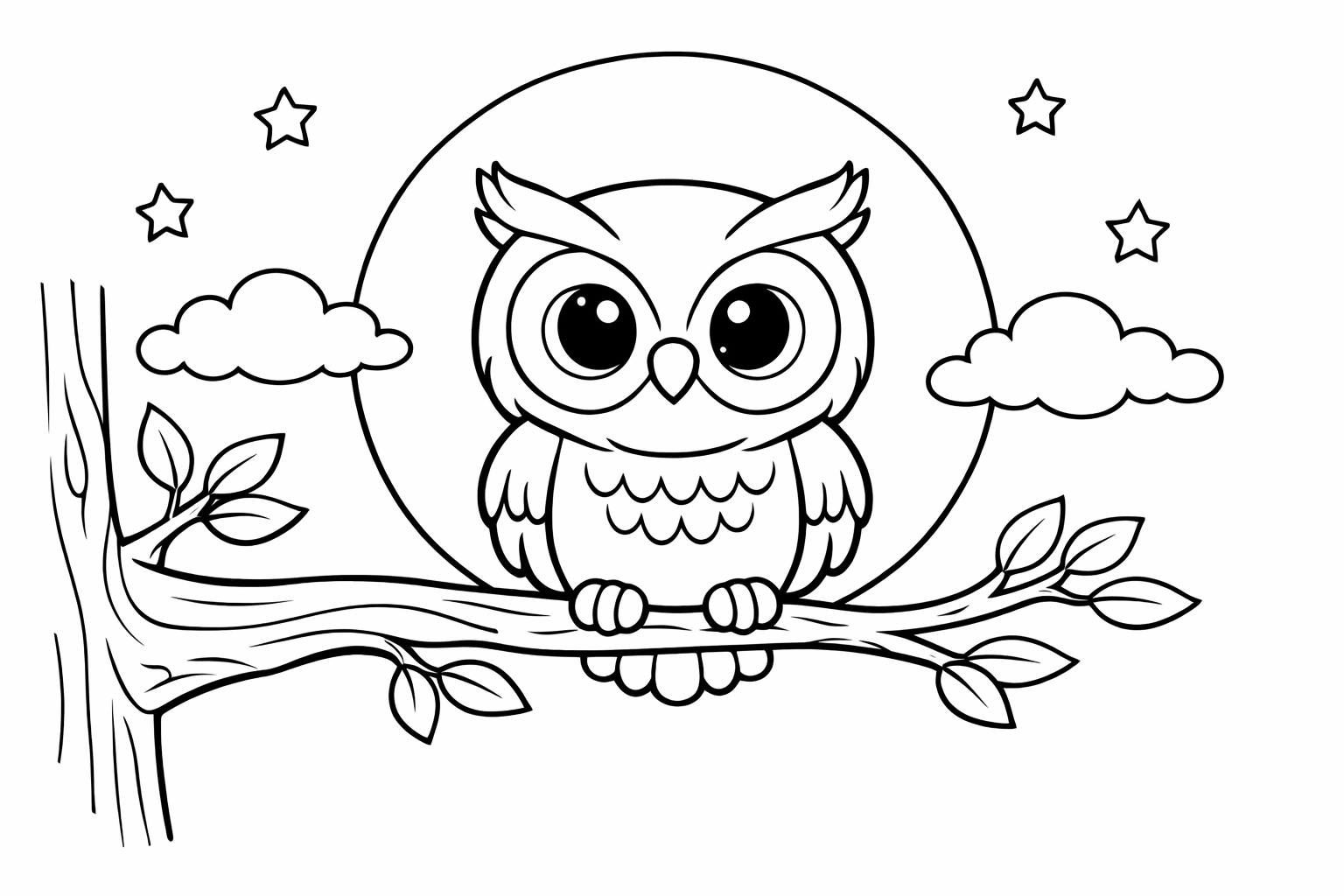
Five ways to make coloring time work harder
- 1Use broken crayons on purpose. Stubby pieces force a pincer grip and stop kids from squeezing the wrist or fist around a long crayon.
- 2Stand the page up. Tape the printed page to a wall or fridge at shoulder height. Coloring on a vertical surface activates shoulder and core muscles that support handwriting later.
- 3Try smaller paper. Print at half size when your child is ready. Smaller spaces force finger movement instead of arm movement, which is the precision step we want.
- 4Add a tracing warm-up. Have your child trace the outline first with a finger, then a crayon, before filling in. The double pass primes both motor planning and visual perception.
- 5Color together for two minutes. Sit down and color a corner alongside them. The shared focus builds the habit, and they pick up grip and pacing by watching you.
Quick tips for the best results
- Keep crayons, markers, and colored pencils all within reach so kids self-select the right tool for the page.
- Start sessions short, around five to ten minutes, and let interest extend the time naturally.
- Praise effort and process over the finished look. "You stayed in the lines on this part" beats "It's beautiful."
- Save a few finished pages each month so kids can see their grip and control improving.
Ready to Print? Your Fine Motor Skills Collection
The easiest way to start is to pick three or four pages at different difficulty levels and rotate them through the week. Variety keeps the workout interesting and stretches different parts of the hand.
Print, hand over the crayons, and let the small hands do the work.